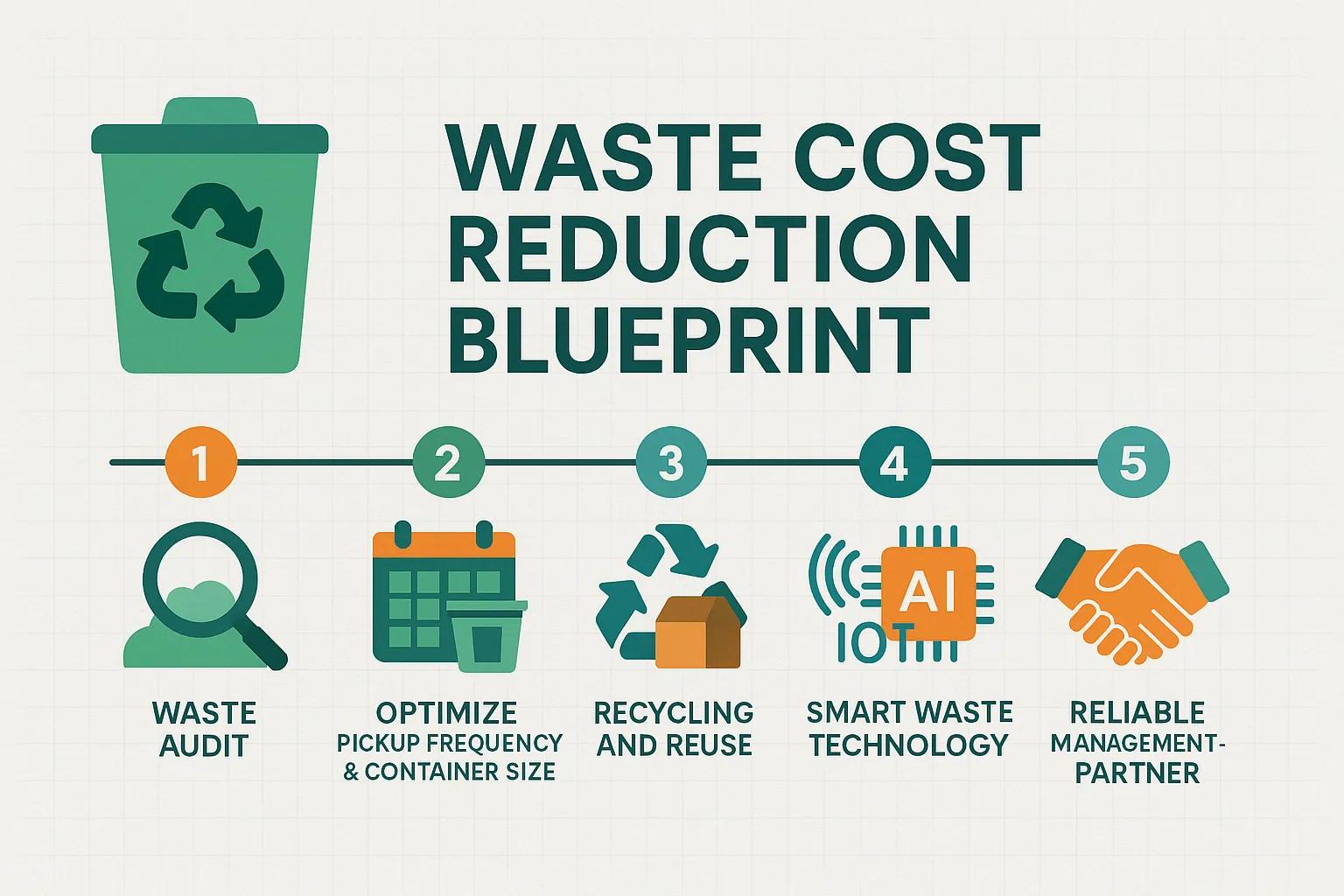
Construction waste strains landfills and consumes valuable resources. This guide lays out ten practical strategies your team can use to reduce waste, lower costs, and improve project sustainability. We cover proactive planning, smarter material sourcing, on-site waste systems, modular methods, reuse and recycling, and the technology that helps you measure progress. Each section gives clear, actionable steps to help you shrink waste and run more efficient projects.
How Can Proactive Planning and Design Optimization Minimize Construction Waste ?
Design and planning decisions set the tone for waste across a project’s life. Anticipating waste flows and optimizing designs for efficiency — from accurate takeoffs to layout choices that reduce offcuts — cuts material overage and on-site rework. Treat planning as a waste-control tool : coordinated specs, realistic schedules, and clear responsibilities all reduce the chance materials become scrap.
What Role Does Accurate Material Estimation Play in Waste Reduction?
Precise material estimation prevents costly over-ordering and the surplus that too often ends up in landfill. Use historical data, estimation software, and expert review to tighten your numbers — tools can improve accuracy by roughly 10–20%. The result is less storage, fewer returns, and fewer leftover materials to dispose of .
How Does Designing for Deconstruction Support Sustainability Goals?
Designing for deconstruction means building so components can be recovered and reused at end of life. That looks like standardized parts, mechanical fasteners instead of permanent adhesives, and assemblies that separate cleanly. When you plan for disassembly, more materials stay in circulation and less becomes waste. Construction demolition recycling is becoming increasingly important.
Which Sustainable Material Sourcing Practices Reduce Environmental Impact?
 Choosing the right materials reduces upstream impact and downstream waste. Prioritize recycled content, certified sustainable sources, and local suppliers to cut embodied carbon and transport emissions. These choices support a circular supply chain and often improve traceability and material recovery at project end.
How Do Recycled and Local Materials Contribute to Construction Waste Management?
Using recycled or reclaimed materials lowers demand for virgin resources and keeps useful materials out of the landfill. Local sourcing shortens transport, reduces emissions, and can simplify logistics. Together, these approaches reduce project waste and often improve cost and schedule predictability.
What Are the Benefits of Supplier Collaboration for Waste Minimization?
Working closely with suppliers reduces waste before it reaches the site. Joint planning can cut packaging, enable right-sized deliveries, and open options like returnable containers or just-in-time shipments. Suppliers who share waste-reduction goals help you avoid excess and find practical reuse or recovery pathways.
What Are the Best Methods for Implementing On-Site Waste Segregation and Management Plans?
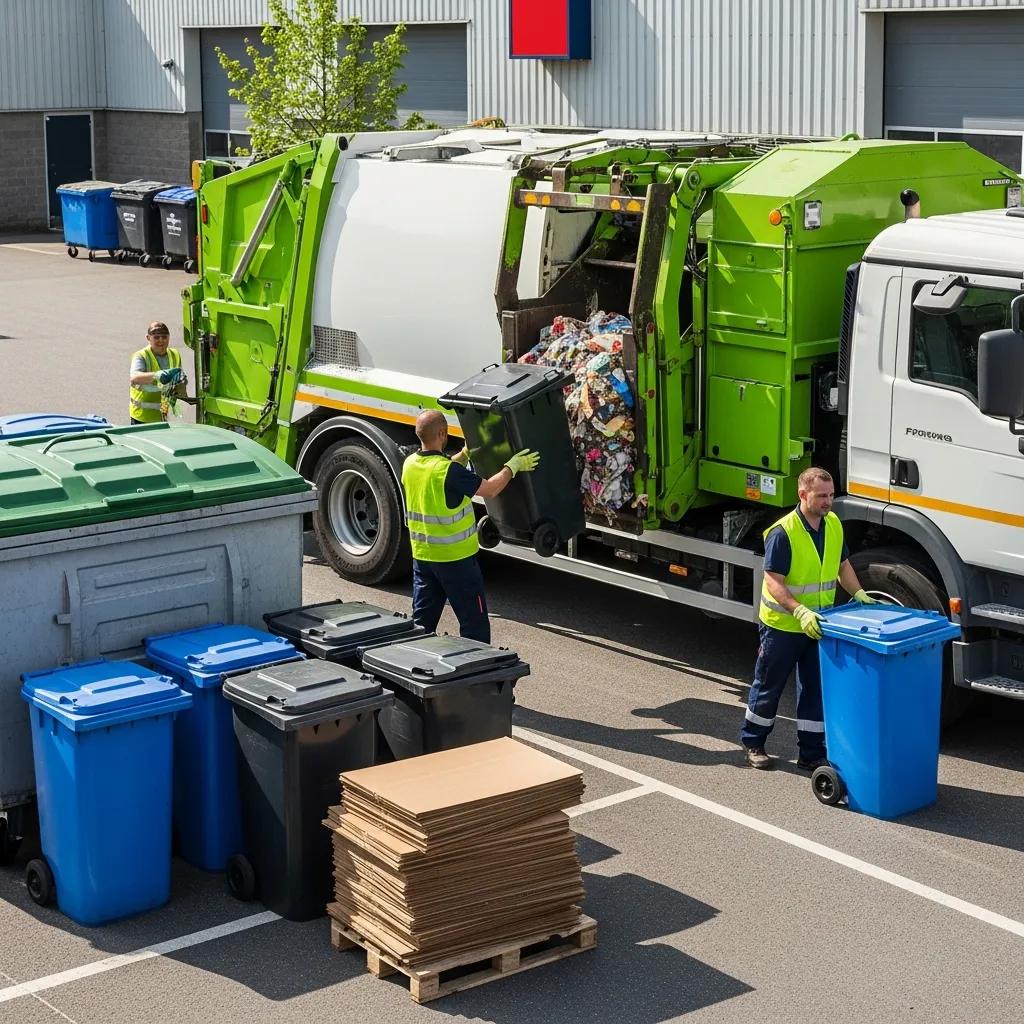
Effective on-site waste management starts with simple, enforceable systems. Set up clear streams for recyclables, hazardous items, and general waste; label containers; and place them where crews work. Pair the setup with documented procedures and routine checks so separation becomes routine rather than an afterthought.
How Does Waste Segregation Improve Recycling Rates on Construction Sites?
When materials are separated at source, they retain value and are easier to divert from landfill. Sites that implement clear segregation programs often see recycling rates rise — in some cases by up to 50% — because recyclable materials stay clean and marketable instead of being contaminated and discarded.
Research identifies the specific factors that make on-site sorting successful and scalable.
Critical Success Factors for On-Site Construction Waste Sorting Study examining how to carry out effective on-site construction waste sorting in China and identifying the critical success factors (CSFs) that enable successful sorting operations. Critical success factors for on-site sorting of construction waste: a China study, H Yuan, 2010
What Steps Are Involved in Conducting Effective Waste Audits?
Good waste audits follow a clear sequence: map waste streams, measure volumes by type, assess current disposal routes, and identify reduction opportunities. Repeat audits periodically to track improvements, validate targets, and adjust your management plan as conditions change.
How Does Embracing Modular and Prefabricated Construction Reduce Waste?

Modular and prefabrication shift work into controlled factory settings where cuts are optimized, offcuts are reused, and quality is consistent. That control reduces waste, lowers rework on site, and often shortens schedules — all of which translate to less material loss and better resource use.
What Are the Efficiency Benefits of Modular Construction for Multi-Location Projects?
Standardized modules let you scale repeatable components across sites. That consistency speeds delivery, reduces on-site labor needs, and improves quality control — cutting both waste and cost for projects with multiple locations or repeatable floorplates.
How Does Prefabrication Support Sustainable Building Practices?
Prefabrication reduces scrap through optimized cutting and material reuse in the factory. It also enables tighter tolerances and energy-efficient component design, which contribute to lower lifecycle impacts for the finished building.
How Can Maximizing Reuse and Recycling Enhance Construction Debris Management?
Prioritizing reuse and recycling keeps valuable materials in play and shrinks disposal bills. Recovering items for reuse, selling clean recyclables, and partnering with reuse centers turn waste into a resource stream rather than a cost center. Drive down your operating costs.
What Are Effective On-Site and Off-Site Recycling Programs?
On-site programs work best when combined with reliable off-site partners. On-site, provide clearly labeled stations for metal, wood, concrete, and mixed recyclables. Off-site, establish relationships with processors who accept your separated streams and provide documentation so you can report diversion rates accurately.
How Does Deconstruction Differ from Demolition in Resource Recovery?
Deconstruction is a deliberate, piece-by-piece dismantling process that prioritizes material recovery; demolition is faster but more destructive. Deconstruction typically salvages a much higher percentage of materials for reuse or recycling, reducing landfill volumes and recovering value.
What Role Does Technology Play in Sustainable Construction Waste Management?
Technology gives visibility and control over waste flows. From estimating tools that reduce over-ordering to tracking platforms that record tonnages, tech turns waste from a guessing game into measurable performance data you can manage and improve.
How Does NWA360 Enable Data-Driven Waste Tracking and Optimization?
NWA360 centralizes waste data so teams see what’s generated, where it goes, and how much it costs. Real‑time dashboards, trend reports, and custom exports help you spot inefficiencies, validate diversion efforts, and measure the impact of improvement projects.
What Are the Benefits of Using BIM for Waste Reduction?
BIM improves planning accuracy and coordination, reducing clashes and mistakes that create waste. Detailed digital models support precise takeoffs, clash detection, and off-site prefabrication — all of which reduce unnecessary material use and rework.
Frequently Asked Questions
What are the key challenges in implementing construction waste reduction strategies?
Common hurdles include resistance to new processes, limited training, tight schedules that deprioritize sorting, and inconsistent regional regulations. Overcome these by securing leadership commitment, building simple standard procedures, investing in crew training, and aligning goals with project timelines.
How can construction companies measure the effectiveness of their waste reduction efforts?
Use clear metrics: total waste volume, diversion/recycling rates, cost savings on disposal, and percentage of material reused. Regular waste audits and consistent data capture (weight, stream type, destination) let you track progress and validate improvements. For insights on better practices, check out 5 ways to reduce waste.
What role do government regulations play in construction waste management?
Regulations set minimum standards for the disposal, recycling, and handling of hazardous materials. They can also create incentives for diversion through grants or tax benefits. Staying current with local and national rules helps you design compliant, cost-effective waste plans.
How can technology improve communication among stakeholders in waste management?
Digital tools enable real‑time sharing of waste data, photos, and instructions across teams and contractors. Centralized platforms reduce misunderstandings, speed decision-making, and create a single source of truth for compliance and performance reporting.
What are some innovative materials that can help reduce construction waste?
Materials that reduce waste include bio-based composites, recycled-plastic products, and modular system components. These options lower reliance on virgin materials, are often easier to reclaim, and can simplify construction sequences to cut scrap. construction
How can training and education impact construction waste reduction efforts?
Training makes procedures stick. Regular, job-specific sessions teach crews how to sort, store, and protect reusable materials. When crews understand the why and the how, compliance and diversion rates rise — and waste becomes a managed outcome, not an afterthought.
Conclusion
Reducing construction waste enhances sustainability, lowers costs, and enhances project delivery. By combining thoughtful planning, smarter sourcing, dependable on-site systems, and targeted technology, your team can significantly lower waste and recover value from materials. Start with small, measurable changes and scale what works. Explore our tools and resources to help you reach your diversion and efficiency goals.
About the author