10 Innovative Waste Collection Methods for Urban Areas That Are Revolutionizing Smart Cities
By BKThemes
Introduction: Rethinking Urban Waste Management in the 21st Century
As global populations continue to move toward cities, urban waste management has become one of the most pressing environmental and logistical challenges. Traditional methods—manual collection, landfill dumping, and infrequent pickups—are no longer sustainable. The future lies in innovative waste collection methods for urban areas that combine smart technology, automation, and citizen engagement to create cleaner, greener, and more efficient cities.
Understanding the Urban Waste Challenge
Rising Urbanization and Its Impact on Waste Generation
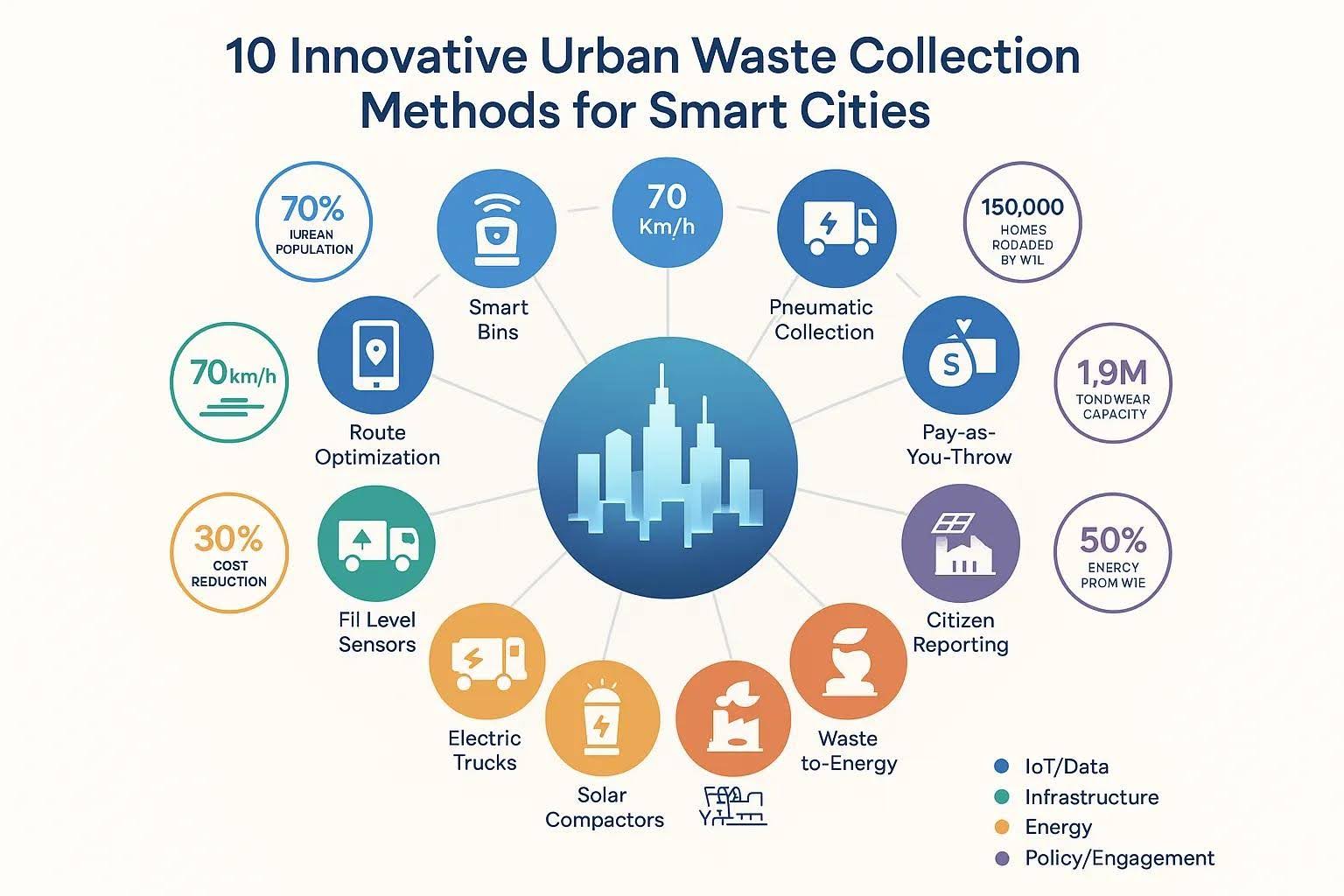
By 2050, nearly 70% of the world’s population will live in urban areas. This rapid growth has led to a surge in municipal solid waste (MSW), putting immense pressure on existing collection systems. Without innovation, cities face overflowing landfills, air pollution, and inefficient use of resources .
Environmental and Health Consequences of Poor Waste Management
Poorly managed waste contributes to greenhouse gas emissions, groundwater contamination, and the spread of diseases. Urban residents suffer most, particularly in densely populated and low-income neighborhoods where waste collection is inconsistent. Addressing these issues requires systemic innovation—not just better collection but smarter waste management .
The Need for Innovation in Urban Waste Collection
Limitations of Traditional Waste Collection Systems
Conventional systems depend heavily on manual labor, fixed routes, and outdated infrastructure. These factors lead to inefficiencies, high costs, and missed pickups. Moreover, the lack of real-time data means cities cannot respond dynamically to changing waste patterns .
How Smart Technologies Are Changing the Game
Emerging technologies like IoT (Internet of Things) , AI (Artificial Intelligence) , and automation are revolutionizing urban waste management. Cities are moving toward data-driven systems that monitor, predict, and optimize waste collection in real time.
Smart Waste Bins and IoT-Enabled Solutions
How IoT Sensors Optimize Waste Pickup Routes
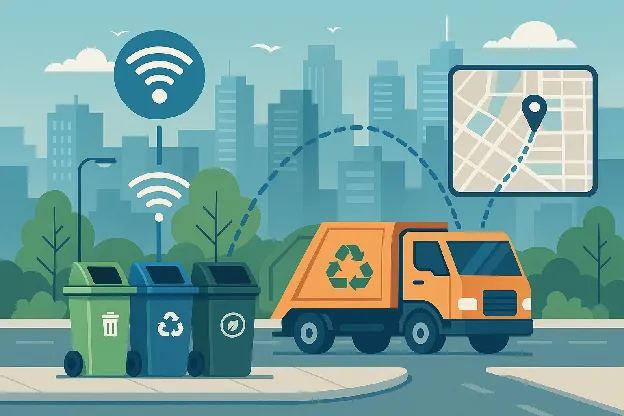
Smart bins equipped with IoT sensors detect fill levels and send alerts to waste collection services. This enables route optimization —trucks only visit bins when necessary, reducing fuel consumption and carbon emissions.
Examples of Smart Waste Management in Leading Cities
- Amsterdam uses FillLevel sensors to manage its underground bins efficiently.
- Barcelona integrates IoT data with its city management dashboard for predictive route planning.
- Seoul employs smart bins that compact waste automatically, reducing collection frequency.
Underground Waste Collection Systems
Pneumatic Waste Conveyance: How It Works
Pneumatic systems use underground vacuum tubes to transport waste from collection points to a central facility. This eliminates the need for street-level garbage trucks , reduces odor, and minimizes noise pollution.
Case Study: Singapore’s Automated Waste Collection Network
Singapore’s Marina Bay district uses a pneumatic waste system that transports waste at speeds up to 70 km/h through underground pipelines. The result? Cleaner streets and reduced collection costs by nearly 30%.
Electric and Autonomous Waste Collection Vehicles
The Future of Clean and Efficient Waste Transport
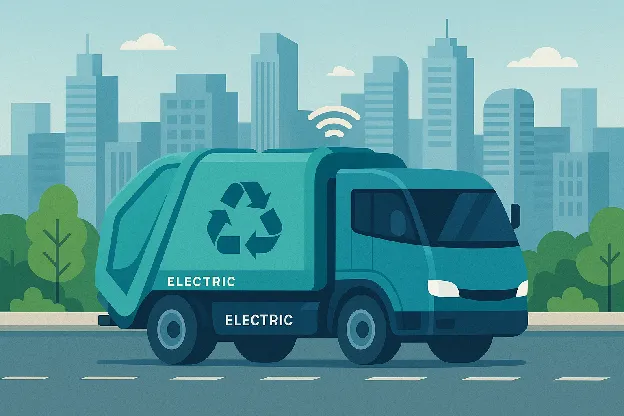
Electric garbage trucks offer quiet, zero-emission waste collection, significantly improving air quality in congested cities. Meanwhile, autonomous waste vehicles —guided by GPS and AI—can collect waste independently, even at night.
Cities Leading the Adoption of Autonomous Waste Trucks
- Helsinki and Copenhagen are piloting self-driving waste collection vehicles.
- Los Angeles has introduced a small fleet of electric trucks, cutting fuel costs by 40%.
Decentralized Waste Sorting and Recycling Hubs
Benefits of Localized Waste Processing Units
Instead of transporting waste across long distances, decentralized systems allow local sorting and recycling . This reduces transportation emissions and promotes community participation.
Integrating Circular Economy Principles in Cities
These hubs embody circular economy principles —waste is not an endpoint but a resource. Recyclables are reintroduced into production cycles, and organic waste can be converted into compost or biofuel.
Citizen Participation and Gamified Waste Management Apps
How Digital Engagement Drives Better Waste Sorting Habits
Gamification transforms mundane waste sorting into an engaging activity. Apps reward residents for proper waste disposal and recycling efforts, creating behavioral change through incentives .
Examples of Reward-Based Waste Reduction Platforms
- Recyclebank (USA) gives users redeemable points for sustainable actions.
- Swachh Bharat App (India) encourages users to report unclean areas for civic action.
The Role of AI and Data Analytics in Waste Optimization
Predictive Analytics for Waste Flow Management
Artificial Intelligence (AI) is reshaping how cities handle waste. Using predictive analytics, AI systems can forecast waste generation patterns based on population density, consumption habits, and seasonal variations. This allows municipalities to deploy collection vehicles only when and where they’re needed, reducing both cost and environmental impact.
For instance, New York City uses AI-driven analytics to anticipate trash volumes during holidays, optimizing collection schedules. Similarly, Tokyo’s Smart City Initiative leverages data from sensors, public waste reports, and satellite imagery to improve waste pickup frequency dynamically.
Machine Learning in Route Planning and Efficiency Tracking
Machine learning algorithms learn from historical data to design optimal collection routes. These intelligent systems adjust in real time based on weather conditions, traffic flow, and waste bin capacity.
As a result, cities save on fuel, reduce operational hours, and improve service reliability. AI also helps track recycling efficiency, identifying neighborhoods that need awareness campaigns to boost participation.
Sustainable Waste-to-Energy Systems
Turning Trash into Energy: A Sustainable Future
Waste-to-Energy (WtE) systems transform non-recyclable waste into electricity, heat, or fuel. Modern plants use advanced combustion, pyrolysis, or gasification technologies to minimize emissions while maximizing energy output.
These systems help cities achieve dual goals—reducing landfill waste and producing renewable energy. Countries like Sweden have nearly eliminated landfilling, with over 50% of their waste converted into usable energy.
Examples of Waste-to-Energy Projects in Modern Cities
-
Copenhagen’s Amager Bakke facility generates energy for 150,000 homes while doubling as a recreational ski slope.
-
Tokyo’s Ariake Incineration Plant powers urban infrastructure with clean electricity.
-
Dubai is constructing one of the world’s largest WtE plants, capable of processing 1.9 million tons of waste annually.
These innovations illustrate that waste can indeed become a valuable resource in sustainable city development.
Policy Innovations and Public-Private Partnerships (PPPs)
How Government Incentives Foster Sustainable Practices
Governments worldwide are introducing progressive policies to encourage cleaner waste systems. Incentives like tax breaks, grants, and subsidies are being offered to companies developing innovative waste collection methods for urban areas.
For example, the European Union’s Circular Economy Action Plan supports startups focused on smart recycling and waste technology. Meanwhile, Singapore enforces mandatory waste sorting and rewards communities that maintain clean neighborhoods.
Collaborative Models for Smarter Waste Systems
Public-Private Partnerships (PPPs) enable cities to combine the efficiency of private innovation with the oversight of public regulation. These collaborations often lead to groundbreaking projects—like automated underground waste systems and AI-driven monitoring platforms—that neither sector could implement alone.
Future Trends: The Road Ahead for Urban Waste Innovation
The Integration of Robotics and Smart Grids
Robotics is the next frontier in waste management. Autonomous robots can separate recyclables, clean streets, and even perform hazardous waste handling. When integrated with smart energy grids, waste systems can distribute power generated from WtE plants directly to urban utilities, creating a circular and sustainable loop.
Predictions for 2030 and Beyond
By 2030, experts predict that most smart cities will rely on fully automated, sensor-driven waste ecosystems. Drones could monitor illegal dumping, AI will oversee waste logistics, and residents will use interactive apps to manage personal waste contributions. The focus will shift from waste removal to waste prevention, emphasizing eco-design and circular manufacturing.
Conclusion: Building Cleaner, Smarter, and Greener Cities
Innovative waste collection methods for urban areas are transforming how cities function, making them more sustainable, efficient, and livable. From IoT-connected bins and AI-driven analytics to waste-to-energy systems and citizen engagement apps, these technologies are reshaping the future of urban waste management.
The cities that embrace these innovations will not only reduce pollution but also create smarter ecosystems that balance human activity with environmental sustainability. As we move toward 2030 and beyond, the key lies in collaboration—between governments, businesses, and citizens—to build cities that thrive sustainably.
About the author