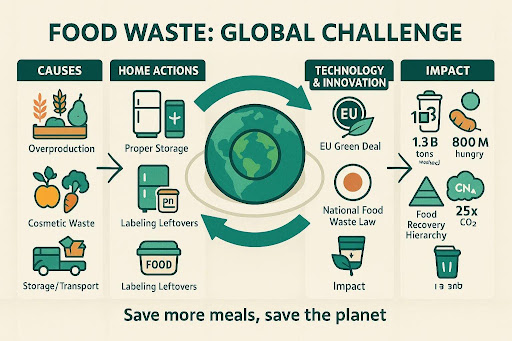
Reducing waste at home means making deliberate choices about what you buy, how you use items, and how you dispose of materials so less ends up in landfill and more stays in use. This guide lays out practical, evidence-backed actions you can start right away—how to compost, pick reusable products, prevent food waste, and sort recyclables properly. We reference National Waste Associates to show how household habits mirror commercial waste strategies and how those basic practices scale into measurable savings and diversion for larger operations; NWA’s role with the U.S. Zero Waste Business Council and the NWA360 client portal are examples of enterprise systems that reflect household measurement and tracking. You’ll get the 5 Rs framework, ten clear steps with quick-start tips, composting basics and system comparisons, and concise answers to common questions about plastics and zero waste living. Throughout, the language stays practical and actionable so you can begin cutting waste at home today and see both environmental and financial benefits over time.
Why Is Reducing Waste at Home Important for a Sustainable Lifestyle?
Cutting household waste reduces your environmental footprint by lowering the volume of material sent to landfill and the greenhouse gases tied to decomposition and production. Household waste reduction works through source reduction, reuse, and diversion—approaches that conserve resources and shorten the supply chain for new products, delivering both ecological and financial benefits. When households change buying and disposal habits, they send market signals that push manufacturers to reduce packaging and offer refill or bulk options, which can prompt community and corporate policy shifts. Understanding how small daily choices add up makes it easier to adopt the practical steps that follow.
What Are the Environmental and Economic Benefits of Waste Reduction?
Reducing waste cuts greenhouse gas emissions by lowering demand for new production and reducing landfill methane. On the household side, families save money through fewer purchases, longer-lasting products, and reduced trash-service needs; buying in bulk and switching to reusables typically lowers per-unit costs over time. Waste prevention also avoids disposal fees and the indirect costs of municipal waste services—savings that mirror commercial efficiencies when these practices are scaled. This mix of environmental and household economic benefits makes waste reduction a high-impact, practical part of a sustainable lifestyle .
How Does Home Waste Reduction Support Broader Sustainability Goals?
Household habits affect municipal diversion rates and corporate policies because aggregated consumer demand pushes retailers and manufacturers to rethink packaging and roll out circular solutions. When many households compost and reduce source waste, municipalities can justify investing in organics collection and businesses can scale reusable-packaging systems—accelerating progress toward circular-economy targets. In short, individual choices like composting and choosing minimal packaging are not isolated actions; they’re building blocks for regional zero-waste commitments and corporate sustainability metrics. The next section introduces the 5 Rs framework , which organizes those behaviors into practical daily choices.
What Are the 5 Rs of Waste Management and How Can You Apply Them at Home?
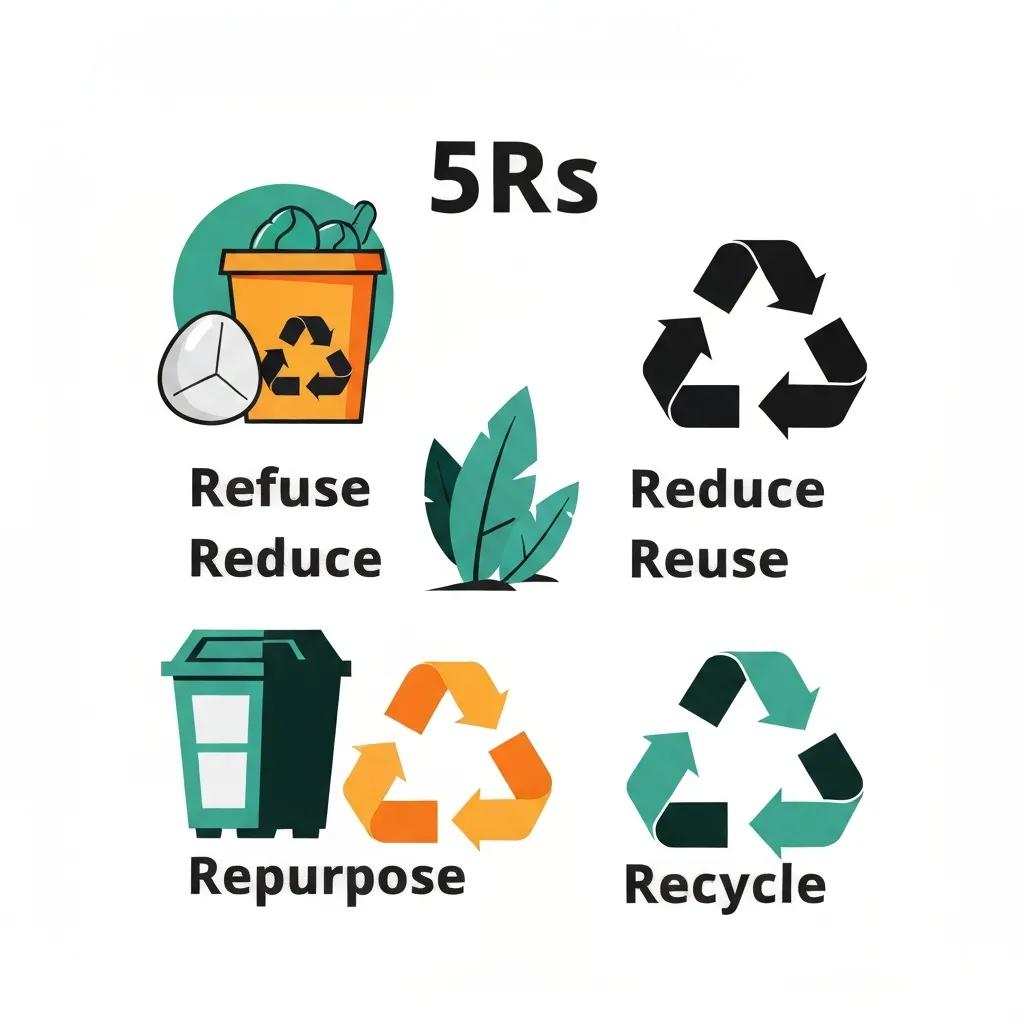
The 5 Rs—Refuse, Reduce, Reuse, Repurpose, Recycle—form a hierarchy that prioritizes preventing waste before recovery. Each R addresses a point in a product’s life: refusing unnecessary items cuts demand, reducing consumption limits material flow, reusing and repurposing extend useful life, and recycling recovers material value. Applying this framework at home focuses effort on the highest-impact moves first—like refusing single-use packaging—rather than relying only on recycling. Below are practical examples and a short benefits table that links each R to household actions and expected outcomes.
- Refuse : Politely decline single-use items—disposable cutlery, giveaway trinkets, and unnecessary packaging—at the point of sale.
- Reduce : Buy only what you need, opt for durable goods, and consolidate purchases to lower overall consumption.
- Reuse : Favor washable containers, repair what you can, and choose refillable products.
- Repurpose : Give jars, boxes, and worn clothing a second life before discarding.
- Recycle : Follow local recycling rules and remove contaminants so material streams stay useful.
| Principle | Household Action | Expected Environmental & Economic Benefit |
|---|---|---|
| Refuse | Decline single-use items and excess packaging | Reduces upstream resource use and saves money on disposables |
| Reduce | Buy fewer, higher-quality items; avoid impulse purchases | Decreases consumption and long-term replacement costs |
| Reuse | Use durable containers and refill systems | Extends product life and cuts purchase frequency |
| Repurpose | Turn old textiles into rags or storage | Delays disposal and reduces demand for new goods |
| Recycle | Sort correctly and avoid contamination | Recovers material value and supports closed-loop systems |
How Do Refuse and Reduce Help Minimize Household Waste?
Refusing items at the source keeps materials from entering your home’s waste stream in the first place—simple habits like saying no to single-use bags or promotional samples immediately reduce waste. Reducing consumption shifts buying patterns: choose concentrated or multipurpose products, select durable over disposable items, and avoid impulse purchases. Both approaches save money and lower environmental impacts by cutting manufacturing, transport, and disposal needs. These upstream strategies lead naturally into practical ways to reuse, repurpose, and recycle what you already own.
What Are Practical Ways to Reuse, Repurpose, and Recycle at Home?
Reusing turns single-use items into multi-use ones—use glass jars for storage, wash and reuse produce bags, and repair instead of replace. Repurposing converts items into new household tools—old T-shirts become rags, pallets become planters—extending useful life and delaying disposal. Recycling works when sorting is correct and contamination is avoided: rinse food residue, flatten boxes, and keep soft plastics out of curbside streams where they’re not accepted. Taken together, these approaches cut waste volumes and create opportunities to donate or resell items instead of throwing them away.
What Are 10 Practical Steps to Reduce Waste at Home?
Below are ten high-impact steps you can put into practice to reduce household waste, with short how-to notes so you can prioritize based on ease and impact. These focus on common waste sources—food, plastics, packaging, textiles, paper, and electronics—and include quick-start tips that work in most homes. Implement them gradually, track progress with simple indicators (fewer trash bags, lower grocery spend), and iterate as you learn. The list below is ordered for clear execution .
- Start a home compost system to divert food scraps and yard waste and produce nutrient-rich soil.
- Switch to reusable kitchen items like cloth towels, metal straws, and silicone food covers.
- Reduce single-use plastics by choosing refill options and avoiding products with excessive plastic packaging.
- Plan meals and store food properly to prevent spoilage and cut food waste.
- Buy in bulk or refill when practical to lower per-unit packaging waste and cost.
- Choose eco-friendly product swaps such as concentrated cleaners and longer-lasting textiles.
- Sort and clean recyclables to avoid contamination; use special collection for electronics and batteries.
- Repurpose or donate items before discarding to extend useful life and support circular markets.
- Cut paper and electronic waste using digital billing, secure data wiping, and responsible e-waste recycling.
- Build sustainable habits with household routines, tracking, and small incentives to keep changes lasting.
Remember: reusable alternatives often cost more up front but usually save money and resources over their lifetime. The table below compares common single-use items with durable alternatives and practical tips for switching .
| Item to Replace | Reusable Alternative | Cost/Benefit & Tips |
|---|---|---|
| Plastic grocery bags | Reusable fabric bags | Higher initial cost, long-term savings; keep a few in the car so you don’t forget |
| Single-use bottles | Stainless steel or glass water bottle | Durable, reduces plastic waste and microplastic exposure |
| Plastic wrap | Beeswax or silicone food covers | Reusable and breathable for produce; wash after use |
| Disposable coffee cups | Insulated reusable mug | Reduces daily waste; many cafés offer discounts for your cup |
| Paper towels | Cloth towels and sponges | Washable and lower ongoing cost; keep paper towels for specific messes |
How Can You Master Composting to Reduce Food Waste?
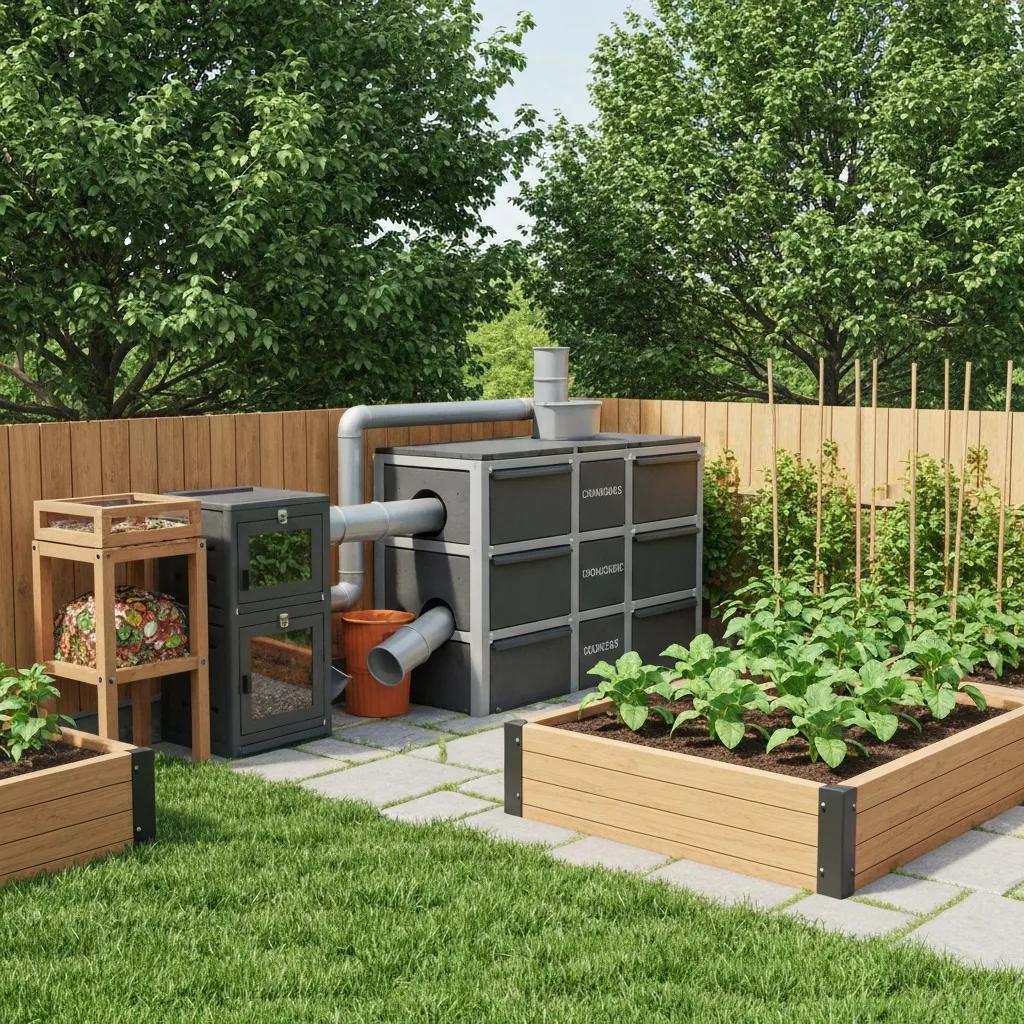
Composting turns food scraps and yard waste into a valuable soil amendment, cutting landfill methane and boosting garden health. Choose a method that fits your space—a tumbler for small yards, a cold pile for larger yards, or a worm bin (vermicomposting) for indoor setups—and keep a balance of greens (food scraps) and browns (dry leaves, paper) for aerobic breakdown. Turn or aerate as required and keep moisture at about a wrung-out sponge level to avoid odors and pests; avoid meat, dairy, and oily foods in basic home systems. With a little practice, composting will substantially reduce food waste while delivering real benefits to soil and plants.
Evidence shows that focusing on food waste, home composting, and bulky items can achieve the largest tonnage reductions from landfill. Diversion: How to Keep Waste Out of Landfills
Household Waste Prevention: Evidence on Food Waste and Composting UK research indicates the biggest tonnage diversions are possible with interventions on food waste, home composting, and bulky waste. Remaining evidence gaps relate to establishing robust, comparable measures across programs.
| Compost Method | Materials Accepted / Space Required / Maintenance | Best Use Case & Benefit |
|---|---|---|
| Backyard bin | Fruit/veg scraps, yard waste / medium space / moderate turning | Best for homes with outdoor space; yields bulk compost for garden beds |
| Tumbler | Similar materials / compact / easy turning | Good for small yards; speeds decomposition and keeps handling tidy |
| Vermicompost (worms) | Fruit/veg scraps, coffee grounds / small indoor unit / regular harvesting | Ideal for apartments; produces nutrient-rich castings for potted plants |
Choose the system that fits your space and output goals—each option diverts food waste and returns nutrients to soil while cutting household trash .
Which Reusable Alternatives Can Replace Single-Use Plastic Products?
Switching single-use plastics for durable alternatives reduces visible waste and the embedded impacts across a product’s life. High-impact swaps include stainless steel bottles, glass storage jars, cloth produce bags, beeswax wraps instead of plastic film, and refillable soap dispensers. Think about maintenance and hygiene—choose dishwasher-safe items, replace worn seals, and set a cleaning routine so reusables stay convenient. A few strategic swaps tackle frequent small wastes and add up to meaningful reductions over months.
Life-cycle assessments have broadly evaluated the environmental benefits of moving from single-use to reusable products in healthcare .
Switching to Reusable Products: Environmental Impact Assessment Replacing single-use products with reusable ones can lower environmental impacts. This systematic review examined cradle-to-grave life-cycle assessments comparing single-use and reusable healthcare products to assess changes in environmental impact after substitution.
How Can You Minimize Plastic Use in Your Household?
Reduce plastic at the source: choose products with minimal or recyclable packaging, favor glass or metal when possible, and support refill stations for cleaning and personal-care products. At home, store bulk goods in glass jars and use silicone bags for leftovers to cut single-use plastic dependence. Know your local recycling rules for plastic types and avoid contaminating recycling streams with mixed-material packaging. These procurement and storage choices lower plastic demand and make reuse and recycling easier over time.
What Are Effective Strategies to Prevent Food Waste at Home?
Prevent food waste with intentional planning: design meal plans that reuse ingredients, rotate pantry and fridge items using FIFO (first in, first out), and label containers to track freshness. Use apps or a kitchen whiteboard to track perishables and create weekly “use-it-up” meals for items nearing their use-by dates. Repurpose leftovers into soups or freeze them for later—turning potential waste into reliable meal options. These practices cut grocery bills and the environmental impact tied to producing and discarding food. Strategies to minimize waste
How Can Bulk Shopping and Minimal Packaging Help Reduce Waste?
Buying in bulk and choosing minimal packaging reduce per-unit packaging and often cost, thanks to economies of scale; bring reusable containers when stores allow refills to maximize reductions. Plan quantities to avoid overbuying perishables and consider sharing bulk items with neighbors to lower waste risk. Store bulk goods in airtight containers to preserve freshness and control portions. These choices reduce household packaging waste and signal demand for refill and low-packaging options to retailers.
What Eco-Friendly Product Swaps Can You Make for a Greener Home?
Eco-friendly swaps go beyond plastics and include concentrated cleaners, natural personal-care products, and durable textiles like organic cotton or hemp towels. Concentrated cleaners cut packaging and transport emissions, while higher-quality textiles last longer and reduce replacement frequency. Consider lifecycle impacts—sometimes a higher upfront cost pays off through longevity and less waste. Thoughtful product selection reduces purchase frequency and the volume of discarded items over time.
How Can You Properly Sort and Recycle Household Waste?
Start recycling correctly at the sink: rinse food residue, remove non-recyclable components, and flatten cardboard to save space. Learn your municipality’s rules for plastics and mixed materials, and direct electronics, batteries, and hazardous household items to specialized collection streams rather than curbside bins. Avoid “wishful recycling,” which contaminates loads and undermines processing systems. Proper sorting improves material recovery and supports circular-economy outcomes .
What Are Simple Ways to Repurpose Household Items?
Repurposing keeps items in use longer by finding new functions: use jars as seedling pots, turn worn clothing into cleaning rags, or refinish old furniture for a fresh look. Host a swap or list items on resale platforms to give goods a second life and keep them out of landfill. These actions conserve resources, spark creativity, and reduce disposal frequency— repurposing complements reuse and donation as practical household waste-prevention tactics.
How Can You Reduce Paper and Electronic Waste at Home?
Cut paper waste by switching to digital statements, unsubscribing from junk mail, and printing double-sided only when necessary. For e-waste, securely wipe personal data before recycling and send devices to certified e-waste recyclers or retailer take-back programs. Extend device lifespans with upgrades and repairs when possible rather than replacing. These approaches protect privacy, conserve resources, and reduce environmental harm from electronics manufacturing and disposal.
What Habits Support Long-Term Waste Reduction and Sustainability?
Long-term waste reduction depends on routines: schedule weekly meal planning, keep a compost habit, store a refill kit in your car, and set simple household targets like reducing trash-bag use. Track progress with basic metrics (trash bags per month, grocery spend, compost volume) and assign small responsibilities to family members so everyone shares ownership. Celebrate milestones and iterate on systems to keep improvements durable. Habit formation turns one-off actions into sustained lifestyle changes that compound benefits over time.
How Can You Start Composting at Home: Basics and Benefits?
Begin composting by choosing a system that fits your space and committing to a simple maintenance routine: balance greens and browns, provide aeration, and monitor moisture. The main benefit is diverting organics from landfill—where they produce methane—and returning nutrients to soil , which improves water retention and reduces the need for synthetic fertilizers. Start by collecting kitchen scraps, yard trimmings, and dry paper while excluding meat and dairy in basic systems to avoid odors and pests. The subsections below detail acceptable materials and step-by-step setup and maintenance guidance to keep your system working reliably.
Composting turns organic waste into useful resources at the household scale and requires attention to process parameters and bin design.
Home Composting: Configurations, Design, and Benefits of Organic Waste Transformation A large portion of municipal solid waste is organic material that can be converted into valuable resources. Composting is promoted as an environmentally friendly solution—especially at the household level—because homes generate a significant share of organic waste. Producing quality compost efficiently requires understanding process parameters, mechanisms at work, and factors that affect output. Bin design—shape, aeration, temperature, moisture, C/N ratio, pH, and microbial activity—also influences results.
What Materials Are Suitable for Home Composting?
Good compost inputs include fruit and vegetable scraps, coffee grounds, eggshells, yard trimmings, leaves, shredded paper, and cardboard—these balance nitrogen-rich greens and carbon-rich browns. Avoid meat, dairy, oily foods, and diseased plants in simple backyard or indoor systems because they attract pests and disrupt decomposition. Shredding larger items and combining moist and dry materials speeds microbial activity and reduces odors. Knowing what to include simplifies daily sorting and keeps compost productive.
How Do You Set Up and Maintain a Compost Bin?
Place the bin in a semi-shaded, accessible spot and start with a base layer of coarse browns to promote airflow. Add a mix of greens and browns as scraps are produced, and turn or aerate on a schedule that matches your system type to keep oxygen levels up. Check moisture—aim for the feel of a wrung-out sponge—and add water or dry material to correct imbalances. Troubleshoot common issues: add more browns for odors, increase aeration if decomposition stalls, and secure lids to deter wildlife. With simple checks and a routine turning rhythm, composting becomes low-effort and returns value to gardens and potted plants .
How Can Sustainable Home Waste Practices Inform Commercial Waste Management?
Household waste practices—source reduction, composting, reusables, and correct sorting—translate directly into commercial opportunities by demonstrating how upstream prevention and basic measurement produce diversion and cost savings. For businesses, tactics like portion control (the commercial parallel to meal planning), reusable serviceware, and organics collection apply the same principles but require vendor coordination, contract audits, and performance tracking across sites. National Waste Associates applies these scaling principles for multi-location enterprises—offering vendor management, invoice audits, and reporting tools that turn waste reduction into measurable ROI while ensuring compliance and operational efficiency.
What Lessons Can Businesses Learn from Household Waste Reduction?
Businesses can scale household lessons—refusing unnecessary packaging, standardizing reusable items, and tracking diversion—through procurement policies and staff training across locations. Meal planning mirrors inventory control in food-service operations and can sharply reduce food waste and service costs; small behavior changes multiplied across sites add up to significant savings. Consistent tracking and standard procedures ensure reliable results, and the habit-building discipline of household routines maps directly to operational playbooks businesses can deploy company-wide .
How Does National Waste Associates Support Sustainable Waste Solutions for Businesses?
National Waste Associates helps multi-location clients reach cost, efficiency, compliance, and diversion goals by auditing invoices to uncover billing errors (often producing up to 15-20% in savings), managing vendor relationships through a network of over 3,500 haulers, and centralizing compliance oversight. The NWA360 client portal offers tailored reporting and transparency so organizations can monitor diversion and vendor performance across hundreds or thousands of locations, enabling enterprise-grade sustainability and operational decisions. For businesses ready to scale household-style prevention into measurable programs, contacting National Waste Associates starts an audit and assessment to identify cost-saving and diversion opportunities across locations.
What Are Common Questions About Reducing Waste at Home?
This FAQ-style section answers common people-also-ask questions with concise, actionable guidance and points back to the practical steps earlier in the guide. Each short answer focuses on immediate actions you can take—five starter moves, a phased path toward zero waste , and targeted tips for cutting plastic use.
What Are 5 Easy Ways to Reduce Waste at Home?
Five simple, high-impact actions to begin today: start a small compost container for food scraps; switch to a reusable water bottle and coffee mug; carry a reusable shopping bag and produce sack; plan weekly meals to cut food spoilage; and choose concentrated cleaners or refill options to reduce packaging. Each requires little time or money and quickly lowers common household waste streams. These basics build momentum for larger changes like bulk buying or setting up a permanent compost system .
How Do You Live a Zero Waste Lifestyle at Home?
Adopting a zero-waste lifestyle is a phased journey: begin with starter actions (reusables, composting, meal planning), progress to intermediate steps (bulk buying, eco-friendly replacements, regular repairs and donations), and advance to deeper measures (refill-only purchasing, home inventory control, and community advocacy). Set realistic targets and track simple metrics so progress stays measurable and sustainable; involve household members and celebrate milestones to keep motivation high . Use local networks for swaps, repairs, and drop-off options to maintain momentum toward deeper waste reductions.
How Can You Reduce Plastic Waste Effectively?
Focus plastic reduction at purchase: avoid heavily packaged products, choose refill or bulk options, and prefer glass, metal, or paper when suitable. Replace frequent single-use items with durable alternatives and segregate plastics correctly at end-of-life to avoid contamination. Use take-back or deposit programs for items that are hard to recycle. Combining smarter purchases with improved storage and reuse habits yields meaningful reductions in plastic volume and drives demand for lower-plastic packaging. waste minimization .
This guide provides a clear plan to reduce waste at home through the 5 Rs, ten practical steps, composting basics, and habit-building strategies that lower household costs and support wider sustainability goals. Implement these methods step by step, measure simple metrics like trash volume and grocery spend, and consider how home systems translate to workplace programs—enterprises often scale these same principles with vendor management and reporting platforms that convert behavior change into measurable ROI.
Frequently Asked Questions
What are some common misconceptions about composting at home?
Many people think composting is complicated or needs a lot of space, but it can be simple and compact—vermicomposting uses worms and works indoors. Others assume composting is only for food scraps, but yard waste, paper, and some biodegradable items can be included. Learning a few basics makes composting accessible for most households .
How can I involve my family in waste reduction efforts?
Make waste reduction a shared activity: assign small tasks like sorting recyclables or tending the compost, run a family challenge to cut waste for a week, and talk about sustainability at meals. Sharing responsibility and celebrating small wins helps create teamwork and lasting commitment.
What are the best practices for recycling electronics at home?
Handle e-waste carefully: securely wipe personal data before recycling, find certified e-waste recyclers in your area, and use retailer take-back programs when available. Don’t throw electronics in regular trash—many devices contain hazardous materials. Responsible recycling recovers valuable materials and prevents pollution. For more information on sustainable practices, read about sustainable waste management .
How can I track my waste reduction progress effectively?
Track progress with simple metrics: measure weekly trash volume and record changes after new practices. Use a journal or app to log compost volume, recycling rates, and money saved. Set measurable goals—like reducing trash by a percentage—and review progress regularly to stay motivated .
What are some creative ways to repurpose items at home?
Repurposing can be practical and fun: turn old T-shirts into shopping bags or rags, use glass jars for pantry storage or herb planters, and convert pallets into furniture or raised garden beds. DIY projects extend item lifespans and add character to your home.
How can I educate others about waste reduction?
Share your experience and results to inspire others. Host workshops or community events on composting or reusable DIY projects, use social media to spread tips, and partner with local schools or community centers to reach more people. Practical demonstrations and local resources make it easier for others to act.
What are the long-term benefits of adopting a sustainable lifestyle?
Long-term benefits include lower environmental impact, ongoing cost savings, and improved well-being. Minimizing waste reduces greenhouse gas emissions and conserves resources. Economically, sustainable habits often mean lower bills and less spending on disposables. Socially, sustainability fosters stronger community ties and shared purpose.
Conclusion
Taking practical steps to reduce waste at home benefits the environment and your household budget. By following the 5 Rs and making deliberate choices, you can support broader sustainability goals while improving daily life. Start small, use the resources here , and build momentum—together, small changes add up to meaningful impact for our planet.
About the author