Understanding the Zero Waste Lifestyle
Zero waste living isn’t about perfection—it’s about progress. The goal is simple: reduce what we send to landfills by rethinking how we consume, reuse, and recycle. This lifestyle challenges the throwaway culture and encourages mindful habits that protect our planet.
Zero-waste living encourages individuals to see “waste” as a design flaw rather than a necessity. By making small, intentional choices every day, anyone—especially beginners—can make a massive positive impact on the environment.
The 5 Rs of Zero Waste Living
The foundation of zero waste is built on the 5 Rs: The 5 Rs
- Refuse – Say no to single-use plastics and freebies you don’t need.
- Reduce – Simplify your life by buying less and choosing quality over quantity.
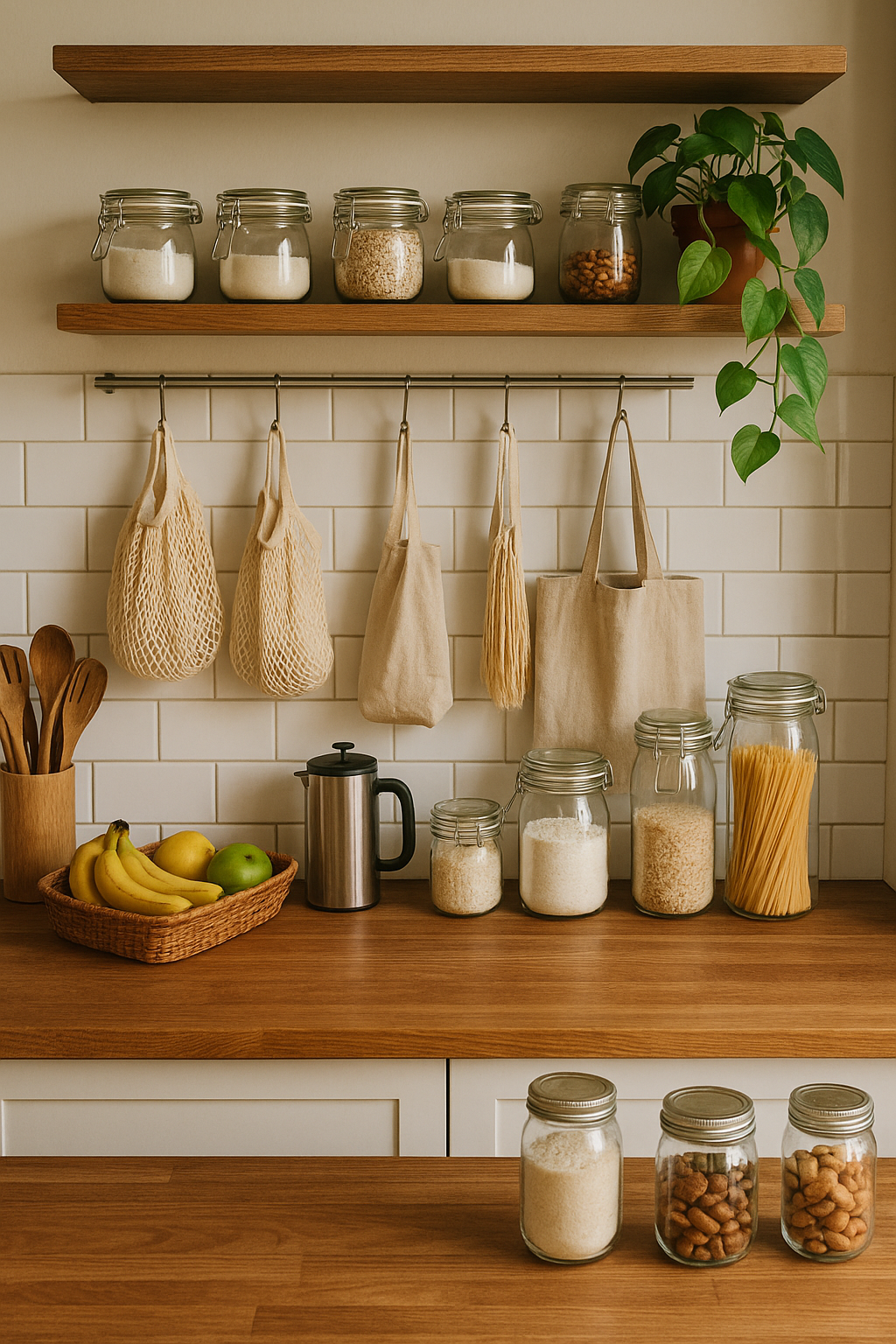
- Reuse – Opt for reusable bags, jars, and containers.
- Recycle – Only recycle what can’t be refused, reduced, or reused.
- Rot – Compost food scraps and biodegradable materials.
When beginners internalize these principles, they start making conscious choices that align with sustainability.
Why Going Zero Waste Matters
Transitioning to zero waste isn’t just good for the planet—it’s good for you, too. It reduces clutter, saves money, and promotes healthier living. By minimizing packaging and chemical exposure, you’re protecting your family’s health and supporting a circular economy. According to the EPA, the average American produces nearly 4.9 pounds of waste per day. Adopting a zero-waste lifestyle helps lower that number significantly.
Getting Started with Zero Waste Living

Starting small is key. You don’t need to overhaul your entire life overnight—just begin with what feels manageable.
Assessing Your Waste Footprint
Keep track of what you throw away for a week. You’ll quickly see patterns—whether it’s plastic bottles, paper towels, or food scraps—that can guide your first changes. food waste.
Setting Achievable Zero Waste Goals
Try setting SMART goals (Specific, Measurable, Achievable, Relevant, Time-bound). For example:
- “I’ll bring my own coffee cup three times this week.”
- “I’ll switch to a bamboo toothbrush this month.”
Small steps create momentum and build confidence.
Practical Zero Waste Living Tips for Beginners
Kitchen and Grocery Shopping Tips
- Shop at bulk stores with reusable containers.
- Choose loose produce instead of plastic-wrapped items.
- Compost food waste to return nutrients to the soil.
- Store leftovers in glass jars instead of plastic wrap.
Bathroom and Personal Care Tips
- Replace plastic razors with safety razors.
- Use bar soap and shampoo bars instead of bottled products.
- Try bamboo toothbrushes and toothpaste tablets.
- Swap cotton pads for washable cloths.
Clothing and Laundry Tips
- Buy secondhand or thrifted clothing.
- Use wool dryer balls instead of disposable sheets.
- Wash clothes in cold water to save energy.
- Mend and repair clothing instead of discarding it.
Office and Home Organization Tips
- Go paperless whenever possible.
- Use refillable pens and digital planners.
- Donate or recycle old electronics responsibly.
Budget-Friendly Zero Waste Hacks
Zero waste doesn’t have to mean expensive. In fact, it often saves money over time. Try making DIY cleaning products using vinegar, baking soda, and lemon juice. Create reusable food wraps with beeswax or fabric scraps. These not only reduce packaging waste but also save you from constantly buying disposables—sustainable waste management.
Common Challenges in Zero Waste Living
Handling Criticism and Eco Fatigue
It’s normal to face pushback or fatigue, especially when others don’t understand your choices. Focus on your “why”—the reason you started. Celebrate small wins and remember, perfection isn’t the goal— progress is .
Zero Waste Community and Resources
Join local sustainability groups, follow eco-bloggers, or listen to podcasts like The Zero Waste Countdown. The Zero Waste International Alliance also offers great educational materials to keep you inspired. (Visit us for practical guidance.)
Conclusion: Small Changes, Big Impact
Embracing zero-waste living tips for beginners doesn’t require perfection—just intention. Every reusable bag, composted banana peel, and glass jar used makes a difference. When millions of people do small things imperfectly, the impact is monumental. Start today, and watch how mindful living transforms not just your home—but your entire mindset.
About the author