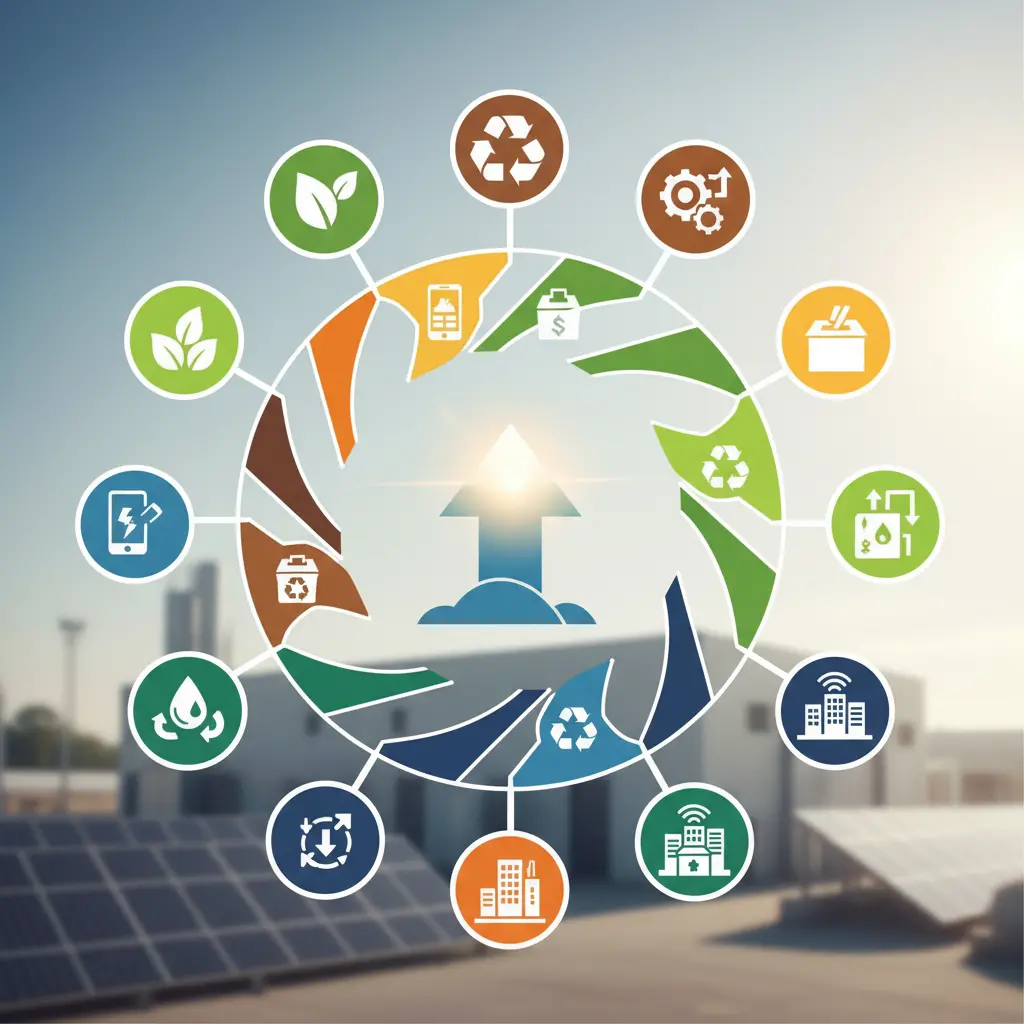
What is Landfill Diversion?
Landfill diversion techniques refer to strategies and methods used to reduce the amount of waste sent to landfills. Instead of dumping waste, these techniques aim to reuse, recycle, compost, or convert waste into energy.
Why Landfill Diversion Matters
Landfills are filling up rapidly, causing environmental damage and health risks. By applying landfill diversion techniques, communities can significantly reduce pollution and conserve natural resources.
Environmental Impact of Landfills
Pollution and Greenhouse Gas Emissions
Landfills release methane, a potent greenhouse gas that contributes to climate change. Toxic chemicals can also seep into soil and groundwater.
Effects on Wildlife and Ecosystems
Animals often ingest waste or become trapped in landfill sites, disrupting ecosystems and biodiversity.
Core Landfill Diversion Techniques
Recycling Programs
Recycling is one of the most effective landfill diversion techniques. Materials like paper, plastic, glass, and metal can be reprocessed into new products.
Composting Organic Waste
Organic waste, such as food scraps and yard waste, can be composted to create nutrient-rich soil.
Waste-to-Energy Conversion
This process involves converting waste materials into usable energy like electricity or heat.
Reuse and Repurposing
Instead of discarding items, reusing extends product life and reduces waste.
Advanced Diversion Strategies
Industrial Symbiosis
Industries collaborate to use each other’s waste as resources, reducing overall waste production.
Zero Waste Initiatives
Zero-waste programs aim to eliminate waste entirely through sustainable design and consumption.
Circular Economy Models
A circular economy focuses on keeping materials in use for as long as possible.
Role of Technology in Waste Diversion
Smart Waste Management Systems
Sensors and data analytics optimize waste collection and sorting processes.
AI and Automation in Recycling
AI-powered systems improve sorting accuracy and efficiency in recycling facilities.
Community Involvement and Education
Public Awareness Campaigns
Educating the public is essential to the successful implementation of landfill diversion techniques.
School and Corporate Programs
Programs in schools and businesses encourage responsible waste practices.
Government Policies and Regulations
Waste Management Laws
Governments enforce regulations to control waste disposal and promote recycling.
Incentives and Penalties
Tax benefits and fines encourage compliance with diversion practices.
Challenges in Implementing Diversion Techniques
Cost and Infrastructure
Setting up recycling and composting systems requires significant investment.
Behavioral Barriers
Public habits and lack of awareness can hinder progress.
Benefits of Effective Diversion
Environmental Benefits
- Reduced pollution
- Lower greenhouse gas emissions
- Conservation of resources
Economic Advantages
- Job creation
- Reduced waste management costs
- New business opportunities
Future Trends in Waste Management
Sustainable Innovations
New technologies are making waste management more efficient and eco-friendly.
Global Waste Reduction Goals
Countries worldwide are adopting aggressive waste reduction targets.
FAQs About Landfill Diversion Techniques
1. What are landfill diversion techniques?
They are methods used to reduce waste sent to landfills through recycling, composting, and reuse.
2. Why are landfill diversion techniques important?
They help protect the environment, reduce pollution, and conserve resources.
3. What is the most effective diversion method?
Recycling and composting are among the most widely used and effective techniques.
4. Can individuals contribute to landfill diversion?
Yes, by recycling, composting, and reducing waste at home.
5. What role does technology play?
Technology improves efficiency in sorting and managing waste.
6. Are landfill diversion techniques expensive?
Initial costs can be high, but long-term benefits outweigh the investment.
Conclusion
Landfill diversion techniques are essential for building a sustainable future. By adopting these strategies, individuals, businesses, and governments can significantly reduce waste and protect the environment. The shift toward smarter waste management is not just necessary—it’s inevitable.
About the author