9 Practical Tips to Streamline Commercial Waste Pickup — Ensure On‑Time Collections and Avoid Dumpster Rental Delays
By BKThemes
Reliable pickups keep multi-site operations moving. Missed or late collections drive up costs, risk compliance, and create unsightly buildup. These nine practical, field-tested tips help you tighten your pickup process — from focused waste audits to smarter schedules and clearer vendor communication. Use them to cut rental emergencies, keep sites tidy, and lower operational risk.
How does a thorough waste audit improve on-time pickups for multi-location operations?
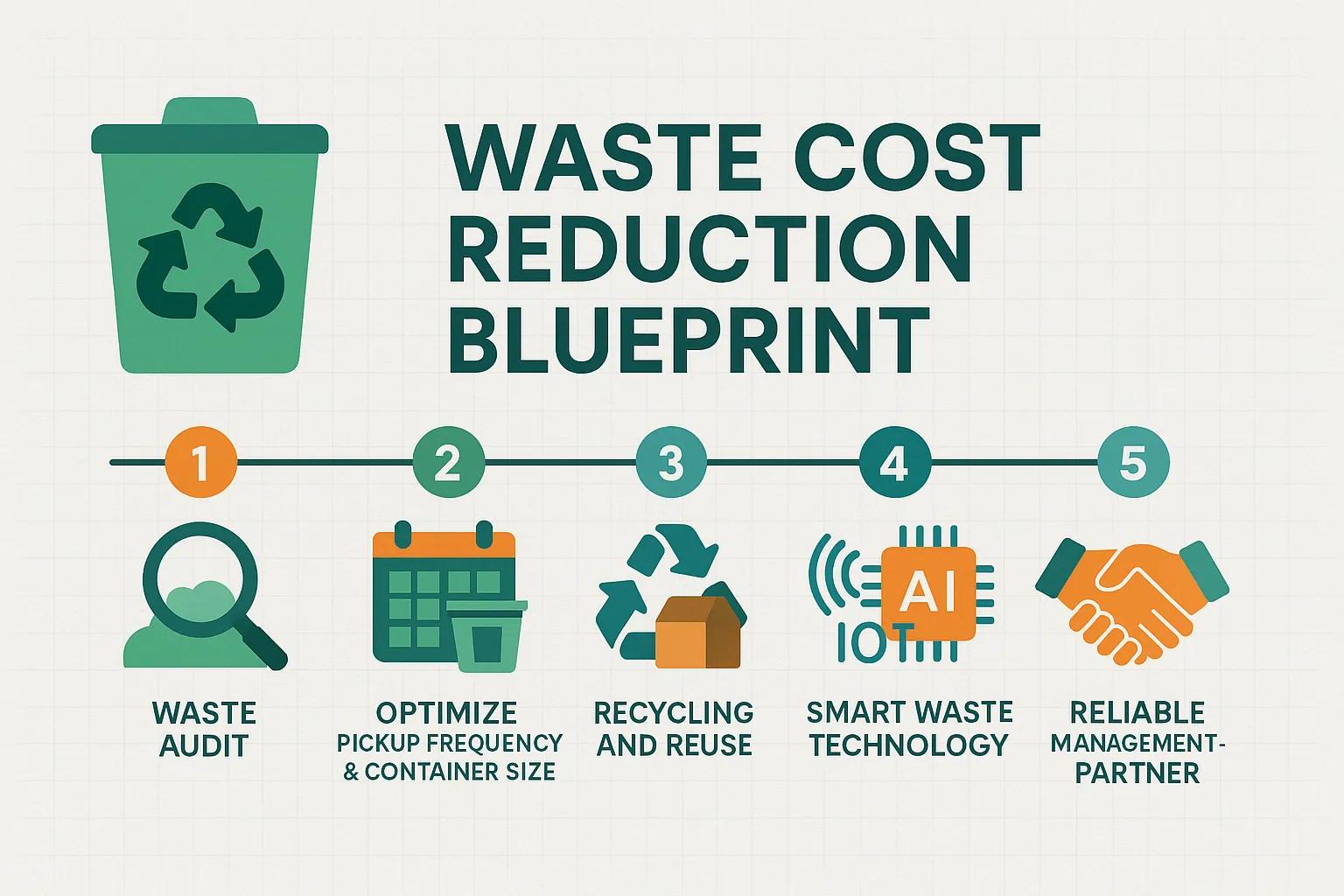
A thorough waste audit shows what each location throws away, where it comes from, and how much it costs to handle. It clarifies waste streams and pinpoints practical changes. With that data, you can right-size services, reduce unnecessary pickups, and prevent surprise overflows. Regular audits also support compliance and sustainability goals.
What are the core elements of a commercial waste audit?
 A solid audit covers:
- Identification of Waste Streams: Catalog materials by type—recyclables, organics, and general waste—and track where they originate.
- Analysis of Waste Disposal Costs: Break down hauling, rental, and disposal fees to surface savings opportunities.
- Actionable Recommendations: Prioritized steps—process tweaks, container changes, and recycling options—to improve service and lower costs.
Together, these steps let you manage waste proactively, prevent overflows, and reduce operational disruptions.
How can you optimize pickup frequency and schedules to prevent dumpster rental delays?
Align pickup days and frequency with each site’s waste patterns. Use audit data and historical trends to shift collections away from predictable peak times. The result is fewer emergency hauls, fewer missed pickups, and more reliable service.
What seasonal adjustments improve collection efficiency?
Seasonal events—holidays, promotions, or weather—often cause short-term spikes. Plan temporary service increases for known peaks and scale back during slow periods. Preparedness keeps containers manageable and avoids last-minute rentals.
How does right-sizing containers reduce pickup delays?
Right-sizing matches container type and capacity to actual site volumes. Too-small containers cause overflows and emergency calls; too-large units waste rental dollars. Find the right balance, and pickups stay on schedule.
National Waste Associates (NWA) partners with businesses to tailor commercial waste and recycling services to each location’s needs.
What are the best practices for container placement and site accessibility to ensure timely collection?
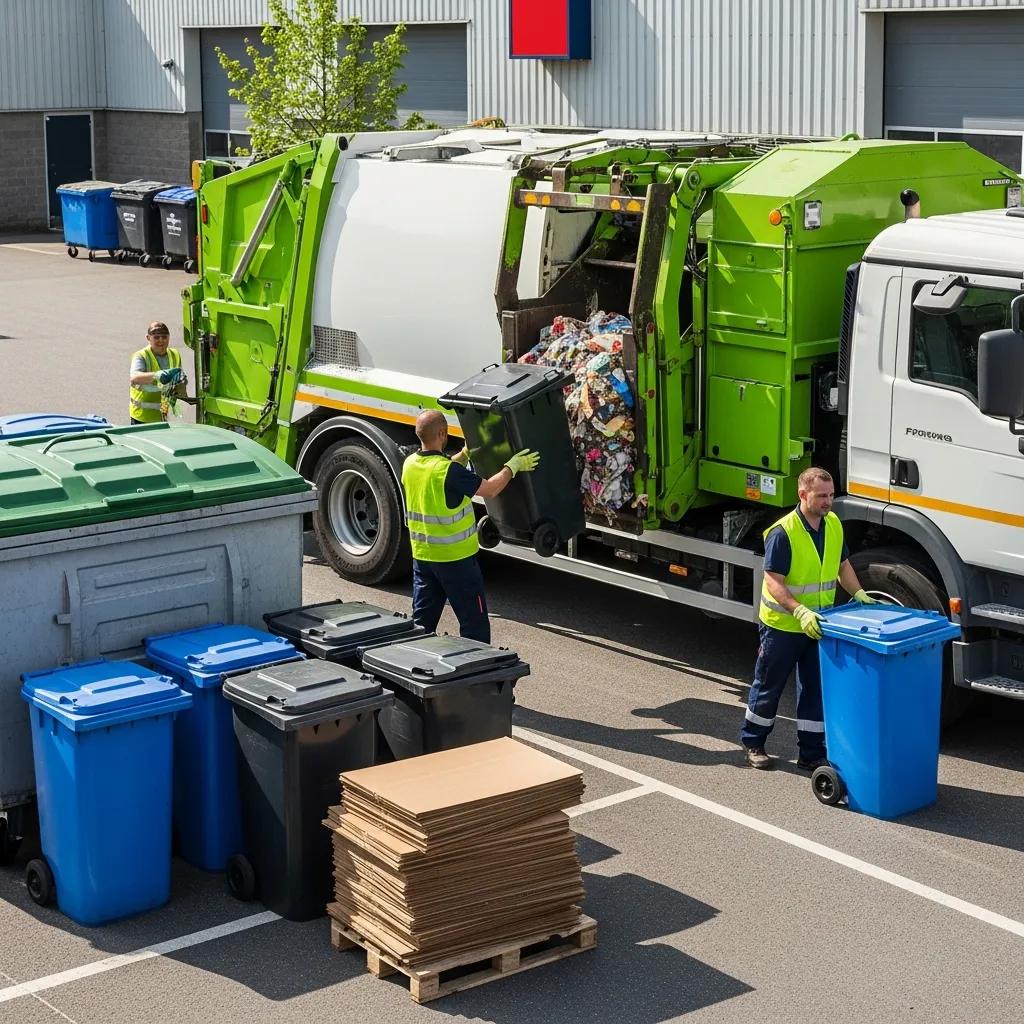
Placement matters. Put containers where drivers can reach them quickly without navigating obstacles. Smart placement shortens service time and lowers the chance of missed pickups. Cost reduction solutions are essential in this context.
How do you ensure clear access for waste haulers at every location?
Make sure waste haulers have clear access by: waste management services
- Identify Access Points: Map safe, vehicle-friendly routes for collection trucks.
- Conduct Routine Site Inspections: Check for new obstructions—parked cars, stored items, or landscaping—that could block access.
- Maintain Clear Pathways: Remove debris and temporary items so drivers can service containers without delay.
Regular inspections and quick fixes keep service reliable across sites.
What are the guidelines for safe, efficient commercial dumpster placement?

Guidelines for safe and efficient dumpster placement include:
- Distance from Buildings: Leave enough clearance to prevent damage and allow safe servicing.
- Avoid High-Traffic Areas: Position containers where trucks can stop without blocking operations or creating hazards.
Following these rules reduces safety risks and speeds up pickups.
How does proper waste segregation support efficient collection and prevent delays?
Separating waste streams lowers contamination, speeds sorting, and improves recycling rates—so haulers can collect without delays or rejected loads.
What are common waste categories and segregation mistakes to avoid?
Common waste categories include:
- Recyclables: Paper, plastics, metals, and glass—keep them clean and dry.
- Organic Waste: Food scraps and yard waste—compost where accepted.
- General Waste: Non-recyclable materials destined for landfill.
Typical mistakes are mixing recyclables with trash or using unclear labels. Clear labeling and focused staff training reduce contamination and help keep pickups on schedule.
How can strong communication and vendor management prevent rental delays?
Clear, proactive communication with vendors prevents misunderstandings that lead to missed pickups or unexpected rentals.
What communication strategies create productive dialogue with waste providers?
Strategies that work include:
- Regular Updates: Tell providers about planned events, seasonal spikes, or site changes.
- Feedback Loops: Share service performance and address issues during scheduled reviews.
Open communication builds accountability and helps vendors align service to your needs.
How does understanding contracts and billing help avoid delays?
Know the details of your service agreements and invoices, so surprises don’t interrupt service. Businesses should understand waste management vendor contracts.
- Review Key Contract Elements: Confirm service frequency, pickup windows, and responsibilities.
- Identify Additional Fees: Watch for overtime, contamination, and rental penalties so you can avoid them.
Proactive contract management prevents billing disputes and service gaps.
How can waste management technology improve pickups and scheduling?
Modern tools give visibility into container status and pickup performance, enabling smarter scheduling and fewer emergencies.
What benefits do NWA360 and automated scheduling systems provide?
NWA360 and automated scheduling systems deliver practical benefits, including:
- Real-Time Tracking: View pickup status and container fullness across sites.
- Data-Driven Insights: Use usage trends to set optimal pickup cadence and reduce costs.
These tools let you respond before a problem becomes an emergency.
Frequently Asked Questions
What are the environmental benefits of optimizing commercial waste pickup?
Better pickup practices reduce landfill volume and lower greenhouse gas emissions by increasing recycling and composting. Timely collections also prevent contamination and improve diversion rates, helping your company meet sustainability targets and regulatory requirements.
How can businesses train staff to improve waste management practices?
Keep training short and repeatable: clear sorting rules, consistent container labeling, and basic site-access guidelines. Use quick-reference posters, brief hands-on sessions, and seasonal refreshers to keep standards steady.
What role does local legislation play in commercial waste management?
Local regulations set sorting, reporting, and disposal requirements. Staying current avoids fines, ensures compliance, and can reveal local recycling programs or incentives to leverage.
How can businesses measure the effectiveness of their waste management strategies?
Track KPIs like diversion rate, recycling rate, missed pickups, and hauling costs. Combine periodic waste audits with software dashboards to monitor trends and quantify savings from operational changes.
What are the potential costs associated with poor waste management?
Poor waste management can increase hauling fees, trigger fines, harm reputation, and attract pests. Emergency pickups and frequent rentals also raise operating costs. Preventive planning and the right service mix reduce those risks.
How can businesses collaborate with waste management vendors for better service?
Treat vendors as partners: hold regular meetings, share volume forecasts, agree on service-level targets, and use shared reporting. Collaboration produces tailored service and fewer surprises.
Conclusion
Efficient commercial waste pickup lowers costs, cuts risk, and keeps operations running smoothly. Use waste audits, clearer vendor communication, and targeted technology to keep pickups on time and avoid dumpster rental delays. Contact NWA to discuss a customized waste plan that makes your sites cleaner, safer, and more cost‑effective.
About the author