Choosing reclaimed wood can slash your project’s carbon footprint by up to 50% compared to new lumber, making it a cornerstone of green living and construction. This guide explores how reclaimed wood helps prevent deforestation, reduces energy consumption, preserves historical charm, and keeps waste out of landfills. We’ll also demonstrate why efficient dumpster rental from National Waste is essential for large-scale, eco-conscious projects. You’ll learn about:
- Top environmental perks: saving forests, cutting carbon, boosting the circular economy
- Practical and design advantages: lasting strength, unique looks, healthier indoor air
- Waste management essentials: waste streams, recycling strategies, LEED support
- How National Waste helps: custom dumpster solutions, eco-friendly diversion, compliance, and savings
- Common questions: sustainability comparisons, terminology, handling project waste
- Industry impact: certifications, biodiversity, economic incentives
- Visual aids: infographics, case studies, videos for sorting and rentals
By combining insights on sustainable materials with expert waste management, this guide highlights reclaimed wood as a powerful tool for greener buildings—and positions National Waste as your partner for site compliance and cost-effective dumpster rentals.
What Are the Key Environmental Benefits of Using Reclaimed Wood?
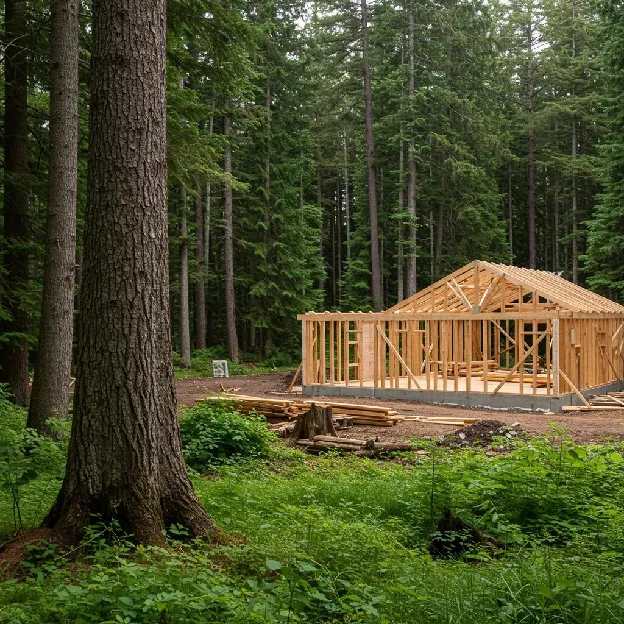
Reclaimed wood offers three main environmental wins: it reduces deforestation, lowers carbon emissions, and minimizes landfill waste. As businesses increasingly prioritize materials that align with their sustainability goals, reclaimed timber stands out as a high-impact option. It gives existing structural wood a new life, conserves natural forests, and supports a circular economy by keeping carbon locked away in durable building components. These benefits are fundamental to sustainable living strategies across commercial developments.
How Does Reclaimed Wood Reduce Deforestation and Preserve Forests?
- It saves old-growth forests by lessening the demand for new lumber.
- It protects biodiversity by helping to maintain forest habitats.
- It preserves the carbon stored in mature trees, preventing its release.
Through these actions, reclaimed wood plays a vital role in long-term forest conservation and ecological balance, naturally leading to its contribution to carbon footprint reduction.
In What Ways Does Reclaimed Wood Lower Carbon Footprint and Energy Consumption?
Reclaimed wood cuts down on carbon emissions by eliminating the energy-intensive processes of logging, milling, and transporting new timber. Its lifecycle uses up to 60% less energy than virgin lumber, and it keeps existing carbon sequestered in building materials for decades. By opting for reclaimed materials, projects significantly reduce greenhouse gas emissions and achieve measurable energy savings—setting the stage for broader landfill diversion benefits.
This study quantifies the reduced carbon footprint of recycled wood products compared to virgin materials, highlighting the environmental advantages of recycling wood waste.
Carbon Footprint of Recycled Wood Waste: Singapore Case Study. Recycling is a process that takes materials or products that are at the end of their lives and transforms them into either the same product or a secondary product. When a material is recycled, it is used in place of virgin inputs in the manufacturing process, rather than being disposed of and managed as waste. Therefore, recycling, especially the recycling of wood waste, is beneficial in delaying the release of greenhouse gas (GHG) emissions as well as leading to increased carbon storage in trees. According to Singapore Waste Statistics 2012, approximately 343,800 tons of wood waste and 247,800 tons of horticultural waste are generated annually. With limited land space and scarce natural resources, there is a huge incentive for Singapore to increase recycling rates. Furthermore, recycling leads to a reduction in carbon footprint and lower environmental impact. To quantify the potential environmental benefits of recycling wood waste, three approaches are introduced. However, there are several limitations associated with these approaches. To avoid under- and overestimating the avoided emissions due to the recycling of wood waste, a methodology for fair and reasonable assessment is introduced. A case study of a local wood waste recycling plant is presented to illustrate the proposed methodology. Results show that the recycled technical wood product has lower carbon footprint (12.8 kg CO2e) than a virgin hardwood product (16.2 kg CO2e). When the effects of avoided impact are taken into account, the carbon footprint of the technical wood product may have an even lower carbon footprint (−2.9 kg CO2e), clearly illustrating the environmental benefits of recycling wood waste.
How Does Reclaimed Wood Minimize Landfill Waste and Support the Circular Economy?
Reclaimed wood diverts valuable timber from landfills, where it would otherwise decompose and produce methane. It champions a circular economy by:
- Giving new life to structural beams, flooring, and paneling in new constructions
- Enabling upcycling into unique furniture and decorative pieces
- Encouraging material certification and tracking for effective recycling
These practices cut down on disposal costs and methane emissions, highlighting the importance of professional waste management—like dumpster rentals optimized for wood recycling.
What Practical and Aesthetic Advantages Does Reclaimed Wood Offer for Sustainable Building?
Reclaimed wood merges structural integrity with historical character, offering enhanced durability, distinctive visuals, and healthier indoor environments. Unlike standard new lumber, salvaged timber often surpasses modern strength standards due to slower growth in older forests. Its varied textures and patinas create unique architectural statements, while natural seasoning means fewer volatile organic compounds (VOCs). Together, these qualities boost both design appeal and occupant well-being in sustainable commercial projects.
Why Is Reclaimed Wood More Durable and Structurally Superior Than New Wood?
| Wood Type | Janka Hardness (lbs) | Density (lb/ft³) | Typical Lifespan (years) |
|---|---|---|---|
| Reclaimed Oak | 1,360 | 44 | 100+ |
| New Oak | 1,200 | 42 | 50–70 |
| New Pine | 690 | 30 | 30–50 |
Its higher density and seasoned stability mean fewer issues with cracks, warping, and maintenance, making reclaimed wood a smart, long-term investment for robust construction.
Research into aged and salvaged timber confirms its robust mechanical properties, often exceeding those of new wood due to its history and natural seasoning.
Mechanical Properties of Aged and Salvaged Timber: A review of the mechanical properties of aged wood and salvaged timber
How Does Reclaimed Wood Provide Unique Aesthetic and Historical Character?
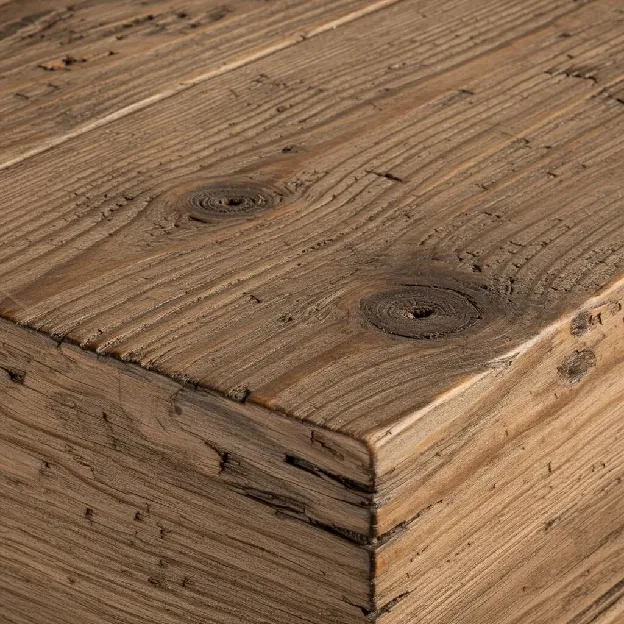
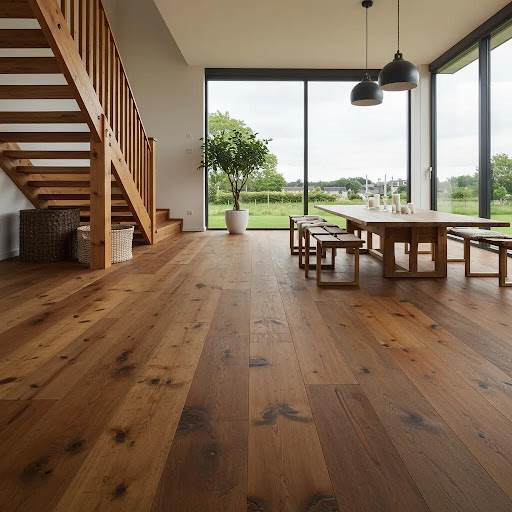
Reclaimed wood offers a one-of-a-kind look, defined by weathered patinas, nail holes, and varied grain patterns that tell a story of its past life. Designers love this visual richness for accent walls, flooring, and custom millwork that evoke heritage and authenticity. Incorporating these character-rich elements helps create a memorable brand identity in corporate spaces and adds tangible historical value to sustainable builds.
Can Reclaimed Wood Improve Indoor Air Quality and Reduce VOC Emissions?
Reclaimed wood contributes to healthier indoor air by releasing minimal VOCs compared to pressure-treated or freshly kiln-dried virgin lumber. Its grain has already released most resins and finishes, resulting in lower formaldehyde and chemical emissions. Projects using reclaimed materials thus support better occupant health and align with indoor environmental quality standards for green building certifications.
How Does Efficient Waste Management Enhance Sustainable Reclaimed Wood Projects?
Smart waste management is key to maximizing the environmental benefits of reclaimed wood, ensuring all materials—wood and non-wood—are properly sorted, recycled, or disposed of. On large commercial sites, unmanaged debris can undermine sustainability goals through contamination, high disposal fees, and missed recycling opportunities. Strategic dumpster rental and on-site sorting create clear paths for resource recovery and certification credits in programs like LEED.
What Types of Waste Are Generated in Sustainable Construction Using Reclaimed Wood?
On sustainable build sites that use reclaimed wood, typical waste streams include:
Wood recycling for the construction industry
- Wood off-cuts and chips that can’t be reused
- Packaging materials like plastic wrap, banding, and pallets
- Metal fasteners and hardware
- General construction debris, such as drywall, insulation, and concrete
Identifying each stream allows for targeted diversion strategies, minimizing disposal volumes and supporting comprehensive recycling plans.
How Can Recycling and Resource Recovery Maximize Waste Diversion?
Effective recycling and resource recovery depend on on-site sorting systems and dedicated dumpsters for each material type. Key steps include: construction, demolition recycling.
- Pre-sorting wood scraps for milling or chipping
- Separating metals, plastics, and non-recyclable wood
- Partnering with recycling facilities for specialized processing
- Tracking diversion rates for sustainability reporting
By recovering as much material as possible, businesses reduce landfill fees, lower their carbon impact, and often earn additional green building credits.
How Does Proper Waste Disposal Support LEED Certification and Green Building Goals?
Proper waste disposal earns LEED points under the Construction Waste Management category by diverting up to 75% of debris from landfills. Recycling wood, metal, and concrete helps meet prerequisites and optimize credit thresholds. Aligning dumpster rental plans with certification requirements ensures documented diversion rates and smooth validation during project reviews—reinforcing both environmental performance and regulatory compliance.
Why Should Businesses Choose National Waste for Sustainable Dumpster Rental Solutions?
National Waste combines top-tier expertise in large-scale waste management with a dedication to eco-friendly practices that support green building initiatives. Our customized dumpster rental services for businesses across North America offer streamlined operations, extensive recycling networks, and clear documentation for sustainability reporting. This partnership helps commercial portfolios achieve their ESG goals while keeping disposal costs in check.
What Tailored Dumpster Rental Options Does National Waste Offer for Commercial Green Projects?
National Waste provides a variety of roll-off and front-load dumpsters designed for sustainable construction sites:
- 15–30 cubic yard roll-offs for wood and mixed debris
- Color-coded bins for plastics, metal, and concrete
- On-demand pick-up scheduling to fit project timelines
These options facilitate efficient waste segregation and minimize clutter on-site, paving the way for optimal resource recovery.
How Does National Waste Ensure Eco-Friendly Waste Diversion and Recycling?
National Waste partners with a network of certified recycling facilities and material processors to divert up to 90% of construction waste. We use digital tracking and reporting tools to verify diversion rates, providing transparent data for sustainability audits. Our commitment to continuous improvement drives investment in new recycling streams and circular economy partnerships.
How Can Partnering with National Waste Help Achieve Environmental Compliance and Cost Savings?
Working with National Waste ensures compliance with local and federal waste regulations, reduces landfill tipping fees through diversion, and supports LEED and other green certifications. By optimizing dumpster size and pick-up frequency, businesses typically save 15–25% on disposal costs. Clear compliance documentation and dedicated account management further simplify project delivery and reduce risk.
What Are Common Questions About Reclaimed Wood and Sustainable Living?
Understanding reclaimed wood’s role requires clarity on sustainability claims, carbon benefits, material differences, and waste handling. Addressing these questions empowers decision-makers to choose the right materials and waste solutions for large-scale green projects. Below, we tackle four key concerns that often come up in commercial sustainable construction.
Is Reclaimed Wood Truly Sustainable Compared to New Timber?
Reclaimed wood is inherently sustainable because it repurposes existing material instead of driving new forest harvesting. Its lifecycle avoids resource extraction, preserves carbon stores in mature timber, and reduces the energy needed to mill new lumber. For commercial projects, specifying reclaimed wood signals a strong commitment to circular economy principles and responsible material sourcing.
How Does Reclaimed Wood Contribute to Carbon Footprint Reduction?
Reclaimed wood helps reduce carbon footprints by cutting up to 60% of the emissions associated with logging, transporting, and milling new timber. Each ton of salvaged wood keeps roughly one ton of carbon locked away, preventing its release through decomposition or burning. This benefit scales significantly on large projects, making reclaimed materials a powerful tool in corporate carbon management strategies.
What Is the Difference Between Reclaimed Wood and New or Recycled Wood?
Reclaimed wood comes from deconstructed buildings—like barns, warehouses, or ships—and retains its original grain patterns and density. New wood is freshly harvested and milled, often treated with chemicals. Recycled wood includes processed wood products (e.g., particleboard) made from blended fibers from various sources. Knowing these differences ensures correct application for structural, aesthetic, or engineered material needs.
How Can Businesses Manage Waste from Reclaimed Wood Projects Effectively?
Businesses can effectively manage reclaimed wood waste by combining specialized dumpster rentals with on-site sorting procedures. Dedicated roll-off bins for off-cuts, chips, and non-reclaimable scraps simplify recycling. Partnering with a national provider like National Waste ensures access to certified recycling channels and digital diversion reports—enabling robust environmental compliance across multi-site commercial portfolios.
How Are Reclaimed Wood Projects Driving the Growth of Sustainable Building Practices?
Reclaimed wood projects are accelerating the wider adoption of sustainable building by showcasing material-focused paths to certification, resource conservation, and economic efficiency. As architects and developers highlight successful projects, reclaimed timber becomes a recognized element in green building standards and leading case studies. This momentum boosts demand for professional waste management and integrated sustainability services.
What Role Does Reclaimed Wood Play in Green Building Certifications Like LEED?
Reclaimed wood earns LEED credits under the Material Reuse and Regional Materials categories by supplying at least 25% of the total wood value. It also supports Innovation credits when used in new ways or backed by lifecycle assessments. By incorporating reclaimed timber and documenting its source, projects streamline certification and exceed basic sustainability requirements.
How Does Using Reclaimed Wood Support Resource Conservation and Biodiversity?
Reclaimed wood conserves resources by reducing the need for virgin timber, thereby protecting forest ecosystems and species diversity. It lessens the pressure on managed forests and ancient woodlands that serve as critical wildlife habitats. This resource conservation approach strengthens corporate biodiversity commitments and aligns with emerging ecological stewardship standards.
What Economic Benefits Arise from Incorporating Reclaimed Wood in Construction?
Incorporating reclaimed wood can lower material costs by avoiding the purchase of high-grade new lumber and reducing waste disposal fees. Its unique aesthetic value often commands higher lease or resale rates in commercial real estate. When combined with optimized dumpster rentals from National Waste, these projects achieve favorable ROI while demonstrating leadership in sustainable development.
How Can Visual and Data Tools Enhance Understanding of Reclaimed Wood Benefits?
Visual and data-driven tools effectively communicate the value of reclaimed wood by illustrating lifecycle impacts, diversion metrics, and real-world applications. Infographics simplify complex carbon calculations, case study galleries showcase design results, and video tutorials demonstrate best practices for waste sorting and dumpster rental management. These multimedia resources help gain stakeholder buy-in and provide useful information for future projects.
What Infographics Best Illustrate the Lifecycle and Carbon Savings of Reclaimed Wood?
Effective infographics map the journey of reclaimed wood from source to reuse, comparing wood recycling for the construction industry.
- Carbon emissions from new versus reclaimed timber
- Energy required for logging, milling, and transport
- Waste diversion rates from landfills
By visually presenting each stage with data, stakeholders can easily grasp the material’s net environmental benefit and connect their decisions to corporate sustainability goals.
How Do Images and Case Studies Showcase Reclaimed Wood in Commercial Sustainable Projects?
High-quality images and project profiles highlight reclaimed wood applications in spaces like lobbies, boardrooms, and building exteriors. Case studies quantify wood volumes diverted, cost savings achieved, and certification credits earned. These real-world examples build confidence in reclaimed materials and show how effective waste management—supported by National Waste —enhances overall project performance.
What Videos Explain Waste Segregation and Sustainable Dumpster Rental Processes?
Short explainer videos guide site crews on waste sorting procedures, demonstrating how to properly load wood, metal, and mixed-waste dumpsters. Animated sequences illustrate how to schedule pick-ups, track diversion rates, and document LEED credits. These resources reinforce training, improve compliance, and ensure consistent waste management practices across multiple commercial sites.
The design of timber layouts from non-standard reclaimed elements can be approached combinatorially to achieve minimal waste, as explored in this study.
Minimal-Waste Design with Reclaimed Timber Elements: Minimal-waste design of timber layouts from non-standard reclaimed elements: A combinatorial approach based on structural reciprocity
Reclaimed wood sits at the crossroads of environmental responsibility, design innovation, and circular economy principles. By combining this sustainable material with professional waste management from National Waste, businesses can achieve significant carbon reductions, cost savings, and successful certifications. Embracing reclaimed timber and tailored dumpster rental solutions empowers large-scale projects to lead the way in green building and resource conservation—advancing corporate sustainability goals today and for the future.
About the author