Choosing the Right Dumpster Size for Home Projects: Your Complete Guide to Dumpster Rental Sizes and Residential Dimensions
By BKThemes
Choosing the right dumpster begins with cubic yards — and understanding how size impacts cost, timing, safety, and compliance. This guide maps cubic-yard capacity to exterior dimensions, pickup-truck equivalents, and common residential projects so you can pick the most efficient container for a cleanout, remodel, or demo. Follow a simple decision sequence: estimate volume, classify debris by type and density, and check site access to avoid overruns, surprise haul charges, and placement issues. We list typical dumpster sizes (10, 12, 15, 20, 30, 40 cubic yards), offer everyday comparisons, and explain when to right-size a single drop versus schedule multiple loads. Finally, learn why National Waste Associates’ family-owned, multi-location experience in commercial dumpster rental, vendor management, invoice auditing, and reporting can simplify larger or repeat projects. Read on for size comparisons, decision checklists, cost-saving tips, rental best practices, and a provider-vetting checklist.
What Are the Common Dumpster Rental Sizes for Home Projects?
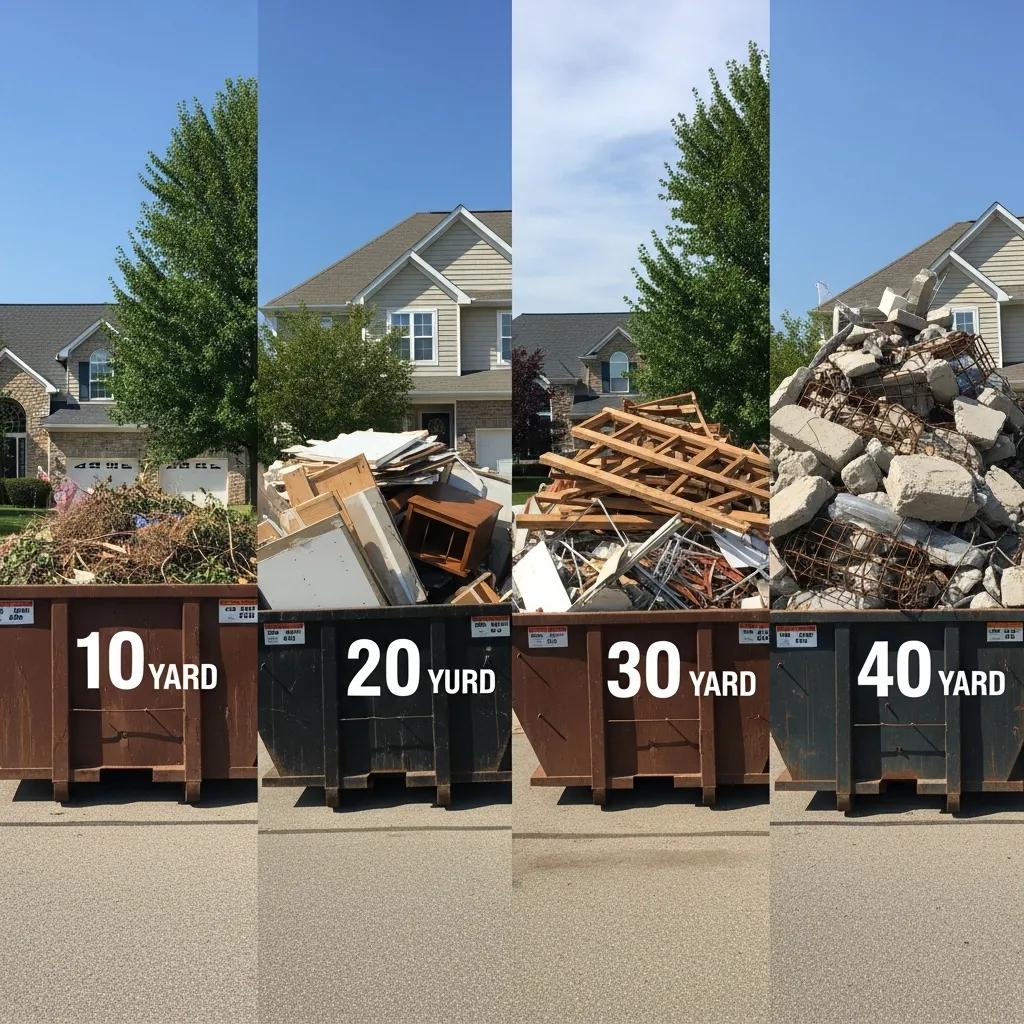
Dumpster sizes are listed in cubic yards — the best starting point for estimating volume and cost. Knowing your options reduces the risk of paying for unused space or incurring weight and overfill fees, and it helps with placement planning. Below is a quick overview of common residential roll-off sizes and the projects they typically handle, followed by a handy comparison table showing dimensions and pickup-truck equivalents.
Common residential roll-off units come in 10, 12, 15, 20, 30, and 40 cubic yards, each suited to different project scopes and debris types. Exterior dimensions and sidewall angles vary by vendor, so treat the table as representative rather than an exact spec. Later sections translate cubic yards into dimensions and everyday load comparisons to help match the right dumpster to your job.
| Dumpster Size | Approximate Dimensions (L x W x H) | Pickup Truck Load Equivalent | Typical Projects |
|---|---|---|---|
| 10-yard | 12’ x 8’ x 3.5’ | 2–3 pickup loads | Small cleanouts, minor remodel debris |
| 12-yard | 14’ x 8’ x 3.5’ | 3 pickup loads | Garage cleanouts, single-room demo |
| 15-yard | 16’ x 8’ x 3.5’ | 3–4 pickup loads | Bathroom or small kitchen remodels |
| 20-yard | 20’ x 8’ x 4’ | 4–5 pickup loads | Whole-room renovations, roofing debris |
| 30-yard | 22’ x 8’ x 6’ | 6–8 pickup loads | Major remodels, large debris removal |
| 40-yard | 22’ x 8’ x 8’ | 8–10 pickup loads | Full-house cleanout, demolition debris |
This table provides representative dimensions and project matches to help narrow choices; always confirm vendor dimensions and weight limits before ordering. Understanding cubic yards and these equivalents improves your volume estimates and reduces the chance of choosing a container that’s too big or too small.
How Do Roll Off Dumpster Sizes Vary in Cubic Yards and Dimensions?
Roll-off dumpster sizes differ primarily by cubic-yard capacity and overall length; width for most residential units is roughly 8 feet. One cubic yard equals a 3’ × 3’ × 3’ cube, so cubic yards measure usable internal volume. Physical dimensions vary by manufacturer and model: 10-yard boxes are shorter and shallower, while 30–40-yard units are longer and taller; tapered ends or sidewall slope can affect usable space. Some vendors list a “rated” capacity based on safe fill lines rather than total internal volume — always ask for rated cubic yards and the maximum allowable weight when you place an order. Those details help you select a unit that fits both the space and your material volume. Dumpster sizes.
What Are Typical Residential Dumpster Dimensions Compared to Pickup Truck Loads?
Converting cubic yards into pickup-truck-load equivalents makes debris easier to visualize. A typical half-ton pickup can safely carry roughly one cubic yard of loose household debris; bulky or irregular items lower practical capacity, while compacted materials reduce volume but increase weight. As a rule of thumb, a 10-yard dumpster equals about two to three pickup loads of loose, mixed household waste, and a 30-yard container corresponds to roughly six to eight truckloads, depending on compaction and item size. Bulky furniture, mattresses, and appliances create air gaps and reduce fill efficiency, so factor mixed loads into the decision between one larger container or multiple smaller drops.
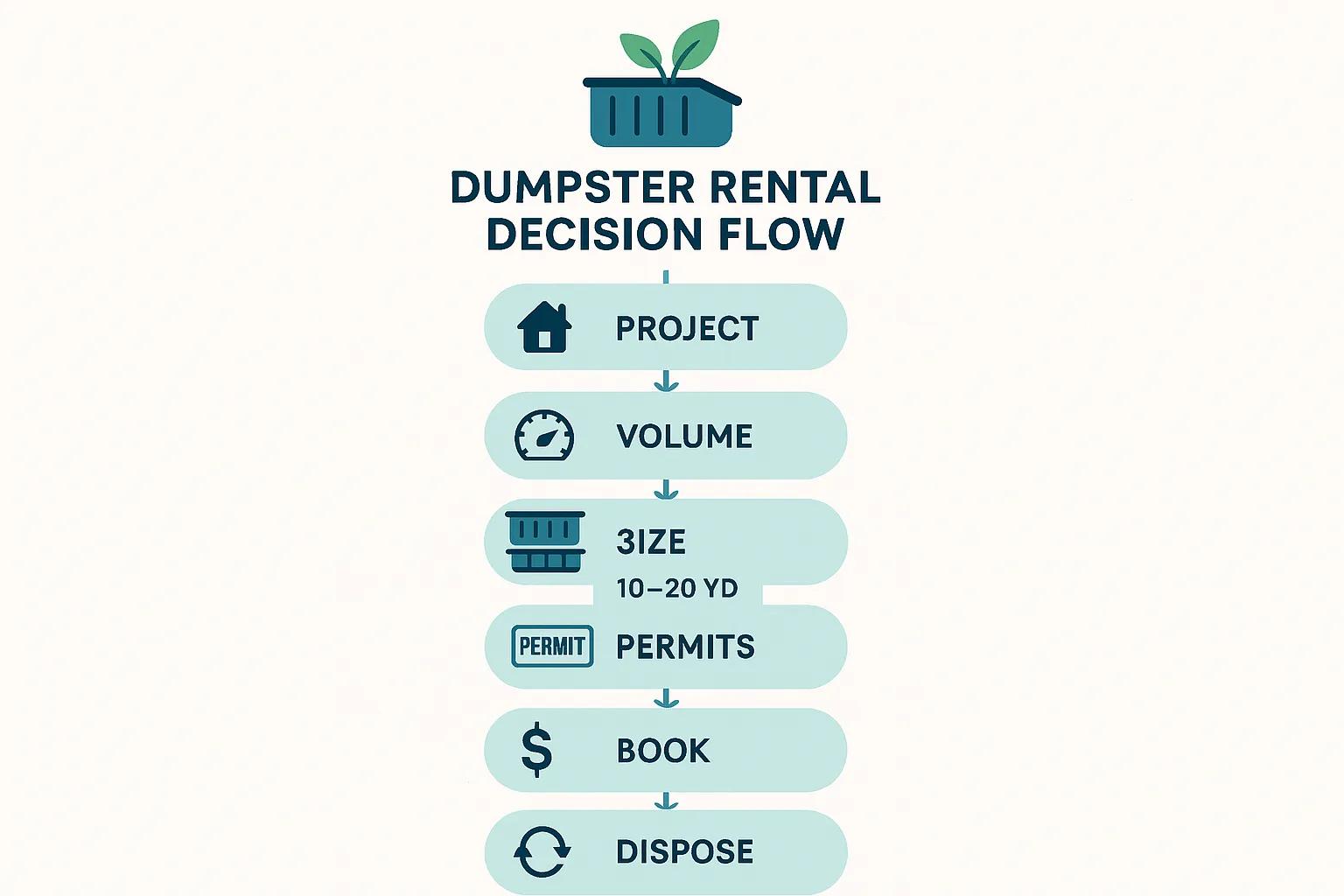
How to Determine What Size Dumpster Do I Need for Different Home Cleanouts?
Use a simple framework: estimate debris volume, classify materials by density (light versus heavy), and confirm site access and weight limits. Measure the work area or heap debris to approximate cubic yards, then convert that number to a recommended dumpster size using common equivalencies. If your load includes heavy materials like concrete or soil, plan for weight constraints — you might need a smaller cubic-yard container with a higher tonnage allowance or multiple hauls. Light materials such as cardboard and drywall take up space but weigh less. Finally, decide whether one delivery or staged pickups fit your timeline; sometimes two 15-yard drops are cheaper or more practical than a single 30-yard unit, depending on scheduling and weight limits.
Below is a quick mapping table that pairs typical residential projects with recommended dumpster sizes and sample load items to speed decision-making.
| Project Type | Recommended Dumpster Size | Example Load Items |
|---|---|---|
| Small cleanout | 10–12 yard | Household trash, boxes, and small furniture |
| Single-room remodel | 15–20 yard | Drywall, cabinetry, and flooring debris |
| Whole-house renovation | 30–40 yard | Framing lumber, fixtures, mixed demolition |
| Yard/landscaping | 10–20 yard | Branches, soil (note weight concerns) |
| Demolition debris | 30–40 yard | Concrete, heavy lumber, mixed rubble |
This mapping is a practical starting point; if your estimate falls between sizes, opt for the larger unit only when weight limits permit and site access is adequate. Always confirm weight allowances and any prohibited materials with your supplier to avoid surprise overage fees or rejected loads.
Which Dumpster Sizes Are Best for Small to Medium Home Cleanouts?
Small to medium cleanouts typically work best with 10-, 12-, 15-, or 20-yard dumpsters. These sizes balance volume, placement flexibility, and cost. A 10-yard unit fits most driveways and handles garage or single-room cleanouts without occupying too much space. Fifteen- and twenty-yard containers suit larger kitchen or bathroom renovations and accommodate bulky cabinetry and fixtures. Keep weight in mind: appliances and dense construction materials can quickly hit tonnage limits, so choose a size with the supplier’s weight allowance in view, not just cubic yards. Pre-sorting recyclables and salvable items reduces volume and may let you use a smaller, lower-cost container.
What Dumpster Size Is Suitable for Large Residential Renovations or Demolition Debris?
Large renovations and demolition projects typically require 30- or 40-yard units, as framing, drywall, roofing, and fixtures accumulate rapidly. These sizes reduce the need for frequent pickups, allowing crews to stay productive. Heavy demolition materials like concrete, brick, or soil can trigger overweight charges even in big containers, so consider a smaller cubic-yard unit with a higher per-ton allowance or plan multiple loads to stay within local rules. Also plan for placement and permits: 40-yard dumpsters often need curb or street placement with permits, and you may need driveway protection or traffic control. For extensive demolition, coordinate with your rental provider on weight limits, prohibited items, and staging to avoid delays and extra fees.
What Factors Should Influence Your Choice of Dumpster Size for Home Projects?
Choose a size based on material type and density, estimated volume, site access and placement constraints, local permit or HOA rules, and cost factors tied to haul frequency and weight limits. Material type affects both cubic yards and tonnage: light items like clean wood or cardboard take up space but rarely hit weight caps; concrete and soil are dense and can quickly trigger overweight charges. Access constraints — driveway width, turning radius, overhead clearance (tree limbs, power lines), and driveway load-bearing capacity — limit placement options and may require curb placement or permits. Project timeline and budget determine whether right-sizing or staged deliveries deliver the best balance of cost and efficiency.
The checklist below summarizes core factors to review before ordering a dumpster.
- Material Type: Identify whether debris is heavy, bulky, or light so you can anticipate weight limits and how quickly volume will fill.
- Estimated Volume : Measure or estimate cubic yards to select the correct container size.
- Site Access: Verify placement dimensions, clearance, and surface strength for safe delivery.
After reviewing these items, confirm maximum weight allowances, prohibited materials, and any local permit needs with your rental provider; those confirmations reduce surprises on pickup day and keep your project on schedule.e
How Does the Type and Volume of Waste Affect Dumpster Size Selection?
Type and volume determine both cubic-yard needs and weight considerations — misjudging density is a common mistake. Dense materials like concrete, brick, and soil may require a smaller cubic-yard container with a higher per-ton allowance or multiple hauls to avoid overage fees. Light, bulky items such as furniture and drywall consume a lot of space but weigh less. For mixed loads, estimate the share of dense materials and plan container size and quantity to meet both volume and tonnage limits. Accurate classification also helps with routing and recycling — diverting eligible materials can cut disposal costs and lower environmental impact. Concrete recycling provides an efficient solution.
What Role Do Site Access and Space Constraints Play in Dumpster Placement?
Site access and space constraints often dictate where a dumpster can sit and which size you can use. Measure driveway length and width, overhead clearance (tree limbs, power lines), and turning radius so delivery trucks can position the container safely. If driveway strength is a concern, use protective boards or consider curb placement with the proper permit. For narrow urban lots or restricted-access properties, choose shorter, lower-profile units or plan staged pickups with smaller containers to avoid blocking neighbors or violating HOA rules. Early planning reduces delivery failures, prevents property damage, and simplifies compliance with local ordinances.
How Can You Optimize Costs by Choosing the Right Dumpster Size?

Cost optimization centers on right-sizing containers, minimizing haul frequency, auditing invoices for billing errors, and choosing providers with transparent reporting and vendor management. Right-sizing aligns cubic yards with actual volume and material density so you don’t pay for unused space or trigger overweight penalties. Scheduling and consolidation — for example, coordinating deliveries to reduce idle rental days, lower per-project fees, and pre-sorting recyclables reduces disposal tonnage. National Waste Associates emphasizes ongoing optimization and invoice auditing and cites potential savings up to 20% for clients using those services — a reminder that operational oversight plus right-sizing can meaningfully lower total waste spending.d
Below is a simple table showing optimization tactics, how they work, and expected outcomes, including the cited savings where applicable.
| Optimization Tactic | Mechanism | Expected Outcome |
|---|---|---|
| Right-sizing | Match cubic yards to actual volume | Lower rental and haul costs |
| Invoice auditing | Identify billing errors and incorrect charges | Recover costs and reduce recurring spend up to 20% |
| Scheduling consolidation | Reduce idle rental days and hauls | Fewer trips, lower per-project costs |
| Material diversion | Separate recyclables and reusable items | Reduced landfill fees and disposal tonnage |
These tactics are practical levers for cost control: right-sizing and scheduling reduce operational waste, while auditing and diversion deliver measurable financial and sustainability benefits. For larger or recurring projects, working with a partner that combines vendor management and auditing can package these tactics into a single program and improve transparency across locations.
What Are Common Cost Savings from Proper Dumpster Size Selection?
Typical savings come from avoiding unnecessary cubic-yard charges, preventing overweight fees, and reducing hauls through accurate forecasting and staging. Right-sizing stops you from paying for unused space in oversized dumpsters, and sometimes a smaller unit with more frequent pickups is cheaper when weight — not volume — is the limiting factor. Invoice auditing can reveal incorrect line items or overcharges; National Waste Associates notes auditing as a way clients can reduce recurring spend by up to 20%. Combining right-sizing, scheduling, and auditing helps property owners and managers lower total waste spend while keeping debris removal on schedule.
How Does Avoiding Overloading or Oversizing Prevent Extra Fees?
Extra fees typically come from two sources: overweight charges for excess tonnage and rental or haul fees for paying for unnecessary cubic yards. Overloading happens when dense materials push a load past the provider’s weight allowance; oversizing is buying more cubic yards than you need. Prevent both by pre-sorting heavy items into designated containers, confirming weight limits before loading, and asking your rental provider about acceptable fill lines and prohibited materials. Simple practices — distribute heavy items evenly, avoid mounding above the fill line, and document load composition — help keep charges predictable and prevent costly penalties.
What Are the Best Practices for Renting Residential Dumpsters?
Successful residential rentals come down to clear scheduling, confirmed rental terms and weight allowances, understanding permit and insurance requirements, and following safety best practices for placement and loading. Schedule delivery windows in advance and confirm pickup windows and extension policies to avoid surprise rental days, and make sure the rental agreement spells out weight limits, prohibited materials, and overage fees. For placement, protect driveways with plywood, maintain safe clearance from structures and utilities, and give clear loading instructions to crews to prevent accidents or overfills. These steps reduce delays, protect property, and ensure compliance with local rules.
The checklist below summarizes contractual and scheduling items to confirm with any dumpster rental provider before delivery.
- Delivery and pickup windows: Confirm exact dates and allowable time ranges for drops and collections.
- Rental duration and extensions : Verify the base rental period and the cost for extensions to avoid surprise fees.
- Weight allowances and prohibited items: Get explicit limits and a written prohibited-items list to prevent rejected loads.
After confirming these items, verify insurance and permit requirements with local authorities, and share clear loading and sorting instructions with contractors and household members to ensure safe, compliant use.
How to Schedule Dumpster Rental and Understand Rental Terms?
Scheduling a rental means locking delivery and pickup windows, confirming the rental period, and clarifying extension or cancellation policies to match your project timeline. Provide the provider with accurate site details — driveway dimensions, surface type, and any permit needs — so they can plan truck access and placement; failing to share this information can cause missed deliveries or extra charges. Carefully review contract clauses on weight limits, prohibited materials, and overage rates so you can plan sorting and disposal accordingly, and put agreements in writing to avoid disputes at pickup. Clear upfront communication and a written checklist reduce risk and smooth the rental experience.
What Are Safety and Regulatory Considerations for Home Dumpster Use?
Safety and regulatory considerations include placing dumpsters so they don’t block sidewalks or emergency access, using proper signage and lighting when units sit overnight, and following local and HOA permit rules and hazardous-waste restrictions. Place dumpsters on stable surfaces and use protective boards under units to prevent driveway damage; post barriers or reflective markers when units are parked on the street. Many jurisdictions restrict hazardous materials and have rules for bulk-item disposal, so check local codes and your rental agreement to avoid fines or rejected pickups. Prioritizing safety and compliance protects property, workers, and the community during cleanouts and renovations.
Where Can You Find Reliable Dumpster Rental Services for Home Projects?
Find a dependable dumpster rental company by vetting for transparent pricing, documented insurance and licensing, equipment condition, and the provider’s ability to support your project scope and any multi-location needs. Ask for detailed written quotes that break out rental days, haul fees, and per-ton charges, and verify licensing and insurance to protect against liability. For larger or recurring projects, prioritize vendors with broad hauler networks and reporting capabilities to simplify management across sites. National Waste Associates demonstrates the attributes useful for scaling projects: family-owned service, a wide hauler database, compliance management, invoice auditing, sustainability practices, and clear reporting through the NWA360° client portal.
Below is a practical checklist of what to look for when vetting dumpster rental companies.
- Licensing and insurance: Confirm the provider carries appropriate coverage and permits.
- Transparent quotes: Ensure quotes itemize rental, haul, and per-ton costs in writing.
- Equipment quality and availability: Check that the provider can supply the container sizes and delivery windows you need.
Choosing a provider that meets these standards minimizes surprises, lowers project risk, and improves budgeting accuracy for both one-off and recurring waste management needs.
What Should You Look for in a Dumpster Rental Company?
When evaluating a rental company, prioritize clear written quotes, proof of insurance and licensing, and responsive customer support so deliveries and pickups happen on schedule. Confirm the company can supply the exact container size you need, and will discuss weight allowances and prohibited items in detail. For multi-site projects, ask about vendor management and reporting tools that centralize visibility into spend and service performance — those features keep standards consistent across locations. Finally, request references or case examples of similar residential or renovation jobs to confirm operational reliability.
How Do Transparent Pricing and Customer Support Impact Your Rental Experience?
Transparent pricing and responsive customer support directly affect your total cost and project uptime by reducing billing surprises and resolving delivery or pickup issues quickly. Itemized invoices make auditing straightforward and simplify reconciliation against schedules, while fast support reduces downtime when containers need to be moved or exchanged. A lack of transparency often leads to hidden fees for weight overages or extended rental days, which erodes budgets and timelines. Providers that offer reporting and audit capabilities make reconciliation and accountability much easier — especially for projects spanning multiple locations.
This guide provides practical steps to choose the right dumpster size, estimate volumes, anticipate site constraints, and optimize costs, along with criteria for selecting reliable providers. Estimate cubic yards carefully, classify materials by density, and confirm weight limits and site access with your supplier to reduce fees, avoid delays, and keep projects on schedule. National Waste Associates offers services aligned with these needs — commercial dumpster rental, vendor management, invoice auditing, compliance oversight, sustainability programs, and NWA360° reporting — to support larger or recurring projects that require centralized oversight and cost control. Use the frameworks and checklists here to plan your next home project and vet providers who deliver dependable, transparent service.
Frequently Asked Questions
What is the process for estimating the volume of debris for a dumpster rental?
Estimate debris volume by measuring the area where waste will be piled and accounting for material type. Calculate cubic yards by multiplying length × width × height for piles or sections. For irregular piles, divide the debris into smaller, measurable sections and add them together. Also factor in material density — heavy items may force you to choose a smaller cubic-yard container with a higher tonnage allowance to avoid weight limits.
Are there any restrictions on what can be placed in a dumpster?
Yes. Most rental companies prohibit hazardous materials such as chemicals, batteries, tires, and appliances with refrigerants. Items like concrete, dirt, or heavy metals often have special weight rules or require separate handling. Always check your rental provider’s prohibited-items list and local regulations to avoid fines or rejected pickups.
How can I ensure safe loading and placement of the dumpster?
Place the dumpster on a stable, level surface clear of overhead obstructions like tree branches and power lines. Protect driveways with plywood to prevent damage. When loading, distribute weight evenly and avoid overfilling to reduce tipping risk. Communicate loading rules to everyone working on the project and ensure the dumpster doesn’t block emergency access or pedestrian routes.
What should I do if I need the dumpster for a longer period than initially planned?
Contact your rental provider as soon as you know you need more time. Most companies allow extensions to firm terms and any additional fees. Discuss the adjusted timeline and any scope changes that might affect rental duration, and document changes in writing to avoid billing disputes.
Can I rent multiple dumpsters for a single project?
Yes. Renting multiple dumpsters makes sense for large volumes or when different waste types need separate handling. Multiple containers can streamline disposal and prevent overloading a single unit. Tell your provider your needs up front so they can supply the right sizes and types for your project.
What are the benefits of using a professional dumpster rental service?
Professional rental services offer convenience, experience, and regulatory compliance. They help you choose the right size to avoid overage fees, handle delivery and pickup logistics, and know local disposal laws. Working with a reputable company saves time and helps ensure waste is handled responsibly.
How can I compare dumpster rental prices effectively?
Get quotes from multiple providers and ask for detailed, itemized estimates that include rental days, haul fees, weight allowances, and extra charges for overages or extensions. Look for transparent pricing and watch for hidden fees. Consider reputation and reliability — the lowest price isn’t always the best value. Read reviews and ask for recommendations to make an informed choice .
Conclusion
Picking the right dumpster size improves project efficiency, controls costs, and keeps you compliant with local rules. By understanding volume and material type, you can avoid unnecessary fees and keep debris removal on schedule. Working with a reliable provider like National Waste Associates can simplify the process and strengthen project oversight. Use these guidelines to plan your next home project and choose dumpster rental options that match your scope and budget.
About the author