Commercial sludge management is a critical aspect of waste management that involves the treatment, disposal, and utilization of sludge generated from various commercial and industrial operations. As businesses strive to balance operational efficiency with environmental responsibility, effective sludge management practices have become essential to minimize environmental impact and comply with increasingly stringent regulatory requirements. This article explores the multifaceted nature of commercial sludge management, examining the types of sludge produced, the technologies available for treatment and disposal, and the economic and environmental considerations that shape this vital industry. Through case studies and a look at future trends, we aim to provide a comprehensive understanding of the current landscape and challenges in sludge management, highlighting the importance of sustainable practices for the future.
Overview of Commercial Sludge Management
Definition and Importance
Commercial sludge management refers to the systematic collection, treatment, and disposal of sludge generated from various commercial activities. This process is crucial because, without proper management, sludge can become a public health hazard and an environmental nuisance. Think of it as the cleanup crew after a party—essential for preventing a post-celebration disaster. Proper sludge management ensures compliance with environmental regulations, safeguards human health, and promotes the recovery of resources, making it a vital aspect of sustainable commercial practices.
Key Stakeholders in Sludge Management
Several stakeholders play a pivotal role in commercial sludge management, including commercial businesses, waste management companies, environmental agencies, and local governments. Businesses generate the sludge, waste management companies take on the heavy lifting of treatment and disposal, while environmental agencies and local governments oversee compliance and regulations. Together, they form a network of responsibility, all working toward keeping our water clean and our communities safe. It’s a collaborative effort, sort of like a team of superheroes—each with their own power, but all focused on fighting the sludge villains!
Types of Sludge Generated in Commercial Operations
Municipal vs. Industrial Sludge
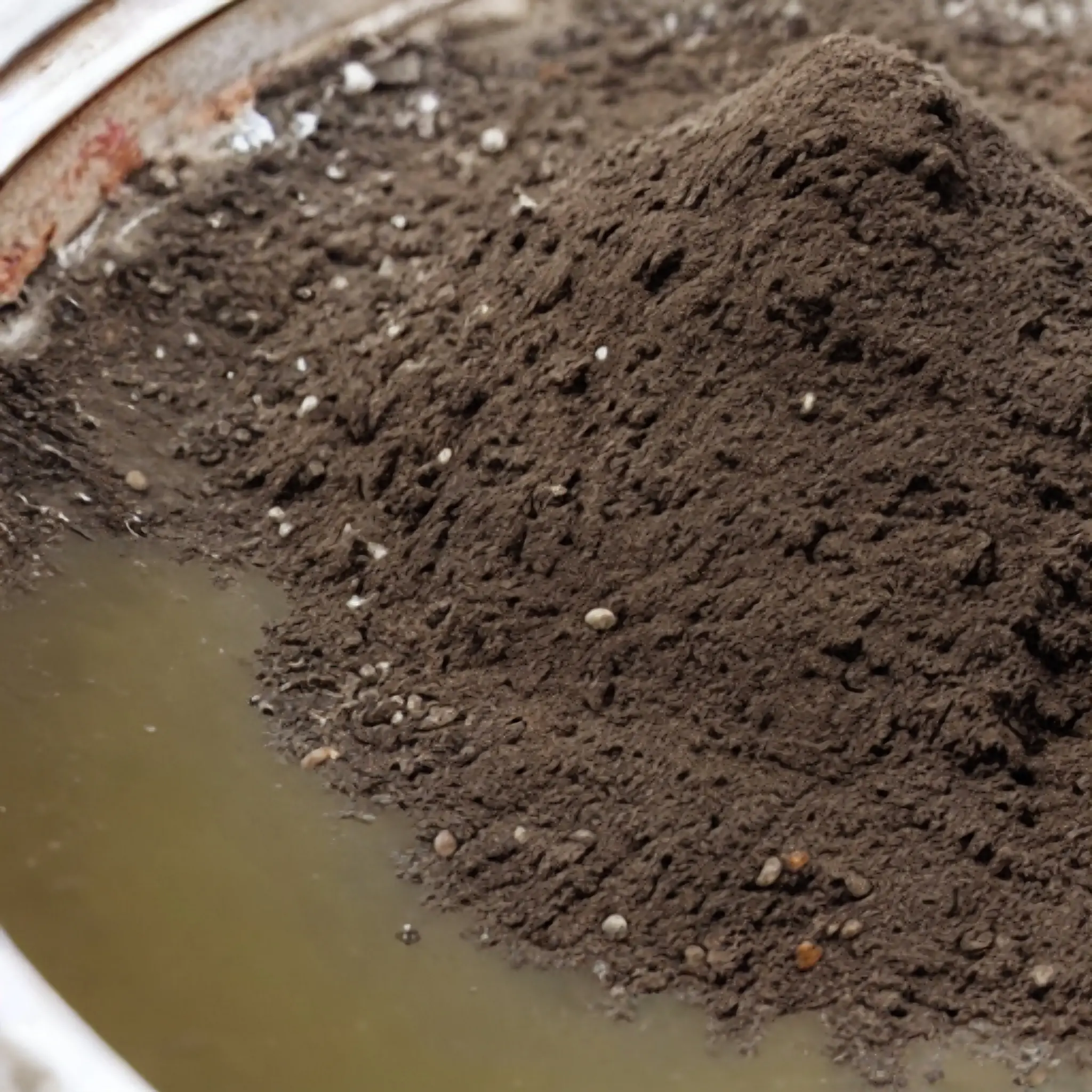
Sludge can be categorized broadly into municipal and industrial types. Municipal sludge originates from wastewater treatment facilities servicing residential areas, while industrial sludge is produced by manufacturing and commercial enterprises. They may both be messy, but they differ in composition, volume, and the level of treatment required. Municipal sludge often contains organic materials and toxins, while industrial sludge can include heavy metals and chemicals depending on the industry. Each type demands its own tailored approach when it comes to treatment and disposal.
Characteristics of Different Sludge Types
Sludge isn’t a one-size-fits-all scenario; each type has unique characteristics. Municipal sludge is typically wetter and contains a higher concentration of organic matter, making it suitable for composting or anaerobic digestion. Industrial sludge, on the other hand, can be more variable, featuring a mix of heavy metals, oils, and other contaminants that require specialized treatment. Understanding these characteristics is essential for effective management—it’s like knowing what kind of dance moves are needed for different types of parties!
Regulatory Framework and Compliance Standards
Federal Regulations and Guidelines
At the federal level, regulations such as the Clean Water Act provide a framework for sludge management practices, emphasizing the treatment and disposal of waste to protect water sources. The Environmental Protection Agency (EPA) sets forth guidelines for sludge standards and disposal, ensuring that commercial operations are held accountable for keeping the sludge in check. Think of it as the nation’s way of saying, “We love clean water—please don’t mess it up!”
State and Local Regulations
On a more localized scale, state and local regulations also play a significant role in sludge management. These rules can vary widely, reflecting the environmental priorities and needs of different regions. Local governments may impose stricter standards, especially in areas facing specific pollution challenges. Staying compliant means keeping up with the rules—kind of like keeping track of your favorite TV show’s plot twists—stay informed, or you might miss something important!
International Standards and Best Practices
Globally, various international organizations establish standards for sludge management, such as the World Health Organization (WHO) and the United Nations Environment Programme (UNEP). These standards encourage best practices that promote the sustainable and safe treatment of sludge, aiming to minimize environmental impact while maximizing resource recovery. It’s like a world-wide agreement that says, “We all want clean water—let’s work together to achieve it!” Sharing knowledge and methodologies across borders helps elevate the benchmarks for effective sludge management everywhere.
Technologies for Sludge Treatment and Disposal
Physical Treatment Methods
Physical treatment methods for sludge include processes like dewatering, sedimentation, and filtration. These techniques focus on reducing the volume of sludge and removing water content, making it easier to manage and transport. Picture a giant sponge being wrung out—you’re left with a more manageable amount! These methods lay the foundation for further treatment processes that can tackle the more stubborn contaminants lurking in the sludge.
Chemical Treatment Options
Chemical treatment options involve the use of chemicals to stabilize and disinfect sludge. Common approaches include chemical precipitation, oxidation, and neutralization. Think of it as giving the sludge a spa day, where harsh conditions are applied to eliminate the nasty stuff and make it more acceptable for disposal. It’s like a chemistry class experiment, but one you definitely don’t want to conduct in your kitchen!
Biological Treatment Processes
Biological treatment processes utilize microorganisms to break down organic materials in the sludge. Techniques such as anaerobic digestion and composting are common. It’s nature’s recycling method, where microbes munch on the organic content, producing biogas and nutrient-rich digestate. Imagine the ultimate recycling party, where helpful little organisms go to town on whatever leftovers you’ve got—just don’t forget to bring your compost bin!
Disposal Methods: Landfill, Incineration, and Land Application
When it comes to disposing of treated sludge, there are several options: landfilling, incineration, and land application. Landfilling is often the least desirable option, as it can lead to contamination of soil and groundwater. Incineration burns the sludge, reducing its volume significantly but can release pollutants if not managed properly. Land application, on the other hand, involves spreading treated sludge on agricultural land, where it can serve as a nutrient-rich fertilizer. It’s like giving Mother Nature a little boost while cleaning up our mess—talk about a win-win!
Economic Considerations in Sludge Management
Cost Analysis of Sludge Treatment Options
When it comes to sludge management, choosing the right treatment method can feel like picking a favorite child: no easy task and it usually involves compromise. Options like land application, incineration, and anaerobic digestion all come with their own price tags. For instance, while anaerobic digestion might seem pricey upfront, it can generate biogas that reduces energy costs in the long run. A thorough cost analysis is essential to make the best choice—because nobody wants to find themselves knee-deep in sludge and debt!
Funding and Financial Assistance Programs
Navigating the sea of funding for sludge management can feel like searching for a needle in the sludge-infested haystack. Luckily, various state and federal programs exist to help. Grants, low-interest loans, and even public-private partnerships are options worth exploring. The Clean Water State Revolving Fund (CWSRF) is one example—it’s like Uncle Sam’s piggy bank for wastewater treatment projects, just without the weird family gatherings!
Return on Investment for Sustainable Practices
Investing in sustainable sludge management practices isn’t just environmentally friendly; it’s also a solid business decision. Measures such as composting or converting sludge to bioenergy can pay off handsomely. A well-calculated return on investment (ROI) can showcase how sustainable methods not only help the planet but also boost the bottom line—because let’s face it, saving the earth while saving a few bucks is the dream!
Environmental Impacts and Sustainability Practices
Impact on Water Quality and Ecosystems
Poor sludge management can be like adding a dash of hot sauce to a mild dish—too much can really ruin the final product. When sludge isn’t handled properly, it can contaminate water sources, harm aquatic life, and disrupt ecosystems. Addressing these impacts isn’t just a smart move; it’s essential for the health of our planet. We need clean water to sip, splash, and swim—no one wants to be swimming with the fishes… literally!
Mitigation Strategies for Environmental Risks
To protect our beloved ecosystems, having robust mitigation strategies is crucial. Think of these as your sludge management superhero tactics. Solutions like ensuring proper treatment, monitoring discharge levels, and employing buffer zones can significantly reduce environmental risks. It’s all about being proactive rather than reactive—because fighting pollution is way cooler than playing catch-up.
Sustainable Practices in Sludge Management
Sustainable sludge management is the way of the future—so let’s embrace it like a long-lost friend. Techniques like using sludge to improve soil quality, recycling nutrients, and even extracting valuable resources generate a multi-win situation. Not only are we reducing waste, but we’re also giving back to our land. It’s the ultimate ‘give and take’ relationship—just with fewer arguments over who left the toilet seat up.
Case Studies of Successful Sludge Management Initiatives
Innovative Solutions from Leading Companies
Some companies have really stepped up their sludge game, turning what used to be a headache into a novel opportunity. For example, a few progressive wastewater treatment plants have partnered with tech firms to develop cutting-edge digestion processes that not only treat sludge but also generate energy—talk about a win-win situation! These success stories demonstrate that innovative solutions can pave the way for a cleaner and more efficient sludge management future.
Lessons Learned from Failed Initiatives
Of course, for every success story, there are a few cautionary tales lurking in the shadows. Failed initiatives often come down to a lack of planning, inadequate technology, or ignoring community feedback. Remember that time someone thought it would be funny to start a band without ever practicing? Yeah, sludge projects can go just as wrong. Analyzing these blunders helps the industry improve and turn lessons into actionable strategies—because failure is the best teacher, albeit a very expensive one!
Future Trends in Commercial Sludge Management
Emerging Technologies and Innovations
Watch out, sludge management world—new technologies are bursting onto the scene like a pop star at an award show! From advanced dewatering techniques to microbial fuel cells, the landscape is evolving rapidly. These innovations promise to enhance efficiency and reduce environmental impact, turning sludge from a problem into a prized resource. The future is bright, and we’re all invited to the party!
Shifts in Regulatory Landscape
Regulations in sludge management are tightening faster than a pair of unflattering jeans after Thanksgiving dinner. New guidelines focusing on sustainability and environmental protection are emerging worldwide, urging companies to adopt greener practices. Staying ahead of the regulatory curve is crucial for the industry; after all, nobody wants to be the one left holding the bag—of sludge!
Public Perception and Industry Adaptation
Public perception of sludge management is like that of a misunderstood movie villain—it has the potential for redemption! As more people become aware of the benefits of proper sludge management and sustainability efforts, the industry is adapting its messaging. Transparency and education will be key; after all, who wouldn’t want to feel good about turning waste into a resource? It’s time to reframe the narrative and show that sludge doesn’t have to be a four-letter word.In conclusion, effective commercial sludge management is essential for promoting environmental sustainability and ensuring compliance with regulatory standards. As industries continue to evolve, the adoption of innovative technologies and best practices will play a vital role in addressing the challenges associated with sludge treatment and disposal. By prioritizing sustainability and exploring new solutions, businesses can not only improve their operational efficiency but also contribute positively to the environment and society as a whole. The ongoing commitment to responsible sludge management will be crucial in paving the way for a cleaner and more sustainable future.
Frequently Asked Questions
What is sludge, and why is it generated in commercial operations?
Sludge is a semi-solid residue generated during the treatment of wastewater or industrial processes. It contains a mixture of organic and inorganic materials and is produced in various commercial operations, including food processing, chemical manufacturing, and municipal wastewater treatment.
What are the primary methods for treating and disposing of sludge?
The primary methods for treating and disposing of sludge include physical treatments (like dewatering), chemical treatments (such as stabilization), biological processes (like anaerobic digestion), and various disposal options like landfill, incineration, and land application.
How is compliance with sludge management regulations ensured?
Compliance with sludge management regulations is ensured through regular monitoring, reporting, and adherence to local, state, and federal guidelines. Companies may also conduct audits and work with environmental consultants to stay informed about regulatory changes.
What are the environmental impacts of improper sludge management?
Improper sludge management can lead to significant environmental issues, including water pollution, soil contamination, and harm to local ecosystems. It can also result in odor and public health concerns, making responsible management practices essential for community well-being.
About the author