As an SEO expert with three decades in the trenches of digital visibility, I’ve seen countless trends come and go. Yet, one enduring truth remains: quality content that genuinely helps people is king. Today, we’re diving deep into a topic that not only helps your garden flourish but also significantly impacts our planet: composting food waste. If you’ve ever wondered how to compost food, you’re in the right place. This comprehensive guide will equip you with the knowledge and practical steps to transform your kitchen scraps into valuable “black gold” for your soil, reducing landfill waste and enriching your environment.
The Profound Benefits of Composting Food Waste
Composting isn’t just a trend; it’s a fundamental practice with far-reaching positive impacts. Understanding these benefits can provide the motivation needed to integrate composting into your daily routine.
Environmental Advantages: Reducing Landfill Burden and Methane Emissions
One of the most significant environmental benefits of composting is the diversion of organic waste from landfills. When food scraps and yard waste are buried in anaerobic (oxygen-free) conditions, they decompose slowly and produce methane, a potent greenhouse gas that contributes significantly to climate change. By composting, you facilitate aerobic decomposition, which produces carbon dioxide (a much less potent greenhouse gas than methane) and water vapor. This practice directly reduces your carbon footprint and helps mitigate climate change.
Soil Enrichment and Plant Health: The Power of Humus
Finished compost is often referred to as “black gold” for a reason. It’s a rich, dark, crumbly material packed with beneficial microorganisms, nutrients, and organic matter. When incorporated into soil, compost:
- Improves Soil Structure: It enhances aeration in clay soils and increases water retention in sandy soils, creating an optimal environment for root growth.
- Provides Essential Nutrients: Compost slowly releases a balanced array of macro and micronutrients, feeding plants naturally and reducing the need for synthetic fertilizers.
- Boosts Microbial Life: It introduces a diverse population of bacteria, fungi, and other microorganisms that work to make nutrients available to plants and suppress plant diseases.
- Balances pH: Compost helps buffer soil pH, making it more hospitable for a wider range of plants.
Waste Reduction and Resource Conservation: Closing the Loop
Beyond environmental and horticultural benefits, composting is a powerful act of resource conservation. By composting, you transform what would otherwise be considered waste into a valuable resource. This not only reduces the volume of garbage you send to the curb but also minimizes the energy and resources spent on waste collection and disposal. It’s a practical way to close the loop in your home’s ecosystem, turning potential pollutants into productive assets.
Understanding the Core Ingredients: Browns, Greens, and Water
Successful composting hinges on understanding the basic ingredients and their optimal ratios. Think of composting as cooking; you need the right mix to create a delicious (for your plants!) final product. The primary components are “browns,” “greens,” and water, with air also playing a crucial role.
The Carbon-Rich “Browns”
Brown materials are rich in carbon, which provides the energy source for the microorganisms breaking down your compost pile. They are typically dry, coarse, and slow to decompose on their own. Examples include:
- Dried leaves
- Straw and hay
- Wood chips and sawdust (untreated)
- Shredded newspaper and cardboard (non-glossy, non-colored)
- Dryer lint
- Pine needles
Browns add bulk and structure to the pile, allowing for better air circulation.
The Nitrogen-Rich “Greens”
Green materials are rich in nitrogen, which provides the protein for the microorganisms, allowing them to multiply and effectively break down organic matter. They are often moist, fresh, and tend to decompose quickly. Examples include:
- Fruit and vegetable scraps (peels, cores, spoiled produce)
- Coffee grounds and tea bags
- Grass clippings (in moderation)
- Plant trimmings (non-diseased)
- Eggshells (crushed)
Greens provide the fuel for rapid decomposition and heat generation in a hot compost pile.
The Importance of Water and Air
Just like any living organism, the microorganisms in your compost pile need water and oxygen to thrive. The ideal moisture level for a compost pile is similar to that of a wrung-out sponge – damp, but not soggy. Too little water will slow down decomposition; too much will create anaerobic conditions, leading to foul odors and a sluggish process.
Aeration is equally critical. Regular turning of the compost pile introduces oxygen, preventing anaerobic conditions and ensuring all parts of the pile are exposed to decomposition. Without adequate air, the beneficial aerobic bacteria die off, and anaerobic bacteria take over, producing unpleasant smells.
The ideal carbon-to-nitrogen (C: N) ratio for most composting systems is generally around 25-30 parts carbon to 1 part nitrogen. While you don’t need to be precise with measurements, aiming for roughly equal volumes of browns and greens is a good starting point.
”Composting is the art of balancing elements: carbon for energy, nitrogen for growth, water for life, and air for breath. Get the balance right, and nature does the rest.” – Anonymous Composting Sage
What to Compost and What to Avoid: A Quick Reference
Knowing what can and cannot go into your compost pile is vital for a healthy, odor-free system and safe, usable compost.
| Compostable vs. Non-Compostable Food | Items Compostable (Greens) Compostable | (Browns) Avoid Composting |
|---|---|---|
| Fruit & Vegetable Scraps | Dry Leaves & Pine Needles | Meat, Bones, Fish |
| Coffee Grounds & Tea Bags | Shredded Newspaper & Cardboard | Dairy Products (milk, cheese, yogurt) |
| Eggshells (crushed) | Straw & Hay | Oils, Fats, Grease |
| Grass Clippings (thin layers) | Wood Chips & Sawdust (untreated) | Diseased Plants |
| Used paper towels (unbleached) | Lint from natural fibers | Pet Waste (dog, cat, especially if they eat meat) |
| Stale bread/grains | Twigs and small branches | Chemically treated wood |
Avoiding the “do not compost” list is crucial, as these items can attract pests, create foul odors, or introduce pathogens that are harmful to your garden.
Choosing Your Composting Method: A Tailored Approach
The best method for you depends on your living situation, the amount of food waste you produce, and your desired composting speed. There are several effective ways for how to compost food, each with its own advantages.
1. Hot Composting (Aerobic Composting)
Hot composting is the fastest method, breaking down organic matter in a matter of weeks to months. It requires a larger, active pile (at least 3x3x3 feet is often recommended) that generates internal heat from microbial activity. Key characteristics:
- Pros: Fast decomposition, kills weed seeds and pathogens due to high temperatures (130-160°F or 55-70°C), produces high-quality compost quickly.
- Cons: Requires more active management (frequent turning, monitoring moisture and temperature), needs a balanced mix of greens and browns from the start.
- Best For: Gardeners with a steady supply of organic materials and a desire for rapid results.
2. Cold Composting (Passive Composting)
Cold composting is the simplest method, involving simply piling up organic materials and letting nature take its course. It’s much slower, taking anywhere from six months to two years, but requires minimal effort.
- Pros: Low effort, virtually no maintenance once set up.
- Cons: Slow decomposition, doesn’t kill weed seeds or pathogens effectively, may attract pests if not managed well.
- Best For: Those with less time or a smaller volume of waste, or those who prefer a “set it and forget it” approach.
3. Worm Composting (Vermicomposting)
Vermicomposting utilizes specialized composting worms (typically Red Wigglers or European Nightcrawlers) to break down food scraps. It’s an excellent method for indoor composting or for those with limited outdoor space.
- Pros: Perfect for apartment dwellers, produces nutrient-rich worm castings (a premium compost), odorless if managed correctly, can process food scraps quickly.
- Cons: Requires specific types of worms, sensitive to extreme temperatures, can’t compost large amounts of woody materials or meat/dairy.
- Best For: Indoor composting, small spaces, processing kitchen scraps efficiently.
4. Bokashi Composting
Bokashi is a fermentation process, not true decomposition, that uses inoculated bran (with beneficial microbes) to ferment food scraps in an airtight container. After fermentation, the “pickled” food scraps still need to be buried in soil or added to a traditional compost pile to break down completely.
- Pros: Can handle all types of food waste, including meat and dairy; ideal for small spaces/indoors; no foul odors during fermentation.
- Cons: Requires an initial purchase of Bokashi bran and a special container; fermented waste still needs a second stage of decomposition.
- Best For: Those wanting to compost all food types indoors, preparing waste for a later traditional compost or burial.
When selecting your method, consider the amount of food scraps you generate, the space you have available, and your willingness to actively participate in the composting process. Each method offers a viable path for turning your kitchen waste into garden gold.
Setting Up Your Composting System: A Step-by-Step How to Compost Food Guide
Once you’ve chosen your method, setting up your system is the next crucial step. This section provides a practical how to compost food guide to get you started, focusing on outdoor bin composting, which is popular and effective for most homes.
Step 1: Choose the Right Location
The ideal spot for your compost pile or bin should be:
- Accessible: Easy to reach for adding scraps and turning the pile.
- Shady: Direct sunlight can dry out the pile too quickly, while full shade can keep it too cool. Partial shade is often ideal.
- Well-drained: Avoid areas where water pools.
- Near a Water Source: For easy moistening.
- Away from Your House: To avoid potential odors or pests, although a well-maintained pile rarely smells bad.
Place your compost bin directly on soil or bare earth, not concrete. This allows beneficial microorganisms and worms to migrate into the pile and excess moisture to drain away.
Step 2: Select Your Composting Container or Method
Several options exist for containing your compost, each with pros and cons:
- Compost Bins: Available in plastic (stationary or tumbling), wood, or wire mesh. Tumblers are great for easy turning. Stationary bins require manual turning.
- Compost Piles: Simply a heap on the ground. Best for larger volumes and hot composting.
- Worm Bins: Multi-tiered plastic bins designed specifically for vermicomposting.
- Bokashi Bins: Airtight containers with a spigot to drain “compost tea.”
For a standard outdoor compost, a sturdy bin or a three-sided enclosure made of pallets works well.
Step 3: Gather Your Initial Materials and Start Layering
To kickstart your compost pile effectively, it’s best to begin with a balanced mix:
- Base Layer (Browns): Start with a 4-6 inch layer of coarse brown materials like twigs, straw, or wood chips. This provides aeration and drainage.
- Green Layer: Add a 2-4 inch layer of green materials, such as fresh grass clippings or kitchen scraps.
- Brown Layer: Follow with another 4-6-inch layer of browns (dry leaves, shredded cardboard).
- Moisture: Moisten each layer as you add it. The pile should be consistently damp.
- Repeat: Continue alternating layers, aiming for a roughly 2:1 or 3:1 ratio of browns to greens by volume.
This initial layering is a core part of how to compost food tips, ensuring a good foundation for microbial activity. Chop larger items into smaller pieces (1-2 inches) to speed up decomposition.
Step 4: Managing Your Kitchen Scraps
Keep a small container with a lid (a ceramic crock, stainless steel pail, or plastic bin) in your kitchen for collecting daily food scraps. Empty this into your main compost system regularly – every few days or when full. When adding kitchen scraps to the outdoor pile:
- Bury them slightly under a layer of browns to deter pests and odors.
- Don’t add too many fresh greens at once, as this can lead to a slimy, anaerobic mess.
Following these setup guidelines lays a solid foundation for your composting journey, transforming your understanding of how to compost food from theory to practical success.
Maintaining Your Compost Pile: Turning, Watering, and Feeding
Once your compost system is set up, ongoing maintenance is key to a thriving pile and quick decomposition. This section focuses on how to compost food best practices for regular care.
The Art of Turning Your Pile: Aeration is Key
Regular turning is essential, especially for hot composting, as it introduces oxygen and redistributes materials, ensuring even decomposition. The frequency depends on your method and desired speed:
- Hot Composting: Turn every 3-7 days, especially when the center cools down. This can be done with a pitchfork, compost aerator, or by using a tumbling composter.
- Cold Composting: Turning is optional but can speed up the process. Once a month or every few months is sufficient.
When turning, observe the pile’s texture and smell. A healthy pile should smell earthy, like forest soil. A rotten egg or ammonia smell indicates too much nitrogen or not enough air. If it smells bad, turn it more frequently and add more browns.
Moisture Management: The “Wring-Out Sponge” Test
Maintaining the correct moisture level is critical. The pile should feel consistently damp, like a thoroughly wrung-out sponge.
- If too dry: Decomposition slows significantly. Add water gradually while turning the pile until it reaches the desired dampness.
- If too wet: It becomes anaerobic, slimy, and smelly. Add dry brown materials, turn the pile thoroughly to introduce air, and if possible, spread it out to dry slightly before reforming.
Rainfall might be enough in some climates, but manual watering, especially during dry spells or if you add a lot of dry browns, is often necessary.
Continuous Feeding: What to Add and What to Avoid
Keep a consistent supply of both greens and browns. Ideally, layer new additions to maintain the balance. Always cover fresh kitchen scraps with a layer of browns to minimize odors and deter pests. Remember the ‘do not compost’ list from earlier, particularly for meat, dairy, and oils, as these will inevitably attract pests and create strong, unpleasant odors.
Troubleshooting Common Composting Issues
Even with the best intentions, issues can arise. Here’s a quick guide to common problems and their solutions:
| Compost Troubleshooting Guide | Problem Likely | Cause Solution |
|---|---|---|
| Foul, Rotten Odor | Too much nitrogen (greens), too wet, not enough air (anaerobic) | Add dry browns, turn more frequently, spread out to dry if very wet. |
| Ammonia Smell | Excess nitrogen (too many greens, especially grass clippings) | Add more dry browns (leaves, straw, shredded paper). |
| Pile is Dry & Cold | Too dry, not enough greens, too much carbon, not enough material for heat | Add water, mix in fresh greens, turn the pile, ensure enough volume. |
| Pile is Damp & Cold | Lack of nitrogen, insufficient turning/aeration, too much carbon | Add greens, turn more frequently, ensure C:N balance. |
| Pests (Rodents, Flies) | Exposed food scraps, meat/dairy/oils in pile | Bury food scraps under browns, avoid prohibited items, consider a pest-proof bin. |
| Compost is Slimy | Too wet, insufficient air, too many dense greens | Add dry browns, turn vigorously, chop up greens, reduce wet materials. |
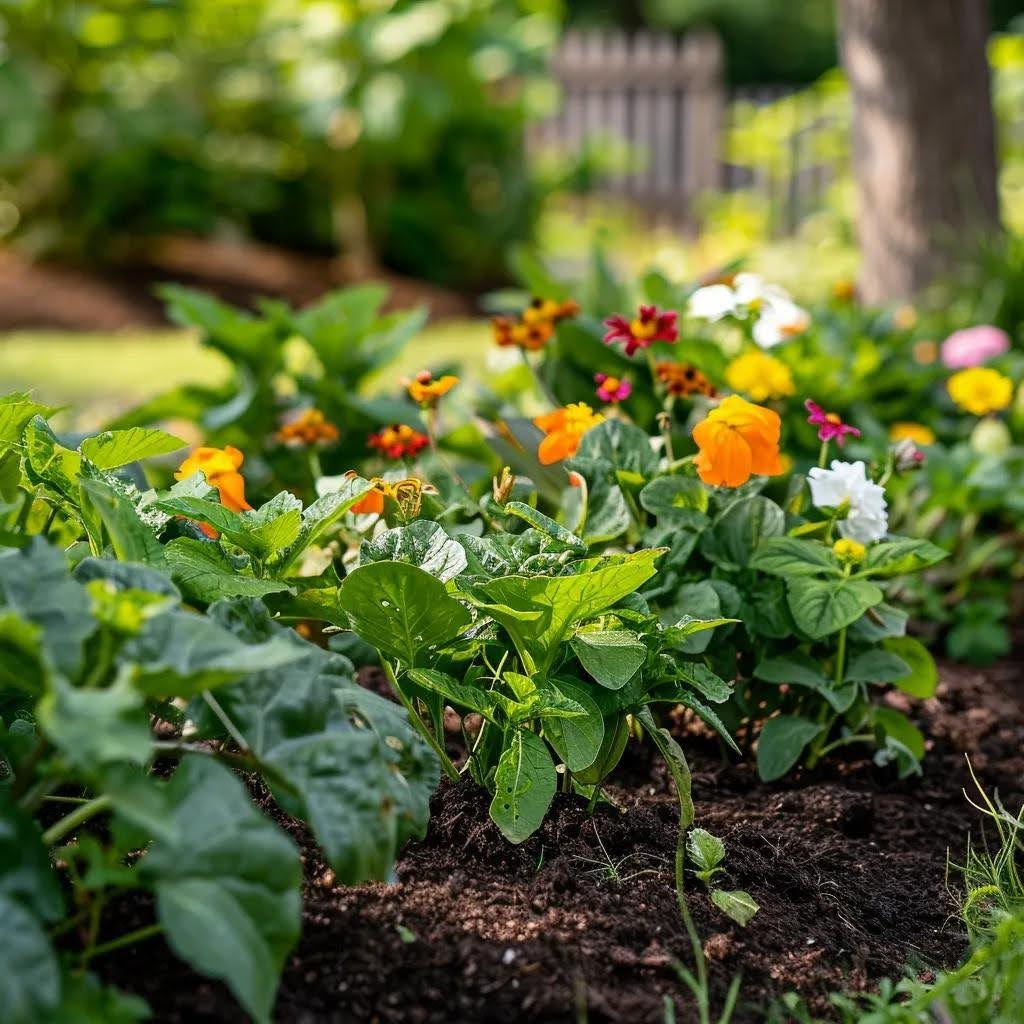
Well-maintained compost eventually transforms into rich, earthy “black gold.”
Harvesting and Using Your Finished Compost: The Black Gold Reward
The moment of truth! After all your efforts, it’s time to reap the rewards of your labor and discover how to compost food examples can be utilized in your garden. Knowing when your compost is ready and how to use it effectively is just as important as the composting process itself.
When is Compost Ready? Signs of “Black Gold”
Finished compost, often called “black gold,” will have several distinct characteristics:
- Color: It should be dark brown to black.
- Texture: It should be crumbly and uniform, with most of the original materials no longer recognizable. You might see a few larger pieces of wood or eggshells, which is fine.
- Smell: It should have a fresh, earthy aroma, like damp forest soil. There should be no foul or sour odors.
- Temperature: The pile should be cool to the touch, indicating that the intense microbial activity has slowed down.
If your compost isn’t fully broken down, you can leave it to cure for a few more weeks, or screen out the larger pieces and return them to an active pile for further decomposition.
Harvesting Your Compost
How you harvest depends on your bin type:
- Open Piles/Bins: Simply shovel the finished compost from the bottom or sides of the pile.
- Continuous Composting Bins: Many bins have a hatch at the bottom from which you can remove finished compost while new material is added to the top.
- Tumbling Composters: Stop adding new materials once the bin is full and let it fully decompose. Once ready, empty the entire batch.
- Worm Bins: There are various methods, often involving migrating worms to one side or layer of the bin, then harvesting castings from the other.
Using Your Finished Compost: A Versatile Soil Amendment
Finished compost is incredibly versatile and beneficial in various gardening applications:
- Soil Amendment for Gardens and Raised Beds: Mix 1-4 inches of compost into the top 6-12 inches of soil before planting. This enriches the soil, improves drainage, and increases water retention.
- Top Dressing: Spread a ½ to 1-inch layer of compost around established plants, shrubs, and trees. This slowly releases nutrients and protects the soil.
- Potting Mix Component: Mix finished compost with perlite, vermiculite, and a soil-less medium (like coco coir or peat moss) to create your own nutrient-rich potting mix for containers and seedlings. A common ratio is 1 part compost to 2-3 parts other ingredients.
- Lawn Care: Spread a thin layer (¼ to ½ inch) of compost over your lawn in spring or fall, then rake it in. This improves soil health, reduces compaction, and promotes healthier grass.
- Seed Starting: While pure compost can be too rich for delicate seedlings, a small amount mixed into a seed-starting mix provides gentle nutrients.
- Tea for Plants (Compost Tea): Steep finished compost in water for 24-48 hours (with aeration) to create a liquid fertilizer rich in beneficial microbes and soluble nutrients. Dilute before applying.
These how to compost food examples demonstrate the immense value of composting. By integrating this rich organic matter back into your garden, you’re not just disposing of waste; you’re actively building healthier soil, fostering robust plant growth, and creating a more sustainable ecosystem right in your backyard.
Advanced Composting Strategies and How to Compost Food Checklist
Once you’ve mastered the basics, you might be ready to explore more advanced techniques or fine-tune your process. This section offers further insights and a practical how to compost food checklist to ensure consistency and success.
Advanced Strategies for Optimized Composting
1. Hot Composting with Precision
For those aiming for maximum efficiency, a more precise approach to hot composting involves:
- Temperature Monitoring: Use a compost thermometer to keep track of internal temperatures (aim for 130-160°F or 55-70°C). This range ensures rapid decomposition and pathogen kill-off.
- Batch Composting: Build your pile all at once with a balanced mix of greens and browns. This ensures a consistent C:N ratio from the start, allowing the pile to heat up quickly and evenly.
- Consistent Turning Schedule: Turn every 2-3 days when temperatures are high. After a few turns, the heating will subside, indicating the composting process is maturing.
2. Trench Composting
This simple method involves burying food scraps directly into your garden beds. Dig a trench or hole, deposit your food scraps, and cover them with soil. The microbes and worms in the soil do the work. It’s particularly good for directly feeding specific garden areas and for dense, wet items that might become anaerobic in a pile. This is a great “how to compost food template” for discreet, low-effort composting directly in the garden.
3. Composting Specific Waste Streams
- Pet Hair & Nail Clippings: These are great sources of nitrogen and decompose well.
- Fallen Fruit: While compostable, large amounts of fallen fruit can attract pests and become too wet. Mix thoroughly with plenty of browns.
- Cardboard: Shredded cardboard is an excellent brown material. Avoid glossy or heavily printed cardboard.
- Newspaper: Shredded black and white newspaper is a good carbon source.
4. Odor Control Beyond the Basics
If you’re still experiencing odors, try these tactics:
- Charcoal: A layer of charcoal at the bottom of your kitchen scrap bin can absorb odors.
- Fermentation with Effective Microorganisms (EM): Similar to Bokashi, EM sprays can reduce odors and speed decomposition in traditional piles.
Your Essential How to Compost Food Checklist
To keep your composting efforts on track, here’s a handy checklist:
- Initial Setup:[ ] Choose appropriate composting method (Hot, Cold, Worm, Bokashi).
- [ ] Select an optimal location (partial shade, well-drained, accessible).
- [ ] Gather necessary tools (bin, pitchfork, kitchen scrap collector).
- [ ] Start with a coarse brown base layer for aeration.
- [ ] Build your pile with alternating layers of browns and greens.
- Daily/Weekly Maintenance:[ ] Collect kitchen scraps in an easily accessible container.
- [ ] Add new food scraps to the main pile, burying them under browns.
- [ ] Ensure a balance of greens and browns (aim for 1:2 or 1:3 green:brown volume).
- [ ] Check moisture levels; add water if too dry, browns if too wet.
- [ ] Turn the pile regularly (weekly for hot compost, monthly for cold).
- Monitoring & Troubleshooting:[ ] Check for earthy smell; address foul odors with turning and browns.
- [ ] Monitor pile temperature (if hot composting).
- [ ] Inspect for pests; cover food scraps well and avoid prohibited items.
- [ ] Break up large clumps or pieces.
- Harvesting & Usage:[ ] Identify finished compost by color, texture, smell, and temperature.
- [ ] Harvest finished compost from the bottom or entire batch.
- [ ] Use compost as a soil amendment, top dressing, or potting mix component.
- Continuous Improvement:[ ] Experiment with different materials and ratios.
- [ ] Keep a composting journal to track progress and lessons learned.
- [ ] Share your composting success and learn from others!
This checklist provides a structured approach, allowing you to effectively manage your composting system and consistently produce nutrient-rich soil amendments. It’s an invaluable tool whether you’re just learning how to compost food tips or refining an existing system.
Frequently Asked Questions (FAQs) About Composting Food Scraps
Composting often brings up a host of questions, especially for beginners. Here are some of the most common inquiries regarding how to compost food effectively.
Can I compost meat, bones, or dairy products?
Generally, no. While these items will eventually decompose, they are strongly discouraged in home compost piles. They break down slowly, attract pests (rodents, flies, raccoons), and can create foul odors. In large-scale industrial composting facilities, specialized equipment and higher temperatures can safely process them, but for backyard composting, it’s best to avoid them.
Will my compost pile smell bad?
A well-maintained compost pile should not smell bad. It should have a pleasant, earthy aroma. Foul odors (like rotten eggs or ammonia) usually indicate an imbalance: too much nitrogen (greens), too much moisture, or not enough aeration. The solution is typically to add more dry brown materials and turn the pile to introduce oxygen.
How long does it take for food scraps to turn into compost?
The time frame varies greatly depending on the method and effort:
- Hot Composting: Can produce finished compost in 2 weeks to 3 months.
- Cold Composting: Takes 6 months to 2 years.
- Vermicomposting: Worms can process scraps into castings in 1-3 months.
- Bokashi: Fermentation takes 10-14 days, followed by several weeks for final decomposition in soil.
Chopping materials into smaller pieces and regularly turning can significantly speed up the process.
Can I compost moldy or spoiled food?
Yes, most moldy or spoiled food (fruits, vegetables, bread, grains) is perfectly fine for composting. In fact, the mold and bacteria are part of the decomposition process! Just avoid adding large quantities of rotten meat or dairy for the reasons mentioned above. If you’re concerned about plant diseases, avoid composting diseased plant material.
What’s the difference between compost and fertilizer?
While both benefit plants, they function differently. Fertilizer provides specific, concentrated nutrients (N-P-K) that plants absorb quickly. Compost, on the other hand, is primarily a soil amendment. It improves soil structure, water retention, and aeration, and slowly releases a broad spectrum of nutrients over time. Compost also introduces beneficial microorganisms, which synthetic fertilizers do not. Think of fertilizer as a quick meal and compost as building a healthy gut biome for your soil.
Do I need a special compost bin?
No, not necessarily. You can start a compost pile directly on the ground. However, a bin can help contain the pile, retain heat, deter pests, and make turning easier. Options range from simple wire mesh cylinders to sophisticated tumbling composters or multi-tiered worm bins. Choose one that fits your space, budget, and desired level of involvement.
Can I compost in an apartment?
Absolutely! Vermicomposting (worm composting) and Bokashi composting are excellent options for apartment dwellers. Both can be done indoors with minimal space and are typically odor-free when managed correctly. Many cities also offer municipal composting programs where you can drop off food scraps.
Conclusion: Embrace the Cycle, Enrich Your Earth
Embarking on the journey of composting food scraps is more than just a gardening chore; it’s a commitment to sustainability, a powerful way to reduce your environmental footprint, and a direct contribution to healthier soil. From understanding the vital balance of browns and greens to selecting the right method and diligently maintaining your pile, the process of how to compost food is both an art and a science.
By following the comprehensive guidance provided in this article, you are now equipped with the knowledge to transform your kitchen waste into a valuable resource. Imagine the satisfaction of returning nutrient-rich, homemade compost to your garden, watching your plants thrive, and knowing you’ve played a direct role in closing the ecological loop. Embrace this rewarding practice, experiment with the techniques, and observe the incredible transformation. Your garden, and the planet, will thank you for it.
About the author