Effective Recycling Programs for Municipalities: 10 Proven Strategies for Cleaner, Greener Communities
By BKThemes
1. Introduction: Why Recycling Programs Matter for Municipalities
Recycling isn’t just an environmental gesture — it’s a practical necessity for growing cities and towns. As waste production continues to climb, municipalities face enormous pressure to manage resources efficiently and protect public health. Effective recycling programs help reduce landfill use, cut emissions, conserve resources, and even save taxpayer money.
But creating a truly effective recycling program isn’t simple. It requires a mix of strong policy, community engagement, technology, and infrastructure. In this article, we’ll explore how municipalities can design, implement, and maintain recycling programs that work — programs that citizens actually use and that create lasting impact.
2. Understanding Municipal Recycling Systems
2.1 What is Municipal Recycling?
Municipal recycling refers to waste management systems run or regulated by local governments. These programs collect, sort, and process recyclable materials from homes, businesses, and public spaces. The goal is to recover valuable resources — such as paper, glass, plastic, and metals — and return them into the production cycle instead of dumping them into landfills.
2.2 Types of Materials Commonly Recycled
Municipal programs typically target:
- Paper and cardboard
- Glass bottles and jars
- Metals (aluminum cans, steel containers)
- Plastics (PET, HDPE, etc.)
- Organic waste (composting programs)
2.3 Goals and Challenges of Recycling Programs
The primary goals are to reduce landfill waste, lower environmental impact, and promote sustainability.
Challenges include contamination, lack of public participation, fluctuating material markets, and insufficient funding for proper infrastructure.
3. The Current State of Recycling Around the World
3.1 Global Recycling Statistics
According to the World Bank, the world generates more than 2 billion tons of municipal solid waste each year — and only 13% is recycled properly. In high-income countries, recycling rates range from 30–60%, while many developing regions recycle less than 10%.
3.2 Successful International Examples
- Sweden recycles or recovers energy from 99% of its waste.
- Germany maintains one of the highest recycling rates globally, at nearly 68%.
- South Korea’s food waste recycling program has achieved over 90% participation by charging households for unrecycled waste.
3.3 Lessons for Local Governments
Success comes from combining strong policies, clear sorting rules, consistent education, and reliable collection systems.
4. Core Components of Effective Municipal Recycling Programs
4.1 Collection Systems and Infrastructure
Collection is the backbone of recycling. Municipalities use:
- Curbside collection: Convenient for residents, boosting participation.
- Drop-off centers: For rural or low-density areas.
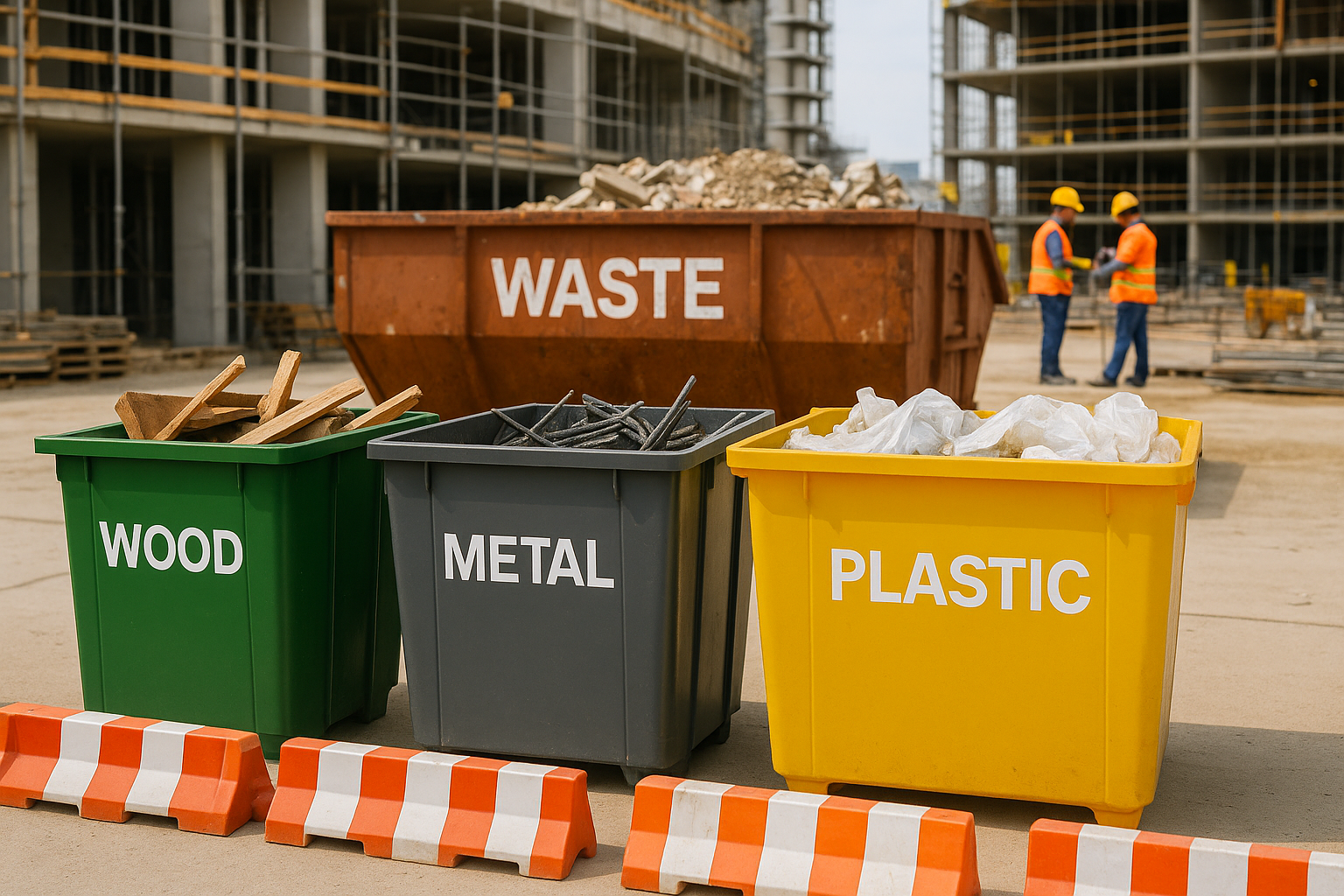
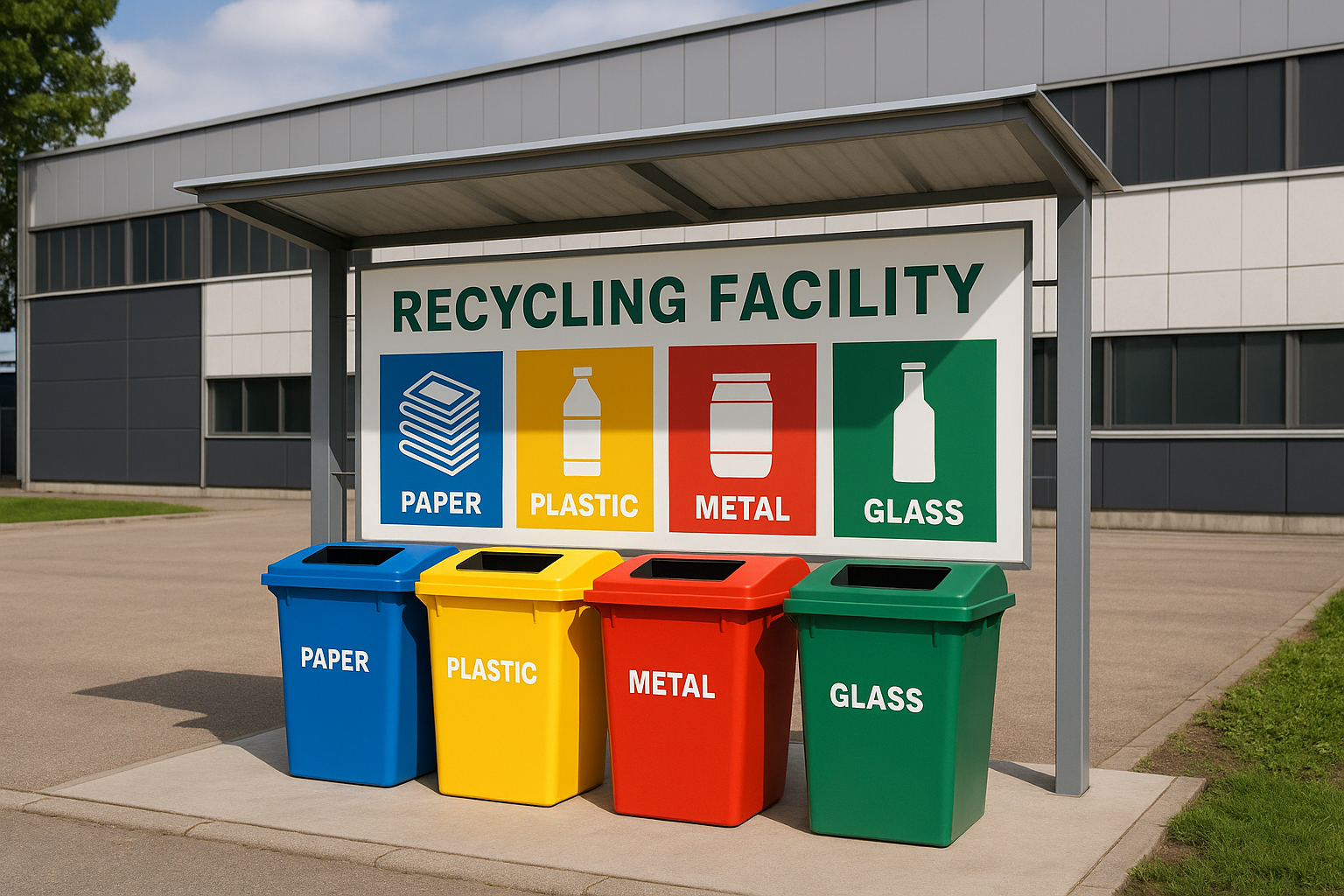
- Multi-stream systems: Separate containers for paper, glass, and plastics to reduce contamination.
4.2 Sorting and Processing Facilities
Modern Material Recovery Facilities (MRFs) use advanced conveyor systems, magnets, air jets, and AI-powered cameras to sort recyclables efficiently. These facilities ensure materials are clean and ready for reuse.
4.3 Public Education and Participation
Even the best recycling systems fail without informed citizens. Education campaigns that simplify recycling rules and use visual aids (like color-coded bins) dramatically improve participation.
5. Key Strategies for Municipal Recycling Success
5.1 Curbside Collection and Convenience
People recycle more when it’s easy. Providing clearly labeled bins and regular collection schedules makes recycling routine.
5.2 Pay-As-You-Throw (PAYT) Systems
PAYT programs charge residents based on how much non-recyclable waste they produce. This creates a financial incentive to recycle more and waste less.
5.3 Clear Labeling and Contamination Control
Contamination — when non-recyclable materials mix with recyclables — can ruin entire loads. Using standardized bin labels and consistent color systems helps prevent mistakes.
5.4 Partnerships with Private Waste Haulers
Municipalities can collaborate with private recycling companies to access advanced technology and share processing costs.
5.5 Data Tracking and Performance Metrics
Tracking recycling rates, contamination levels, and participation rates helps cities identify weak points and improve performance over time.
6. Community Engagement and Behavior Change
6.1 Educational Campaigns and Outreach
Public outreach builds trust and participation. Campaigns using flyers, billboards, local events, and social media can reach diverse audiences.
6.2 School and Youth Involvement
Teaching recycling in schools creates lifelong habits. Students can become ambassadors for sustainability at home.
6.3 Social Media and Digital Tools
Municipalities are now using apps and online dashboards to show recycling schedules, contamination warnings, and educational tips — making recycling interactive and transparent.
7. Technology’s Role in Modern Recycling
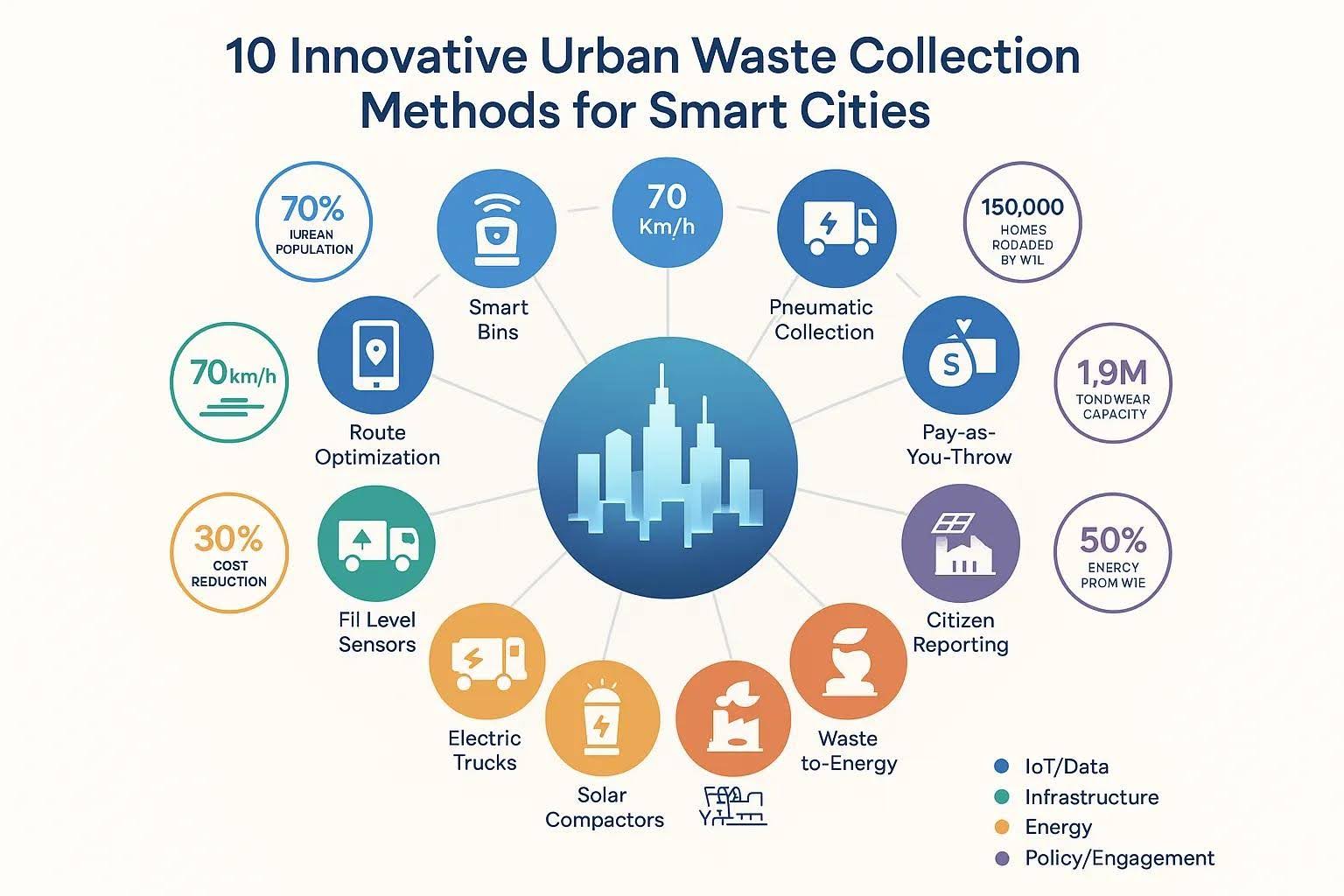
7.1 Smart Bins and Sensors
Smart bins equipped with sensors track fill levels, helping cities optimize collection routes and reduce fuel consumption.
7.2 AI-Powered Sorting Systems
Artificial Intelligence identifies and separates materials faster and more accurately than humans, improving recycling efficiency.
7.3 Data Analytics for Waste Management Decisions
Data helps municipalities predict trends, identify areas with low participation, and improve decision-making about resource allocation.
8. Economic and Environmental Benefits
8.1 Cost Savings for Municipalities
Recycling reduces landfill costs and generates revenue from selling recovered materials.
8.2 Job Creation and Green Economy Growth
Recycling creates jobs in collection, sorting, processing, and product manufacturing — supporting a circular economy.
8.3 Reduction in Landfill and Pollution
Each ton of recycled waste reduces greenhouse gas emissions, conserves energy, and prevents pollution in air, water, and soil.
9. Challenges Faced by Municipalities
9.1 Contamination and Low Participation
Many recyclables end up rejected due to contamination — greasy pizza boxes, plastic bags, or non-recyclables mixed with recyclables.
9.2 Funding and Logistical Constraints
Starting and maintaining recycling programs requires funding for vehicles, staff, facilities, and education.
9.3 Market Fluctuations for Recyclables
The prices of recyclable materials (like paper or plastic) fluctuate, which can make recycling less profitable at times.
10. Policy and Regulation Support
10.1 Extended Producer Responsibility (EPR)
EPR laws make manufacturers responsible for the end-of-life management of their products. This encourages eco-friendly packaging design.
10.2 Local Ordinances and Mandates
Cities can require businesses and residents to separate recyclables, ensuring consistent participation.
10.3 Incentives for Citizens and Businesses
Offering rebates or recognition programs for high-performing households or companies encourages positive behavior.
11. Case Studies: Municipal Recycling Success Stories
11.1 San Francisco’s Zero Waste Program
San Francisco aims for zero waste by 2030. The city provides three-bin systems (recycling, compost, landfill), mandatory sorting laws, and free compost pickup — achieving over 80% waste diversion.
11.2 Sweden’s Circular Economy Model
Sweden’s nationwide program integrates waste-to-energy plants with household recycling. Less than 1% of waste ends up in landfills.
11.3 South Korea’s Recycling Innovations
South Korea introduced a “volume-based waste fee system,” smart bins, and strict sorting laws. It’s one of the few countries where citizens pay for waste but earn from recyclables.
12. Creating a Culture of Sustainability
12.1 Building Civic Pride Through Recycling
When residents see clean neighborhoods and understand the benefits, recycling becomes a community value.
12.2 Engaging Businesses and Institutions
Large institutions can drastically reduce waste by setting internal recycling targets and sharing data publicly.
12.3 Celebrating Community Achievements
Recognizing top recyclers, schools, or neighborhoods builds friendly competition and pride.
13. The Future of Recycling: Circular Economy and Innovation
The future of recycling lies in circular economy systems, where products are designed for reuse and minimal waste. Innovations like biodegradable packaging, 3D printing from recycled plastics, and AI-driven sorting will continue to transform municipal recycling.
14. Conclusion: Building a Cleaner, Sustainable Future Together
Effective recycling programs for municipalities are not one-size-fits-all — they’re built on community trust, smart design, and strong leadership. By combining education, technology, policy, and collaboration, local governments can turn waste into opportunity and pollution into progress.
Every bottle recycled, every composted apple core, and every informed citizen contributes to a cleaner future. Recycling is not just a process — it’s a promise to the next generation.
About the author