Electronic waste (e-waste) encompasses discarded electrical and electronic equipment and their parts, representing a rapidly growing waste stream that demands responsible handling to avoid environmental and health harm. Current research shows global e-waste tonnage has been rising steadily through 2022–2025, creating both pollution risks and opportunities for material recovery that reduce primary mining and greenhouse gas emissions. This guide explains what counts as e-waste, the hazardous chemicals commonly found in devices, step-by-step disposal and certified recycling methods, and what businesses and communities must do to comply with regulations and protect data. Readers will learn practical preparation steps (backup, wipe, remove batteries), how to choose drop-off, pickup, or mail-in routes, how data is securely destroyed before recycling, and where to locate local recycling centers and events. The article also reviews environmental impacts, up-to-date statistics and trends, major regulatory frameworks, and corporate program design to help individuals and organizations transition toward circular economy practices. By the end, you will have clear, actionable steps for safe e-waste disposal and tools to evaluate recyclers and local services.
What Is Electronic Waste and Which Electronics Are Considered E-Waste?
Electronic waste is any discarded electrical or electronic equipment that is broken, obsolete, or unwanted, and it creates environmental and health risks when mismanaged; proper classification helps direct items to appropriate recovery streams. E-waste includes small consumer devices and large industrial equipment, and understanding categories clarifies where items should go for recycling or safe disposal. Proper classification also improves resource recovery, enabling precious metal recovery and reducing demand for primary extraction. The next sections break down device categories, hazardous materials commonly present in e-waste, and why correct disposal matters for people and the planet.
What Types of Devices Are Classified as E-Waste?
E-waste covers a broad set of device streams, ranging from personal electronics to household appliances and specialized industrial equipment, and each stream often requires distinct handling and processing. Consumer electronics such as mobile phones, laptops, and tablets are high-volume sources of recoverable metals and batteries, while televisions and monitors—especially CRTs—present specific glass and lead handling issues. Home appliances and large equipment like refrigerators, washing machines, and HVAC units contain refrigerants and metals that need certified processing to avoid emissions and enable material recovery. Batteries and lamps form specialized streams due to chemical risks, so they typically go to designated battery or lamp recycling programs.
What Hazardous Materials Are Found in Electronic Waste?
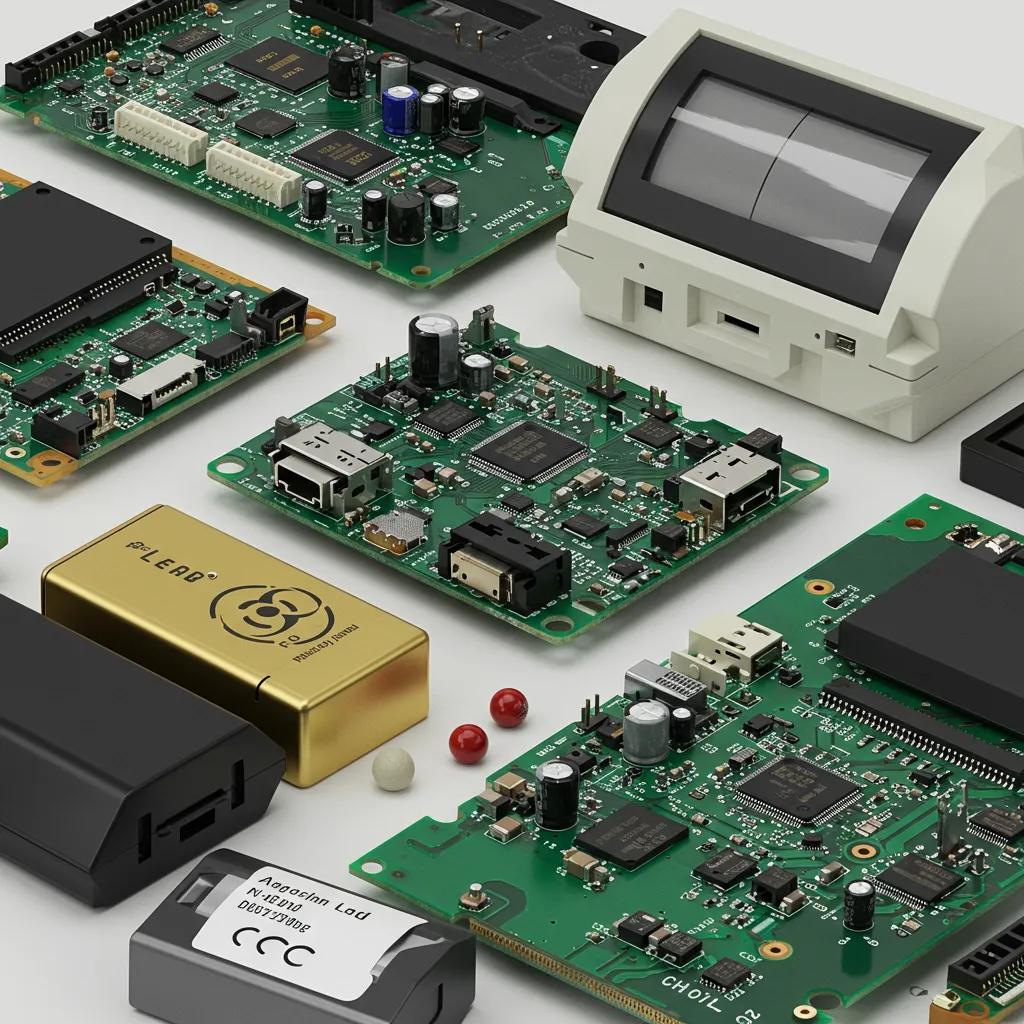
E-waste contains several hazardous substances that create contamination pathways and worker health risks if separated improperly during informal processing or landfilling. Lead appears in older solder and CRT glass, mercury in some switches and backlights, cadmium in rechargeable batteries and certain semiconductors, brominated flame retardants in plastics, and lithium in modern lithium-ion batteries, which also pose fire risks if punctured. Each substance has distinct exposure routes—leaching to groundwater, air emissions from open burning, or dust inhalation at informal dismantling sites—so separation and certified treatment reduce environmental and occupational harm. Understanding these contaminants explains why business e-waste recycling and controlled dismantling are essential for safe resource recovery.
Why Is Proper E-Waste Disposal Important?
Proper e-waste disposal prevents toxic releases, enables recovery of valuable materials, and reduces greenhouse gas emissions associated with primary production, offering clear environmental and economic benefits. When devices enter certified recycling streams, metals such as gold, copper, and palladium are recovered and reintroduced to manufacturing, lowering demand for mining and preserving finite resources. Proper handling also protects public health by minimizing exposure to lead, mercury, cadmium, and persistent organic pollutants, reducing risks to nearby communities and workers. Recognizing these benefits motivates individuals and organizations to choose verified disposal routes and supports broader circular economy goals.
How to Recycle Old Electronics: Step-by-Step Disposal and Recycling Methods
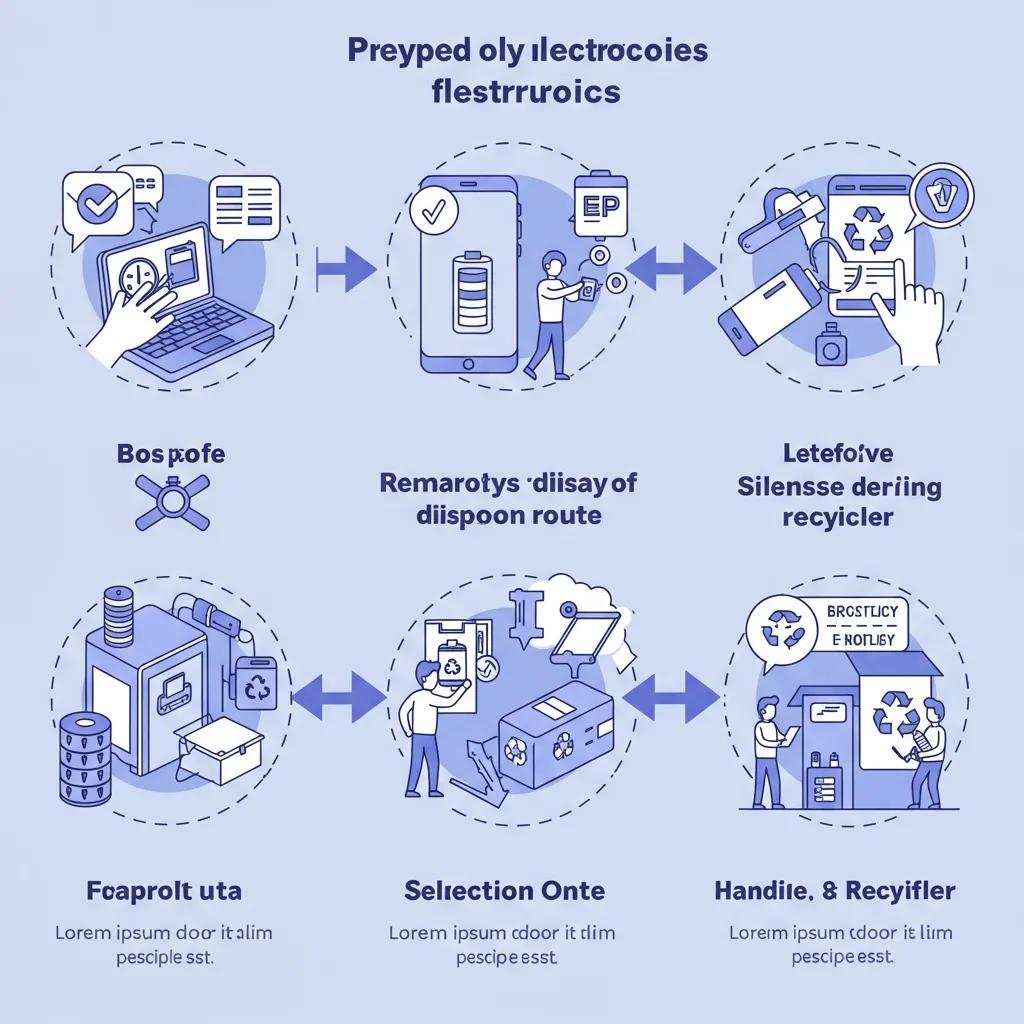
Recycling old electronics follows a clear sequence: prepare the device (backup and wipe data, remove batteries), select an appropriate disposal route, and verify that downstream processors use safe and certified practices to recover materials and manage hazards. This stepwise approach reduces data risk, prevents fires from loose batteries, and maximizes recovery of precious metals and plastics for reuse. Choosing the right route—drop-off, pickup, mail-in, trade-in, or donation—depends on item type, volume, and local options; the following steps help consumers and small businesses act responsibly. The next subsections explain common service types, operational expectations for program types, and certification and safety practices to verify before handing over devices.
Before you hand over devices, follow these numbered preparation steps to protect data and prevent hazards:
- Back up important files to a secure drive or cloud service, ensuring you can restore data once devices are retired.
- Remove personal accounts and perform factory resets on phones, tablets, and computers to delete user data.
- Remove batteries where possible and tape exposed terminals; store batteries separately for dedicated battery recycling.
- Label larger appliances and note refrigerant or hazardous components so recyclers can triage items correctly.
These preparation steps make the transfer to a recycler safer and more efficient; next, we compare the main service types.
Intro to table: The table below summarizes typical service types people encounter for electronics recycling, highlighting what each service usually accepts and cost notes to guide selection.
| Service Type | Typical Acceptance & Suitability | Typical Cost & Notes |
|---|---|---|
| Drop-off centers / retail takeback | Small electronics, batteries, and some appliances, suitable for consumers with a few items | Often free for small items; TVs or large appliances may incur fees |
| Curbside or scheduled pickup | Bulk collections for residents or businesses; suitable for heavy or numerous items | May require appointment; fees vary by municipality or vendor |
| Mail-in programs | Phones, small electronics, and chargers; good for remote locations | Fees or prepaid labels are sometimes required; secure chain-of-custody is possible |
| Trade-in/manufacturer takeback | Working devices for refurbishment or credit toward purchase | May offer store credit; data wiping is important before trade-in |
| Community collection events | Periodic municipal or nonprofit events accepting many device types | Often free or low-cost and good for one-off disposal drives |
This comparison clarifies trade-offs between convenience, cost, and acceptance; the following subsection details how each program operates and what to expect at drop-off or pickup.
What Are the Common E-Waste Disposal Services Available Near Me?
Consumers typically find several local options: permanent drop-off centers, retail store takeback counters, municipal collection events, scheduled bulky-item pickups, and mail-in recycling services that accept small devices. Each option has pros and cons: drop-off centers offer in-person verification and immediate acceptance, but may have limited hours, while mail-in programs are convenient for one or two small items but can include fees and shipping risk. Municipal collection events expand accessibility and often accept a wider range of equipment, whereas trade-in programs incentivize reuse through credit but require strict data removal. Understanding these distinctions helps you pick the route that balances convenience, cost, and environmental outcomes.
How Do Drop-Off, Pickup, and Mail-In Recycling Programs Work?
Operationally, drop-off centers check items for hazardous components and route materials into sorting, depollution, and shredding streams, while pickup services coordinate logistics and may require in-home access or staging rules. Mail-in programs require secure packaging, clear labeling, and, in some cases, proof-of-ownership or chain-of-custody documentation; they often focus on small electronics like phones and tablets. Typical costs vary: many municipal programs accept small devices for free, retailers may accept certain items without charge, and private pickup or mail-in services can charge based on weight or device type. Preparing items (battery removal, data wiping) simplifies acceptance and prevents delays.
What Are Safe and Certified Electronics Recycling Practices?
Safe recycling practices begin with certified processors that separate hazardous fractions, use controlled depollution for refrigerants and batteries, and apply downstream material recovery processes that capture metals and plastics while preventing toxic releases. Look for evidence that recyclers follow recognized standards, maintain transparent chain-of-custody records, and provide documentation of responsible processing and material disposition. Responsible facilities avoid export to informal processing, use enclosed shredding and magnetic/eddy-current sorting technologies, and manage residues through permitted hazardous waste pathways. Confirming these practices helps protect human health and strengthens circular supply chains.
How Is Data Securely Destroyed Before Recycling?
Data destruction follows a hierarchy of methods—from software-based secure erasure to physical destruction and certified services—depending on device type, sensitivity, and regulatory needs. For personal devices, factory resets combined with full-disk encryption and verified erasure software usually render data inaccessible; for business or regulated data, NIST-compliant wipes, degaussing for magnetic media, or physical shredding provide higher assurance. Certified data destruction services offer documentation and certificates of destruction, which are essential for compliance and audit trails. Choosing the appropriate method depends on data sensitivity, the device medium, and whether the device will be refurbished or recycled.
What Is the Environmental Impact of Electronic Waste?
E-waste affects the environment through multiple pollution pathways, resource depletion, and greenhouse gas emissions, but proper recycling mitigates many of these impacts by recovering materials and avoiding primary production. Contaminants released from informal or improper processing—heavy metals, persistent organic pollutants, and battery fires—can damage soil, water, and air quality, creating lasting ecological and human health consequences. Recycling reduces these risks while enabling circular economy benefits such as reduced mining and lower lifecycle emissions for electronics. The following subsections examine contamination mechanisms, health risks from specific toxins, and the environmental benefits that recycling and recovery deliver.
How Does E-Waste Pollute Soil, Water, and Air?
E-waste pollutes through landfill leachate, open burning of plastics, and informal dismantling that liberates heavy metals and halogenated flame retardants into the environment, with contaminants migrating into groundwater and nearby food systems. Open burning releases toxic fumes and particulate matter, including brominated dioxins and furans, while acid leachates from corroding components mobilize lead, cadmium, and mercury into soils. Informal salvage operations often lack controls, increasing community exposure and contaminating ecosystems across air, soil, and water. Preventing these pathways requires containment, controlled dismantling, and certified processing to capture and treat hazardous streams.
- Landfill leachate carries heavy metals into groundwater.
- Open burning releases toxic gases and particulate matter.
- Informal dismantling disperses dust and chemical residues into soil.
These pollution mechanisms make clear why regulated recycling is necessary to protect environmental quality and public health.
What Are the Health Risks from Toxic Substances in E-Waste?
Major e-waste contaminants produce both acute and chronic health effects: lead impairs neurological development, mercury damages kidneys and the nervous system, and cadmium affects kidneys and bone metabolism, posing particular risks to children and occupationally exposed workers. Brominated flame retardants are associated with endocrine disruption and developmental impacts, while inhalation of particulates from burning plastics contributes to respiratory disease and systemic inflammation. Informal processing communities often experience higher exposure levels, underscoring the need for regulated operations and protective measures for workers. Addressing these health risks requires both upstream measures, like EPR, and downstream certified recycling to reduce exposure.
How Does Recycling Reduce Environmental Damage?
Recycling recovers metals and plastics, avoiding new mining and the associated energy and emissions, and it prevents hazardous substances from entering landfills or being released through open burning, thereby reducing ecological and human health impacts. Material recovery of copper, gold, and rare earths can offset substantial emissions compared to primary extraction, while proper depollution of refrigerants and batteries prevents ozone-depleting or greenhouse gas releases. Recycling also conserves critical resources and supports domestic supply chains for recovered materials, enhancing resilience. Quantifying these benefits supports policy and investment in improved collection and certified processing infrastructure.
What Are the Current Electronic Waste Statistics and Global Trends?
Recent monitoring through 2022–2025 shows rising e-waste generation driven by increasing device turnover, shorter product life cycles, and the proliferation of connected devices, while recycling rates lag behind generation in many regions. Global trends highlight growth in specific streams—temperature exchange equipment, large equipment, and batteries—and increasing regulatory attention, such as EPR schemes and certification uptake that aim to close collection gaps. Market analysts report growing valuation of the e-waste recovery sector due to precious metal recovery and service demand for compliant processing. The following data table summarizes material stream trends and implications for the environment and markets.
Intro to table: The table below highlights several material streams, their recent trends from 2022–2025, and the environmental or market implications tied to each stream. waste management vendor contracts
| Material / Stream | 2022–2025 Trend | Environmental / Market Implication |
|---|---|---|
| Temperature exchange equipment (HVAC) | Increasing volume due to infrastructure turnover | Requires specialized refrigerant recovery; valuable metal and copper recovery |
| Large equipment (white goods) | Steady growth with municipal collection expansion | Logistics and depollution challenge; high metal recovery potential |
| Batteries (portable & EV) | Rapid growth, especially in lithium-ion | Safety, fire risk, and new recycling tech investment; resource recovery is critical |
| Lamps and lighting | Declining for incandescent, variable for specialty lamps | Mercury management remains important for certain lamp types |
This snapshot shows why infrastructure investment and specialized processing are essential to manage growing streams; next, we examine headline generation and market figures.
How Much E-Waste Is Generated and Recycled Globally?
Headline metrics indicate millions of tonnes of e-waste generated annually, with a persistent collection and recycling gap that leaves a substantial share unaccounted for or informally processed, and regional disparities amplify the problem. While recycling rates improve in some jurisdictions due to EPR and expanded collection, many low- and middle-income regions still face low formal recovery and higher informal processing. Projected increases to 2025 and beyond make scaling certified collection and processing capacity urgent. Addressing collection shortfalls requires coordinated policy, consumer access to drop-off options, and incentives for refurbishment and circular design.
Global E-Waste Surge: Environmental Impact and Management Challenges. The quantity of electronic waste generated globally is rising rapidly as a result of advanced technology, over-reliance, and the use of electrical and electronic equipment (EEE) beyond comprehension. The rapid technological advancements have resulted in a reduced lifespan of EEE, resulting in enormous amounts of waste electrical and electronic equipment (WEEE). It is well recognized that EEE contains complex metallic and non-metallic components that, if improperly managed, can seriously disrupt the environment and endanger the survival of life. The majority of industrialized nations possess advanced methods for managing e-waste, well-defined system boundaries, technological expertise, strict legislation, appropriate recycling facilities, and trade with emerging and impoverished countries. However, because of several issues and a dearth of pertinent policies, the situation in emerging nations is different. WEEE is handled in developing nations by using a variety of low-end methods, i 1. Industrial manufacturers are increasingly being challenged to minimize the environmental impacts of their products. With rapid improvements in technology, most computers are disposed of within two years, rather than at the end of their functional life cycle of approximately 10 years. The problem of electronic waste (e-waste) is not only its growing volume but also its toxicity. The use of toxic metals and materials in computers results in environmental and health risks when computers are manufactured, incinerated, landfilled, burned, or melted down during recycling. By looking at the Design for the Environment (DfE) and Extended Producer Responsibility (EPR) aspects of the European Union’s Waste Electronic and Electrical Equipment (WEEE-IT) approach compared to see what is required for sustainability design to improve the North American product stewardship approach, particularly in Manitoba, Canada. Do sustainable computers result from design for the environment and extended producer responsibility? Analyzing e-waste programs in Europe and Canada, S Thompson, 2006
What Is the Market Value and Growth of the E-Waste Industry?
The e-waste recovery market is growing in value as recovered materials become economically attractive and regulations raise service demand; investments in automation and refining technologies are expanding capacity to extract precious metals and plastics. Market drivers include precious metal recovery margins, EPR-induced service contracts, and technology improvements in sorting, pyrometallurgy, and hydrometallurgy. Forecasts through 2030 point to continued growth, particularly in regions implementing robust regulatory frameworks and investing in collection logistics. These dynamics create business opportunities for certified recyclers and material recovery firms that can safely handle hazardous streams.
Which E-Waste Streams Are Growing Fastest?
Fastest-growing streams include lithium-ion batteries tied to consumer electronics and EVs, temperature exchange equipment from HVAC upgrades, and small connected devices from the IoT expansion; each stream presents distinct processing and safety needs. Growth in EV and portable batteries intensifies demand for battery-specific recycling technologies and safety protocols to prevent fires. Expansion of large equipment volumes increases logistics requirements and refrigerant management complexity. Anticipating these trends helps planners and recyclers invest in appropriate infrastructure and training.
What Are the Key Regulations and Compliance Requirements for E-Waste?
E-waste regulation combines international agreements, regional laws, and national or state-level programs that set collection targets, restrict hazardous disposal, and establish producer obligations, creating a compliance landscape that businesses and consumers must navigate. Key frameworks such as the WEEE Directive (Europe) and diverse national/state EPR programs impose responsibilities on producers and influence collection availability for consumers. Certification standards like e-Stewards and R2 provide operational benchmarks for recyclers and protect businesses from liability associated with improper downstream handling. The subsections below briefly summarize major laws, EPR mechanics, and why certification matters.
Intro to table: The following table summarizes representative laws and programs, their jurisdictions, and key compliance implications that affect handling and responsibilities. For more information, visit commercial services.
| Law / Program | Jurisdiction | Key Requirements / Implications |
|---|---|---|
| WEEE Directive | European Union | Producer takeback obligations, collection targets, and member state implementation |
| Extended Producer Responsibility (EPR) models | Various national/state levels | Producers finance collection and recycling; impact product design and consumer options |
| Basel Convention (export controls) | International | Restrictions on transboundary movement of hazardous e-waste; controls on illegal exports |
| State-level e-waste laws | Individual countries/states | Household collection rules, landfill bans, and specific disposal requirements |
This regulatory overview illustrates how duty allocation and export controls shape responsible e-waste management; the next subsections unpack laws, EPR, and certification.
Which Laws Govern Electronic Waste Disposal and Recycling?
At the international and regional levels, agreements and directives set frameworks—such as the Basel Convention for transboundary movement and the WEEE Directive for producer responsibility—while national and state laws translate these into operational rules for collection, disposal bans, and enforcement. Laws commonly ban e-waste in municipal landfills, require reporting and proper hazardous waste management, and sometimes mandate producer-funded collection systems. Illegal export of untreated e-waste remains a global enforcement challenge, and compliance requires verification of downstream processors and export documentation where transfers occur. Understanding applicable local laws is critical for both consumers and businesses to avoid liability.
How Do Extended Producer Responsibility Programs Work?
EPR shifts financing and often operational responsibility for end-of-life electronics to producers through required takeback schemes or fees, incentivizing product design for recyclability and ensuring funding for collection and processing. Under EPR, producers may form collective schemes or individual programs to meet collection targets, fund municipal collections, and support certified recyclers. Consumers typically see improved access to recycling options and clearer end-of-life pathways as a result of EPR, although program specifics (fee structures, targets) vary by jurisdiction. EPR encourages circular design and investment in domestic recycling infrastructure.
Why Is Certification Important for E-Waste Recyclers?
Certification schemes such as R2 and e-Stewards signal that a recycler adheres to environmental, worker safety, and data security standards, reducing risks of improper processing and illegal export and providing assurance for businesses seeking compliant partners. Certifications require audits, documented chain-of-custody practices, and procedures for hazardous separation and responsible material disposition. For businesses, using certified recyclers mitigates legal and reputational risks, supports regulatory compliance, and typically provides documentation needed for sustainability reporting. Verifying certification and reviewing recent audit summaries helps ensure a recycler’s claims are current and robust.
How Can Businesses Manage Electronic Waste Responsibly?
Businesses manage e-waste responsibly by designing collection logistics, selecting certified vendors, documenting data destruction, and tracking KPIs to demonstrate compliance and corporate responsibility; structured programs convert waste into recoverable resources and reduce liability. Corporate programs should include employee education, scheduled collections, secure transport, and contracts with certified processors that provide certificates of recycling and data destruction. Integrating these components into procurement and asset lifecycle policies promotes circularity while protecting sensitive information and meeting regulatory obligations. The following checklist and subsections provide practical program elements and explain data destruction and the benefits of certified solutions.
Businesses can use this checklist to design or evaluate e-waste programs :
- Establish a documented asset disposition policy covering collection, storage, transport, and vendor selection.
- Require vendor certifications and certificates of data destruction or material recovery for audit trails.
- Track metrics such as weight diverted, percent recycled, and cost recovery to inform sustainability reporting.
This checklist supports program development; the next subsections expand on program components and data destruction practices.
What Are Corporate E-Waste Recycling Programs?
Corporate programs typically include centralized collection points, scheduled pickups for departments, manifest tracking for transport, and contractual vendor selection criteria that prioritize certified recyclers and transparent reporting. Programs often define roles for IT, facilities, and procurement to manage secure decommissioning, asset reuse, refurbishment for secondary markets, and end-of-life recycling. Reporting and sustainability KPIs—such as diverted tonnage, recycling rates, and recovered material value—demonstrate program effectiveness and support corporate social responsibility goals. Clear processes reduce leakage into improper channels and enhance opportunities for cost recovery through resale and material reclamation.
How Is Data Destruction Handled for Business Electronics?
For corporate devices, data destruction must meet legal and regulatory standards and be verifiable through certificates and audit trails; options include onsite secure erasure, transport to certified facilities for wiping or physical destruction, and documented chain-of-custody processes. On-site wiping reduces transport risks for sensitive systems, while physical destruction (shredding or crushing) provides the highest assurance for storage devices destined for recycling. Businesses often require NIST-compliant erasure standards or third-party certificates of destruction to satisfy auditors and regulators. Maintaining detailed logs and vendor documentation ensures traceability from collection to final disposition.
What Are the Benefits of Certified Business E-Waste Solutions?
Certified e-waste solutions deliver tangible benefits: regulatory compliance, reduced liability, documented data protection, and potential cost recovery from refurbishing or material reclamation, while supporting corporate sustainability objectives. Certification reduces the risk of illegal exports and improper handling that could harm reputation and result in fines, and it supplies verifiable evidence for sustainability reporting and stakeholder assurance. Material recovery can offset program costs and even generate revenue streams for large-scale collections. Evaluating ROI and risk reduction makes certified programs a strategic investment for many organizations.
Where Can I Find Local Electronics Recycling Centers and Services?
Locating local recycling centers and services requires a mix of municipal resources, retail takeback listings, national or regional recycling locators, and awareness of community events; verification steps ensure chosen options accept your specific items and follow safe processing practices. Typical searches should use targeted queries such as “electronic waste disposal near me” with filters for accepted items and certification, but combining online locators with municipal websites and retailer policies yields the best results. Knowing typical fees and restrictions, and preparing items as required, speeds acceptance and minimizes rejection at drop-off points. For businesses, business e-waste recycling is crucial for managing electronic waste responsibly.
How to Locate Free or Low-Cost E-Waste Drop-Off Points Near Me?
Start with your municipal government website, local waste authority pages, and national recycling locators to identify permanent drop-off centers and scheduled collection events; retail takeback programs and donation centers are additional options for working devices. Use search phrases that include your jurisdiction plus “electronics recycling,” filter results for accepted item types, and verify hours and any appointment requirements before travel. Contactless or scheduled pickups offered by local waste collection services may accept bulky or numerous items for a fee or free, depending on local policy. Preparing items and confirming acceptance criteria reduces the chance of refusal at the drop-off.
- Check municipal or county solid waste pages for collection events and permanent drop-off information.
- Use national or regional recycling locators and filter results by accepted materials.
- Verify with retailers and donation centers for trade-in or reuse options before disposal.
These tactics help you find accessible and appropriate local services, and the next subsection covers typical costs and restrictions you might encounter.
What Are Typical Fees and Restrictions for Local E-Waste Disposal?
Fees and restrictions vary: many municipalities accept small electronics for free, while large appliances, CRT televisions, or bulk commercial collections may carry fees or require appointments, and businesses typically face different pricing than households. Restrictions often include limits on the number of items per household, prohibitions on certain hazardous components without prior notification, and specific preparation requirements for batteries or refrigerants. Always verify whether proof of residency is required for municipal free services and whether retailers offer takeback without fees for particular categories. Understanding these rules beforehand prevents surprises and ensures proper routing of items. cost cost-effective solution for businesses.
How Do Community Recycling Events Support E-Waste Management?
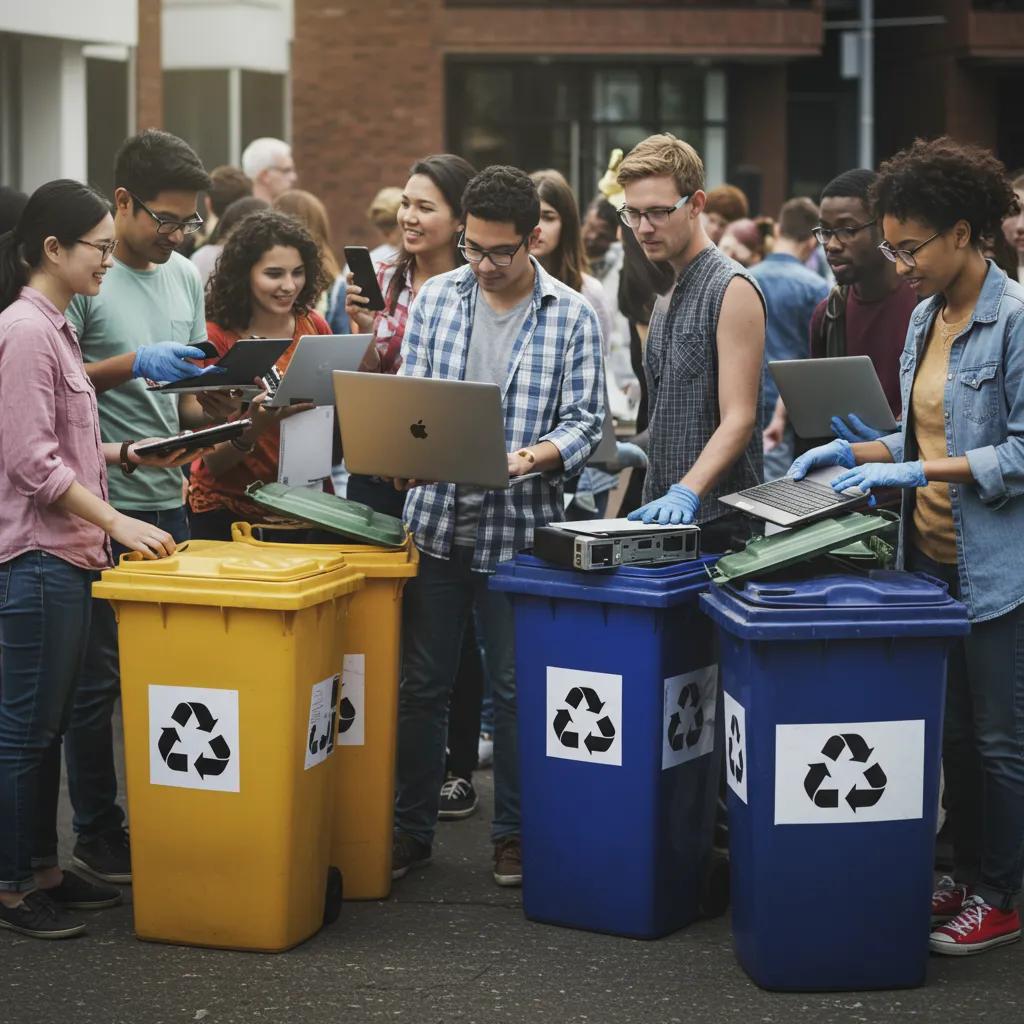
Community events expand access by concentrating collection infrastructure, often accepting a wide array of items at low or no cost and providing on-site triage to separate hazardous streams for appropriate handling. Events commonly partner municipalities with certified recyclers, nonprofits, or manufacturers, improving logistics and public awareness while enabling bulk collection that feeds formal recycling channels. Hosting or participating in such events helps divert materials from informal disposal and provides educational opportunities about safe preparation and data destruction. Finding or organizing events can be an effective strategy for neighborhoods and organizations to increase proper recycling rates.
Electronic waste management requires coordinated action across consumers, businesses, recyclers, and regulators: by preparing devices correctly, selecting certified recyclers, and using local collection options, you reduce environmental harm, protect data, and support circular material flows. The practical steps and resources above provide a roadmap to make safe, compliant, and effective choices for disposing of and recycling electronics.
About the author