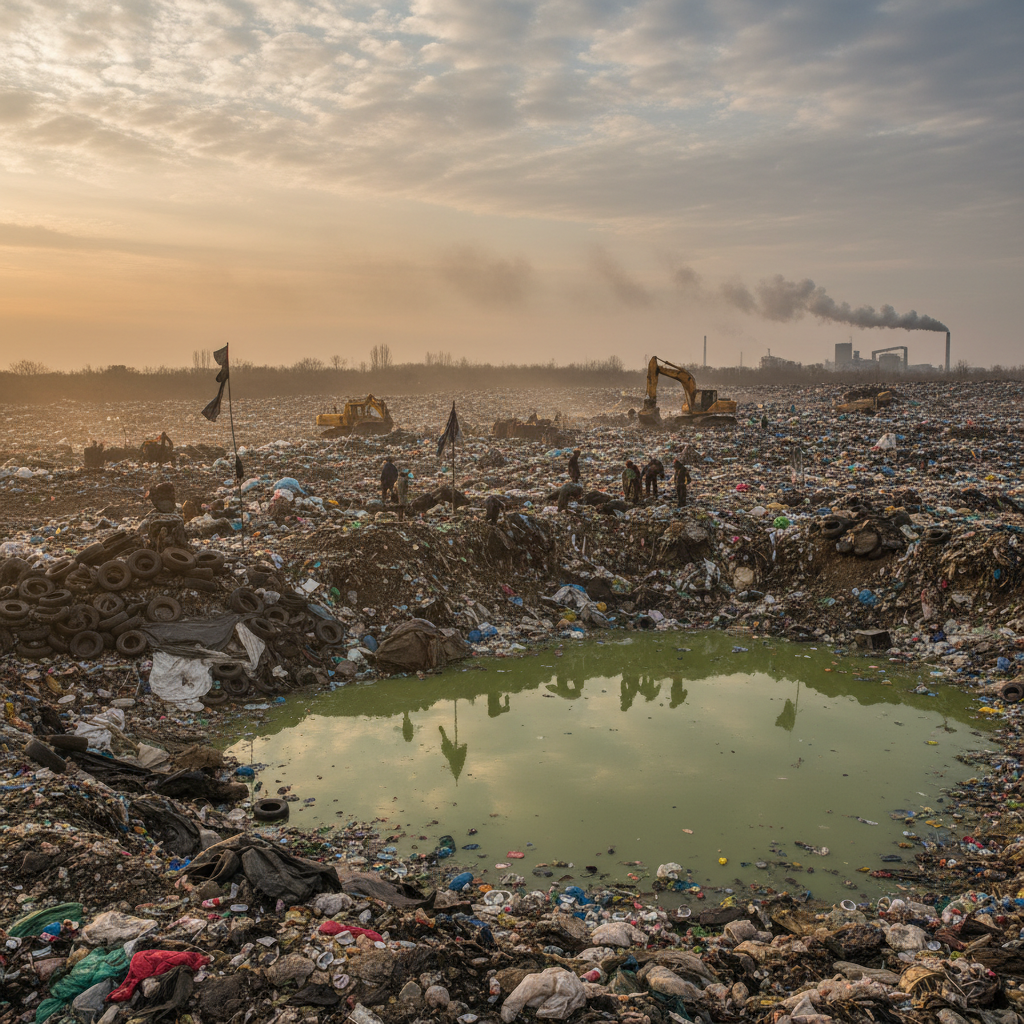
Recycling cooking grease at home means capturing used cooking oil and fats (FOG — fats, oils, and grease) so they can be reused or processed into lower‑carbon products instead of clogging drains or ending up in landfills. This guide walks you through safe storage, preparing oil for drop‑off, and everyday disposal options — simple steps you can follow to protect your plumbing and support FOG profits and sustainability.
Households commonly face greasy sink blockages and confusion about local recycling choices. This article lays out clear, practical methods, easy search strategies for local programs, basic grease‑trap care for small systems, and the environmental and economic reasons to recycle UCO. You’ll learn what containers work best, how to strain and label used oil, where to find certified collection points, and when to consider professional service. Sections below cover disposal methods, locating recycling facilities, preventing drain clogs, the benefits of recycling, grease-trap maintenance, and how commercial collection differs from household recycling — all in actionable, ready-to-use steps.
What Are the Best Cooking Oil Disposal Methods at Home?
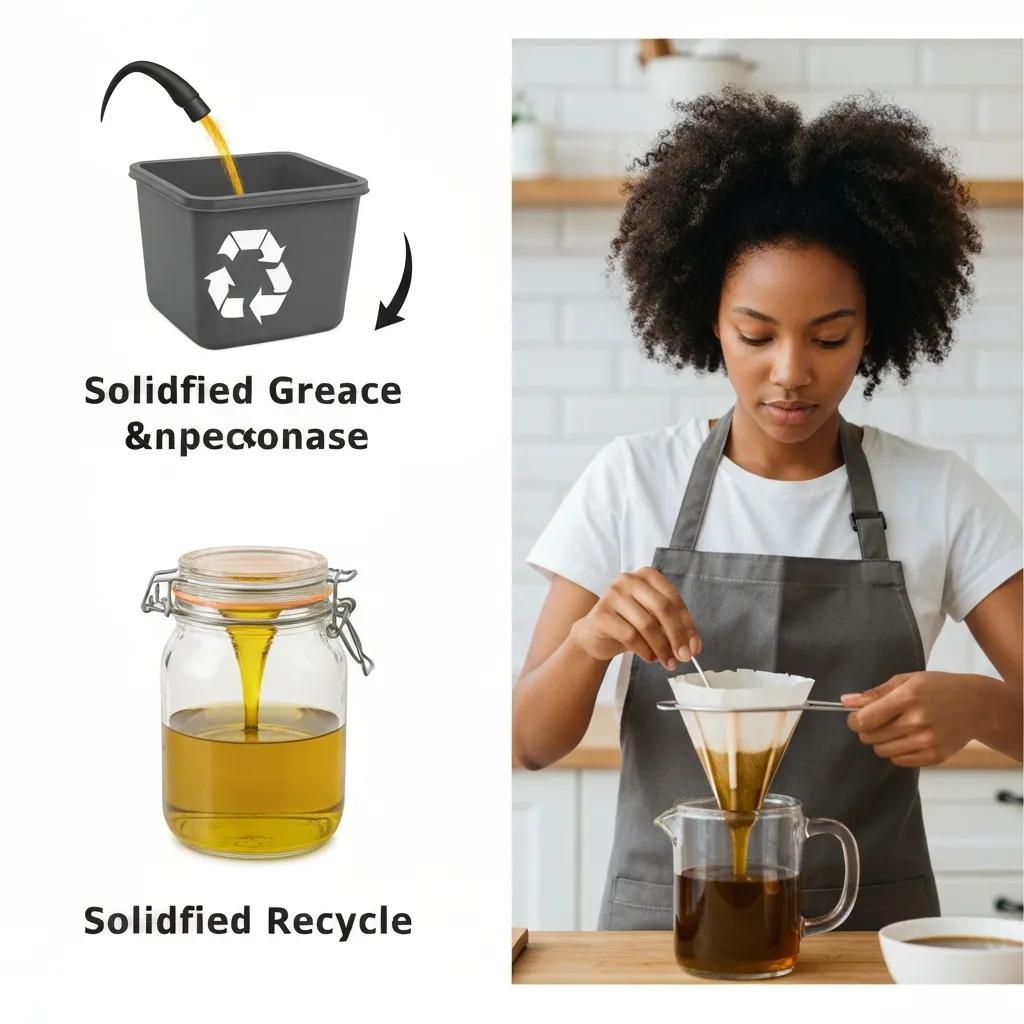
Choosing the right home disposal method prevents sewer blockages, reduces contamination, and preserves the downstream value of used cooking oil (UCO). Effective approaches include solidifying very small amounts of trash, storing larger volumes in sealed containers for collection, reusing filtered oil when it’s safe to do so, and delivering clean oil to certified drop‑off points. Each option balances convenience, safety, environmental benefit, and drainage risk — the best choice depends on how much oil you have, the oil type, and local recycling availability. Below, we outline how to prepare oil for recycling and recommend container types for safe household storage and transport.
Before the comparison table, here’s a short list of top disposal methods and why they work.
- Solidify & Trash: Let small amounts cool and congeal, then dispose in the trash to keep grease out of drains.
- Sealed Container + Recycle: Strain, store in a sealed bottle or jar, and drop off at an approved recycling center.
- Reuse Carefully: Filter and reuse oil for additional cooking when food safety and oil condition allow.
- Commercial Drop‑off: For larger volumes, use retailer, municipal, or commercial collection programs.
These methods focus on preventing sewer damage while maximizing opportunities for reuse and recycling; the table below compares their main attributes to help you decide.
| Disposal Approach | Ease | Environmental Impact | Drainage Risk |
|---|---|---|---|
| Solidify & Trash | Easy for very small amounts | Moderate — keeps liquid out of sewer | Low when fully congealed |
| Sealed Container + Recycle | Moderate — requires storage and transport | High — enables rendering or biodiesel processing | Very low if properly sealed |
| Reuse (filtered) | Moderate — needs filtering and assessment | Moderate — extends oil life and reduces waste | Low when filtered and contained |
| Commercial Drop‑off | Less convenient — requires transport | Very high — professional downstream processing | Very low if handled per requirements |
Overall, sealed collection and certified drop‑off yield the best environmental results; solidifying is a practical fallback where recycling options are limited.
How Can You Safely Store and Prepare Used Cooking Grease for Recycling?
Safe preparation starts with cooling, straining, and removing food solids to reduce contamination and odors. Let oil cool to a safe temperature, then strain it through a fine mesh or cheesecloth to capture crumbs and bits — this improves acceptance by processors and reduces spoilage in storage. Use heat‑resistant, sealable containers and label them with the date and oil type. Refrigeration or freezing can prolong storage life if you hold oil for an extended period before drop‑off. Regularly following these steps increases the chance your UCO will be accepted by renderers and helps avoid spills during transport.
These habits naturally lead to choosing the right container for secure household collection.
Which Containers and Materials Are Ideal for Collecting Cooking Grease?
Use sturdy, leak‑resistant containers like glass jars with tight lids, PET bottles, or purpose‑made UCO jugs to prevent spills and contamination. Glass is chemically stable and easy to clean, but can break; PET bottles and rigid plastic jugs are lightweight and shatterproof for transport. Always use secondary containment — place containers in a tray or box — and label contents and date to help collection centers sort material. Avoid flimsy containers that might burst or leak; secure lids with tape if needed, and keep containers upright during storage and transit to minimize mess and risk.
Picking the right container lowers contamination and makes it simpler to participate in local recycling programs, which the next section helps you find.
Where Can You Find Used Cooking Oil Recycling Near Me?
Look for local UCO recycling through municipal recycling pages, national locator tools, retailer take‑back programs, and community collection events. Start with your city or county sanitation website or use national directories to locate accepted materials and drop‑off points. Call ahead to confirm hours, volume limits, any fees, and preparation rules (for example, whether oil must be strained or in a specific container) to avoid wasted trips. The short checklist below gives practical search steps you can use right away.
- Check municipal recycling pages: Search for FOG or UCO collection details on your local government site.
- Use national locators: Find recycling centers and accepted materials through online directories.
- Call retailers/community events: Ask grocery stores, hardware chains, or community groups about ongoing or seasonal collections.
Following these steps helps you identify certified collectors and prepares your containers correctly for drop‑off, reducing the chance your oil will be rejected or landfilled.
How to Locate Local Recycling Centers and Collection Programs for Cooking Oil
When locating a recycling center, gather practical details — address, hours, volume limits, and any fees — and confirm preparation requirements before you go. Check with your local waste authority to learn whether they accept vegetable oils, animal fats, or both, and whether containers must be sealed and uncontaminated. Prepare your oil as instructed — cooled, strained, and labeled — and use secondary containment during transport to minimize spills. Knowing these specifics in advance speeds drop‑off and increases the likelihood that your household contribution becomes usable feedstock for biodiesel or rendering.
Understanding center operations leads naturally to why certified collection services often deliver better environmental outcomes, as explained next.
What Are the Benefits of Using Certified Cooking Oil Collection Services?
Certified collection services deliver documented chain‑of‑custody, controlled handling, and reliable downstream processing into renderers or biodiesel producers, ensuring environmental and regulatory standards are met. They reduce contamination through quality controls, can provide documentation for sustainability reporting, and aggregate small volumes into economically useful batches. Certification signals compliance with local rules and typically includes safe transport and storage procedures that households can’t easily replicate. Using a certified collector increases the chance your UCO becomes a lower‑carbon product instead of an improper disposal stream.
Certified collection ties individual household effort into broader waste‑reduction goals and municipal systems, which connects to the next section on preventing drain clogs and sewer impacts.
How Do You Dispose of Fat and Grease from Your Kitchen Without Clogging Drains?
Pouring cooking grease down the drain is harmful because fats solidify, trap solids, and form blockages that cause sewer backups and environmental harm.
Instead of pouring, use alternatives like cooling and solidifying small amounts, wiping greasy pans with paper before washing, using absorbent materials for residues, or collecting oil in sealed containers for recycling. Daily habits — for example, wiping pans with a paper towel and using a sink strainer — significantly reduce the FOG that enters your plumbing. The next subsections explain why drains are vulnerable and present ranked, practical alternatives to pouring grease away.
These simple practices protect both household plumbing and municipal sewer systems and are easy to adopt.
Why Should You Avoid Pouring Cooking Grease Down the Drain?
Grease cools and solidifies inside pipes, where it adheres to debris and builds blockages that restrict flow and eventually cause overflows. Municipalities face costly repairs and public‑health risks when sewer systems back up. Congealed FOG combined with other solids creates persistent clogs that often require mechanical or chemical removal. Many local ordinances ban deliberate grease disposal into sewers because it raises maintenance costs and increases the risk of sanitary sewer overflows. Preventing grease entry at the source — your kitchen — reduces community impacts and helps you avoid fines where local rules apply.
Steering clear of drain disposal is straightforward when you adopt the effective household alternatives detailed next.
What Are Effective Alternatives for Fat Disposal in the Kitchen?
Good alternatives include cooling and solidifying small amounts of trash, wiping with paper or absorbent cloths, collecting oil in sealable containers for recycling, and reusing filtered oil when it remains safe. Rank these by convenience: wipe/paper‑trash for quick cleanups, sealed‑container recycling for ongoing oil use, and reuse only when oil is uncontaminated and food‑safe. Each method reduces plumbing damage risk and supports waste diversion by keeping FOG out of the sewer. A simple routine — wipe, strain, containerize — makes these behaviors consistent and effective.
Consistent use of these practices reduces household plumbing issues and supports broader environmental benefits covered in the next section.
What Are the Environmental and Economic Benefits of Recycling Cooking Grease at Home?
Recycling cooking grease diverts organic waste from landfills, lowers methane emissions from decomposition, and supplies feedstock for biodiesel and rendering processes that cut lifecycle emissions versus fossil fuels. When households keep UCO clean and aggregated, they support a circular economy by feeding processors who turn UCO into biodiesel, animal feed components, or industrial feedstocks. Economically, aggregated clean UCO can have market value, and households participating in certified programs indirectly support local jobs and reduce municipal maintenance costs tied to sewer blockages. The table below maps common downstream uses to environmental and economic outcomes to show how household actions scale.
| Downstream Use | Environmental Outcome | Economic Outcome |
|---|---|---|
| Biodiesel production | Reduces CO2 intensity compared with petroleum diesel | Creates market value for clean UCO |
| Rendering/animal feed | Lowers organic load sent to landfills | Generates revenue for collectors and processors |
| Industrial feedstocks | Displaces virgin materials | Supports circular material markets |
This mapping shows that clean, separated household UCO improves environmental performance and increases the chance of economic return when collected at scale.
How Does Recycling Cooking Grease Help Reduce Waste and Pollution?
Household recycling keeps FOG out of sewer systems, where it causes blockages, lowers the organic load to landfills (reducing methane), and supports manufacturing routes that replace higher‑carbon inputs. When converted to biodiesel, clean UCO typically yields lower lifecycle greenhouse gas emissions than petroleum diesel because it repurposes existing biological carbon. These links make home recycling a tangible action that connects individual behavior to community environmental benefits, especially when coordinated with certified collection programs. That’s why proper storage and preparation at home matter to processors and municipal systems downstream.
These environmental gains also translate into practical contributions to biofuel feedstocks, discussed next.
Can Home Recycling Contribute to Biofuel Production and Sustainability?
Household UCO can enter biodiesel supply chains if kept uncontaminated and aggregated through collection programs or certified collectors; processors require a minimum level of purity to convert oil efficiently. Scale matters: one household produces modest volume, but community aggregation via drop‑offs or collection events creates economically viable feedstock for renderers and biodiesel producers. Policy incentives and commercial demand affect how much household UCO is monetized, but participation still lowers waste management costs and supports low‑carbon fuel markets. In practice, simple home steps — straining, labeling, and using certified collectors — increase the chance your UCO becomes part of sustainable biofuel production.
Maintaining small grease traps and knowing when to call a professional helps households and multi‑unit properties keep FOG under control, which the next section explains.
How Can You Maintain and Clean Grease Traps to Support Home Grease Recycling?
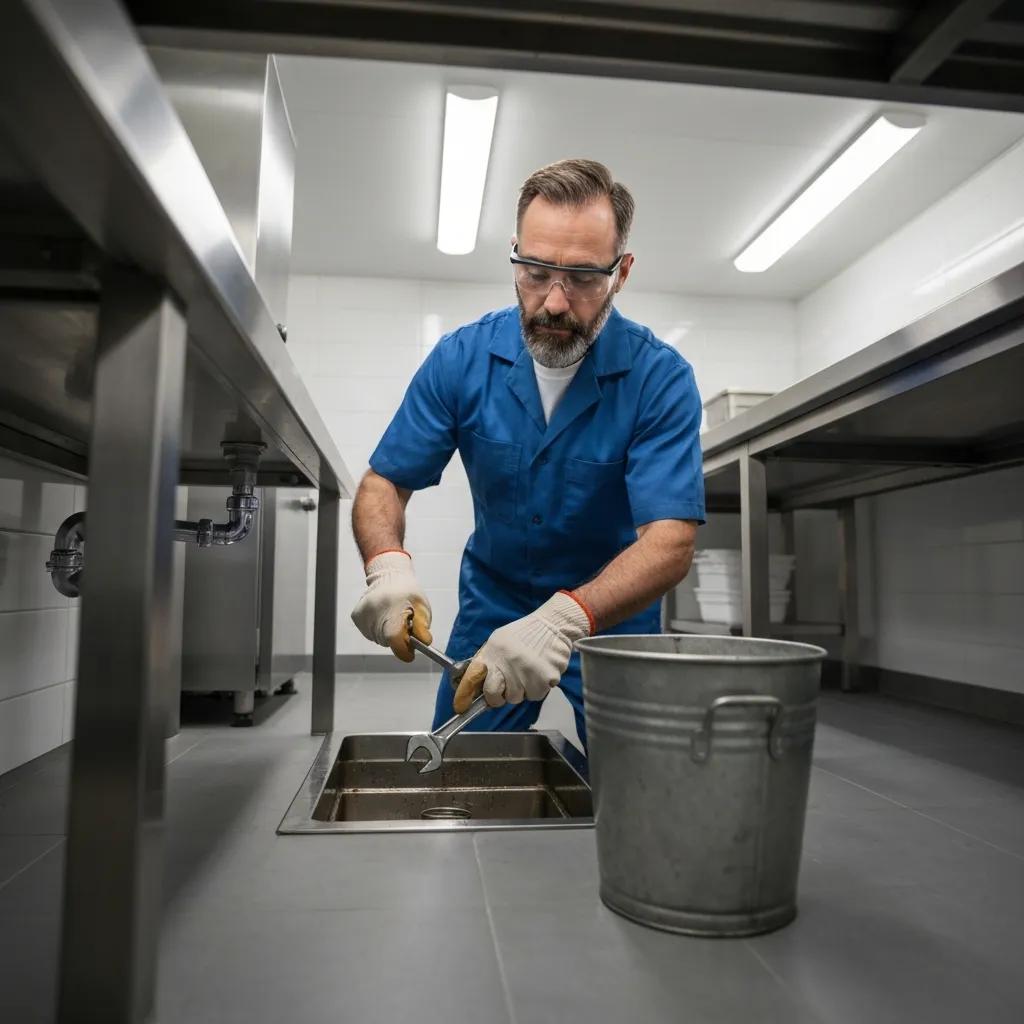
Small domestic grease traps or interceptors need regular attention to prevent odors, slow drainage, and overflows. Basic maintenance preserves function and makes oil recovery simpler for recycling. For home kitchens, skim floatable grease regularly, remove settled solids, and log cleaning dates to establish a maintenance cadence. Safety matters — wear gloves, avoid dumping trap contents into sinks or storm drains, and transfer waste into sealed containers for proper disposal or recycling. The checklist below summarizes routine tasks and supplies for effective small‑scale grease trap care.
- Daily/weekly skimming: Remove floating grease and surface solids.
- Use PPE: Gloves and eye protection when cleaning.
- Record keeping: Log cleaning dates and approximate volumes removed.
What Are Simple Grease Trap Cleaning Tips for Home Kitchens?
For small traps, perform light maintenance weekly and deeper cleaning monthly: skim floatables with a disposable scoop, remove settled solids, and reseal trap lids after service. Wear nitrile or heavy‑duty gloves and eye protection to avoid contact with greasy wastewater, and never pour removed waste into drains — place it in a sealable container for trash or recycling instead. Keep a simple log of cleaning dates and amounts to track frequency and spot trends, such as accelerating buildup. Regular, documented cleaning reduces odors, prevents slow drains, and preserves opportunities to recycle captured FOG.
DIY maintenance is effective for many homes, but some situations call for professional service, as explained next.
When Should You Consider Professional Grease Trap Cleaning Services?
Arrange professional cleaning if you see persistent odors, recurring slow drains, visible backups, or if a property has multiple units with a trap larger than simple DIY handling. Professionals provide inspection, pump‑out, and documentation often required for regulatory or property‑management records; they also handle safe transport and recycling or disposal of larger FOG volumes. Landlords, condo associations, and small businesses typically need scheduled professional service to meet health and plumbing standards. When home measures no longer control buildup, a certified service prevents damage and ensures responsible downstream handling.
National Waste Associates (NWA) offers commercial‑grade maintenance standards and professional collection options for larger setups, giving property managers and owners expertise in optimized collection and regulatory compliance; homeowners and managers can consider such services when DIY methods aren’t enough. That commercial perspective leads to how commercial collection differs from household recycling.
How Does Commercial Cooking Oil Collection Differ from Home Recycling?
Commercial cooking oil collection runs at scale with specialized equipment, scheduled pickups, strict purity standards, and formal documentation — different from household practices that focus on convenience and safe containment. Businesses and multi‑location operators rely on vendors to manage collection frequency, provide storage equipment (bulk tanks, certified totes), and supply chain‑of‑custody records to meet compliance and sustainability reporting. Commercial collectors reduce cost through consolidated contracts and invoice auditing while ensuring proper downstream processing into biodiesel or rendering. To support multi‑location customers, NWA highlights cost reductions, operational efficiency, compliance, and sustainable waste management to encourage inquiries and service sign‑ups.
| Attribute | Home Collection | Commercial Collection |
|---|---|---|
| Collection Frequency | As needed or drop‑off | Scheduled, regular pickups |
| Purity Requirements | Low to moderate — basic straining | High — filtered and documented |
| Storage Equipment | Jars, bottles, small jugs | Bulk tanks, certified totes |
| Regulatory Obligations | Minimal — local rules apply | Formal documentation and compliance |
| Revenue Potential | Low for individual households | Possible revenue when aggregated |
This comparison shows commercial systems are designed for scale, compliance, and measurable outcomes, while households prioritize safe containment and occasional drop‑offs.
What Can Home Users Learn from Commercial Cooking Oil Collection Practices?
Home users can borrow commercial best practices: consistent filtering, secure labeled storage, and simple documentation to increase the acceptability of UCO for processors. Use standardized containers, label with dates and oil types, and keep a basic log of volumes — practices that mirror commercial chain‑of‑custody and reduce contamination. Regular drop‑off schedules (monthly or quarterly) help aggregate volume for collection programs and cut odor or spill risk at home. Adopting these habits improves downstream processing outcomes and the environmental value of your contributions.
Those same practices highlight the operational benefits businesses realize when they partner with professional providers, summarized next.
How Do Businesses Benefit from Professional Cooking Grease Recycling Services?
Businesses gain lower waste costs, vendor consolidation, regulatory compliance support, and stronger sustainability metrics by using professional cooking grease recycling. Providers optimize collection schedules, perform gap analysis, and audit invoices to reduce spend and improve efficiency. Certified handling and documentation support environmental compliance and allow companies to report diversion rates; sustainable grease management also supplies biodiesel feedstock that lowers lifecycle emissions. NWA positions these outcomes to attract multi‑location businesses, emphasizing cost reduction, efficiency, compliance, and measurable sustainability — inviting inquiries and service evaluations.
For multi‑location operators, professional partnerships make grease management predictable, auditable, and aligned with corporate sustainability goals, completing the practical guidance in this article.
For organizations centralizing grease and other waste streams, National Waste Associates (NWA) offers consolidated vendor management, improved diversion strategies, and compliance support across North America. If your organization needs unified service, better diversion rates, or documented waste‑handling protocols, evaluate providers that deliver ongoing gap analysis, continuous invoice auditing, and certified handling. NWA specializes in optimizing commercial waste and recycling services for multi‑location businesses with an emphasis on measurable efficiency and sustainability outcomes.
Conclusion
Recycling cooking grease at home protects your plumbing and supports broader environmental goals — diverting waste from landfills and supplying lower‑carbon feedstocks like biodiesel. By using safe disposal methods, preparing and storing oil correctly, and connecting with local recycling programs or certified collectors, households make a measurable difference. Adopt these routines to ensure your used cooking oil is handled responsibly. Learn more about resources and local options to get started today.
About the author