How to Separate Household Waste Efficiently — Practical Sorting Techniques and Simple Guidelines
By BKThemes
Sorting food scraps, recyclables, and hazardous items the right way makes recycling more reliable, cuts contamination, and keeps less waste heading to landfill. This guide sets out practical steps for separating common household waste, plus straightforward tips for composting, recycling, and disposing of hazardous materials — all to help families reduce waste and, where possible, save on disposal costs.
Recent research highlights clear factors that shape how households sort waste — understanding these can help design better local programs and simpler home routines.
Promoting Household Waste Segregation Behaviour
A systematic review (M. Moeini, 2023) looked at interventions to increase household waste segregation at source, identified which measures are most effective, and summarised the main drivers of people’s sorting choices. The findings help explain why some approaches succeed and others do not.
Effect of household interventions on promoting waste segregation behavior at source: a systematic review, B Moeini, 2023
What are the key types of household waste to separate?
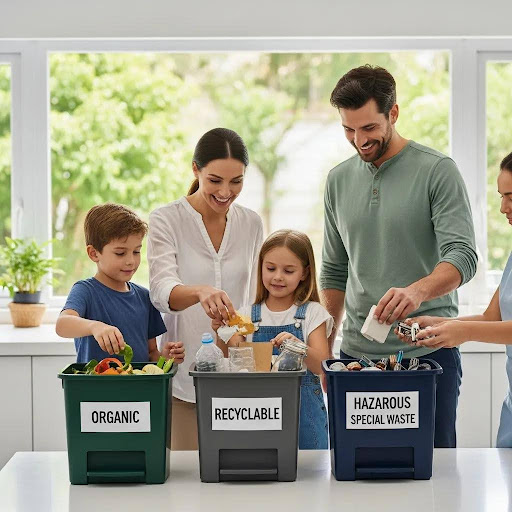
Start by recognising the main waste streams. For most homes, these fall into three groups: organic waste, recyclables, and hazardous waste. Each requires a different handling approach to keep recycling safe and effective. Correct sorting boosts recycling rates, prevents contamination, and helps you meet local disposal rules.
How to identify organic, recyclable, and hazardous waste streams
Organic waste covers kitchen scraps and garden material that break down naturally. Recyclables include paper, many plastics, metal, and glass that can be reprocessed. Hazardous waste is items such as batteries, paints, solvents, and some electronics that can harm people or the environment if placed in the wrong bin. Common mix-ups — for example, dirty or non-recyclable plastics in the recycling — are a leading cause of contamination.
Why correct waste classification improves recycling and compliance
Getting classification right matters. Communities with consistent separation practices often see recycling rates rise by 20–30%. Proper sorting reduces contamination that can spoil entire loads of recyclables, and it keeps households on the correct side of local rules — improper disposal of hazardous waste can lead to fines and environmental harm. Learning your local waste classification makes a big difference.
What are the best practices for organic waste separation at home?
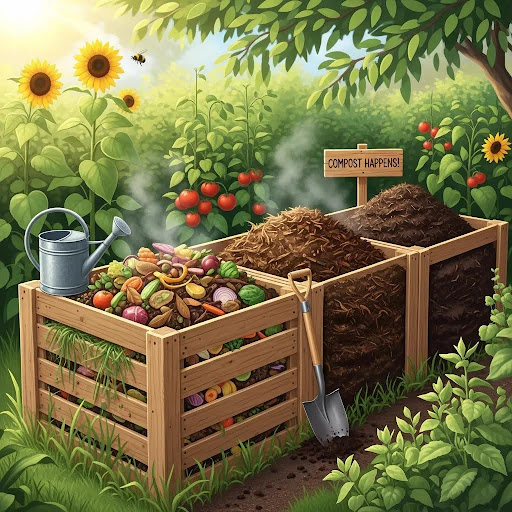
Keeping organics separate keeps compostable material out of the landfill and turns it into something useful. Small, consistent steps — a dedicated container, regular emptying, and basic composting — reduce waste volume and greenhouse-gas emissions while improving soil health.
How to manage food scraps and yard waste efficiently
Give organics a permanent home: a small countertop caddy for food scraps and a larger bin for garden waste. Keep the kitchen caddy in a convenient spot (under the sink or on the counter), empty it regularly into a compost heap, municipal organics bin, or green-waste collection, and use compostable liners if they help. Leaves and grass clippings are ideal for backyard composting or community compost sites.
What are the benefits of composting organic waste?
Composting returns nutrients to the soil, improves garden health, and reduces what you send to landfill. It also lowers methane emissions from organics that would otherwise decompose in anaerobic landfill conditions. For households, composting can reduce disposal fees and the need for store-bought fertiliser.
How should you follow household recycling guidelines for effective waste sorting?
Recycling rules differ by area, so check your local guidance and follow it closely. When everyone uses the right bins and rinses or prepares items correctly, recycling systems run more efficiently.
Which items are commonly accepted in household recycling programs?
Most programs accept paper, cardboard, glass bottles, aluminium cans, and many plastics (commonly #1 and #2). Some areas accept a wider range; others are more limited. Keep recyclables clean and dry — greasy or food-soiled items and certain mixed-material products are frequent causes of rejected loads.
How to label and organise recycling bins for multi-location households
Label or colour-code bins so everyone in the household knows where items belong. Add simple lists or photos to each bin, place them where they’ll be used (kitchen, garage, home office), and review the rules with family members. Clear signage and a short routine reduce mistakes.
What are safe and compliant methods for hazardous waste disposal?
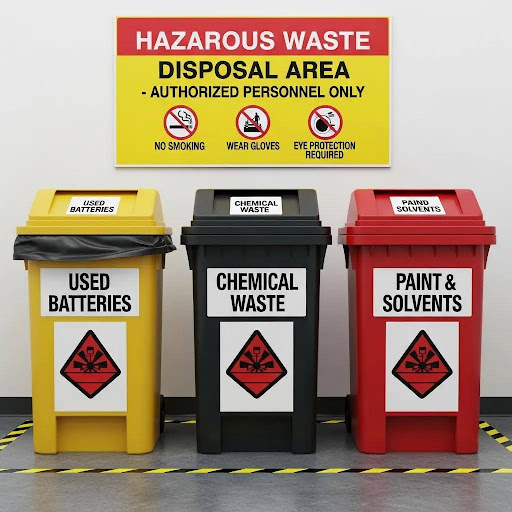
Hazardous items need careful handling to protect people and the environment. Identifying and storing these products safely until you can take them to the right facility is essential.
How to identify and separate hazardous household waste
Check product labels for warnings like corrosive, flammable, toxic, or harmful — examples include batteries, paints, pesticides, and many household chemicals. Keep these items in their original containers when possible, label them clearly, and store them separately from general rubbish and recyclables.
Where to dispose of hazardous waste according to local regulations
Many councils run household hazardous waste drop-off sites or periodic collection events. Some retailers offer take-back programs for batteries and electronics. Check your local authority’s website for locations and schedules to ensure safe, compliant disposal.
How can multi-location businesses optimise commercial waste segregation?
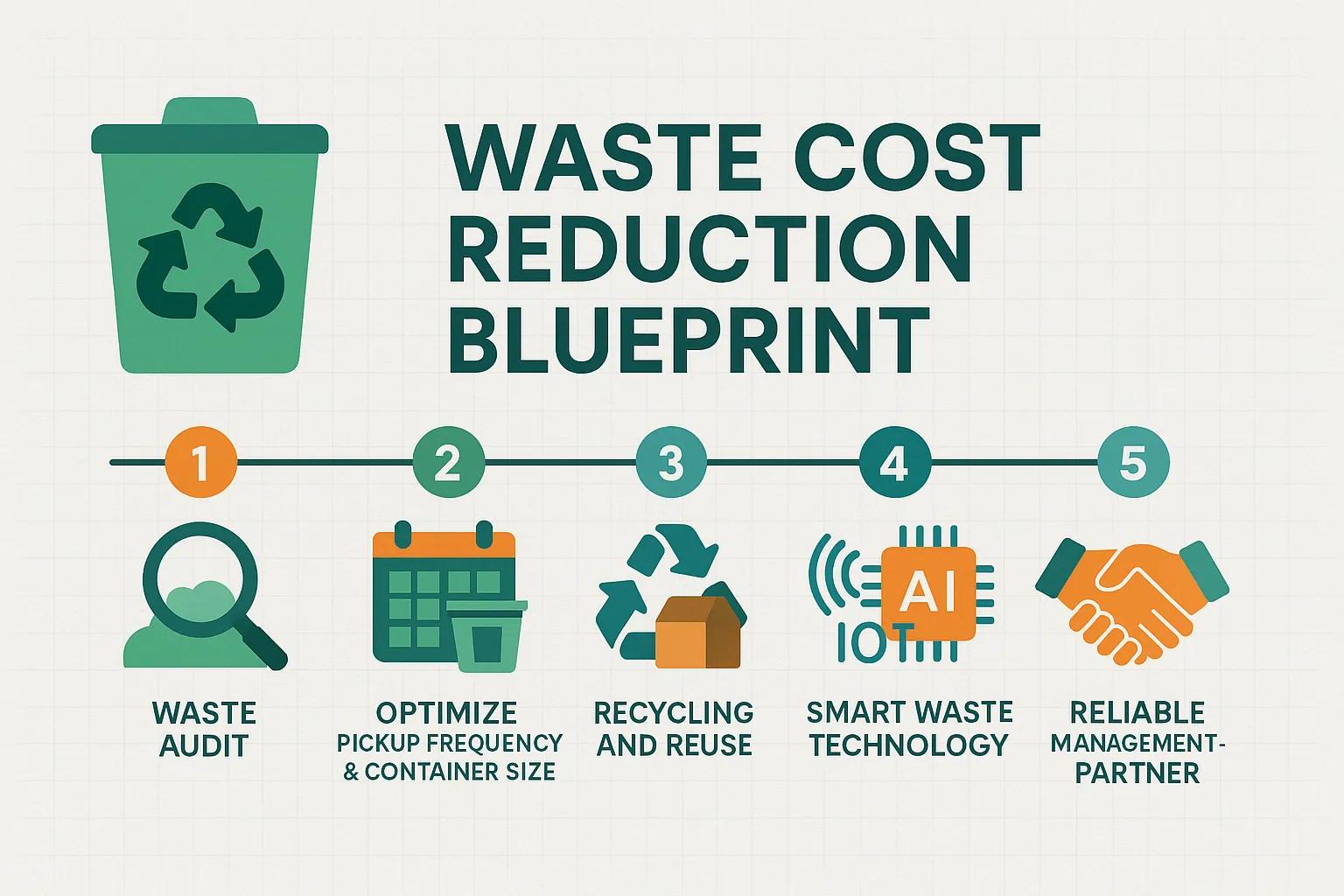
Multi-site businesses benefit from a consistent, standardised approach to waste segregation. A unified strategy reduces costs, simplifies training, and makes reporting and compliance easier across jurisdictions.
What waste audit processes help reduce costs and improve efficiency?
Regular waste audits show what’s being thrown away and where you can increase recycling or save money. By tracking volumes and waste types, you can target reductions, adjust bin sizes, and choose the right vendors — all of which lower disposal costs and raise recycling rates.
How to ensure compliance across different jurisdictions
Compliance starts with knowing each location’s rules. Create a single company-wide waste policy that accounts for local differences, train staff consistently, and schedule periodic compliance checks. Partnering with local waste contractors who understand regional regulations helps operations run smoothly.
What are the sustainability and cost benefits of efficient household waste separation?
Sorting waste properly protects the environment and often reduces household costs. Sending less to landfill means lower disposal fees and fewer emissions — a practical benefit for families and communities alike.
How waste diversion reduces environmental impact and carbon footprint
Diverting organics and recyclables from landfills cuts greenhouse-gas emissions and conserves resources. Communities that prioritise waste diversion can see carbon-footprint reductions in the order of 30–50%, depending on waste diversion systems and participation rates.
What cost savings result from proper waste stream optimisation?
Optimising waste streams reduces what you send to landfill and can lower collection costs. Composting at home shrinks your waste volume and reduces the need for fertilisers. Together, better sorting and diversion help household budgets while supporting local sustainability goals.
| Waste type | What it is | Examples |
|---|---|---|
| Organic Waste | Biodegradable materials | Food scraps, garden waste |
| Recyclable Waste | Materials that can be reprocessed | Paper, plastics, metals, glass |
| Hazardous Waste | Materials that pose risks | Batteries, chemicals, paints |
The table above summarises the main waste groups and typical examples — a quick reference to help you sort correctly at home.
In short, clear and consistent sorting habits make recycling more effective and reduce environmental harm. By separating organics, recyclables, and hazardous items — and by using local services for collection and disposal — households can cut costs and support a cleaner community. Small daily actions add up when many people take part.
Frequently asked questions
What are the common mistakes people make when sorting waste?
The most common errors are placing non-recyclable items in recycling bins, mixing organics with regular rubbish, and failing to recognise hazardous items. Dirty or food-stained containers and mixed-material products (for example, some takeaway packaging) often cause loads to be rejected. Check local rules and clean recyclables where possible.
How can I encourage my family to participate in waste separation?
Keep it simple and visible: label bins, post a short list of accepted items, and try a friendly household challenge or reward. Explain the benefits — environmental improvements and potential cost savings — and keep the system consistent so it becomes second nature.
What should I do with items that are not accepted in recycling programs?
If your local recycling center won’t accept an item, use the appropriate alternative route. Non-recyclable plastics and contaminated materials typically go in the regular rubbish; hazardous items like batteries or electronics usually need special drop-offs or take-back schemes. Always check local guidance for the best option.
How can I effectively compost in a small space?
Choose a compact bin or a worm (vermicompost) system that fits your balcony or kitchen. Balance “greens” (food scraps) with “browns” (shredded cardboard, dry leaves), turn or aerate occasionally, and keep the mix moist but not waterlogged. With basic care, you can compost successfully in a small footprint.
What are the environmental impacts of improper waste disposal?
Improper disposal can contaminate soil and water, increase air pollution, and raise greenhouse-gas emissions. Hazardous waste can leach toxic substances into groundwater, and organics in landfills produce methane — a potent greenhouse gas. Proper sorting helps avoid these harms and supports recycling and recovery.
How can businesses implement effective waste management strategies?
Start with regular waste audits to identify where waste comes from and what can be diverted. Establish clear separation policies, train staff, and work with local recycling partners. Track progress and celebrate improvements to build a culture of continuous improvement and reduce disposal costs.
Conclusion
Effective waste separation is one of the simplest ways households can reduce their environmental footprint and lower disposal costs. Learn your local rules, set up clear bins and routines, compost where possible, and use designated services for hazardous items. These steps protect your family and community — and they add up to meaningful change when many households take part.
About the author