♻️ Introduction to Plastic Recycling in 2026
Plastic pollution has reached a critical level, making how to recycle plastics in 2026 one of the most important environmental topics today. With oceans filling up with waste and landfills overflowing, recycling is no longer optional—it’s essential.
In 2026, recycling plastics has evolved dramatically. It’s no longer just about tossing bottles into a bin. Today’s systems use smart technology, artificial intelligence, and advanced chemical processes to efficiently convert waste into reusable materials.
Modern recycling focuses on a circular economy, in which plastics are reused repeatedly rather than discarded. This approach reduces the need for new raw materials and cuts down greenhouse gas emissions.
🌍 Why Recycling Plastics Matters More Than Ever
Plastic takes hundreds of years to decompose. During this time, it breaks down into microplastics that harm wildlife, ecosystems, and even human health.
Here’s why recycling is critical in 2026:
- Reduces landfill waste
- Conserves natural resources
- Lowers carbon emissions
- Protects oceans and wildlife
Governments and organizations worldwide are pushing stricter recycling policies to combat the crisis.
🧴 Types of Plastics You Can Recycle
Understanding plastic types is key to effective recycling.
🔢 Understanding Plastic Resin Codes
Each plastic product has a number (1–7) that identifies its type:
| Code | Plastic Type | Recyclable? | Common Uses |
|---|---|---|---|
| 1 | PET | Yes | Water bottles |
| 2 | HDPE | Yes | Milk jugs |
| 3 | PVC | Rarely | Pipes |
| 4 | LDPE | Sometimes | Plastic bags |
| 5 | PP | Yes | Food containers |
| 6 | PS | Limited | Styrofoam |
| 7 | Other | No | Mixed plastics |
🏠 Common Household Plastics
You’ll find recyclable plastics in:
- Beverage bottles
- Shampoo containers
- Food packaging
- Grocery bags
Sorting these correctly makes a huge difference.
🤖 Advanced Recycling Technologies in 2026
Technology has transformed how we approach How to recycle plastics in 2026.
🧠 Role of Smart Recycling Systems
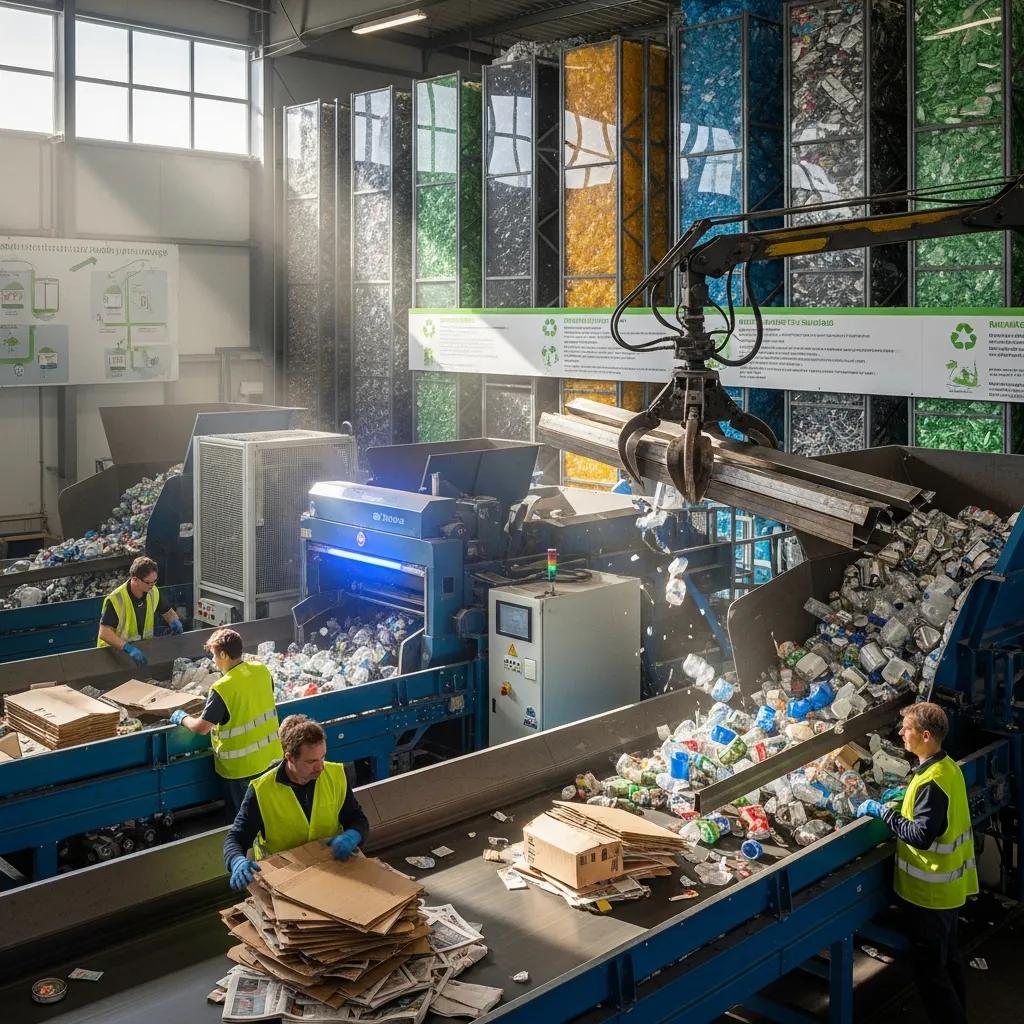
Modern facilities now use:
- AI-powered sorting machines
- Robotic arms for separation
- Optical scanners to identify materials
These innovations reduce human error and increase recycling efficiency.
🧪 Chemical Recycling Breakthroughs
Unlike traditional recycling, chemical recycling breaks plastics into their original molecules. This allows:
- Infinite reuse of materials
- Better quality recycled products
- Reduced waste contamination
🏡 Step-by-Step Guide to Recycling Plastics at Home
Recycling starts with everyday habits.
✅ Simple Steps to Follow
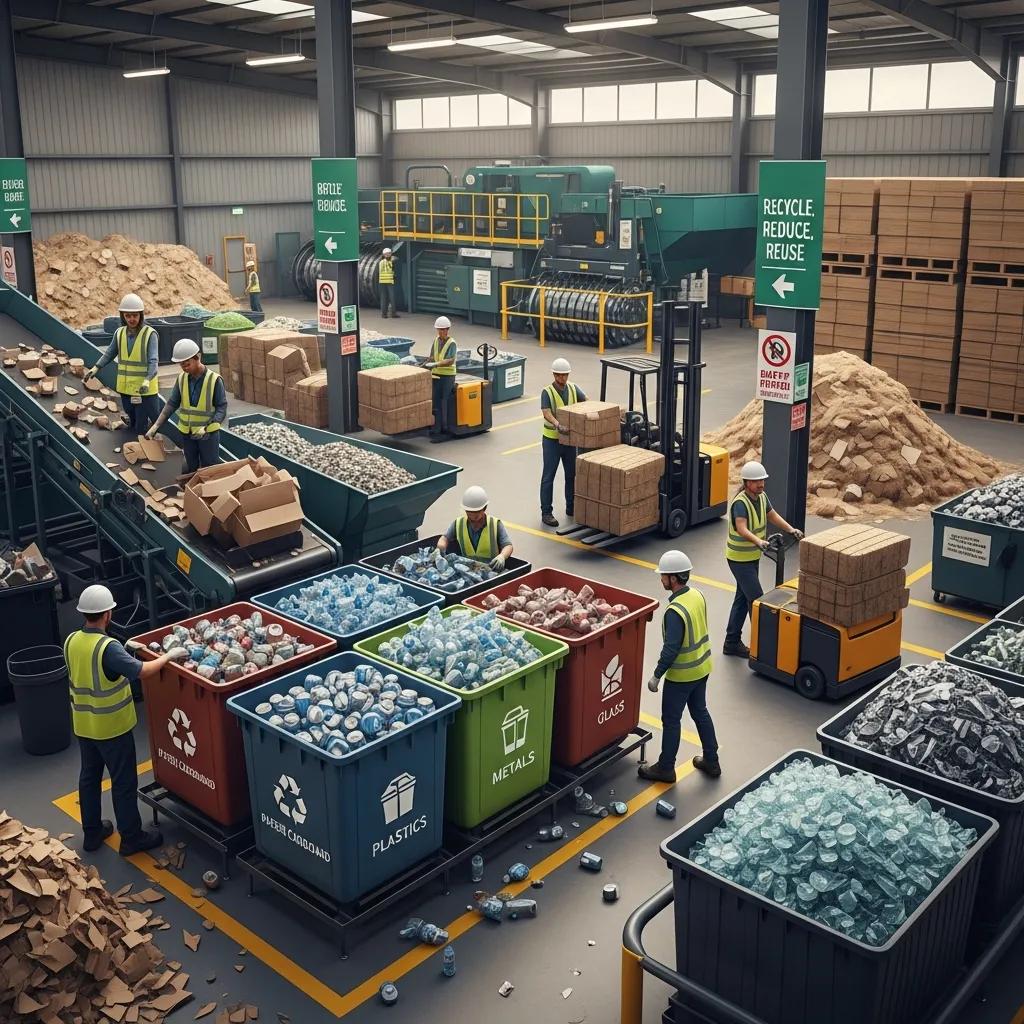
- Sort plastics by type
- Rinse containers to remove residue
- Remove labels when possible
- Flatten bottles to save space
- Place in correct recycling bins
⚠️ Mistakes to Avoid While Recycling
Avoid these common errors:
- Throwing dirty containers
- Mixing plastic types incorrectly
- Recycling non-recyclable plastics
- Including plastic bags in curbside bins
These mistakes can contaminate entire batches.
📍 Local Recycling Programs and How to Access Them
Most cities now offer improved recycling programs.
📱 Using Apps to Find Recycling Locations
In 2026, apps make recycling easier:
- Locate nearby recycling centers
- Check accepted materials
- Schedule pickups
Some apps even reward users for recycling!
🎨 Creative Ways to Reuse Plastics
Recycling isn’t the only solution—reuse is just as powerful.
💡 DIY Upcycling Ideas
- Turn bottles into planters
- Create storage containers
- Build eco-bricks for construction
💼 Turning Waste into Value
Businesses now transform plastic waste into:
- Furniture
- Clothing fibers
- Packaging materials
This creates new economic opportunities while reducing waste.
🏛️ Government Policies and Regulations in 2026
Governments are stepping up efforts to control plastic waste.
📜 Key Initiatives
- Plastic bans and restrictions
- Mandatory recycling programs
- Extended producer responsibility (EPR)
🏢 Role of Corporations
Companies are now:
- Using recyclable packaging
- Investing in recycling technologies
- Reducing plastic production
⚠️ Challenges in Plastic Recycling
Despite progress, challenges remain:
- High recycling costs
- Contamination issues
- Limited infrastructure
🚀 Solutions and Innovations
To overcome these:
- Investment in technology
- Public education
- Stronger regulations
🔮 Future of Plastic Recycling
The future looks promising:
- Fully automated recycling plants
- Biodegradable plastics
- Global recycling systems
By adopting smarter practices, we can significantly reduce plastic pollution.
❓ FAQs About How to Recycle Plastics in 2026
1. What plastics are easiest to recycle?
PET (#1) and HDPE (#2) are the most widely recycled plastics.
2. Can all plastics be recycled in 2026?
No, some plastics like PVC and mixed plastics are still difficult to recycle.
3. Do I need to wash plastic before recycling?
Yes, rinsing prevents contamination and improves recycling efficiency.
4. What happens to recycled plastic?
It’s turned into new products like bottles, clothing, and packaging.
5. Is chemical recycling better than traditional recycling?
It can handle more complex plastics but is still developing.
6. How can I reduce plastic waste at home?
Use reusable items, avoid single-use plastics, and recycle properly.
✅ Conclusion
Understanding How to recycle plastics in 2026 empowers you to make a real difference. With advanced technology, smarter systems, and better awareness, recycling has become more effective than ever.
Every small action counts. By sorting waste correctly, reducing usage, and supporting sustainable products, you contribute to a cleaner, greener future.
About the author