Industrial hazardous waste poses significant challenges for businesses and the environment. Understanding the types of hazardous waste, effective disposal methods, and regulatory requirements is crucial for compliance and sustainability. This comprehensive guide explores the various aspects of industrial hazardous waste management, including its classification, disposal methods, and the role of hazardous waste management companies. Readers will learn about the importance of proper waste management practices and how they can minimize environmental impact while adhering to regulations. The article will cover the types of hazardous waste, effective disposal methods, relevant regulations, the support provided by waste management companies, and sustainable practices in the industry.
What Are the Types of Hazardous Industrial Waste?
Hazardous industrial waste is classified into several categories based on its characteristics and potential risks. Understanding these types is essential for proper management and compliance with regulations. The Environmental Protection Agency (EPA) categorizes hazardous waste into two main types: listed hazardous waste and characteristic hazardous waste. Listed hazardous waste includes specific wastes that are known to be harmful, while characteristic hazardous waste exhibits certain properties that make it dangerous, such as ignitability, corrosivity, reactivity, or toxicity.
How Is Industrial Hazardous Waste Classified by Characteristics and EPA Codes?
The classification of industrial hazardous waste is primarily based on its characteristics and the EPA codes assigned to it. The EPA uses a system of codes to identify different types of hazardous waste, which helps in tracking and managing these materials effectively. For instance, ignitable waste is classified under the D001 code, while toxic wastes may fall under the D004 to D043 codes. This classification system is crucial for ensuring that hazardous waste is handled, stored, and disposed of properly, minimizing risks to human health and the environment.
Which Specific Waste Types Are Common in Industrial Settings?
In industrial settings, several specific types of hazardous waste are commonly generated. These include: industrial
- Chemical Waste: Often produced in manufacturing processes, this includes solvents, acids, and heavy metals.
- Biological Waste: Generated primarily from medical and laboratory activities, this type includes contaminated materials and sharps.
- Electronic Waste: Discarded electronic devices often contain hazardous materials like lead, mercury, and cadmium.
Understanding these common waste types is vital for industries to implement effective waste management strategies and comply with regulatory requirements.
What Are the Most Effective Hazardous Waste Disposal Methods?
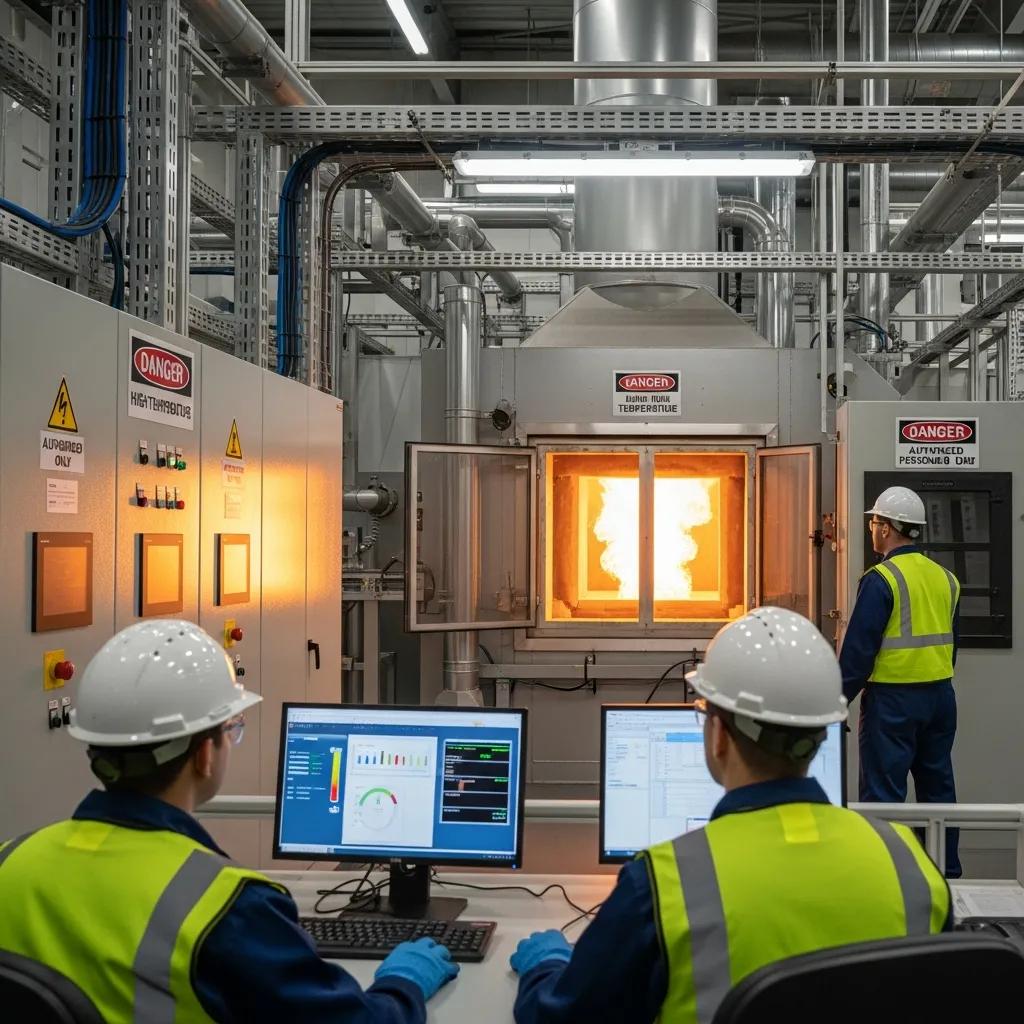
Effective disposal methods for hazardous waste are essential to protect public health and the environment. Various methods are employed, each with its own advantages and considerations.
How Do Incineration and Secure Landfilling Work for Hazardous Waste?
Incineration is a widely used method for disposing of hazardous waste, where waste materials are burned at high temperatures, reducing them to ash and gases. This process effectively destroys organic compounds and reduces the volume of waste significantly. Secure landfilling, on the other hand, involves placing hazardous waste in specially designed landfills that prevent leachate from contaminating groundwater. Both methods require strict adherence to safety protocols to minimize environmental impact.
What Are Advanced Treatment and Recycling Options for Industrial Waste?
Advanced treatment options for hazardous waste include chemical treatment, biological treatment, and physical separation techniques. These methods aim to neutralize hazardous components or recover valuable materials from waste. Recycling options, such as reclaiming metals or solvents, not only reduce waste but also conserve resources. Implementing these advanced methods can lead to more sustainable waste solutions practices in industrial settings.
| Disposal Method | Effectiveness | Environmental Impact |
|---|---|---|
| Incineration | High | Reduces volume, potential air emissions |
| Secure Landfilling | Moderate | Prevents leachate, requires monitoring |
| Advanced Treatment | High | Neutralizes hazards, recycles materials |
This table illustrates the effectiveness and environmental impact of various hazardous waste disposal methods, highlighting the importance of selecting appropriate strategies for waste management.
Which Regulations Govern Industrial Hazardous Waste Management?
Regulatory compliance is a critical aspect of hazardous waste management. Various regulations govern the handling, storage, and disposal of hazardous waste to protect human health and the environment.
What Are the Key EPA and OSHA Standards for Hazardous Waste Compliance?
The EPA sets forth regulations under the Resource Conservation and Recovery Act (RCRA) that outline the management of hazardous waste. These regulations include requirements for waste identification, storage, and disposal. Additionally, the Occupational Safety and Health Administration (OSHA) establishes standards to ensure worker safety when handling hazardous materials. Compliance with these regulations is essential for industries to avoid legal penalties and ensure safe operations.
How Do State-Specific Rules and Generator Statuses Affect Waste Management?
State-specific regulations can vary significantly from federal standards, adding complexity to hazardous waste management. Each state may have its own definitions of hazardous waste and additional requirements for waste generators. Furthermore, the generator status—whether a business is classified as a large quantity generator (LQG), small quantity generator (SQG), or very small quantity generator (VSQG)—affects the regulatory obligations and management practices required. Understanding these nuances is crucial for effective compliance and waste management.
Further emphasizing the importance of generator status, historical regulations highlight specific requirements for different scales of hazardous waste production. Waste management is a vital aspect of this process.
RCRA Requirements for Hazardous Waste Generators Large quantity generators engaging in on-site treatment, storage, or disposal of hazardous wastes are required to obtain a RCRA The New Small Quantity Generator Rules: RCRA Reaches Small Business, 1986
How Do Hazardous Waste Management Companies Support Industrial Compliance?
Hazardous waste management companies play a vital role in helping industries comply with regulations and manage their waste effectively. These companies offer a range of services designed to ensure safe and compliant waste handling.
What Services Do Industrial Hazardous Waste Management Companies Provide?
Industrial hazardous waste management companies provide various services, including waste characterization, transportation, treatment, and disposal. They assist businesses in identifying hazardous materials, ensuring proper labeling and storage, and facilitating safe transportation to disposal facilities. Additionally, these companies often offer training programs to educate employees on hazardous waste management practices, further enhancing compliance efforts.
How to Choose a Reliable Hazardous Waste Disposal Partner?
Selecting a reliable hazardous waste disposal partner is crucial for effective waste management. When choosing a partner, consider factors such as their experience, compliance record, and range of services offered. It’s essential to ask potential partners about their safety protocols, certifications, and how they handle emergencies. A thorough evaluation can help ensure that your business remains compliant and minimizes environmental impact. For more information, you can visit the commercial services.
What Are Sustainable Practices and Waste Minimization Strategies in Industry?
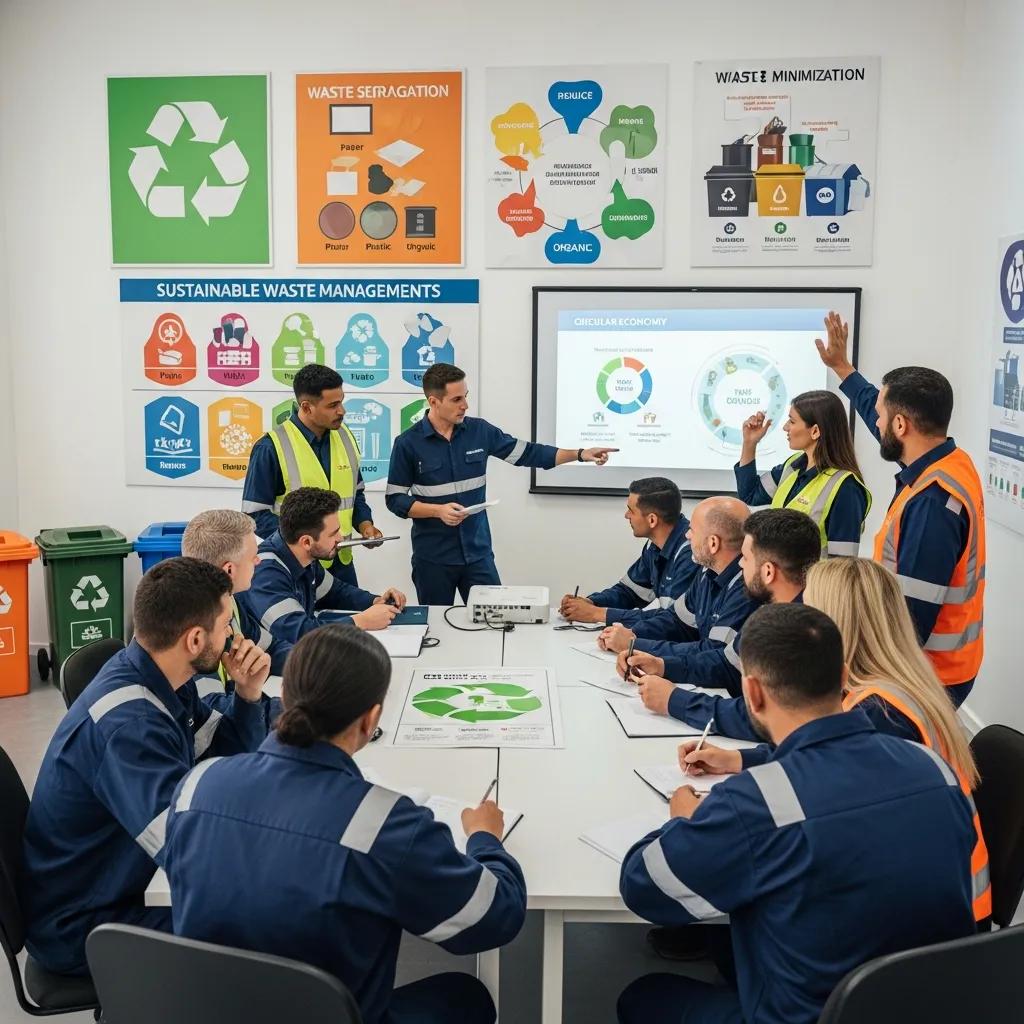
Sustainability in hazardous waste management is increasingly important as industries seek to reduce their environmental footprint. Implementing sustainable practices can lead to significant benefits for both businesses and the environment.
How Can Industries Reduce Hazardous Waste Generation Effectively?
Industries can adopt several strategies to minimize hazardous waste generation, including process optimization, material substitution, and employee training. By streamlining processes and using less hazardous materials, businesses can significantly reduce the amount of waste produced. Additionally, training employees on best practices for waste management can foster a culture of sustainability within the organization.
What Are Beneficial Reuse and Circular Economy Approaches for Hazardous Waste?
Beneficial reuse involves repurposing hazardous waste materials for other applications, reducing the need for disposal. Circular economy approaches focus on designing products and processes that minimize waste and promote resource recovery. By integrating these strategies, industries can contribute to a more sustainable future while complying with regulations and reducing costs.
The broader context of sustainable hazardous waste management underscores the global imperative for adopting comprehensive strategies and policies aligned with circular economic principles.
Sustainable Hazardous Waste Management Strategies & Policies Globally, industrialisation and urbanisation have led to the generation of hazardous waste (HW). Sustainable hazardous waste management (HWM) is the need of the hour for a safe, clean, and eco-friendly environment and public health. The prominent waste management strategies should be aligned with circular economic models, considering the economy, environment, and efficiency. This review critically discusses HW generation and sustainable management with the strategies of prevention, reduction, recycling, waste-to-energy, advanced treatment technology, and proper disposal. In this regard, the major HW policies, legislations, and international conventions related to HWM are summarised. The global generation and composition of hazardous industrial, household, and e-waste are analysed, along with their environmental and health impacts. A critical review on sustainable hazardous waste management strategies: a step towards a circular economy, A Kumar, 2023
| Strategy | Description | Benefits |
|---|---|---|
| Process Optimization | Streamlining operations to reduce waste | Cost savings, efficiency |
| Material Substitution | Using less hazardous materials | Reduced risk, compliance |
| Employee Training | Educating staff on waste management | Improved practices, culture |
This table summarizes various sustainable practices and their benefits, emphasizing the importance of integrating these strategies into industrial operations.
Conclusion
Effective management of industrial hazardous waste is essential for protecting both public health and the environment, ensuring compliance with regulations while minimizing risks. By understanding the types of hazardous waste and employing appropriate disposal methods, industries can significantly reduce their environmental impact. Partnering with reliable hazardous waste management companies further enhances compliance and promotes sustainable practices. Take the next step towards responsible waste management by exploring our resources and services today.
About the author