In the demanding world of commercial kitchens, overlooked details can lead to costly problems. Among the most critical yet often underestimated components is the humble grease trap. For decades, I’ve seen firsthand how effective grease trap best practices can be the difference between smooth sailing and a plumbing nightmare. This comprehensive guide will equip you with the knowledge to maintain peak efficiency, ensure regulatory compliance, and protect your bottom line.
Understanding and implementing superior grease trap best practices isn’t just about avoiding clogs; it’s about safeguarding public health, protecting the environment, and maintaining the operational integrity of your establishment. Let’s dive in.
What is a Grease Trap and Why is it Essential?
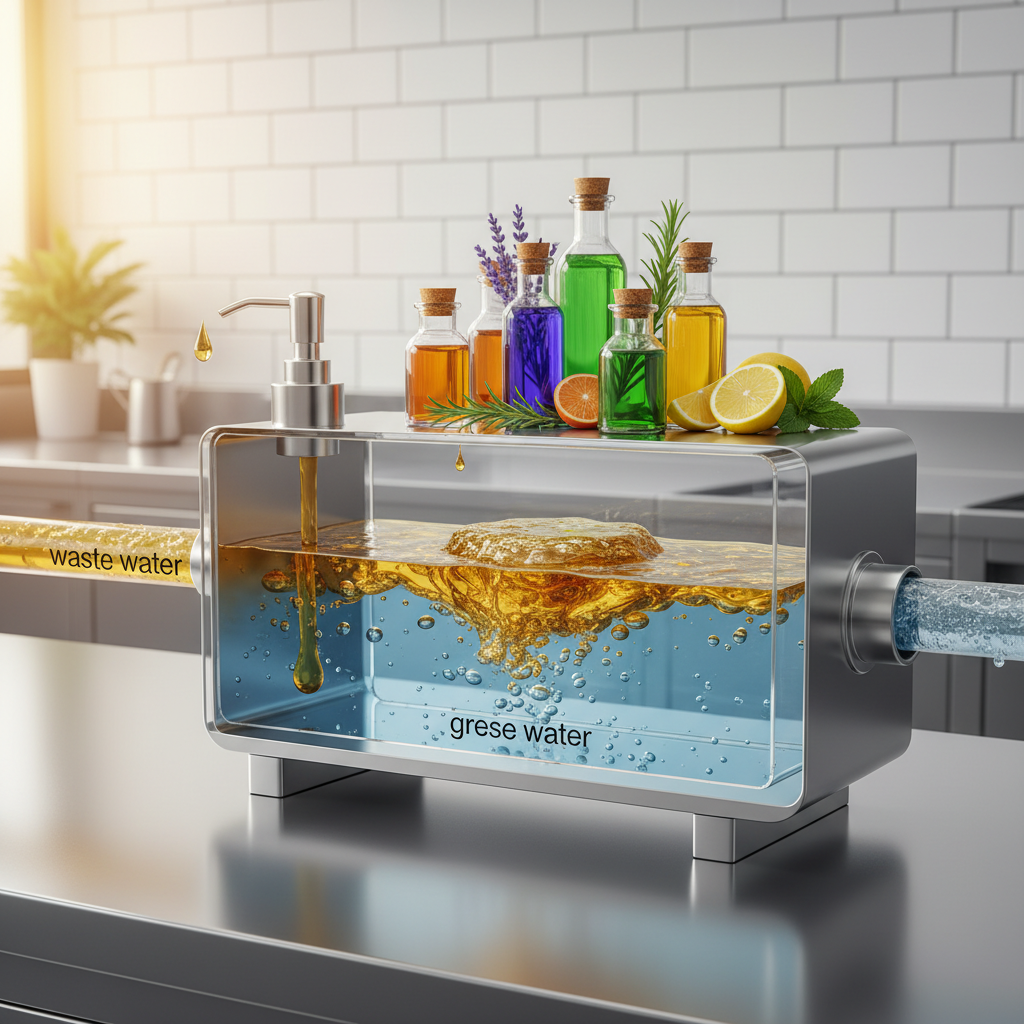
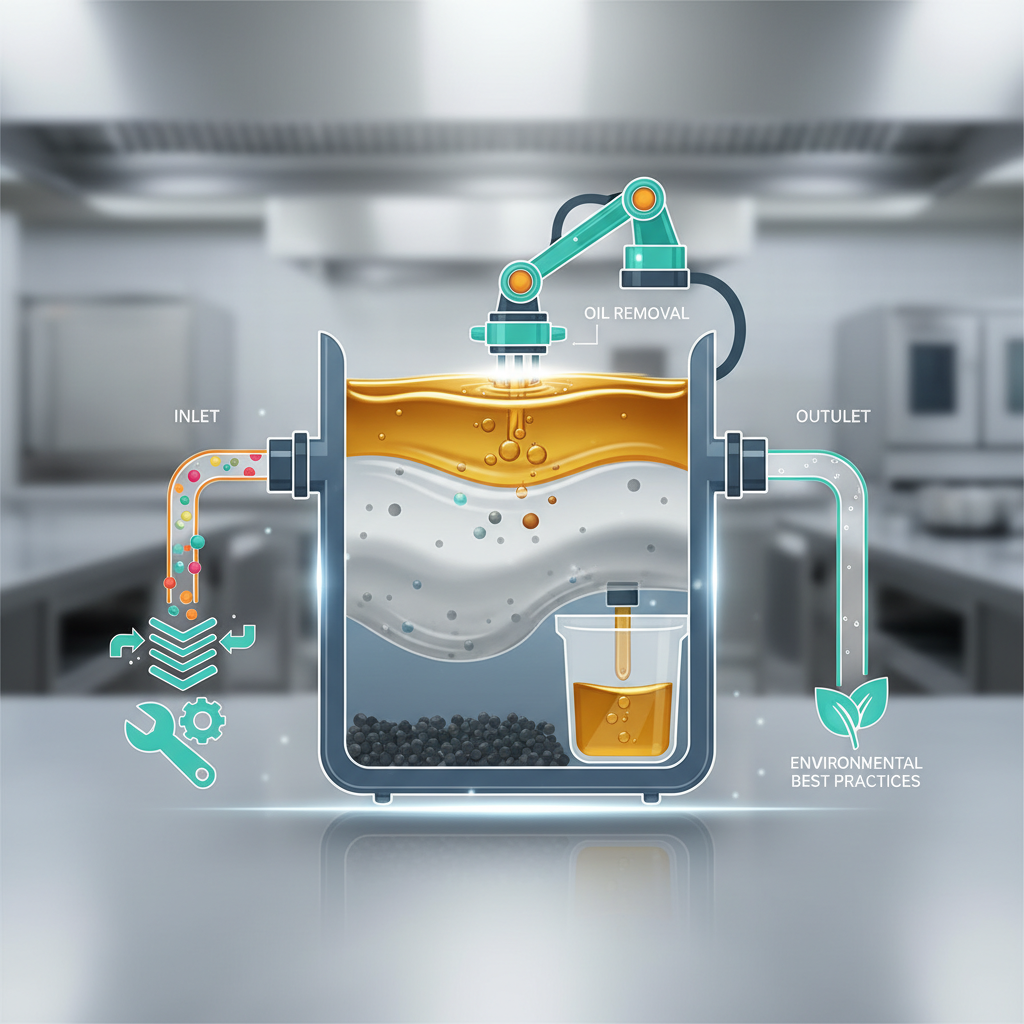
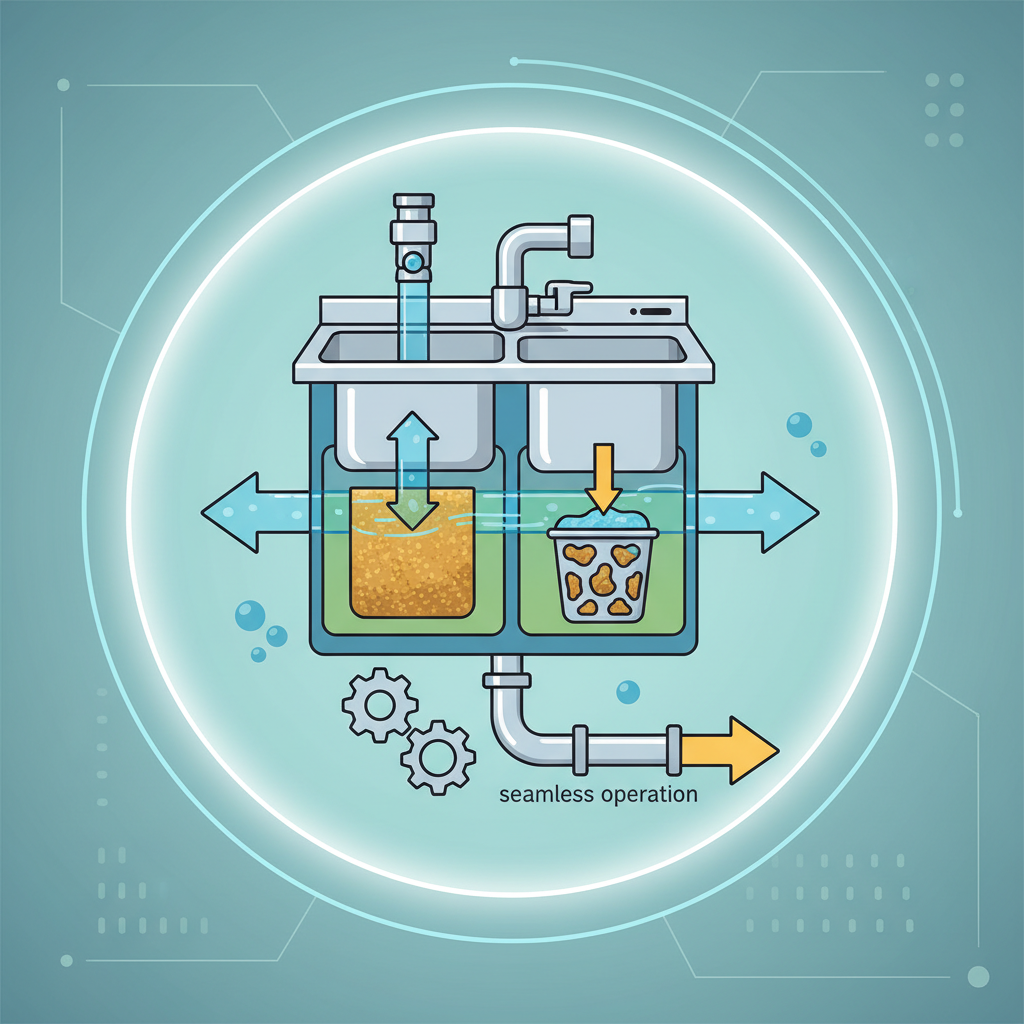
A grease trap, also known as a grease interceptor, is a plumbing device designed to intercept most greases and solids before they enter a wastewater disposal system. Its primary function is to prevent fats, oils, and greases (FOGs) from reaching the sewer lines, where they can solidify, accumulate, and cause blockages. These blockages not only lead to messy and expensive backups for your business but also contribute to massive municipal sewer overflows.
Without proper grease trap tips and management, FOGs can:
- Cause foul odors and unsanitary conditions.
- Lead to costly plumbing repairs and business downtime.
- Result in fines from local regulatory bodies for non-compliance.
- Harm the environment by polluting water systems.
For more detailed information on how these systems work, you might want to explore resources like the EPA’s FOG Program Materials.
Daily & Weekly Grease Trap Best Practices
Proactive management is the cornerstone of any successful grease trap guide. Implementing a routine of daily and weekly tasks can drastically reduce the need for emergency services and extend the life of your system.
Daily Operational Grease Trap Tips:
- Scrape Plates Thoroughly: Before washing, ensure all food scraps and grease are scraped into the trash. This is the first line of defense against FOGs entering the trap.
- Use Strainers: Place drain strainers in all sinks to catch solid food particles. Empty these regularly into the trash.
- Minimize Hot Water Use: While hot water seems to dissolve grease, it actually pushes it further down the drain, only for it to cool and solidify later in your grease trap or sewer lines. Use temperate water when washing dishes.
- Avoid Pouring Grease Down Drains: This might seem obvious, but it’s crucial. Collect used cooking oil in a separate container for proper disposal or recycling.
Weekly Grease Trap Best Practices:
- Clean Visible Parts: Remove and clean the grease trap lid, baffles, and any accessible screens. This prevents solid accumulation and allows for proper flow.
- Check for Odors: Unpleasant odors often indicate a buildup of FOGs or a need for a pump-out. Address them promptly.
- Inspect for Leaks: Regularly check around the grease trap for any signs of leaks or damage.

Regular Maintenance & Professional Servicing
Even with diligent daily and weekly efforts, grease traps require scheduled professional maintenance. This is where a robust grease trap checklist becomes invaluable.
The “Rule of 1/4” for Pumping Schedule:
A good rule of thumb for determining when to pump out your grease trap is the “Rule of 1/4.” When the accumulation of FOGs and solids reaches 1/4 of the trap’s liquid depth, it’s time for a pump-out. Ignoring this can lead to efficiency loss and potential overflows.
Professional Servicing Includes:
- Full Pump-Out: Not just skimming the top, but completely emptying the trap of all FOGs and solids.
- Scraping and Cleaning: Professionals will scrape the interior walls and baffles to remove hardened grease.
- Inspection: A thorough check for any structural damage, worn seals, or signs of impending failure.
- Documentation: Keeping detailed service records is vital for compliance and demonstrating due diligence.
“An ounce of prevention is worth a pound of cure, especially when it comes to grease traps. Consistent adherence to best practices saves money, avoids headaches, and protects the environment.”
— An experienced SEO & plumbing infrastructure expert
Common Grease Trap Problems and How to Avoid Them
Even with excellent practices, issues can arise. Knowing the common pitfalls can help you preemptively address them.
| Problem | Cause | Grease Trap Solution/Prevention |
|---|---|---|
| Foul Odors | Accumulation of stagnant FOGs and solids; infrequent cleaning. | Increase pump-out frequency; ensure proper sealing of the trap lid; and consistent daily scraping. |
| Slow Drains/Backups | Grease and food solids bypass the trap or overload it, causing blockages downstream. | Strict adherence to scraping and straining; ensure trap is correctly sized; regular professional cleaning. |
| Fines/Non-Compliance | Failure to meet local FOG discharge regulations; improper disposal of waste. | Maintain detailed service logs; understand local ordinances; use licensed haulers. |
| Structural Damage/Leaks | Corrosion from chemicals, physical impact, age, and improper installation. | Avoid harsh chemical drain cleaners; regular inspections; professional installation and maintenance. |
Understanding different types of grease traps can also help in troubleshooting specific issues related to your system.
The Importance of Employee Training
Your team is your first line of defense. Without proper training, even the most robust grease trap best practices fail. Create a simple, clear training program for all kitchen staff.
Training should cover:
- Why grease traps are important (environmental, legal, operational).
- Correct scraping and straining procedures.
- What absolutely *cannot* go down the drain (FOGs, coffee grounds, fibrous vegetables).
- Proper disposal methods for used cooking oil and food waste.
- Who to report problems to (e.g., slow drains, unusual odors).
A well-informed team acts as a collective grease trap template for success.
Environmental and Legal Compliance
Beyond operational efficiency, adhering to grease trap best practices is a legal imperative. Local municipalities and environmental agencies impose strict regulations on FOG discharge to protect public sewer systems and natural water bodies.
- Permitting: Many jurisdictions require permits for grease trap installation and operation.
- FOG Management Plans: Some areas mandate detailed FOG management plans outlining your prevention and disposal strategies.
- Record Keeping: Accurate records of pump-outs, inspections, and waste manifests are crucial for demonstrating compliance. These should be readily available for inspectors.
- Licensed Haulers: Always use a licensed waste hauler for grease trap waste disposal to ensure it’s handled responsibly and legally.
Consult with your local public works department or environmental agency to understand specific requirements in your area. Organizations like the Water Environment Federation also provide valuable resources on wastewater management.
Frequently Asked Questions About Grease Trap Best Practices
What kind of businesses need a grease trap?
Any commercial establishment that prepares or serves food and discharges wastewater containing fats, oils, or greases (FOGs) typically needs a grease trap. This includes restaurants, cafes, bakeries, school cafeterias, hotels, hospitals, and even some food processing plants.
How often should a grease trap be pumped out?
The frequency depends on the size of the trap, the volume of FOGs produced, and local regulations. A common guideline is the “Rule of 1/4” – when FOGs and solids reach 25% of the trap’s liquid depth. For many commercial kitchens, this can range from monthly to quarterly. Always consult local codes and observe your trap’s accumulation rate.
Can I use chemicals to clean my grease trap?
It is strongly advised against using chemical drain cleaners or harsh degreasers in your grease trap. While they might seem to “solve” a blockage temporarily, they often just push the FOGs further down the line where they re-solidify. More importantly, these chemicals can damage the trap’s internal components, kill beneficial bacteria, and violate environmental discharge regulations.
What happens if a grease trap isn’t maintained properly?
Lack of proper grease trap maintenance can lead to severe consequences:
- Clogged drains and sewer backups in your establishment.
- Foul odors emanate from drains and the trap itself.
- Fines and penalties from local regulatory authorities for FOG discharge violations.
- Expensive emergency plumbing repairs.
- Environmental damage from sewer overflows.
How do I know if my grease trap is the right size?
Grease trap sizing is critical and depends on factors like the number of fixtures, water flow rates, and the type of food served. Incorrect sizing is a common problem. If you’re frequently pumping out your trap or experiencing persistent issues, your trap might be undersized. Consult a plumbing professional or refer to resources on how to choose the right grease trap size for your business.
Conclusion: The Ultimate Grease Trap Best Practices Guide
Embracing and meticulously following grease trap best practices is not merely a task; it’s an investment in your business’s longevity, reputation, and financial health. From daily operational habits and rigorous cleaning schedules to comprehensive employee training and unwavering regulatory compliance, every step contributes to a robust FOG management program.
By treating your grease trap as the vital piece of infrastructure it is, you prevent costly plumbing emergencies, avoid fines, safeguard public health, and do your part to protect our environment. Make these grease trap tips a cornerstone of your kitchen operations, and you’ll ensure a seamless, compliant, and ultimately more profitable future.
About the author