In the complex world of industrial operations, one often-overlooked byproduct holds significant environmental, economic, and regulatory implications: industrial sludge. Far from being mere waste, effective industrial sludge management is a critical component of sustainable business practices, operational efficiency, and environmental compliance. With three decades of experience in SEO and environmental solutions, I’ve seen firsthand how crucial it is for businesses to not only understand sludge but to implement forward-thinking strategies for its handling, treatment, and disposal.
 What Exactly is Industrial Sludge?
Industrial sludge refers to the semi-solid slurry generated as a byproduct of various industrial processes, primarily from wastewater treatment, manufacturing, and chemical reactions. Its composition is highly variable, depending on the industry and the specific processes involved. It can contain a complex mix of water, organic matter, inorganic solids, heavy metals, pathogens, and various chemical contaminants. Understanding the specific characteristics of your industrial sludge is the first step toward effective management.
Common Types of Industrial Sludge:
- Chemical Sludge: From chemical manufacturing, plating, and refining processes, often containing heavy metals and hazardous compounds.
- Biological Sludge: Generated from biological wastewater treatment (e.g., food & beverage, pharmaceuticals), rich in microorganisms.
- Mineral Sludge: From mining, quarrying, and construction, typically high in inorganic solids.
- Oil/Grease Sludge: Found in petrochemicals, food processing, and automotive industries.
- Mixed Sludge: A combination of several types, making characterization and treatment more complex.
Key Sources of Industrial Sludge Across Industries
Virtually every industrial sector that uses water in its processes or generates liquid waste will produce some form of industrial sludge. Recognizing these sources is vital for anticipating sludge generation and planning for its management.
Major contributors include:
- Manufacturing: Metal finishing, electronics production, textile dyeing, pulp and paper mills.
- Food & Beverage: Processing, cleaning, and sanitization generate significant organic sludge.
- Pharmaceuticals: Bioreactor waste, chemical synthesis byproducts.
- Chemical Industry: From reaction byproducts to filtration residues.
- Mining & Metallurgy: Tailings, ore processing residues.
- Energy Production: Power plant blowdown, flue gas desulfurization (FGD) sludge.
Each industry presents unique challenges and opportunities for tailored wastewater treatment plant design and sludge management.
Environmental and Health Impacts of Poor Sludge Management
Ignoring or mismanaging industrial sludge carries severe consequences, impacting ecosystems, human health, and a company’s reputation and bottom line. Improper disposal can lead to:
- Water Contamination: Leaching of heavy metals and chemicals into groundwater and surface water.
- Soil Degradation: Accumulation of toxic substances in agricultural lands if sludge is used as an unregulated fertilizer.
- Air Pollution: Volatile organic compounds (VOCs) and hazardous air pollutants (HAPs) released during drying or uncontrolled storage.
- Human Health Risks: Exposure to pathogens, heavy metals, and toxic chemicals through contaminated water, soil, or air.
- Regulatory Fines & Penalties: Non-compliance with environmental regulations can result in substantial legal and financial repercussions.
“The true cost of industrial sludge isn’t just in its treatment and disposal, but in the potential environmental damage and regulatory liabilities if not handled responsibly. Proactive management isn’t an option; it’s a necessity for modern industry.”
Effective Industrial Sludge Management Strategies
A robust sludge management strategy encompasses a holistic approach, moving beyond simple disposal to focus on reduction, treatment, and potential resource recovery. The goal is to minimize volume, neutralize hazards, and, where possible, convert waste into value.
Key Pillars of Modern Sludge Management:
- Source Reduction: Implementing process optimization to minimize sludge generation at its origin.
- Characterization: Regular analysis of sludge composition to determine the most appropriate treatment and disposal methods.
- Treatment: Applying physical, chemical, and biological processes to alter sludge characteristics.
- Dewatering: Reducing the water content to decrease volume and transport costs.
- Disposal/Utilization: Safely disposing of residual sludge or exploring beneficial reuse options.
 Innovative Technologies for Industrial Sludge Treatment
Advancements in technology have revolutionized sludge treatment, offering more efficient, cost-effective, and environmentally friendly solutions.
| Technology | Description | Primary | Benefit Common Application |
|---|---|---|---|
| Dewatering (e.g., Filter Press, Centrifuge) | Removes liquid from sludge, concentrating solids into a 'cake.' | Significant volume reduction, lower transport costs. | All industries, pre-disposal. |
| Stabilization (e.g., Lime Stabilization) | Adds chemicals to kill pathogens and reduce odor; may immobilize heavy metals. | Pathogen reduction, odor control, improved handling. | Food, pharma, municipal wastewater. |
| Thermal Drying | Uses heat to evaporate water, resulting in dry granules. | Maximal volume reduction, potential for energy recovery. | Large-scale operations, fertilizer production. |
| Incineration | Combusts sludge at high temperatures, reducing volume to ash and recovering energy. | Near-complete volume reduction, energy generation. | Hazardous sludge, sites with energy needs. |
| Anaerobic Digestion | Biological process that breaks down organic matter without oxygen, producing biogas. | Biogas (renewable energy) generation, pathogen reduction. | Organic-rich sludge (food, pharma, municipal). |
For more details on specific dewatering solutions, explore our advanced dewatering solutions.
Navigating the Regulatory Landscape
The management of industrial sludge is heavily regulated at local, national, and international levels. Compliance is non-negotiable and requires a deep understanding of relevant laws, permits, and reporting requirements. Key regulations often cover:
- Hazardous waste classification (e.g., EPA’s RCRA regulations in the US)
- Disposal standards for landfills and incinerators
- Permits for discharge, treatment, and transport
- Limits on contaminant levels for beneficial reuse
- Occupational health and safety standards for sludge handling
Staying informed and proactively adapting to evolving regulations is crucial. Many companies partner with environmental compliance services to ensure adherence and mitigate risks.
 The Future of Industrial Sludge Management: Towards a Circular Economy
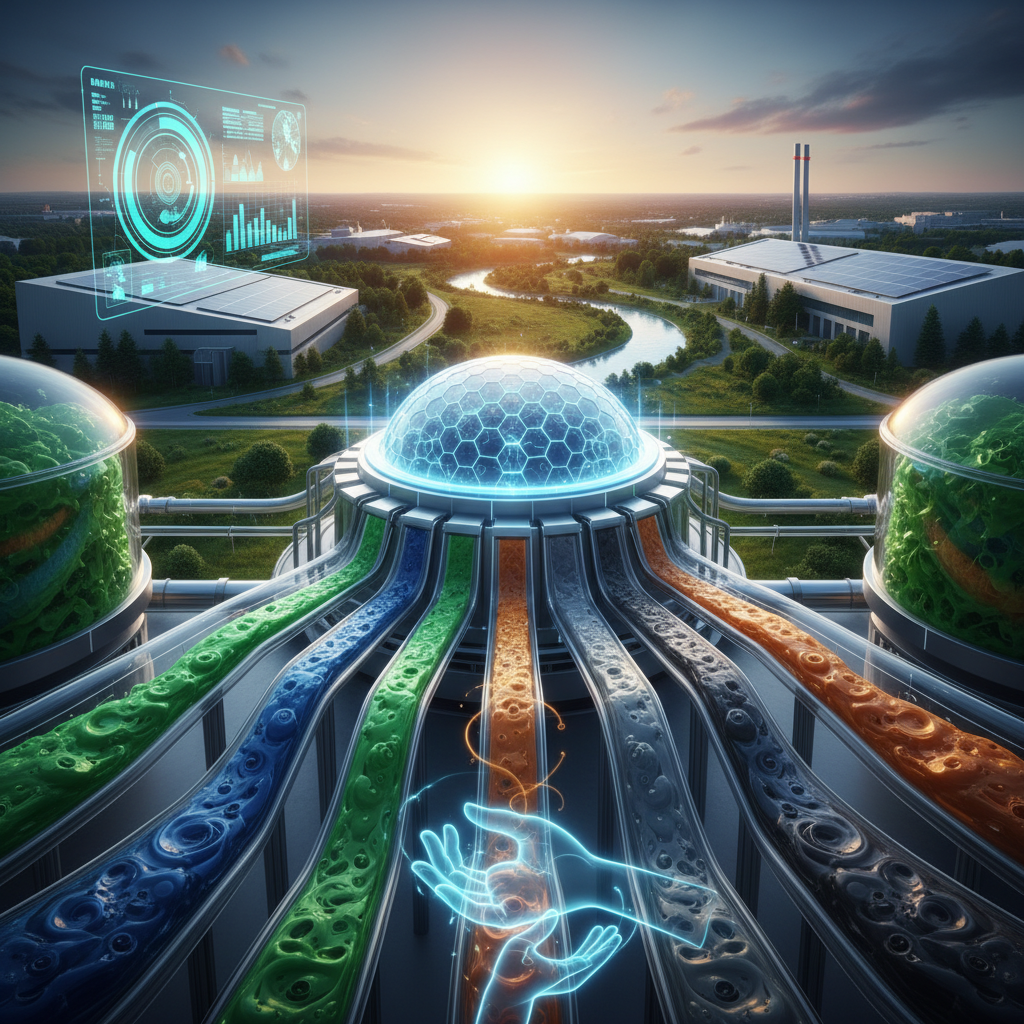
The paradigm for industrial sludge is shifting from ‘waste disposal’ to ‘resource recovery.’ The future of sludge management lies in embracing circular economy principles, where sludge is viewed not as an effluent but as a potential source of valuable resources.
Emerging trends and innovations include:
- Nutrient Recovery: Extracting phosphorus and nitrogen for fertilizers.
- Biofuel Production: Converting organic sludge into biodiesel or bioethanol.
- Building Materials: Utilizing treated sludge ash as an additive in cement or bricks.
- Advanced Oxidation Processes (AOPs): For breaking down recalcitrant organic pollutants.
- Artificial Intelligence & IoT: Optimizing treatment processes through real-time monitoring and predictive analytics.
Forward-thinking industries are already investing in these innovations, recognizing that sustainable sludge management can unlock new revenue streams and significantly enhance their environmental, social, and governance (ESG) performance. The Water Environment Federation (WEF) consistently highlights these advancements in their research and publications.
Frequently Asked Questions About Industrial Sludge
Q: Is all industrial sludge considered hazardous waste?
A: No, not all industrial sludge is hazardous. Its classification depends on its composition and the presence of specific contaminants above regulatory thresholds. Thorough characterization is required to determine if it meets hazardous waste criteria.
Q: What is the most common method of industrial sludge disposal?
A: Landfilling remains a common disposal method for non-hazardous sludge, particularly after dewatering and stabilization to reduce volume and potential hazards. Incineration is also used, especially for hazardous or high-organic content sludge, often with energy recovery.
Q: How can businesses reduce industrial sludge generation?
A: Sludge generation can be reduced through process optimization, raw material substitution, recycling and reuse of wastewater, improved filtration techniques, and implementing advanced primary treatment methods that minimize solids in the waste stream.
Q: Can industrial sludge be repurposed or reused?
A: Absolutely! Depending on its composition and treatment, industrial sludge can be beneficially reused. Examples include using treated organic sludge as soil amendments (with strict quality control), recovering metals, or utilizing dried sludge as a fuel source or building material additive.
Conclusion: Embracing Responsible Industrial Sludge Management
Industrial sludge management is a multifaceted challenge that demands strategic planning, technological innovation, and unwavering commitment to environmental responsibility. From understanding its diverse origins and compositions to implementing advanced treatment solutions and navigating complex regulatory frameworks, every step is crucial.
As industries evolve, the opportunity to transform industrial sludge from a costly waste product into a valuable resource grows. By embracing sustainable practices and investing in cutting-edge technologies, businesses can not only ensure compliance and mitigate risks but also unlock significant economic and environmental benefits, paving the way for a truly circular industrial future. The journey to mastering industrial sludge is continuous, but the rewards for a cleaner, more sustainable planet are immeasurable.
About the author