In an era defined by rapid industrialization and burgeoning populations, the challenge of waste generation has reached unprecedented levels. Humanity stands at a critical juncture, where traditional linear waste models – ‘take, make, dispose’ – are no longer viable. The imperative for change is clear: we must pivot towards a circular economy, with robust strategies for sustainable waste at its core. This article delves into the critical components, technological advancements, and societal shifts necessary to redefine our relationship with waste, paving the way for a healthier planet and prosperous future generations.
 The Imperative of Sustainable Waste Management
The urgency to adopt sustainable waste practices stems from multifaceted environmental and socio-economic pressures. Landfills, once seen as a solution, are now recognized as significant contributors to greenhouse gas emissions, leachate contamination, and land degradation. The depletion of finite natural resources underscores the need for resource recovery, while the pervasive issue of plastic pollution in oceans highlights a global ecological crisis.
Effective sustainable waste management goes beyond simply collecting and disposing of refuse; it embodies a holistic approach that seeks to minimize waste generation at its source, maximize resource recovery, and mitigate environmental harm throughout the waste lifecycle. This paradigm shift requires innovation in material science, processing technologies, and consumer behavior, impacting everything from product design to urban planning. Ignoring this imperative risks irreversible damage to ecosystems and long-term economic instability.
Key Environmental Impacts of Unsustainable Waste Practices:
- Greenhouse Gas Emissions: Organic waste in landfills produces methane, a potent greenhouse gas.
- Soil and Water Contamination: Leachate from landfills can pollute groundwater and soil.
- Resource Depletion: Failure to recycle and reuse necessitates the extraction of new raw materials.
- Biodiversity Loss: Pollution, particularly plastics, harms wildlife and ecosystems.
- Air Pollution: Incineration without proper controls releases harmful particulate matter and toxins.
Key Pillars of Sustainable Waste Strategies
At the heart of any effective sustainable waste strategy lies the “3 R’s” hierarchy: Reduce, Reuse, Recycle. While simple in concept, their diligent application forms the bedrock of a circular economy. Reduction involves minimizing waste generation at its source, often through conscious consumption, efficient manufacturing, and designing products for longevity. This is the most impactful step, as it prevents waste from entering the system in the first place.
Reuse extends the lifespan of products and materials, delaying their journey to disposal. This can range from refilling containers and repairing broken items to donating used goods. It significantly reduces the demand for new products and conserves the energy and resources that would have been expended in their production.
Recycling involves processing used materials into new products, diverting them from landfills, and reducing the need for virgin raw materials. This requires sophisticated collection, sorting, and processing infrastructure, along with robust markets for recycled content. Beyond the 3 R’s, composting organic waste is another crucial pillar, transforming food scraps and yard waste into nutrient-rich soil amendments, reducing landfill volumes, and improving soil health.
“The greatest threat to our planet is the belief that someone else will save it.” – Robert Swan
Technological Advancements in Future Waste Management
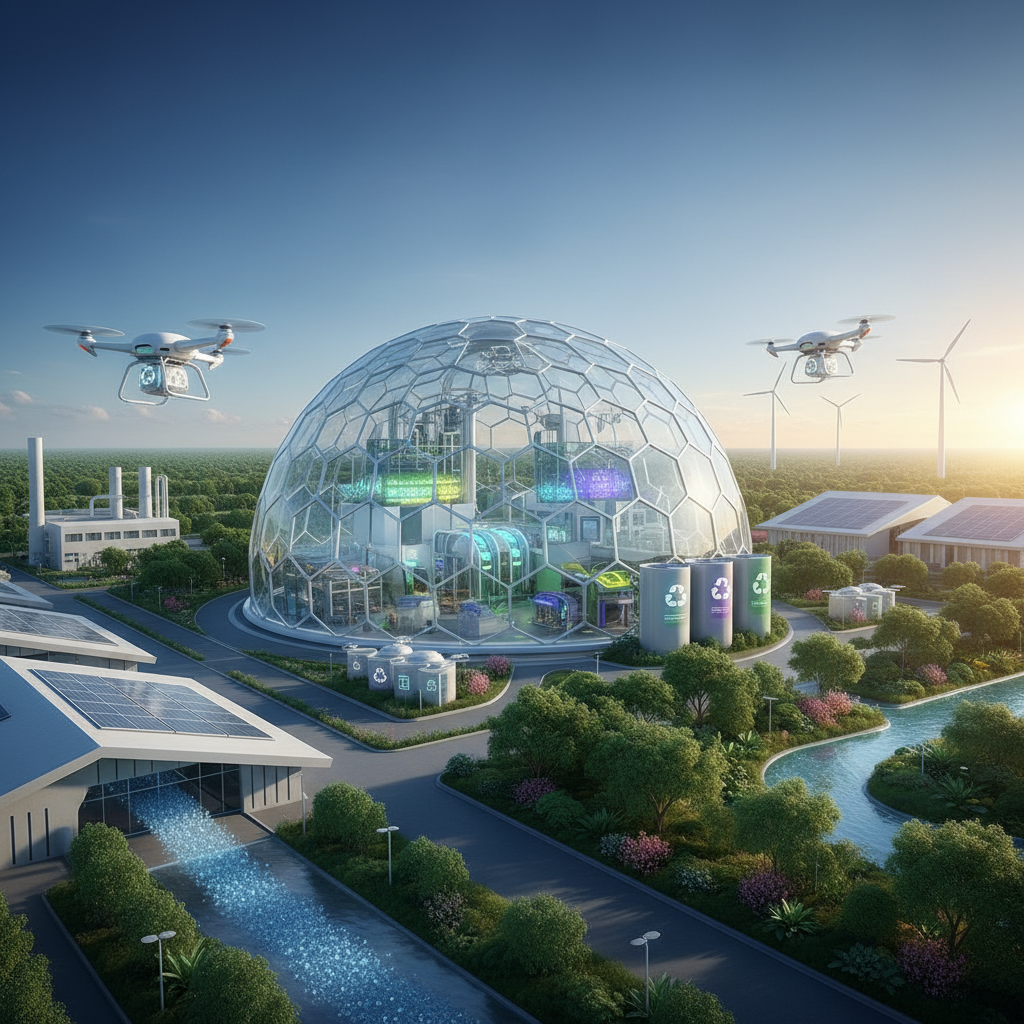
The landscape of waste management is being rapidly transformed by technological innovation, offering exciting prospects for future waste management. Advanced sorting facilities, powered by artificial intelligence and robotics, can efficiently separate diverse materials, including previously unrecyclable mixed plastics, metals, and electronic waste. Optical sorters, near-infrared sensors, and even hyperspectral imaging are improving purity rates, making recycling more economically viable.
Beyond mechanical sorting, chemical recycling processes are emerging, breaking down plastics into their original monomers, which can then be used to create new, high-quality plastics, effectively closing the loop. Waste-to-energy technologies, while controversial, are becoming more sophisticated, converting non-recyclable residual waste into electricity or heat through advanced incineration or gasification, reducing landfill volume and providing energy sources.
Moreover, the Internet of Things (IoT) is revolutionizing collection logistics. Smart bins equipped with sensors can signal when they are full, optimizing collection routes and reducing fuel consumption and emissions. Data analytics provides insights into waste generation patterns, enabling more informed decision-making and resource allocation for waste managers. These advancements are critical for transforming waste from a burden into a valuable resource.
Comparison of Traditional vs. Modern Waste Management
| Aspect Traditional Waste | Management Modern Sustainable | Waste Management |
|---|---|---|
| Primary Focus | Disposal (Landfilling, Incineration) | Resource Recovery, Waste Prevention, Circularity |
| Technology Use | Basic collection, minimal sorting | AI, Robotics, IoT, Advanced Recycling, Waste-to-Energy |
| Environmental Impact | High emissions, pollution, and resource depletion | Reduced emissions, pollution, and enhanced resource preservation |
| Economic Value | Cost of disposal | Revenue from recycled materials, energy, and new industries |
| Approach | Linear (Take-Make-Dispose) | Circular (Reduce-Reuse-Recycle-Recover) |
 Policy, Education, and Community Engagement
While technology offers powerful tools, successful, sustainable waste initiatives hinge on effective policy frameworks, public education, and robust community engagement. Governments play a crucial role in establishing regulations that promote waste reduction, incentivize recycling, and penalize irresponsible waste practices. Extended Producer Responsibility (EPR) schemes, for example, hold manufacturers accountable for the entire lifecycle of their products, encouraging eco-design and responsible disposal. Deposit-return schemes for beverage containers have also proven highly effective in increasing collection rates.
Education is paramount in fostering a culture of sustainability. Public awareness campaigns can inform citizens about proper sorting, the impact of their consumption choices, and the benefits of a circular economy. School curricula can embed these principles from a young age, shaping environmentally conscious future generations.
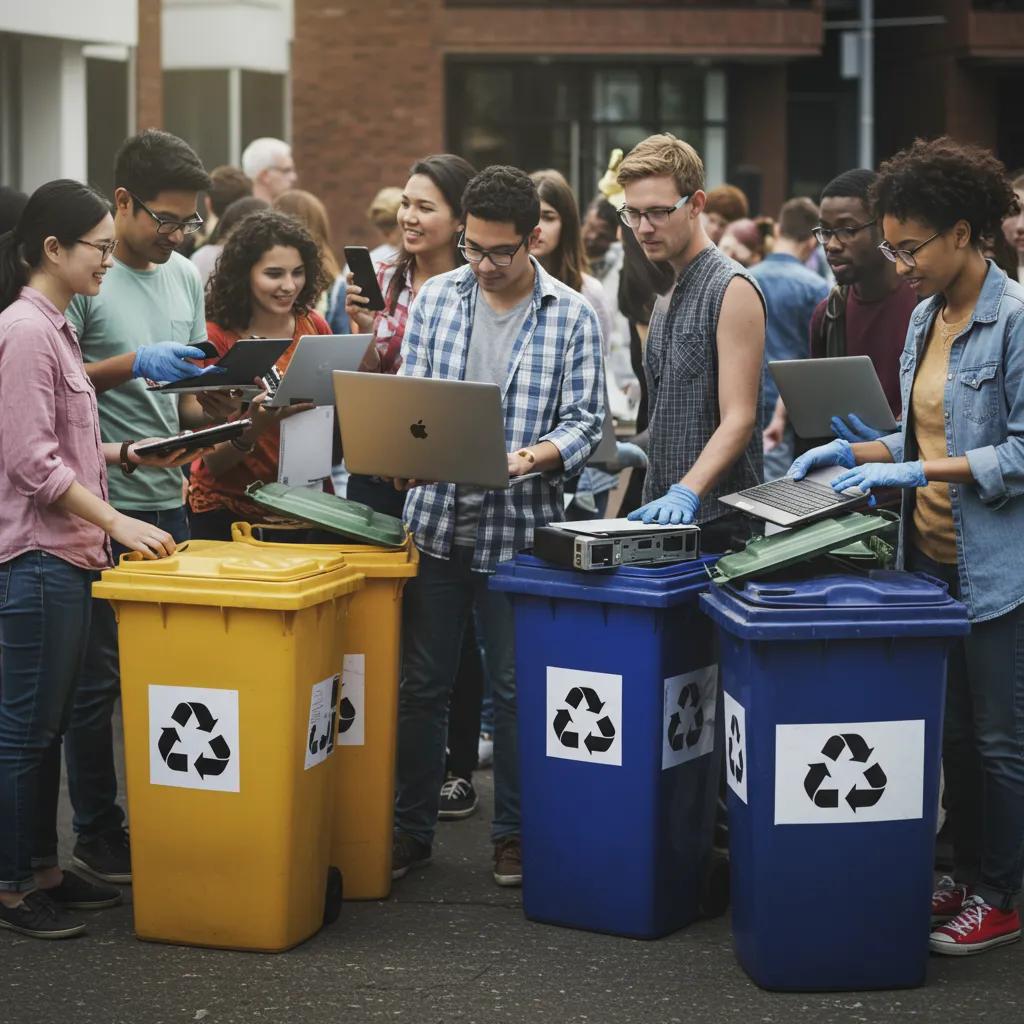
Community engagement initiatives, such as local composting programs, repair cafes, and waste exchange platforms, empower individuals and neighborhoods to actively participate in waste reduction efforts. By fostering a sense of shared responsibility and providing accessible resources, communities can become powerful agents of change in achieving ambitious, sustainable waste goals.
Examples of Community-Led Sustainable Waste Initiatives:
- Zero Waste Challenges: Encouraging households to reduce landfill waste to near zero.
- Community Composting Sites: Local facilities for residents to drop off organic waste.
- Repair Cafes: Volunteers help fix broken items, promoting reuse and skill-sharing.
- Swap Meets & Freecycle Groups: Platforms for exchanging unwanted items, preventing them from becoming waste.
- Beach & Park Cleanups: Organized events to remove litter from natural environments.
Frequently Asked Questions About Sustainable Waste
Q: What is the primary difference between recycling and sustainable waste management?
A: Recycling is a crucial component of sustainable waste management, focusing on processing materials into new products. However, sustainable waste management is a broader concept that encompasses the entire hierarchy: reducing waste generation, reusing products, repairing items, recycling, and finally, responsible disposal of residual waste. It’s a holistic approach that minimizes environmental impact and maximizes resource efficiency.
Q: How can individuals contribute to sustainable waste efforts?
A: Individuals can make significant contributions by adopting conscious consumption habits. This includes reducing purchases of single-use items, choosing durable products, buying secondhand, repairing rather than replacing, properly separating recyclables, composting organic waste, and actively participating in local sustainable initiatives. Advocating for policy changes and supporting businesses committed to sustainability also makes a difference.
Q: What role does technology play in future waste management?
A: Technology is transforming future waste management by enhancing efficiency and expanding capabilities. This includes AI and robotics for advanced sorting, chemical recycling for difficult plastics, waste-to-energy conversion, and IoT-enabled smart bins for optimized collection. These innovations make resource recovery more effective, reduce landfill reliance, and create new value from waste streams.
Conclusion: Charting a Course for a Waste-Free Future
The journey towards truly sustainable waste management is complex, requiring a concerted effort from individuals, industries, and governments. By embracing the principles of the circular economy – focusing on reduction, reuse, and robust recycling – and leveraging cutting-edge technologies, we can transform our relationship with waste from a problem to a powerful opportunity. The commitment to innovation in future waste management, coupled with enlightened policy and widespread education, is not merely an environmental imperative; it is an economic necessity and a moral obligation.
Investing in sustainable waste solutions today will yield dividends for generations, protecting our planet’s vital resources, mitigating climate change, and fostering resilient, cleaner communities. The path forward is clear: to master sustainable waste is to secure a sustainable future for all.
About the author