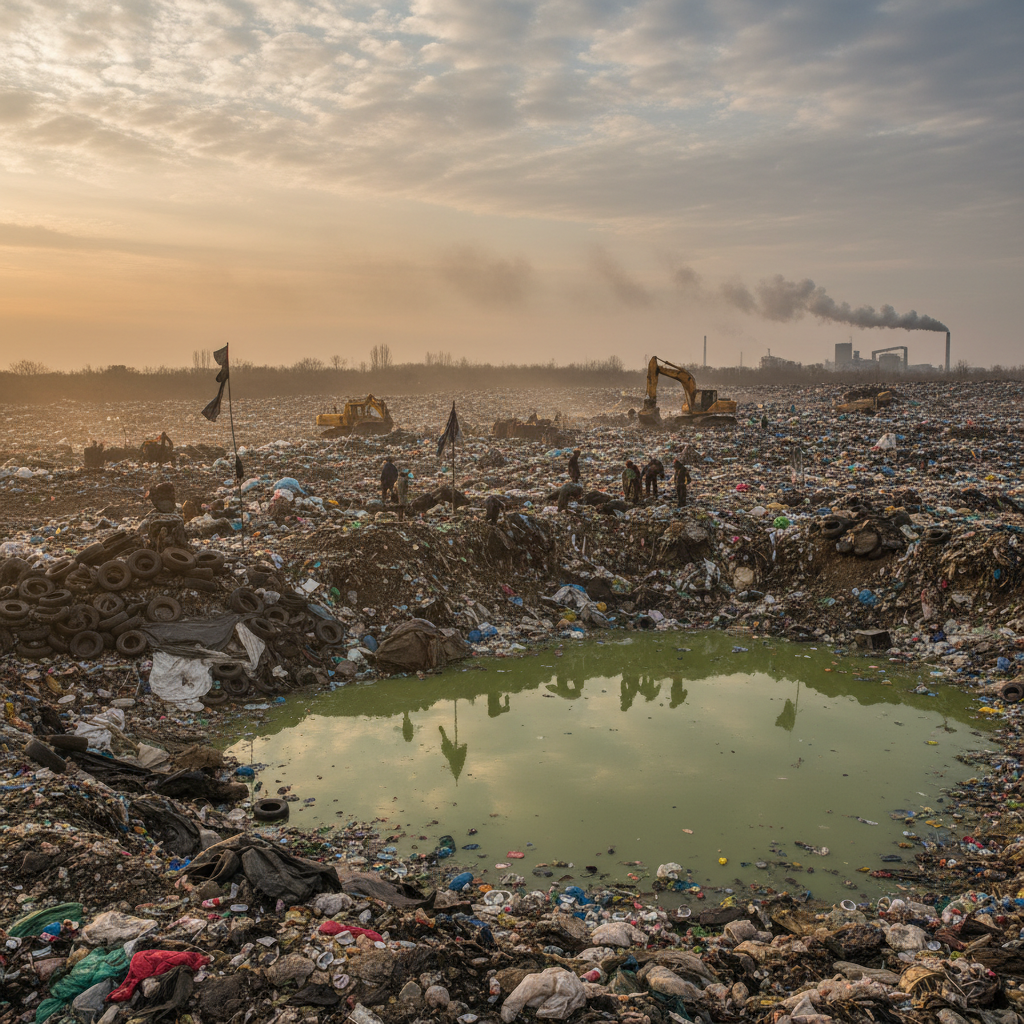
Picking between plastic and metal trash bins comes down to a few practical trade-offs: durability, odor control, upfront cost, and long-term environmental impact. This guide breaks down how HDPE plastic, stainless steel, and galvanized steel perform across durability, odor management, sustainability, and cost, then maps those differences to real-world uses—indoors, outdoors, and high-traffic locations. We focus on the maintenance, lifespan, fire resistance and recyclability factors that matter to homeowners and multi-location operators alike so you can weigh purchase price against total cost of ownership and program goals. By the end, you’ll have clear criteria for specifying containers that reduce replacements, control odors and support diversion objectives.
What Are the Key Advantages and Disadvantages of Plastic Trash Cans?

Plastic trash cans—usually made from HDPE or recycled plastic blends—are lightweight, impact-resistant and affordable, which makes them easy to move and cost-effective to buy in quantity. Their polymer construction won’t rust and tolerates everyday bumps without denting. That said, plastics are microscopically more porous than metal, so they can trap odors and stains if not cleaned on a regular schedule; prolonged UV or high heat exposure can also cause brittleness and warping. Knowing these strengths and limits helps you decide whether short-term savings and handling ease outweigh longer-term maintenance and replacement risks .
Practical strengths of plastic trash cans for everyday settings include:
- Low Weight : Simple to lift and reposition for cleaning or collection.
- Low Upfront Cost : Easier to bulk-purchase for multiple rooms or sites.
- Impact Resistance : Absorbs drops and knocks without denting like metal.
Those benefits make plastic a good fit for light-duty use, but they come with trade-offs that affect longevity and hygiene.
What Benefits Do HDPE Plastic Bins Offer for Home Use?
HDPE bins resist dents and corrosion, are easy to shape around lids and casters, and are light enough for frequent handling—ideal for kitchens, offices, and break rooms. Many HDPE products accept recycled content, lowering embodied material impacts without sacrificing performance. Because HDPE tolerates small impacts and keeps working when bumped, it can reduce short-term replacement needs versus more fragile options. Still, a steady cleaning routine is important to keep odors and stains from building up.
Those mobility and customization advantages lead naturally into common plastic limitations for heavier or outdoor use.
What Are the Common Drawbacks of Plastic Trash Bins?
Plastic bins can absorb odors, are vulnerable to UV degradation, and don’t offer the same fire resistance as many metals—factors that limit their use in high-heat or heavy-duty environments. Scratches and surface porosity can trap residues, so liners and regular washing are key to hygiene. Outside, long-term sun exposure accelerates polymer breakdown and makes replacements more frequent. Simple mitigations—placing bins under cover, regular sanitization, or choosing recycled-HDPE with UV stabilizers —can reduce those risks while preserving the weight and cost advantages.
Next, we compare how metal options handle durability and odor control.
How Do Metal Trash Bins Compare: Benefits and Drawbacks for Home Use?
Metal trash bins—mainly stainless and galvanized steel—deliver non-porous surfaces, greater fire resistance, and longer service life under heavy use. Steel’s strength resists punctures and vandalism, and stainless finishes are easier to sanitize, making them a top choice where odor control and hygiene matter. Metal is heavier and typically costs more up front, which affects mobility and may require wheels, mechanical assist, or anchoring outdoors. Whether those trade-offs are worth it depends on throughput, weather exposure, and your target replacement cadence.
Operational advantages of metal containers include:
- Durability: Withstands repeated handling and heavy impacts without deforming.
- Hygiene: Smooth, non-porous surfaces are easier to clean and resist odors.
- Fire Resistance: Performs better around heat sources than most plastics.
These strengths suit metal for tougher, higher-use situations, but practical limits remain.
What Are the Advantages of Stainless Steel and Galvanized Metal Bins?
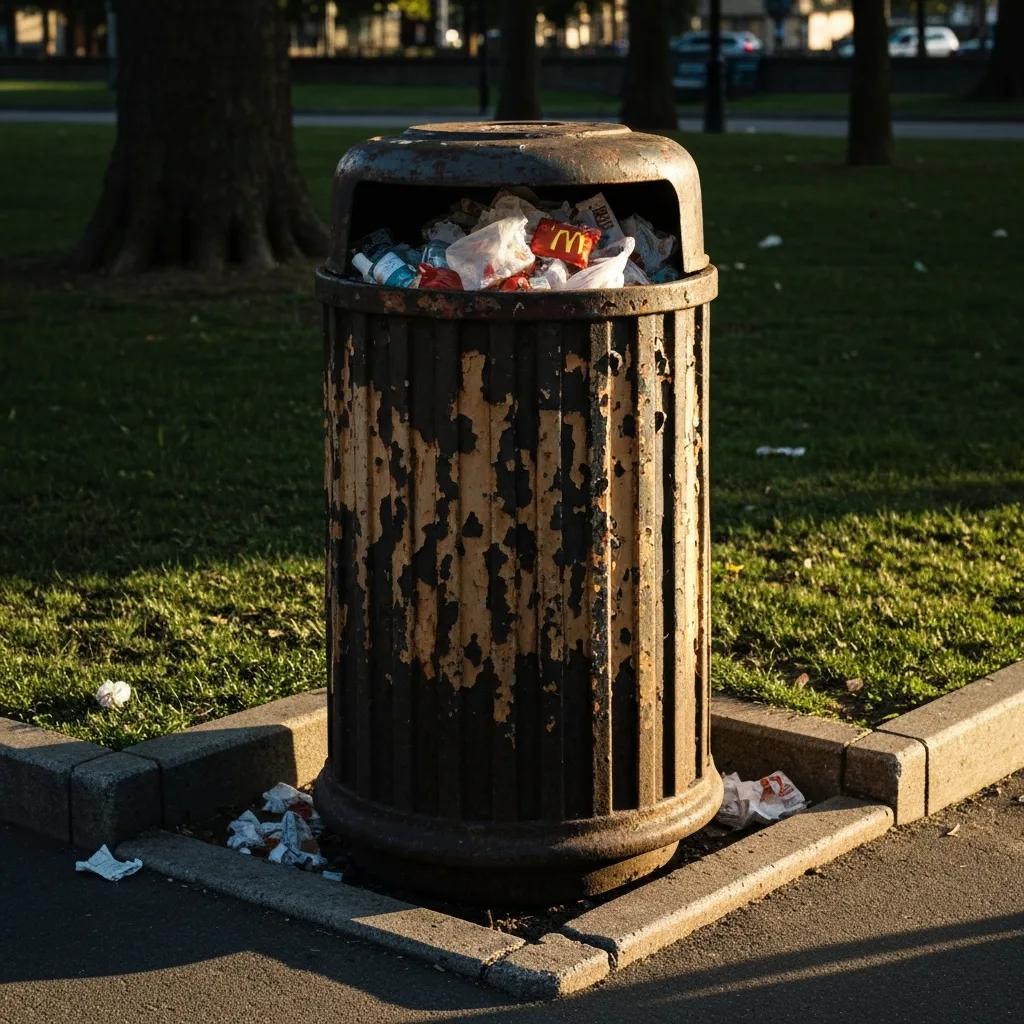
Stainless steel combines corrosion resistance with a clean look that’s ideal for indoor kitchens and hospitality spaces. Galvanized steel—zinc-coated for protection—offers a cost-effective, heavy-duty outdoor solution so long as the coating remains intact. Both materials support secure lids, locking hardware, and tamper-resistant fastenings to deter pests and spills—important in foodservice and retail loading areas. Regular inspection and occasional surface care keep coatings working and prevent corrosion in exposed environments.
These material strengths lead to the operational trade-offs that influence procurement choices.
What Limitations Should You Consider with Metal Trash Bins?
Metal can corrode if protective finishes fail, and the higher upfront cost plus extra weight create handling and procurement implications—especially for multi-site fleets. Moving and installing metal containers often requires casters or equipment, and dents or scratches can expose bare metal to faster corrosion without timely repair. In coastal or chemically aggressive settings, you may need higher-grade stainless or enhanced coatings, which raises cost. Planning for lifting gear, inspection schedules, and repair protocols reduces lifecycle risk and keeps service consistent.
Understanding those limitations sets up a direct look at durability and odor control across materials.
Which Trash Can Material Offers the Best Durability and Odor Control?
Durability and odor control depend on material porosity, lid seals, and how rigorously containers are maintained. Metal typically wins on durability, while plastic offers clear advantages in weight and price. Metal’s non-porous surfaces and tight lids limit odor escape and allow high-temperature sanitation; that’s why stainless and galvanized options are common in heavy-use settings. Plastic needs added measures—liners, deodorizers, and scheduled wash cycles—to approach similar odor performance over time, but its light weight makes handling easier in low-traffic areas. The table below summarizes key durability and odor attributes for a quick comparison.
| Material | Durability Characteristic | Odor Control / Cleaning |
|---|---|---|
| HDPE Plastic | High impact resistance but susceptible to UV embrittlement over time | Requires liners and regular washing; can absorb odors if scratched |
| Stainless Steel | Very high structural durability and corrosion resistance (indoor) | Non-porous surface that is easy to sanitize and resists odor retention |
| Galvanized Steel | Strong physical durability with good outdoor corrosion protection when the coating is intact | Effective with sealed lids; requires rust inspection to maintain hygiene |
This side-by-side shows how expected service intensity and maintenance capacity should guide material choice.
How Does Plastic Perform in Terms of Durability and Odor Management?
Plastic handles light to moderate use well—it resists dents and keeps working after impacts—but its lifespan shortens with constant commercial handling or extended outdoor exposure. Odor control for plastic depends on liners, enzyme cleaners, and routine deep washes; these remove residues and prevent smells from settling into scratches. For multi-site operations using plastic indoors, a documented cleaning cadence and standardized liners keep hygiene consistent across locations. With the right protocols, plastic remains a cost-effective and functional option.
Those sanitation practices explain why metal often offers an easier path to long-term odor control.
Why Are Metal Bins Often Preferred for Odor Control and Long-Term Use?
Metal bins are frequently chosen where odor control and long service life matter because smooth, non-porous surfaces limit microbial build-up and tolerate hot or chemical sanitation. Tight-fitting metal lids and stronger hinges hold containment better under heavy traffic, reducing fugitive odors and pest attraction. Over time, metal’s scrap value can offset replacement costs, and routine upkeep—polishing stainless or re-coating galvanized steel—extends service life. That operational simplicity makes metal a strong pick for loading docks, outdoor food-service areas, and commercial kitchens.
The table below distills durability and odor attributes so procurement teams can compare expected outcomes.
| Material | Attribute | Expected Outcome |
|---|---|---|
| HDPE | Lifespan (light use) | Moderate; years with regular cleaning |
| Stainless Steel | Odor absorption | Low; surfaces resist microbial build-up |
| Galvanized Steel | Maintenance need | Moderate; coating inspections extend life |
Remember: real-world sustainability depends on recycling infrastructure and how containers are maintained.
How Do Plastic and Metal Trash Bins Differ in Environmental Impact and Sustainability?
Environmental impacts hinge on embodied carbon, recyclability, recycled content, and replacement frequency. Metals usually score well for recyclability and long service life; plastics can improve their footprint with recycled-HDPE but face contamination challenges at end-of-life. Stainless and galvanized steel are widely recyclable and often contain recycled material, so recovery at retirement supports circular goals. Recycled-HDPE lowers virgin material use, but it requires clean collection and processing to avoid downcycling. Life-cycle analyses consistently show that extending service life and minimizing replacements deliver the largest reductions in lifetime footprint—so choose materials and maintenance practices that reduce turnover.
A comparative study on life-cycle assessment highlights that HDPE container systems can show higher impacts than steel systems when collection, fill rates, and container contents are accounted for.
LCA of HDPE vs. Steel Waste Containers: Environmental Impact Comparison A life-cycle assessment comparing container systems in municipal solid waste found that HDPE-based systems can have a greater overall impact than steel systems once factors like collection logistics, fill rates, and container contents are included.
Because material choice ties directly to corporate sustainability targets and diversion metrics, many organizations work with specialized waste providers to scale circular practices. National Waste Associates (NWA) supports multi-location clients with sustainable waste solutions and partnerships in industry initiatives, helping align container specs, recycling streams, and reporting to reduce GHG and improve diversion performance across sites.
What Is the Environmental Footprint of Plastic Trash Cans?
Plastic bins’ footprint depends on recycled content, collection quality, and how often they’re replaced. Virgin-HDPE carries a higher embodied carbon, while recycled-HDPE lowers that impact. Contaminated recycling streams reduce the chance that plastic is reprocessed into new containers and result in downcycling instead of closed-loop recovery. To mitigate that, specify post-consumer recycled content in procurement, require clean collection protocols, and choose designs that are easy to disassemble for material recovery. Pairing container choices with strong recycling contracts improves end-of-life outcomes for plastic bins.
Those recovery challenges stand in contrast to metal’s end-of-life advantages.
How Do Metal Trash Bins Support Sustainable Waste Management?
Metal bins generally provide strong recyclability because steel has high scrap value and well-established recovery channels—helping containers remain in the material loop when retired. Longer service life lowers the need to make replacements, cutting embodied emissions per year of service. For commercial programs, reclaiming metal containers for scrap or remanufacture can offset procurement costs and support diversion targets. Coordinating specifications, maintenance, and vendor take-back strategies improves the sustainability profile of metal fleets and aligns with zero-waste initiatives.
Next, we look at cost factors and how the upfront price interacts with lifecycle expenses.
| Material | Recyclability | Typical End-of-Life Outcome |
|---|---|---|
| HDPE Plastic | Moderate | Recyclable if uncontaminated; risk of downcycling |
| Stainless Steel | Very high | Recycled into new steel products with high recovery rates |
| Galvanized Steel | High | Recovered as scrap; coating management required |
These outcomes reinforce that local recycling systems and operational controls shape true sustainability.
What Are the Cost Considerations When Choosing Between Plastic and Metal Trash Bins?
Look at the total cost of ownership (TCO): purchase price, maintenance, replacement intervals, handling, and end-of-life recovery. Plastic usually has a lower upfront price, which suits budgeted deployments or interior-only use; metal’s higher initial cost can be offset over time by fewer replacements and scrap value. Multi-site operators should model replacement cycles, cleaning labor, and handling equipment to compare scenarios. The table below summarizes typical cost attributes to help procurement teams evaluate choices clearly.
| Material | Upfront Cost | Maintenance / Replacement |
|---|---|---|
| HDPE Plastic | Low | Higher replacement frequency if used outdoors or heavily |
| Stainless Steel | High | Low replacement frequency; lower cleaning labor per unit |
| Galvanized Steel | Moderate-High | Moderate maintenance; coating inspections required |
Apply a simple TCO formula—purchase + maintenance + replacement − salvage value—to evaluate materials against expected service life and operating context.
For organizations seeking data-driven TCO assessments and vendor optimization across many sites, National Waste Associates offers container-equipment audits and cost-reduction services through its NWA360 framework. We help multi-location clients quantify upfront versus long-term costs, identify gaps, and consolidate vendors to reduce collection expenses and rationalize equipment.
Are Plastic Trash Bins More Cost-Effective Initially?
Yes—plastic bins are generally cheaper per unit, which makes them attractive for quick rollouts, seasonal needs, or interior use where heavy wear is unlikely. That low initial cost suits trial programs and situations where mobility matters. But buyers should weigh whether a lower purchase price offsets potentially higher lifecycle costs from replacements and added cleaning labor in heavy-use settings. For short-term or low-traffic needs, plastic is often the sensible choice.
Next, we explain why metal can be a stronger long-term investment in many cases.
Why Might Metal Bins Offer Better Long-Term Value?
Metal bins can deliver lower lifecycle costs when you factor in fewer replacements, easier high-temperature or chemical sanitation, and residual scrap value. In high-throughput locations—loading docks, industrial kitchens, or outdoor gathering areas—reduced replacement frequency and simpler cleaning routines lower labor and procurement cycles. Because metal’s durability and salvage potential spread the initial investment across many service years, it can be the more economical choice over your planning horizon. Model expected replacement intervals and cleaning costs to see whether the metal premium pays off.
With cost considerations covered, the next step is choosing materials for specific environments.
Which Trash Bin Material Is Best Suited for Different Home Environments and Uses?
Match material to mobility needs, hygiene expectations, weather exposure, and handling logistics: plastic fits indoor, low-traffic spaces; metal is better for outdoor, heavy-duty, or high-hygiene areas. For homeowners and small businesses, HDPE bins work well in bathrooms, bedrooms, and light office spaces because they’re quiet, affordable, and easy to move. Metal bins suit outdoor kitchens, loading zones, hospitality areas, and manufacturing break rooms where durability, odor containment, and fire resistance are priorities. Below is a short checklist to guide scaled purchasing decisions for multi-site operations.
This checklist highlights industry-appropriate container choices :
- Hospitality: Stainless steel for interior food prep and service areas—prioritize hygiene and appearance.
- Retail: HDPE for back-of-house and office areas; galvanized or stainless for loading bays.
- Manufacturing & Logistics: Galvanized or heavy-duty steel in yards and docks for maximum durability.
These use-case guidelines clarify when to favor mobility and cost versus longevity and containment, and they tie directly to scaled deployment strategies.
National Waste Associates’ Waste Equipment & Commercial Dumpster Rental services support multi-site rollouts with consistent container specifications and coordinated rental or purchase logistics. Working with a waste equipment specialist reduces idle inventory and aligns containers with operational workflows.
When Are Plastic Trash Bins Ideal for Indoor and Light-Duty Use?
Plastic bins are best in offices, break rooms, bathrooms, and light retail where traffic is moderate and mobility matters. Their molded designs accommodate liners, pedals, and compact footprints for tight spaces. For these settings, use liners, schedule weekly washes, and apply occasional deodorizers to keep hygiene high and odors low. Those routines extend service life and make plastic an economical interior choice.
Indoor practicality and maintenance considerations naturally point to metal for tougher applications.
When Should You Choose Metal Bins for Outdoor or Heavy-Duty Applications?
Choose metal for outdoor, industrial, and high-traffic locations—loading docks, outdoor food-service areas, and public-facing hospitality —where resistance to impact, fire risk, and persistent odors matter. Metal’s weight reduces theft and tipping and supports stronger lids and locks to keep pests out. Because metal handling often needs casters, anchors, or mechanical assistance, plan installation and maintenance logistics during procurement to ensure safe, reliable operation.
The problem of household waste accumulation and lingering odors has also driven innovation in bin design and monitoring. We discuss waste management trends.
Smart Trash Bin Design to Minimize Household Waste Odor with IoT. Household waste and denser settlements increase odor issues and public-health concerns. Observations show that waste buildup is a primary source of unpleasant smells—fishy, rotten, or rancid odors that signal unsanitary conditions. This study describes a tool built with a NodeMCU microcontroller that uses website monitoring and automated WhatsApp alerts when a bin is full, plus an automatic deodorizing powder spray to prevent odor buildup.
With these environment-specific recommendations, you can match material pros and cons to your operational and sustainability goals and choose the right container for any setting.
Conclusion
Choosing the right trash bin material comes down to balancing durability, cost, and environmental goals. HDPE plastic works well for interior, low-traffic needs where mobility and lower cost matter; stainless and galvanized steel are the better options where durability, hygiene, and long service life are priorities. Match your choice to the environment and maintenance plan, and you’ll reduce replacements, manage odors, and better meet sustainability targets. Explore our full selection of bins or contact us for help specifying equipment for your home or business.
About the author