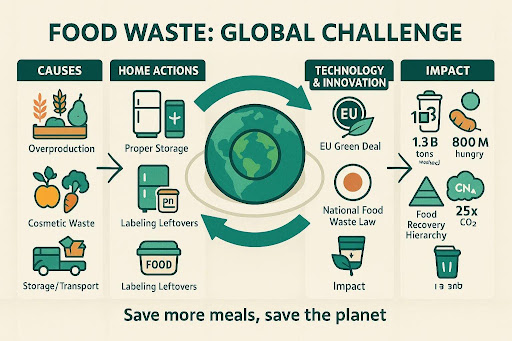
Food waste is both a cost center and a sustainability problem. For multi-location operators, small inefficiencies at each site multiply into large expenses and unnecessary environmental impact. This guide breaks down practical, scalable approaches—from audits to disposal alternatives and operational changes—that cut waste, lower bills, and improve compliance. Implemented right, these steps deliver measurable savings and cleaner operations across your entire footprint .
How Can Commercial Food Waste Audits Identify Cost Savings Opportunities?
A food waste audit is a structured review of where and why food is discarded. By tracking waste types, quantities, and sources, audits reveal the predictable losses hiding in purchasing, prep and service. The result: clear, prioritized actions you can take to reduce disposal fees, recover product value, and tighten operations.
What Are the Key Steps in Conducting a Food Waste Audit?
A practical food waste audit follows a few focused steps:
- Preparation and Planning : Set the audit scope, timing, and goals so results map to business priorities.
- Data Collection Methods : Record types and weights of waste using visual checks, scales, and simple logs.
- Analysis and Reporting : Turn data into trends, root causes, and a short list of high-impact fixes—then share a concise action plan.
These steps make it easy to identify where to intervene and quantify the savings from each change .
How Do Food Waste Audits Help Optimize Waste Streams and Reduce Expenses?
Audits expose repeatable patterns—overproduction, trimming losses, or poor storage—that drive costs. With that insight you can adjust ordering, refine prep schedules, and train teams on portioning. Over time, those changes reduce disposal volume, lower purchasing waste, and improve labor productivity, producing sustained cost reductions .
What Sustainable Food Waste Disposal Methods Can Businesses Implement?
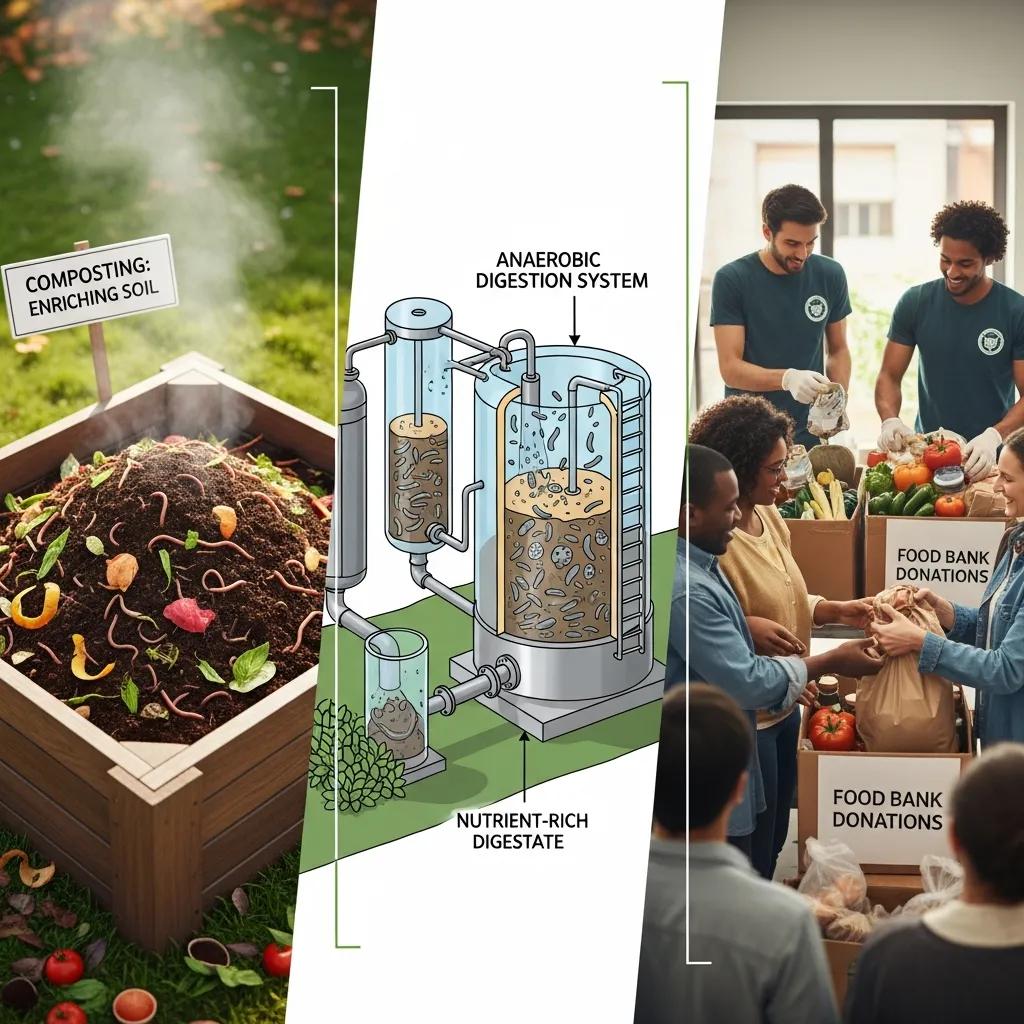
Choosing the right disposal path matters. Options like composting, anaerobic digestion, and organized donation each cut landfill volume while offering operational or community benefits. The best choice depends on scale, local infrastructure, and your sustainability goals.
Recent studies underline how targeted disposal methods support broader campus and institutional sustainability objectives.
Composting & Anaerobic Digestion for Food Waste Management Examination of composting and anaerobic digestion processes applied to food waste and sewage sludge across multiple higher education institutions — useful context for institutions evaluating diversion pathways. Impact of Transshipment Prices on Food Waste in a Two-Location Restaurant Inventory System, S Suginouchi, 2025
How Does Composting Divert Food Waste and Lower Disposal Costs?
Composting keeps organic material out of landfills and turns it into a useful product. Benefits include: waste out of landfills
- Cost Savings : Lower tipping fees and reduced landfill hauling when you divert organics.
- Environmental Impact : Less methane from landfill decomposition and a smaller carbon footprint.
- Soil Enrichment : Produces compost that can be used on-site or sold/partnered with local farms.
When matched to the right scale and logistics, composting is an economical diversion strategy that supports sustainability targets.
What Are the Benefits of Anaerobic Digestion and Food Donation Programs?
Anaerobic digestion converts organics into biogas and nutrient-rich digestate, while donation programs recover edible food for people. Both approaches deliver social or financial return :
- Energy Production : Biogas can offset on-site energy use or be sold, creating value from waste.
- Nutrient-Rich Digestate : A usable byproduct that can replace synthetic fertilizers.
- Food Donation Programs : Redirecting surplus to food banks reduces waste and strengthens community ties—while following food safety rules.
Properly executed, these options improve sustainability metrics and can create new revenue or goodwill .
Which Strategies Effectively Reduce Food Waste Costs for Multi-Location Businesses?
Multi-site operators need repeatable, scalable practices—inventory alignment, portion control, and supplier coordination—to meaningfully cut waste costs across all locations.
Evidence shows inventory tactics like transshipment can lower waste and improve margins for multi-location food businesses .
Reducing Food Waste & Boosting Profit in Multi-Location Restaurants Growing attention to food loss has prompted proposals such as inventory transshipment. This research examines how moving stock between locations affects both profitability and food waste in the restaurant context. Impact of Transshipment Prices on Food Waste in a Two-Location Restaurant Inventory System, S Suginouchi, 2025
How Can Inventory Management and Portion Control Minimize Food Waste Expenses?
Practical steps to reduce waste-related spend include:
- Regular Inventory Audits : Short, frequent checks prevent over-ordering and spot spoilage early.
- Portion Control Training : Standardized portions and clear plating rules reduce plate waste and inconsistencies.
- Utilizing Technology : Inventory and forecasting tools give visibility to usage trends so you order smarter.
Combined, these measures reduce waste at the source and protect margins site by site.
What Role Does Supplier Optimization Play in Food Waste Cost Savings?
Suppliers are partners in waste reduction. Focus areas include: 5 ways to reduce waste .
- Building Strong Relationships : Reliable communication and delivery windows cut spoilage risk.
- Negotiating Flexible Contracts : Terms that allow adjustments for demand swings limit excess inventory.
- Sourcing Local Products : Shorter supply chains mean fresher goods and less waste.
Working closely with vendors reduces both product loss and downstream disposal costs.
How Do Food Waste Compliance and Regulations Impact Business Waste Management?
Staying compliant limits penalties and shapes practical diversion choices . Know your locality’s rules and use them to guide operational changes.
What Are the Key Local and Federal Food Waste Disposal Regulations?
Rules you’ll commonly encounter include:
- Local Ordinances : Many cities and counties require or incentivize organics diversion and recycling.
- Federal Guidelines : The EPA offers best-practice guidance and tools, though there’s no blanket federal mandate for diversion.
How Can Businesses Ensure Compliance to Avoid Penalties and Optimize Waste Costs?
Compliance is a process—these basics help: these basics
- Regular Training : Keep teams current on rules and correct disposal procedures.
- Documentation : Maintain clear records of diversion, hauls, and donations to show due diligence.
- Engagement with Local Authorities : Stay connected to waste agencies for updates and partnership opportunities.
A proactive compliance program reduces risk and often uncovers operational efficiencies.
What Industry-Specific Food Waste Solutions Are Available for Restaurants, Grocery, and Hospitality?
Each sector faces different touchpoints for waste—tailored tactics deliver better results than one-size-fits-all approaches.
Sector-focused research highlights how hospitality and food service practices align with global sustainability goals.
Sustainable Food Waste Strategies for Hospitality & Food Services SDG 12.3 targets reductions in food loss and waste across supply chains by 2030. This review applies Social Practice Theory to identify sustainable waste-management practices specifically for hospitality and food-service operations. Sustainable food waste management strategies by applying practice theory in hospitality and food services-a systematic literature review, K Munir, 2030
How Do Restaurants Implement Sustainable Food Waste Programs?
Restaurants can make quick, effective changes such as: strategies to minimize waste
- Menu Planning : Use seasonal, versatile ingredients to reduce spoilage and cross-utilize product.
- Customer Engagement : Offer smaller portions and encourage takeaway to avoid plate waste.
- Waste Tracking : Simple logs and scales highlight which dishes or prep steps create the most waste.
These moves cut waste and reinforce a sustainability story with guests.
What Are Effective Food Waste Reduction Practices for Grocery Stores and Hospitality?
Grocery and hospitality teams can deploy targeted tactics :
- Dynamic Pricing : Discount near-expiry items to move product before spoilage.
- Donation Partnerships : Set up regular pick-ups with food banks to redirect safe, unsold food.
- Consumer Education : Clear labeling and storage tips help customers avoid waste at home.
Focused programs like these reduce losses and strengthen community relationships .
How Can Technology and the NWA360 Portal Enhance Food Waste Management and Cost Savings?
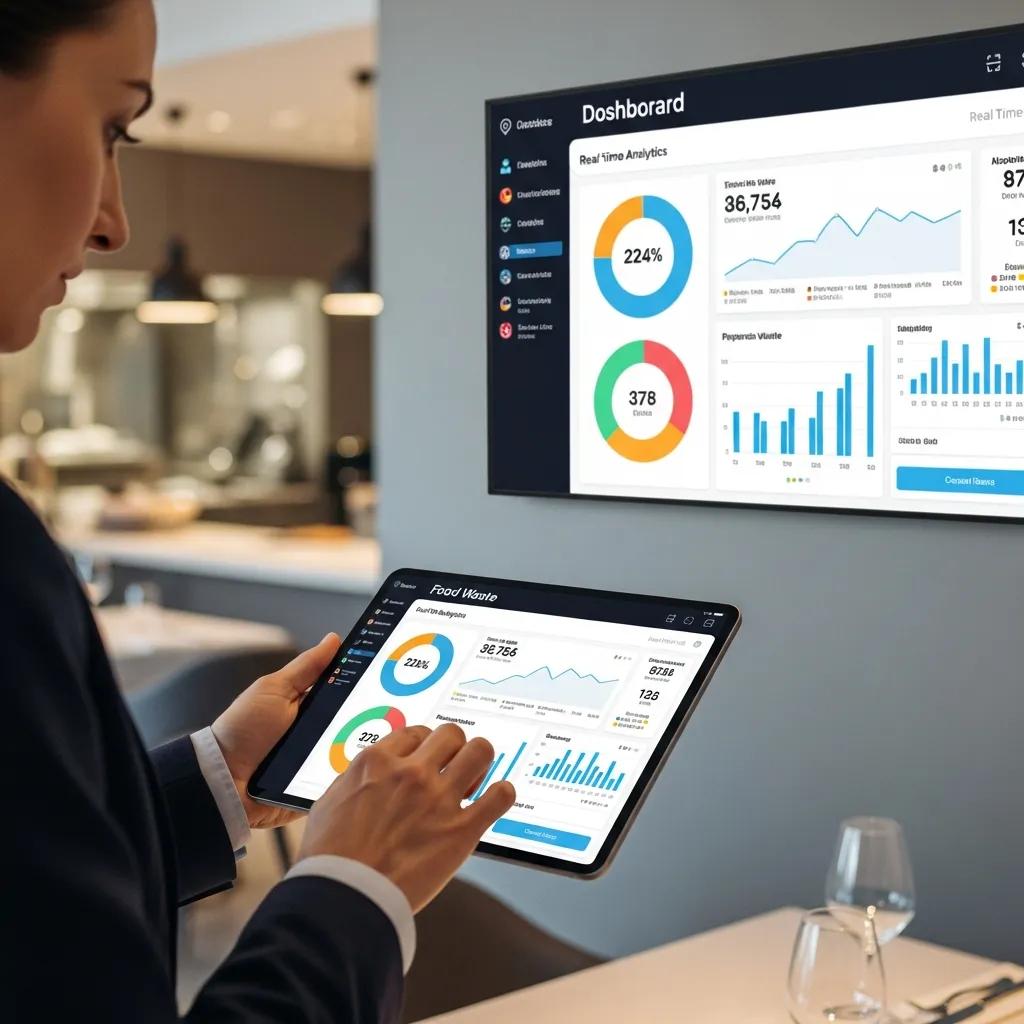
Digital tools turn scattered data into clear actions. NWA360 centralizes waste tracking and reporting so multi-location teams can spot trends, measure impact, and scale successful practices.
What Features Does NWA360 Offer for Real-Time Waste Tracking and Reporting?
NWA360 includes practical features designed for busy operations :
- Real-Time Tracking : Capture waste data as it happens to stop problems quickly.
- Custom Reporting : Build reports that match your KPIs and show dollars saved.
- User-Friendly Interface : Simple screens make it easy for staff to log and access data with minimal training.
These tools help teams turn daily practice into measurable savings .
How Does Technology Support Predictive Analytics and Waste Optimization?
Analytics amplify your ability to reduce waste by forecasting needs and highlighting opportunities: best practices
- Proactive Management : Predict waste volumes and right-size purchasing and production.
- Enhanced Decision-Making : Use data to prioritize high-impact changes by location or item.
- Continuous Improvement : Track outcomes, refine tactics, and scale what works across your network.
With the right platform, you move from reactive fixes to system-level improvement.
| Disposal Method | Benefits | Considerations |
|---|---|---|
| Composting | Cuts landfill volume, creates usable compost | Needs space, sorting and routine management |
| Anaerobic Digestion | Generates renewable energy and diverts organics | Higher upfront cost and operational know-how required |
| Food Donation | Supports community and reduces waste costs | Requires logistics, partnerships and food-safety compliance |
Adopting the right mix of audits, diversion methods, and operational changes helps businesses shrink waste-related expenses while advancing sustainability goals .
Frequently Asked Questions
What are the long-term benefits of reducing food waste for businesses?
Long-term benefits include lower disposal and purchasing costs, improved margins, and stronger brand value with eco-conscious customers. Waste reductions also free up operational capacity and can open partnership or revenue opportunities—donation programs, compost sales, or energy offsets—while supporting broader sustainability commitments .
How can employee training impact food waste reduction efforts?
Training is a multiplier: clear portioning rules, proper storage, and correct disposal procedures reduce mistakes that lead to waste. Regular refreshers keep teams aligned and make process changes stick, translating into consistent cost savings .
What role does consumer behavior play in food waste management?
Customer choices influence waste—portion sizing, takeaway options, and education matter. Offering smaller portions, clear storage guidance, and incentives for leftovers can reduce consumer-level waste and support your overall reduction targets.
How can businesses measure the effectiveness of their food waste reduction strategies?
Track metrics like total waste weight, disposal costs, inventory turnover, and donation volumes. Use tools such as NWA360 for real-time tracking and generate baseline vs. post-action reports to quantify savings and ROI.
What are some common challenges businesses face in implementing food waste solutions?
Typical hurdles include staff adoption, upfront resource needs, and coordination for donation or diversion logistics. Overcome them with concise training, pilot programs, and partnerships that spread burden and simplify execution.
How can technology enhance collaboration in food waste management?
Technology centralizes data and communication across sites, making it easier to compare performance, replicate successful tactics, and coordinate with suppliers or community partners. That visibility drives faster, more consistent improvements across a multi-location operation .
Conclusion
Reducing food waste is a clear business opportunity: lower costs, stronger compliance, and improved brand reputation. Start with focused audits, pick diversion methods that fit your scale, and use data and supplier partnerships to lock in savings across all sites. If you’re ready to move from pilot to program, our resources and tools can help you scale effective, sustainable practices across your entire operation.
About the author