Retail waste is becoming one of the biggest challenges in today’s consumer-driven world. From unsold inventory to excessive packaging, businesses generate massive amounts of waste every day. As global awareness around sustainability grows, reducing retail waste is no longer optional—it’s essential.
Retailers of all sizes are now under pressure to adopt smarter practices that minimize waste while maintaining profitability. The good news? With the right strategies, businesses can cut waste, save money, and even strengthen their brand image.
What Is Retail Waste?
Retail waste refers to any material or product that a retail business discards. This includes unsold goods, damaged items, packaging materials, and even food that expires before being sold.
It occurs across various sectors, including fashion, grocery, electronics, and general merchandise. Whether it’s leftover seasonal clothing or spoiled produce, retail waste is a widespread issue.
Why Retail Waste Is a Growing Concern
Retail waste is increasing due to fast consumption habits and rapid product turnover. Consumers expect constant variety, leading retailers to overstock items. Unfortunately, much of this inventory never gets sold.
Additionally, the rise of e-commerce has led to increased packaging waste and product returns, further compounding the problem.
Types of Retail Waste
Understanding the different forms of retail waste is the first step toward solving the problem.
Food Waste in Retail
Grocery stores and supermarkets often handle perishable goods that spoil quickly. Imperfection and unsold food items are frequently discarded, even if they are still safe to eat.
Packaging Waste
Retailers rely heavily on packaging for branding and protection. However, single-use plastics and excessive wrapping contribute significantly to environmental pollution.
Unsold Inventory
Clothing, electronics, and seasonal items often go unsold. Many retailers dispose of these goods instead of finding alternative uses.
Operational Waste
This includes waste generated from daily operations, such as damaged goods, energy waste, and inefficient processes.
Causes of Retail Waste
Retail waste doesn’t happen by accident—it’s usually the result of several underlying issues.
Poor Inventory Management
Without accurate forecasting, retailers often order too much stock. This leads to excess products that may never sell.
Overproduction and Overstocking
To meet demand and avoid shortages, businesses tend to overproduce. Unfortunately, this often results in surplus inventory.
Inefficient Supply Chains
Delays, miscommunication, and poor logistics can cause products to spoil or become obsolete before reaching shelves.
Consumer Behavior Patterns
Impulse buying, frequent returns, and demand for new trends all contribute to retail waste.
Environmental Impact of Retail Waste
Retail waste has serious consequences for the environment.
Landfills and Pollution
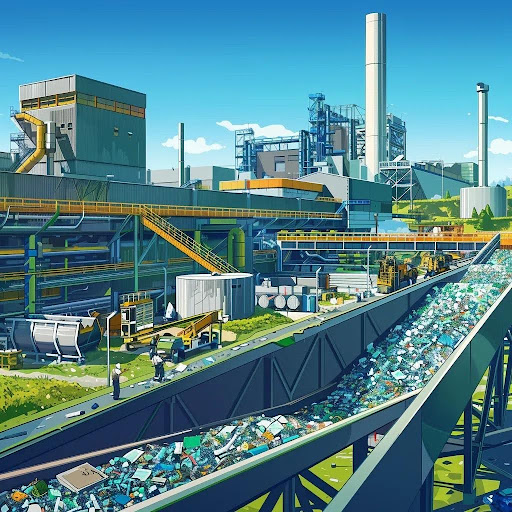
Most retail waste ends up in landfills, where it contributes to soil and water pollution.
Carbon Footprint Increase
Producing, transporting, and disposing of goods generate greenhouse gas emissions, worsening climate change.
Resource Depletion
Wasted products mean wasted resources, including water, energy, and raw materials.
Economic Impact on Businesses
Retail waste doesn’t just harm the planet—it also affects profits.
Financial Losses
Unsold inventory represents lost revenue and wasted investment.
Increased Operational Costs
Handling, storing, and disposing of waste adds to business expenses.
Brand Reputation Damage
Modern consumers prefer eco-friendly brands. Companies that ignore sustainability risk losing customer trust.
Retail Waste Management Strategies
Reducing retail waste requires a proactive approach.
Smart Inventory Systems
Using data-driven tools helps retailers predict demand more accurately and avoid overstocking.
Sustainable Packaging Solutions
Switching to biodegradable or reusable packaging can significantly cut waste.
Donation and Redistribution Programs
Unsold goods can be donated to charities instead of being discarded.
For example, organizations like Feeding America help redistribute surplus food to those in need.
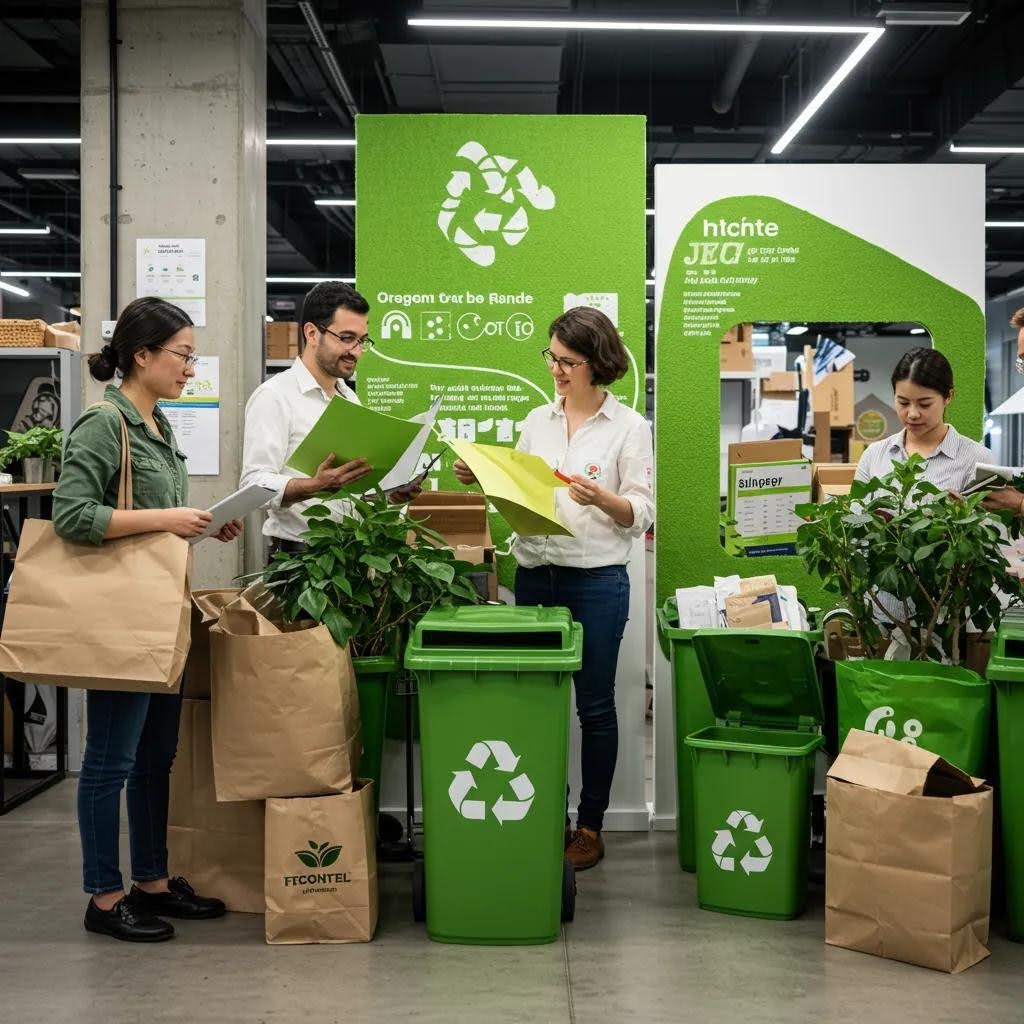
Recycling and Upcycling
Retailers can recycle materials or repurpose unsold products into new items.
Role of Technology in Reducing Retail Waste
Technology plays a key role in tackling retail waste.
AI and Data Analytics
AI tools analyze sales patterns and predict demand, reducing overproduction.
Automation in Supply Chains
Automation improves efficiency and reduces errors in inventory management.
Waste Tracking Tools
These tools help businesses monitor waste and identify areas for improvement.
Consumer Awareness and Responsibility
Consumers also have a role to play.
Conscious Buying Habits
Buying only what’s needed reduces waste at the source.
Supporting Sustainable Brands
Choosing eco-friendly retailers encourages responsible practices.
Government Regulations and Policies
Governments are stepping in to address retail waste.
Waste Reduction Laws
Many countries have introduced laws to limit waste and promote recycling.
Incentives for Sustainable Practices
Tax benefits and grants encourage businesses to adopt green solutions.
Case Studies of Successful Waste Reduction
Retail Giants Leading the Way
Large retailers are investing in sustainability initiatives to reduce waste and improve efficiency.
Small Business Innovations
Small businesses are adopting creative solutions like zero-waste packaging and local sourcing.
Challenges in Reducing Retail Waste
Cost Barriers
Sustainable solutions can be expensive to implement initially.
Lack of Awareness
Some businesses are unaware of the scale of the problem or how to address it.
Implementation Issues
Transitioning to sustainable systems can be complex and time-consuming.
Future Trends in Retail Waste Reduction
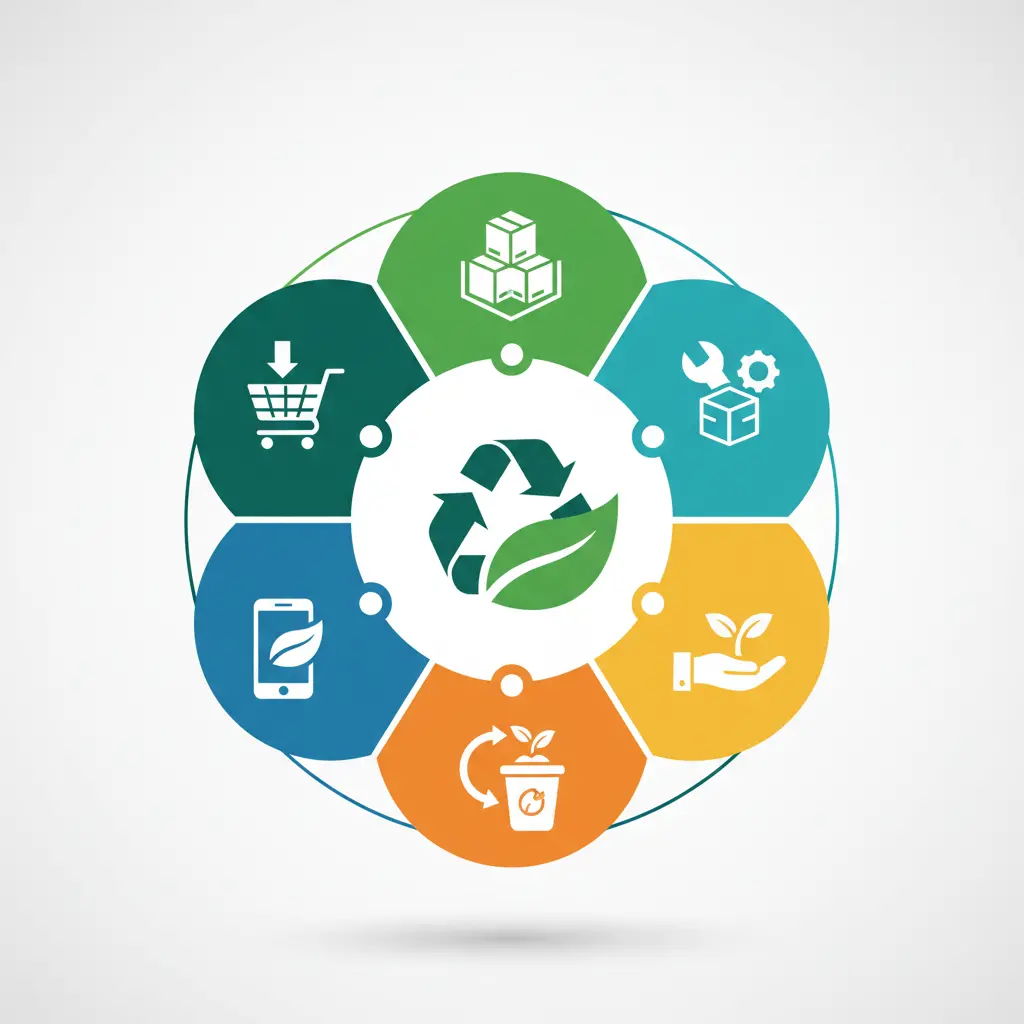
Circular Economy Models
Products are designed to be reused, repaired, or recycled, minimizing waste.
Zero-Waste Stores
These stores eliminate packaging and encourage the use of reusable containers.
FAQs About Retail Waste
1. What is retail waste?
Retail waste includes unsold goods, packaging, and damaged items discarded by retailers.
2. Why is retail waste a problem?
It harms the environment, increases costs, and wastes valuable resources.
3. How can retailers reduce waste?
By improving inventory management, using sustainable packaging, and donating unsold goods.
4. What industries produce the most retail waste?
Fashion and food retail are among the biggest contributors.
5. Can technology help reduce retail waste?
Yes, AI and automation can improve forecasting and reduce excess inventory.
6. What is a zero-waste store?
A store that minimizes waste by eliminating packaging and promoting reusable products.
🏁 Conclusion
Retail waste is a pressing issue that affects both businesses and the environment. However, it also presents an opportunity. By adopting smart strategies, leveraging technology, and encouraging responsible consumer behavior, retailers can significantly reduce waste.
The shift toward sustainability is not just a trend—it’s the future. Businesses that act now will not only reduce their environmental impact but also gain a competitive edge in an increasingly eco-conscious market.
About the author