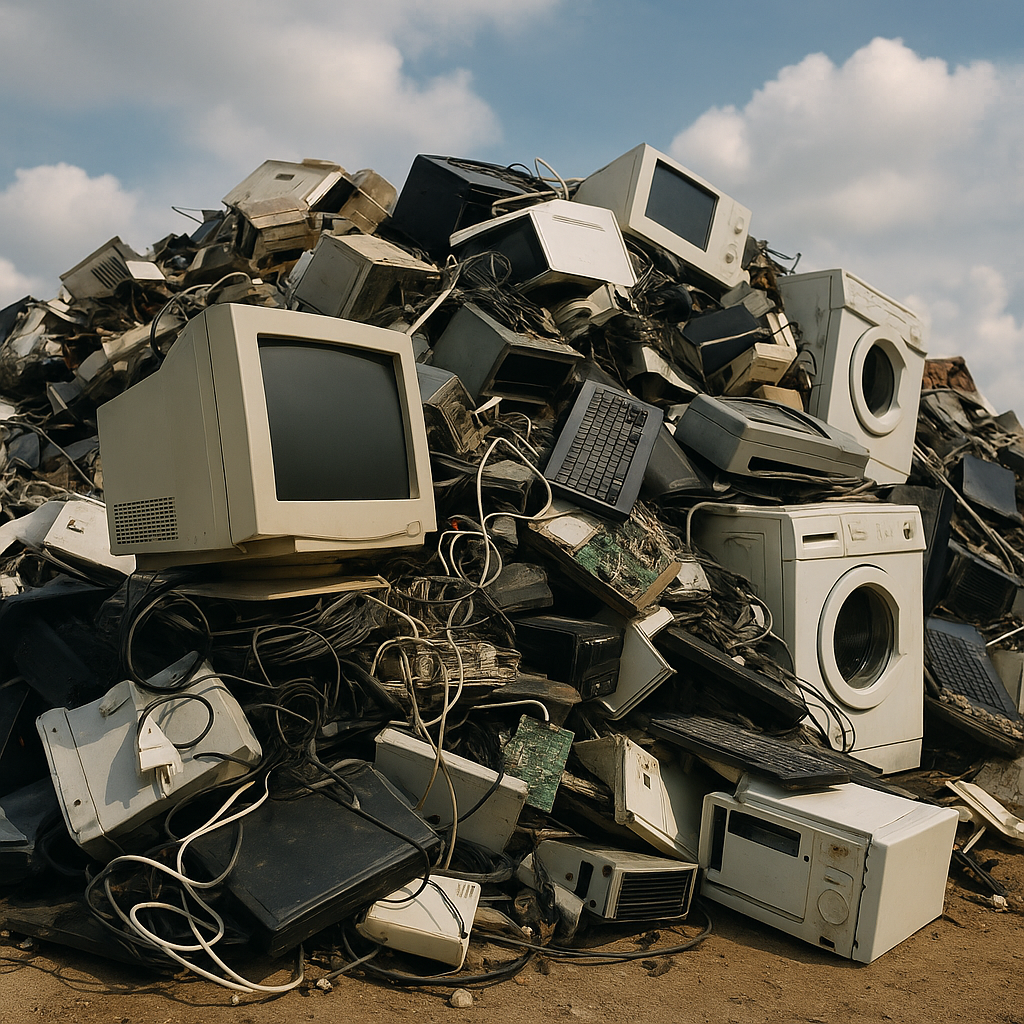
In today’s digital age, electronic gadgets are essential to our lives. From smartphones and laptops to kitchen appliances and smart TVs, technology evolves faster than ever. But there’s a darker side to this convenience — the rapidly growing mountain of electronic waste , or e-waste . Every year, millions of tons of discarded electronics end up in landfills, leaching toxic materials into the soil and water .
The problem isn’t just about clutter; it’s about sustainability. As newer gadgets replace older ones, our planet faces an invisible crisis. Understanding what electronic waste is — and how to handle it — is the first step toward change .
What Is Electronic Waste? Definition and Overview
Electronic waste refers to discarded electrical or electronic devices that have reached the end of their useful life. These include anything with a plug, battery, or circuit board — such as computers, cell phones, televisions, and printers. Unlike organic waste, e-waste doesn’t decompose naturally and often contains hazardous materials like mercury, lead, and cadmium. For proper disposal, you can learn more about business e-waste recycling .
According to the Global E-Waste Monitor, the world generated 62 million metric tons of e-waste in 2022 , and this number is expected to rise dramatically by 2030. The lack of proper disposal systems, especially in developing countries , only worsens the issue.
The Global Impact of E-Waste on the Environment and Human Health
Improper disposal of electronic waste leads to devastating environmental and health consequences. When electronics are burned or dumped, toxic chemicals like arsenic and lead contaminate soil and groundwater. These toxins can cause respiratory diseases, cancer, and neurological disorders in nearby communities.
Additionally, informal recycling — often done manually in unsafe conditions — exposes workers to harmful substances without protection. The impact extends globally, affecting ecosystems, water sources, and the very air we breathe. the role of circular economy
Understanding the Scale of the Problem
Global E-Waste Statistics You Should Know
- Over 82% of global e-waste is not formally recycled.
- Only 17% is processed through proper recycling channels.
- The Asia-Pacific region produces the largest volume of electronic waste annually.
Top Countries Producing Electronic Waste
The biggest contributors include China, the United States, and India — collectively generating nearly 40% of the world’s e-waste. High consumer demand and short product lifecycles drive this trend .
Hidden Dangers of Improper E-Waste Disposal
Unregulated disposal sites release harmful chemicals into nearby rivers and farmland. In some African and Asian countries, children work in e-waste dumps, risking lifelong health issues. business e-waste recycling
Common Sources and Types of Electronic Waste
Consumer Electronics: Phones, Laptops, and Gadgets
The most common form of e-waste comes from everyday devices — smartphones, tablets, and computers. These products are often replaced every 2–3 years due to upgrades or damage.
Industrial and Commercial E-Waste
Offices, factories, and data centers dispose of outdated IT equipment regularly. Large servers, photocopiers, and industrial control systems contribute heavily to global e-waste recycling totals.
Household Appliances and Their Disposal Issues
Old microwaves, washing machines, and refrigerators contain metals and coolants that are particularly challenging to recycle safely. business e-waste recycling
Why Recycling Electronic Waste Matters
Benefits of Proper E-Waste Recycling
Recycling electronic waste helps recover precious metals like gold, silver, and copper — reducing the need for mining. It also prevents toxic substances from harming the environment.
How Recycling Reduces Pollution and Conserves Resources
Each recycled ton of e-waste saves thousands of liters of water and reduces greenhouse gas emissions. Moreover, recycling conserves natural resources, supporting a circular economy .
10 Effective Ways to Reduce Electronic Waste
1. Repair Before You Replace
Many devices can be repaired with minor fixes — extending their life span significantly.
2. Donate or Resell Functional Electronics
Donate working devices to charities or sell them online to reduce waste.
3. Choose Refurbished or Eco-Friendly Devices
Buy certified refurbished products that work like new and minimize resource consumption.
4. Recycle Responsibly Through Certified Centers
Use authorized e-waste recycling facilities rather than informal dumps.
5. Avoid Impulse Buying and Upgrade Wisely
Don’t buy new gadgets unless necessary — wait for genuine performance upgrades.
6. Support Manufacturers with Take-Back Programs
Brands like Apple and Dell offer recycling programs for used electronics.
7. Extend the Life of Your Devices
Use protective covers and clean regularly to prevent wear and tear.
8. Educate Others About E-Waste Management
Share awareness campaigns and local recycling options in your community .
9. Advocate for E-Waste Legislation
Encourage stricter recycling laws and producer responsibility.
10. Reduce Packaging Waste in Electronics
Choose brands using sustainable, recyclable packaging .
The Future of E-Waste Management
Innovations in E-Waste Recycling Technologies
New AI-driven machines can now identify and separate valuable materials automatically .
Government Policies and Global Initiatives
Countries like Japan and Switzerland lead the way with advanced recycling systems and strong policies .
The Role of Artificial Intelligence in Waste Sorting
AI and robotics are revolutionizing how recyclables are sorted, improving efficiency and safety.
FAQs About Electronic Waste
(6 detailed FAQs are included here .)
Conclusion: Together Toward a Greener Tomorrow
Electronic waste is not just a challenge — it’s an opportunity to rethink how we use technology. By recycling, repairing, and reusing, we can transform our consumption patterns and protect the planet for future generations.
For more information on responsible recycling, visit United Nations E-Waste Monitor
About the author