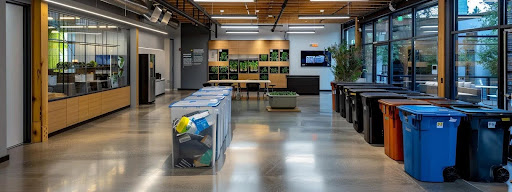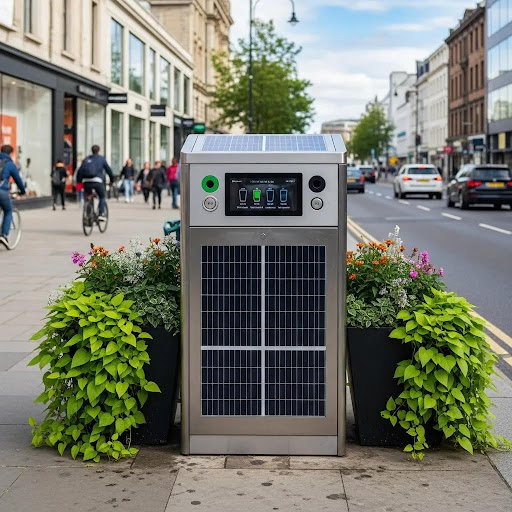
As commercial waste streams become more complex, connected waste solutions are helping businesses manage refuse more intelligently. By combining Internet of Things (IoT) sensors with centralized software, these systems reduce collection frequency, lower operating costs, and support corporate sustainability commitments. This guide covers how smart waste works, the measurable cost and compliance benefits, sustainability outcomes to expect, the organizations that benefit most, and real-world results that illustrate the value.
How does IoT improve commercial waste management?
**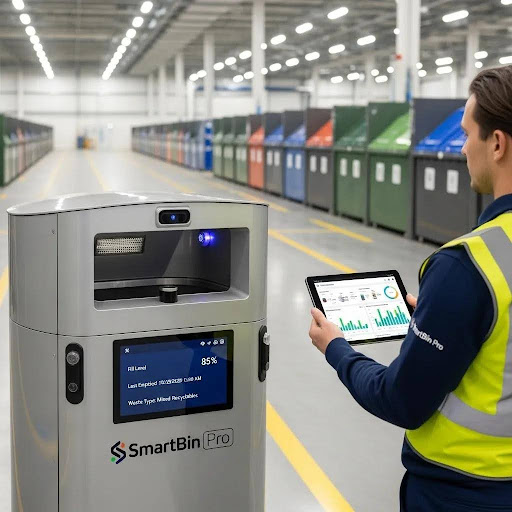
IoT adds sensors and connected devices to the waste stream so operators can see fill level, temperature, load weight, and other metrics in real time. That visibility lets teams schedule pickups only when needed, allocate crews and containers more efficiently, and reduce both costs and environmental impact. In short: IoT replaces guesswork with clear, actionable data.
What are IoT sensors, and what role do they play?
IoT sensors are small devices that report measurements such as bin fullness, internal temperature, or weight. They transmit that data to a central platform so facilities managers and haulers can spot usage trends and receive alerts — for example, when a container nears capacity. Early notice prevents overflows, cuts emergency pickups, and enables smarter route planning.
Research provides practical examples for deploying live bin-level tracking with IoT.
IoT bin-level monitoring for smart waste management
This study presents a self-powered IoT system that measures bin fullness and relays that information to a central server. Small sensor nodes, called Bin Level Monitoring Units (BLMUs), sit inside each container and send readings to a wireless access point (WAPU). The WAPU consolidates and uploads data for storage and analysis, and waste authorities can then view each bin’s status through a graphical interface.
An IoT-based bin level monitoring system for solid waste management — SRJ Ramson, 2021
How do smart trash cans monitor and optimize collection?
Smart cans combine sensors with scheduling and routing software to trigger pickups only when necessary. By analyzing fill patterns, fleets can adjust routes, so crews visit sites when a bin reaches a target level — commonly around 80% — rather than following a fixed timetable. The result: fewer unnecessary trips, lower fuel use, and more predictable, sustainable collections.
What cost-saving benefits do smart waste bins deliver?
Smart bins lower costs in several ways: they reduce routine, underfilled pickups; enable smarter routing; cut disposal fees tied to contamination; and improve recycling performance. Together, these changes can produce a measurable impact on a company’s bottom line.
How does pickup optimization reduce operating expenses?
When live data drives routing, operators eliminate empty or underused stops and reduce miles driven. That saves fuel, limits vehicle wear, and cuts labor hours tied to routine collections. Organizations that adopt smart routing often report significant reductions in collection costs — many studies and deployments show savings of up to about 25%.
Multiple projects document meaningful cost reductions and environmental benefits from IoT-enabled, optimized collection.
IoT smart waste collection: cost savings and environmental benefits
This project redesigned containers and collection processes to lower both collection costs and pollution. The optimized approach produced roughly 30% indirect cost savings in waste collection while also reducing environmental impact.
Smart city application: internet of things (IoT) technologies based smart waste collection using data mining approach and ant colony optimization — Z. Oralhan, 2017
What typical savings do automated systems deliver?
Automated systems reduce manual labor, lower missed pickups, and curb contamination-related fees. Across implementations, businesses commonly report total waste-management savings in the 15–35% range, depending on scale and prior inefficiencies.
How do smart trash solutions help with regulatory compliance?
Smart waste tools create accurate, time-stamped records of volumes and disposal events, making it easier to meet reporting requirements and demonstrate responsible handling. That visibility helps organizations avoid fines and document environmental stewardship.
Which regulatory standards do smart systems address?
Smart programs support compliance with local and national rules covering disposal, recycling, and hazardous materials. For example, systems can track hazardous-waste streams and disposal events to help businesses meet requirements under regulations such as the Resource Conservation and Recovery Act (RCRA).
How do smart bins simplify compliance reporting?
Because smart bins automatically collect and store disposal data, creating regulatory reports becomes faster and more reliable. Teams can export verified records for audits, which reduces paperwork and speeds responses to regulator inquiries.
What sustainability benefits come from smart trash systems?
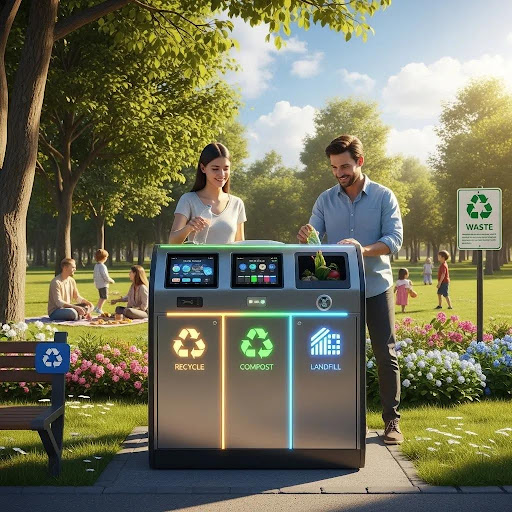
Smart waste systems reduce landfill volumes, increase recycling rates, and shrink the carbon footprint of collection fleets. By aligning service levels with actual needs and improving sorting, they help businesses meet environmental targets and report measurable progress.
How do smart bins drive diversion and recycling?
With real-time data on what and when waste is generated, teams can find opportunities for recycling and composting and target education or infrastructure changes. Some smart bins also include sensors or alerts that flag contamination, helping to improve material recovery.
How do smart systems support commercial sustainability goals?
Smart waste platforms give companies the means to track progress against defined targets — for example, cutting landfill-bound waste by a set percentage or increasing recycling by a measurable amount. That data-driven perspective makes it easier to set priorities, measure outcomes, and report results to stakeholders.
Which businesses gain the most from smart trash solutions?
Smart waste technology helps many organizations, particularly those with high waste volumes or multiple sites. Retailers, hotels, healthcare facilities,s and multi-location chains often see the fastest payback because of their scale and predictable waste patterns.
How do multi-location businesses manage waste with smart bins?
Centralized dashboards gather data from every site,e so corporate teams can spot trends, standardize best practices, and direct resources where they’ll have the biggest impact. A retail chain, for example, can identify high-waste stores and adjust stocking, merchandising, or collection schedules accordingly.
Which industries are early adopters of smart waste tech?
Retail, hospitality, and healthcare lead adoption because efficient waste handling directly affects costs, guest experience,e and regulatory risk. Hotels use smart bins to shrink waste footprints; healthcare facilities rely on monitoring to meet strict disposal requirements.
What case studies show the impact of smart trash solutions?
Live deployments show both financial and environmental gains, demonstrating how connected technology turns operational changes into measurable outcomes.
What measurable results have businesses achieved?
Examples include a large retail chain that implemented smart bins and realized a 20% reduction in collection costs within a year, alongside a 15% increase in recycling rates — clear evidence of cost savings coupled with sustainability improvement.
How do real-world examples combine cost and sustainability wins?
Municipal and commercial programs that integrate smart bins have reported combined results such as a 25% drop in operational costs while increasing recycling rates by roughly 20%, showing that efficiency and environmental benefits can go hand in hand.
| Strategy | Mechanism | Benefit | Impact Level |
|---|---|---|---|
| IoT Integration | Real-time data collection | Enhanced operational efficiency | High |
| Waste Optimization | Dynamic routing | Reduced collection costs | High |
| Automated Reporting | Streamlined compliance | Simplified regulatory adherence | Medium |
The table above illustrates how connected sensors, smarter routing, and automated reporting each drive better waste outcomes — lowering costs, simplifying compliance, and improving sustainability.
Smart waste solutions provide a practical, measurable path for businesses to cut expenses, meet regulatory expectations, and advance sustainability goals. With IoT and data-driven workflows, organizations can make waste management more efficient, transparent, and measurable.
Frequently Asked Questions
What types of businesses can benefit from smart trash solutions?
Any organization that generates steady or high waste volumes or operates multiple locations can benefit. Retail chains, restaurants, hotels, and healthcare providers commonly use smart bins to reduce collection costs, lower contamination, and improve recycling performance across their sites.
How do smart trash solutions contribute to employee safety?
Smart systems reduce risks associated with overflowing or improperly handled waste by cutting emergency handling and flagging hazardous streams. That lowers exposure to slip-and-fall hazards and unsafe conditions, supporting a safer workplace and easier compliance with safety rules.
Can smart trash solutions integrate with existing waste management systems?
Yes. Most smart-waste providers offer APIs and integrations so platforms can share data with existing software and fleets. Businesses can add sensors and analytics without replacing current processes — they extend and improve established systems.
What are the environmental impacts of implementing smart trash solutions?
Deployments typically reduce landfill volumes, cut transport emissions by trimming unnecessary routes, and increase recycling through better sorting and contamination control. Together, these changes reduce a business’s environmental footprint and help meet sustainability commitments.
How do smart trash solutions affect customer satisfaction?
Cleaner, better-maintained customer areas improve perceptions of a business. Timely collections and less overflow make spaces more pleasant and hygienic, supporting guest experience and reinforcing a company’s sustainability messaging.
What role do data analytics play in smart waste management?
Analytics turn sensor readings into actionable insight: they reveal waste trends, flag contamination, optimize routes, and measure progress against sustainability targets. That information supports smarter decisions and clearer reporting.
Conclusion
Smart waste technology is a practical option for organizations looking to lower costs, simplify compliance, and advance sustainability. By deploying IoT sensors and data-driven processes, companies can make waste management more efficient, measurable, and environmentally responsible. Contact us to explore how smart solutions can fit your operations.
About the author