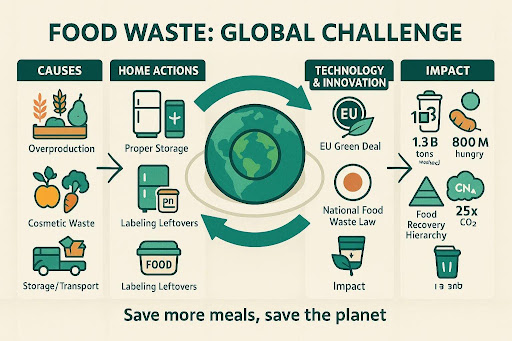
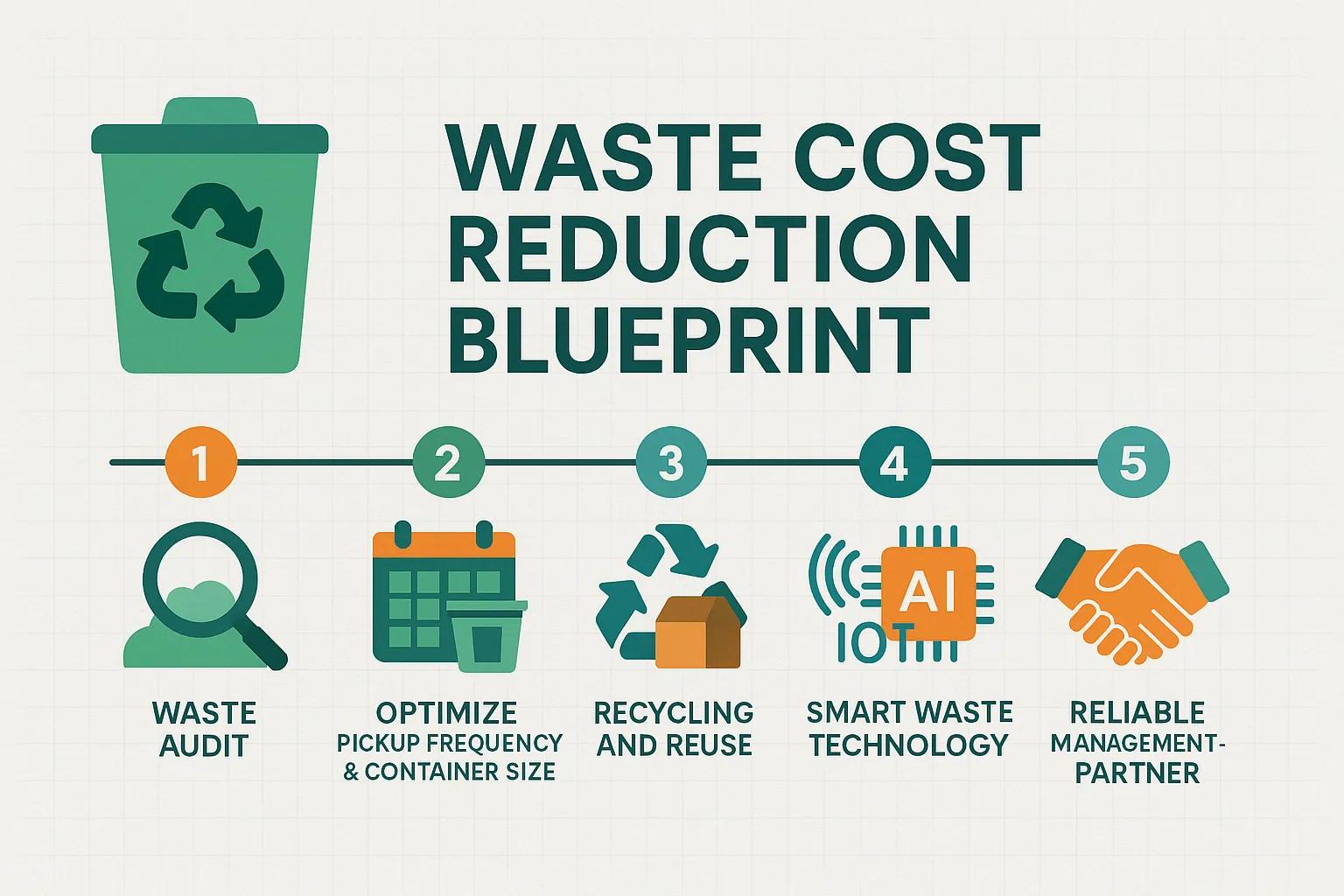
Managing waste across dozens or thousands of sites brings a predictable set of challenges: fragmented waste streams, patchwork local regulations, and inconsistent daily practices that push costs up and diversion down. This guide lays out practical, scalable collection approaches that reduce disposal, improve diversion, and tighten compliance — with clear steps operations, sustainability teams, and procurement leaders can act on. You’ll get the program essentials — waste audits, commercial recycling, organics, vendor management, and measurement — plus an implementation roadmap, zero‑waste pathways, technology enablers, compliance fundamentals, and the financial levers that fund change. National Waste Associates (NWA) is shown as a practical example of how centralized reporting and vendor optimization scale across many locations; the recommendations remain topic‑first and vendor‑agnostic. At the end, you’ll have a simple, evidence‑based toolkit — audits, playbooks, smart systems, and cost controls — to raise diversion, lower invoices, and support ESG reporting across 50 to 5,000 locations.
What Are the Core Components of Sustainable Waste Collection for Businesses?
Sustainable waste collection is a coordinated program of capture, separation, and redirection that shifts material away from landfill into recycling, composting, reuse, or energy recovery. It starts with a baseline waste audit to map streams and volumes, then moves into program design — commercial recycling, organics capture, and service consolidation to reduce haul frequency and contamination. Measurement and reporting (tonnage, diversion rate, cost per location) create the feedback loop you need to refine operations and show ESG outcomes. Many multi‑location programs combine these pieces with centralized vendor management and a client portal so KPIs stay consistent and transparent across sites.
This list summarizes the foundational components most programs use to deliver measurable results :
- Waste audits that quantify streams and reveal reduction opportunities.
- Commercial recycling programs separate paper, cardboard, metals, glass, and plastics.
- Organics and composting solutions to capture food and green waste.
- Vendor management and route optimization to lower service costs and emissions.
- Measurement and reporting systems that track diversion and ensure compliance.
These elements function as an integrated system: audits surface opportunities, recycling and organics convert those opportunities into diversion, and vendor management plus reporting keep the program efficient and accountable.
Table overview: The table below compares core program components by scope and typical outcomes to help teams prioritize pilots that deliver fast diversion and strong operational uplift. Strong operational uplift.
| Component | Scope | Typical Outcome |
|---|---|---|
| Waste Audit | Site‑level sampling and stream analysis | Identifies 20–40% of recyclables and organics misdirected to trash |
| Commercial Recycling Program | Collection of paper, cardboard, metals, glass, plastics | 15–50% diversion increase depending on contamination control |
| Organics/Composting | Food scrap and yard waste capture | 10–60% diversion in food‑generating operations |
That comparison highlights where early effort often pays off: audits reveal misdirected materials, recycling captures common streams, and organics deliver high diversion when operationalized. Use the table to sequence pilots and set realistic diversion targets.
How Do Waste Audits Identify Reduction Opportunities?
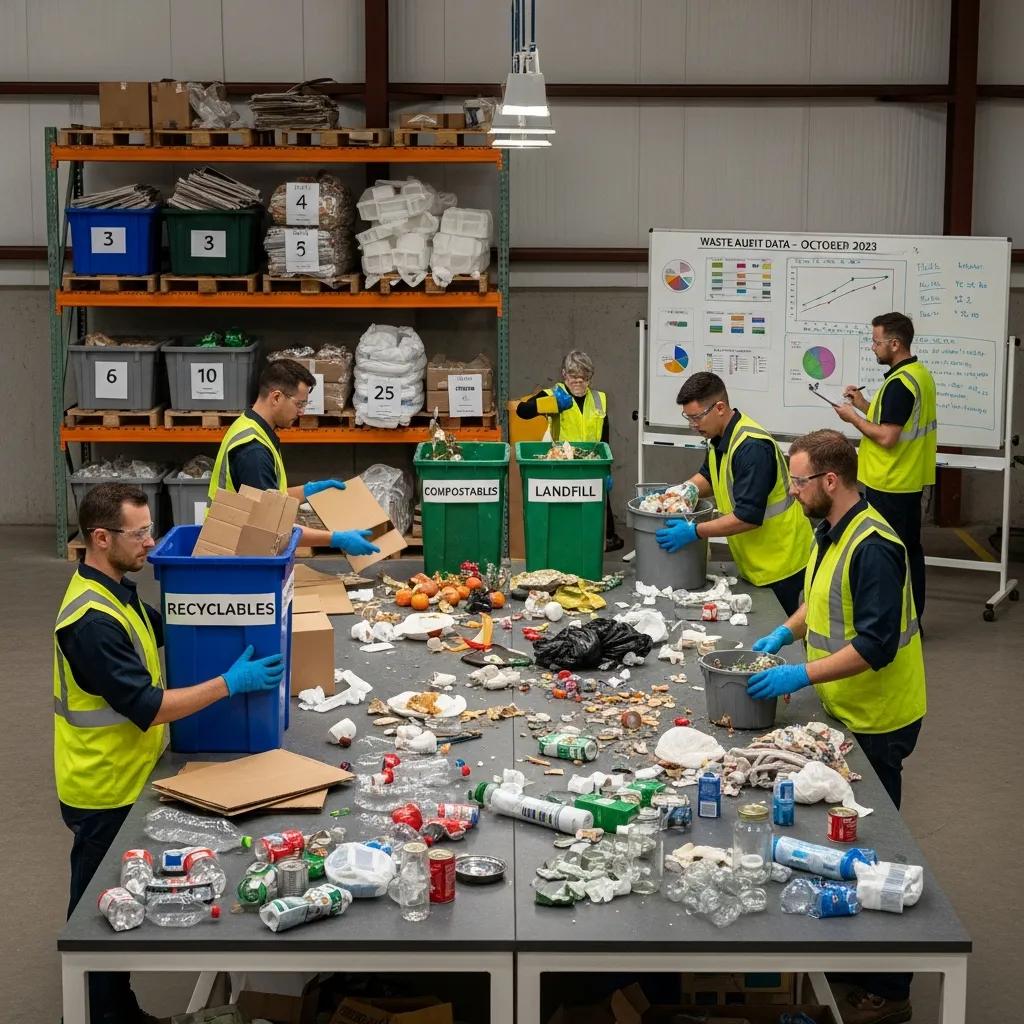
A waste audit is a focused, methodical review of a site’s refuse: teams sample typical loads, sort items into streams (recyclable, compostable, residual, hazardous), and record weights and contamination to establish a baseline tonnage and cost by stream. Common discoveries include large volumes of cardboard or food waste in the trash, missed back‑of‑house recycling, and inconsistent bin signage — each a clear, actionable leverage point. Turning audit results into improvements usually starts with quick wins: targeted signage, container swaps, and adjusted pickup frequencies to drive immediate diversion and cost reductions.
Audit outputs also create clear cause‑and‑effect — for example, “Waste audit → identifies → misdirected organics” and “Misdirected organics → drive → higher disposal costs.” Those findings feed the first phase of an implementation roadmap and strengthen vendor negotiations and reporting frameworks.
What Role Do Commercial Recycling Programs Play in Waste Diversion?
Commercial recycling programs redirect common material streams — paper, cardboard, glass, metals, and many plastics — away from landfill by combining source separation, staff engagement, and secure handling to reduce contamination. Design choices (single‑stream vs. source‑separated) influence contamination and downstream processing costs: source separation usually produces cleaner bales but adds operational complexity. Effective programs pair specified containers and signage with staff training, contamination monitoring, and market‑aware acceptance policies so collected materials retain value. Over time, a well‑run recycling program reduces landfill tonnage, lowers disposal fees, and helps meet corporate diversion targets.
To scale across many locations, programs need consistent container and signage specs, a contamination control protocol, and reporting that verifies recovered tonnage. Coordinated with vendor management and measurement, recycling becomes a dependable contributor to sustainability claims and regulatory compliance.
How Can Multi-Location Businesses Implement Effective Waste Reduction Strategies?
Rolling out waste reduction across multiple sites relies on a clear governance model, phased pilots, and centralized reporting that balance corporate standards with site‑level flexibility. The operating model is governance + operations: create a corporate playbook with minimum standards, validate tactics in pilot sites, then scale through training, procurement, and aligned KPIs. Successful rollouts assign clear roles — corporate sponsors, local champions, and vendor partners — and follow an audit → monitor → improve cycle that adapts to regional constraints. Consistent metrics and a regular reporting cadence ensure each site contributes to enterprise diversion and cost goals.
Step‑by‑step checklist (useful for featured snippets ):
- Conduct baseline waste audits at representative sites to quantify streams and costs.
- Design pilot programs targeting high‑impact streams (cardboard, organics, e‑waste).
- Standardize containers, signage, and training materials for scaled roll‑out.
- Implement centralized vendor agreements and tracking through a single portal.
- Monitor KPIs monthly, refine operations, and expand successful pilots.
On governance: appoint a central program manager to keep the playbook current, name local champions for day‑to‑day execution, and enforce reporting discipline so improvements are measurable and repeatable.
What Are the Best Practices for Coordinating Waste Management Across Multiple Sites?
Coordination works best when centralized procurement, a standardized operational playbook, and local flexibility are combined so you keep consistency without blocking practicality. Centralized buying secures better contract terms and uniform service levels; the playbook defines container types, collection frequencies, and contamination thresholds. Local managers still adjust schedules or vendors for regional realities, but they report against shared KPIs like diversion rate, service accuracy, and cost per cubic yard. Regular training, a shared knowledge base, and cross‑site audits sustain standards and surface scalable improvements.
A coordination checklist should include monthly KPI reviews, quarterly peer learning calls, and an escalation path for compliance or performance issues — preserving local agility while scaling governance across dozens or thousands of sites.
How Does Vendor Management Optimize Waste Collection Efficiency?
Vendor management sharpens collections by consolidating routes, standardizing service levels, and using performance‑based KPIs that align contractor incentives with diversion and cost goals. Best practices include vendor scorecards, consolidated bidding across site clusters to capture scale, and invoice audits to catch billing errors and duplicate charges. Route optimization reduces pickup frequency where appropriate, cutting fuel use and emissions while keeping busy sites reliably served. Contracts should include SLAs tied to on‑time pickups, contamination rates, and accurate billing to ensure vendor management.
Vendor consolidation must be balanced with local market realities and risk management; central teams need contingency plans and frequent performance reviews to preserve continuity while securing cost and environmental gains.
What Are Zero Waste Initiatives and How Do They Benefit Companies?
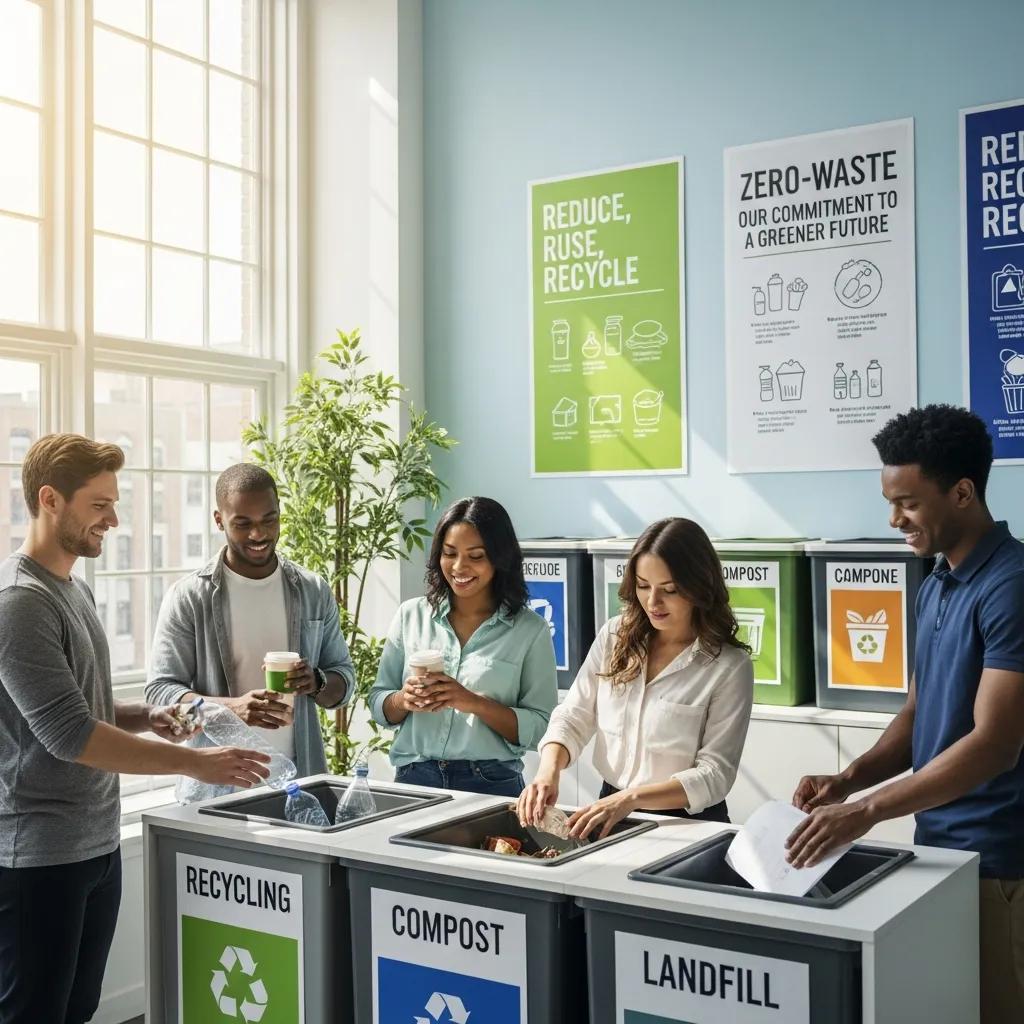
Zero waste initiatives aim to divert the vast majority of material from landfill by focusing on elimination, reuse, recycling, and composting — often targeting diversion rates of 90% or higher and moving toward circular practices. They start with clear diversion targets, redesign procurement and packaging, and add reuse and organics programs. The payoffs include avoided disposal costs, stronger brand reputation, and simpler compliance. For multi‑location operators, zero waste is typically a multi‑year transformation that combines policy shifts with consistent site‑level process improvements. Strategic waste diversion
Primary benefits of zero waste initiatives include financial savings, improved employee and customer perception, and reduced regulatory risk. Those benefits scale as diversion increases. The sections that follow explain certification paths and share repeatable cases with measurable outcomes.
This list highlights the main zero-waste benefits :
- Lower landfill disposal costs and operational expenses.
- Stronger brand reputation and customer differentiation.
- Simplified compliance with evolving waste regulations.
- Access to circular‑economy partnerships and recycled material streams.
These outcomes explain why companies treat zero waste as both a sustainability and business strategy.
How Can Businesses Achieve Zero Waste Certification?
Zero waste certification usually follows a clear sequence: baseline measurement, program rollout across material streams, documentation of diversion pathways, and third‑party verification. Certification demands rigorous recordkeeping and continuous improvement. Standards define diversion thresholds, acceptable endpoints (recycling, composting, reuse), and supporting evidence such as manifests, receipts, and measurement reports. Operational changes commonly include source‑reduction policies, supplier engagement on packaging redesign, focused employee training, and ongoing contamination monitoring to maintain certified status. Membership in recognized associations provides useful frameworks; for example, affiliation with the U.S. Zero Waste Business Council signals alignment with industry best practices.
Timelines vary by size and complexity, but steady measurement and disciplined change management shorten the path by surfacing and fixing high‑impact gaps early.
What Are Successful Case Studies of Zero Waste Implementation?
Successful zero waste programs follow a pattern: targeted audits identify high‑impact streams, pilots capture organics and cardboard, and centralized procurement plus vendor oversight sustain gains while delivering measurable savings. Multi‑location results often show diversion in the 80–95% range, notable reductions in disposal invoices, and operational changes like back‑of‑house pulpers or in‑store composting. Common lessons emphasize leadership commitment, phased rollouts to validate operations, and transparent reporting to keep momentum and stakeholder buy‑in. Replicable tactics include bundling compost procurement, standardizing container footprints, and incentive programs that reward sites for diversion performance.
These examples show that scaling success requires playbooks, training, and an audit loop that confirms both environmental and financial returns from zero-waste investments.
How Does Technology Enhance Sustainable Waste Collection and Reporting?
Technology provides real‑time visibility into container fill levels, route efficiency, and material‑specific tonnage — helping reduce unnecessary pickups and improve service reliability. Smart sensors, vehicle telematics, and integrated analytics enable route optimization, cut fuel consumption, and produce accurate diversion data for ESG reporting. A centralized client portal with 24/7 access to reports, invoices, and KPIs helps program managers monitor multi‑location performance and make evidence‑based decisions. Together, these tools turn operational data into strategic insight that supports continuous improvement and regulatory compliance.
Key tech benefits (quick reference):
- Real‑time monitoring reduces collection frequency and fuel use through dynamic routing.
- Automated data capture improves measurement accuracy for diversion and emissions reporting.
- Dashboard reporting consolidates site metrics to support corporate ESG disclosures.
- Alerts and analytics speed contamination control and operational response.
Used together, these technologies create a data‑driven feedback loop that informs audits, vendor performance, and program design to raise diversion and lower costs.
Tech table intro: The table below compares representative technology solutions by the data they collect and the business value they deliver for multi‑location programs.
| Technology | Data Collected | Business Value |
|---|---|---|
| Smart Bin Sensors | Fill level, temperature, pickup timestamps | Optimizes routes and reduces unnecessary collections |
| NWA360° Client Portal | Consolidated reports, invoices, KPI dashboards | Centralizes visibility and 24/7 access for performance management |
| Analytics & Reporting | Tonnage by stream, diversion trends, emissions estimates | Supports ESG reporting and regulatory compliance |
This comparison shows how sensors drive operational efficiency while integrated portals and analytics convert data into business value that sustains program performance.
What Are the Benefits of Smart Waste Systems and IoT Monitoring?
Smart waste systems — sensor‑equipped bins and connected telemetry — deliver measurable operational gains by reducing collection frequency, cutting fuel emissions, and improving responsiveness to service exceptions. Sensors report fill levels and trigger pickups, enabling dynamic routing that trims route miles and labor costs while maintaining service at high‑volume locations. Benefits include lower collection costs, fewer missed pickups, and demonstrable emissions reductions tied to optimized routing. Sensor data also produces timestamps that feed automated invoicing and performance reports, improving billing accuracy and vendor accountability. Recycling program across your business
Smart monitoring is particularly valuable for multi‑location portfolios where aggregated route optimization and centralized oversight create outsized efficiency gains compared with ad‑hoc local scheduling.
How Does Data-Driven Waste Reporting Support ESG and Compliance?
Data‑driven reporting aggregates key metrics — tonnage by stream, diversion percentage, and estimated greenhouse‑gas impacts — into structured outputs that support ESG disclosures and meet regulatory recordkeeping. Accurate reporting depends on consistent inputs from audits, scales, vendor manifests, and sensor platforms, merged into dashboards with trends and benchmarks across sites. These reports let sustainability teams quantify progress, demonstrate compliance, and provide auditors verifiable evidence of diversion and proper handling. Automated reporting also cuts manual effort, speeds month‑end close, and delivers timelier insights for procurement and operations. Sustainable waste management
Align reporting to recognized ESG frameworks and stakeholder needs so your waste program meaningfully contributes to broader sustainability commitments and contractual requirements.
What Are the Regulatory Compliance Requirements for Sustainable Waste Management?
Regulatory compliance spans federal, state/provincial, and local rules that govern waste classification, storage, transport, and disposal. Compliance reduces legal risk and ensures safe handling of hazardous and non‑hazardous streams. Businesses should map responsibilities by jurisdiction, retain required manifests and records (especially for hazardous waste), and adapt operations to local permits and landfill diversion mandates. Cross‑border operations add complexity when materials cross regulatory regimes, creating documentation and customs considerations for certain waste types and requiring careful vendor selection. A compliance‑first approach builds training, documentation controls, and periodic legal reviews into program management so multi‑location operations stay aligned with evolving rules.
Practically, companies should bake compliance checks into procurement, reporting, and on‑site controls so sustainability programs don’t create regulatory exposure while pursuing diversion.
How Do Businesses Navigate Waste Management Regulations Across North America?
Navigating North American regulations starts with jurisdictional mapping — identifying applicable federal and state/provincial rules for each site — and establishing centralized monitoring to track regulatory changes and permit requirements. Multi‑location operators should standardize documentation templates, require vendor proof‑of‑compliance, and keep a central repository of manifests and certificates to streamline audits and inspections. When rules differ between jurisdictions, adopt the stricter standard or create location‑specific appendices to the corporate playbook. For complex or cross‑border operations, engage regulatory experts to ensure interpretations are defensible and to reduce operational interruptions.
This governance model pairs central oversight with local execution to balance legal adherence and site practicality.
What Are Guidelines for Hazardous Waste Disposal and Legal Adherence?
Hazardous waste disposal requires clear identification, classification, labeling, secure storage, transport with proper manifests, and record retention per applicable law; non‑compliance can carry significant penalties and environmental harm. Businesses must implement protocols to segregate hazardous materials, maintain containment and emergency response plans, and confirm transporters and disposal facilities hold required permits. Manifests and chain‑of‑custody records should be centralized and retained for the legally mandated period, and staff must be trained on handling and spill response. Regular audits and tabletop exercises validate readiness and prevent hazardous streams from entering municipal waste management or recycling channels.
Following these guidelines protects people, meets legal obligations, and preserves the integrity of recycling and diversion programs.
How Can Sustainable Waste Collection Drive Cost Reduction for Businesses?
Sustainable waste collection cuts costs by reducing disposal volumes, uncovering billing errors through invoice audits, and leveraging vendor consolidation to capture economies of scale — delivering both direct and indirect financial benefits. Primary levers include invoice auditing to correct overcharges, vendor optimization and route consolidation to lower service costs and emissions, and revenue or fee avoidance from recovered recyclables and reduced landfill fees. Success requires accurate measurement, contract terms that align incentives, and centralized reporting to spot anomalies and opportunities. Together, these tactics can generate material savings while improving diversion and service consistency.
Financial lever overview: The table below summarizes common levers, typical savings ranges, and example impacts to help finance and procurement prioritize interventions.
| Financial Lever | Typical Savings Range | Example Impact |
|---|---|---|
| Invoice Auditing | 2–10% of waste spend | Corrects billing errors and duplicate charges |
| Vendor Management/Consolidation | 5–15% of service costs | Lowers unit pricing and reduces route overlap |
| Diversion Revenue & Fee Avoidance | 3–12% of total waste costs | Reduces disposal fees and generates commodity offsets |
Those levers often add up — combined savings can justify investments in audits, technology, and program management.
What Are the Financial Benefits of Invoice Auditing and Vendor Optimization?
Invoice auditing exposes billing inaccuracies, misapplied taxes, and duplicate charges that inflate waste spend; auditing recovers these costs and helps prevent repeat errors. Vendor optimization — consolidating services, renegotiating rates, and aligning pickup frequencies to actual needs — reduces fixed and variable service expenses and often lowers fuel and labor costs through route efficiencies. Benchmarks vary by portfolio complexity but can reach up to 20% when invoice controls are paired with centralized vendor strategy and performance enforcement. The financial case strengthens further when diversion initiatives reduce disposal volumes and associated fees.
A practical sequence — audit invoices, implement corrections, consolidate vendors, then monitor SLAs — creates sustainable cost reduction and operational discipline across many sites.
How Does Waste Diversion Translate Into Operational Savings?
Waste diversion delivers direct savings by lowering landfill tipping fees and indirect savings by cutting handling, labor, and procurement costs tied to residual waste. Diverting organics and cardboard, for example, can substantially reduce trash volume, enabling fewer pickups and smaller containers — which lowers haul fees and handling labor. Indirect gains include reduced procurement of single‑use items, lower regulatory risk, and access to green procurement incentives. When those savings are measured and reinvested, they fund further diversion programs and technology rollout.
In practice, combining diversion with invoice auditing and vendor management multiplies returns — operational savings compound while sustainability metrics improve, creating a defendable ROI for multi‑location waste programs.
Choosing the Right Partner and Next Steps
For multi‑location businesses ready to scale, partnering with a specialist accelerates audits, vendor consolidation, and portfolio reporting. National Waste Associates (NWA), a family‑owned partner experienced in multi‑site programs, highlights cost reduction (up to 20% savings), operational efficiency, regulatory compliance, and sustainable solutions, and offers centralized reporting via the NWA360° client portal with 24/7 access to account information. NWA is also a member of the U.S. Zero Waste Business Council and supports clients pursuing high diversion — some programs have exceeded 90% diversion — by combining audits, vendor oversight, and technology. Teams ready to act can schedule a program audit or procurement review to quantify opportunities and begin a phased rollout across representative sites.
Practical next steps: baseline with audits, pilot high‑impact streams, centralize vendor governance, and use data tools to measure progress — so sustainable waste collection becomes both an environmental and financial advantage.
Frequently Asked Questions
What are the key challenges in implementing sustainable waste management across multiple locations?
Common challenges include differing local regulations, inconsistent site practices, and the complexity of managing many waste streams. Sites vary in disposal options, recycling capacity, and compliance requirements, which makes standardization hard. Coordinating training and engagement across dispersed teams adds another layer of difficulty. To overcome these hurdles, establish centralized governance that sets minimum standards while allowing local flexibility, and use pilots to validate approaches before scaling.
How can technology improve waste diversion rates in multi-location businesses?
Technology delivers the real‑time data and analytics needed to improve diversion. Sensor‑equipped bins and telematics help monitor fill levels and optimize routes to avoid unnecessary pickups. Centralized reporting platforms let you track diversion across locations, spot trends, and make data‑driven decisions. Together, these tools streamline operations, improve compliance, and increase diversion rates.
What role does employee engagement play in successful waste management programs?
Employee engagement is essential. Engaged staff follow separation guidelines, participate in recycling and composting programs, and contribute improvement ideas. Training, awareness campaigns, and incentives increase participation and accountability. Involving employees in program design and measurement helps lift diversion and embeds sustainability into daily operations.
How can businesses measure the success of their waste management initiatives?
Measure success with clear KPIs: diversion rate, waste volumes, and cost savings. Regular waste audits provide baselines and identify gaps. Consolidated reporting across locations enables comparative analysis and trend tracking. Set specific goals, review performance regularly, and use findings to adjust tactics and investments.
What are the financial implications of adopting zero waste initiatives?
Zero waste initiatives can deliver material financial benefits: lower disposal fees, reduced procurement of single‑use items, and improved operational efficiency. Over time, these savings compound and support further investment in diversion programs. Improved brand reputation and regulatory compliance can also create new business opportunities and partnerships.
How can businesses ensure compliance with evolving waste management regulations?
Ensure compliance with a proactive approach that includes regular training, thorough documentation, and periodic audits. Stay informed on local, state, and federal rule changes and keep accurate records of waste handling and disposal. For complex situations, engage legal or regulatory specialists. Integrate compliance checks into procurement and site operations to minimize legal risk.
Conclusion
Scaling sustainable waste collection across multiple locations improves environmental performance while delivering measurable cost savings and operational efficiencies. By combining waste audits, recycling and organics programs, vendor management, and the right technologies, organizations can raise diversion, tighten compliance, and support ESG reporting. Start with audits, pilot high‑impact streams, centralize governance, and use data to expand what works — and you’ll turn waste management into both an environmental and financial advantage.
About the author