Sustainable Food Waste Solutions for Businesses: Cut Costs, Stay Compliant, and Run Leaner
By BKThemes
Sustainable food waste solutions let businesses shrink environmental impact while improving day‑to‑day operations. This guide explains how thoughtful food waste management lowers operating costs, keeps you compliant with evolving rules, and boosts efficiency across multiple sites. We cover the economic and environmental stakes, the hurdles multi‑location operators face, and practical steps companies can take — including how National Waste Associates (NWA) designs programs that save money and ensure regulatory compliance.
Why Are Sustainable Food Waste Solutions Critical for Multi-Location Businesses?
Multi‑location businesses face extra complexity: different local rules, varied hauling options, and logistics that multiply with each site. Sustainable food waste programs provide a consistent framework to manage those differences, cut unnecessary transport and disposal costs, and make compliance predictable across the entire network.
What Economic and Environmental Challenges Does Food Waste Present?
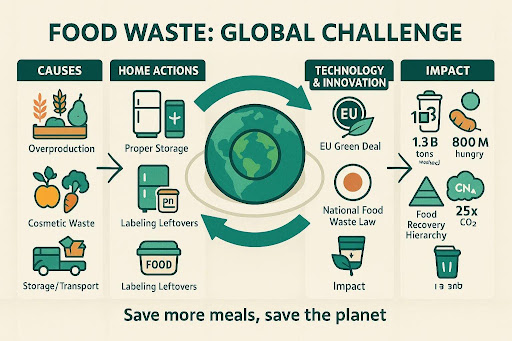
Food waste carries real costs: disposal fees, lost product value, and the risk of fines for non‑compliance. Environmentally, food sent to landfills generates methane — a potent greenhouse gas — as it decomposes. Globally, an estimated 30–40% of food goes unused, creating avoidable financial loss and environmental harm.
How Do Multi-Location Operations Face Unique Food Waste Management Issues?
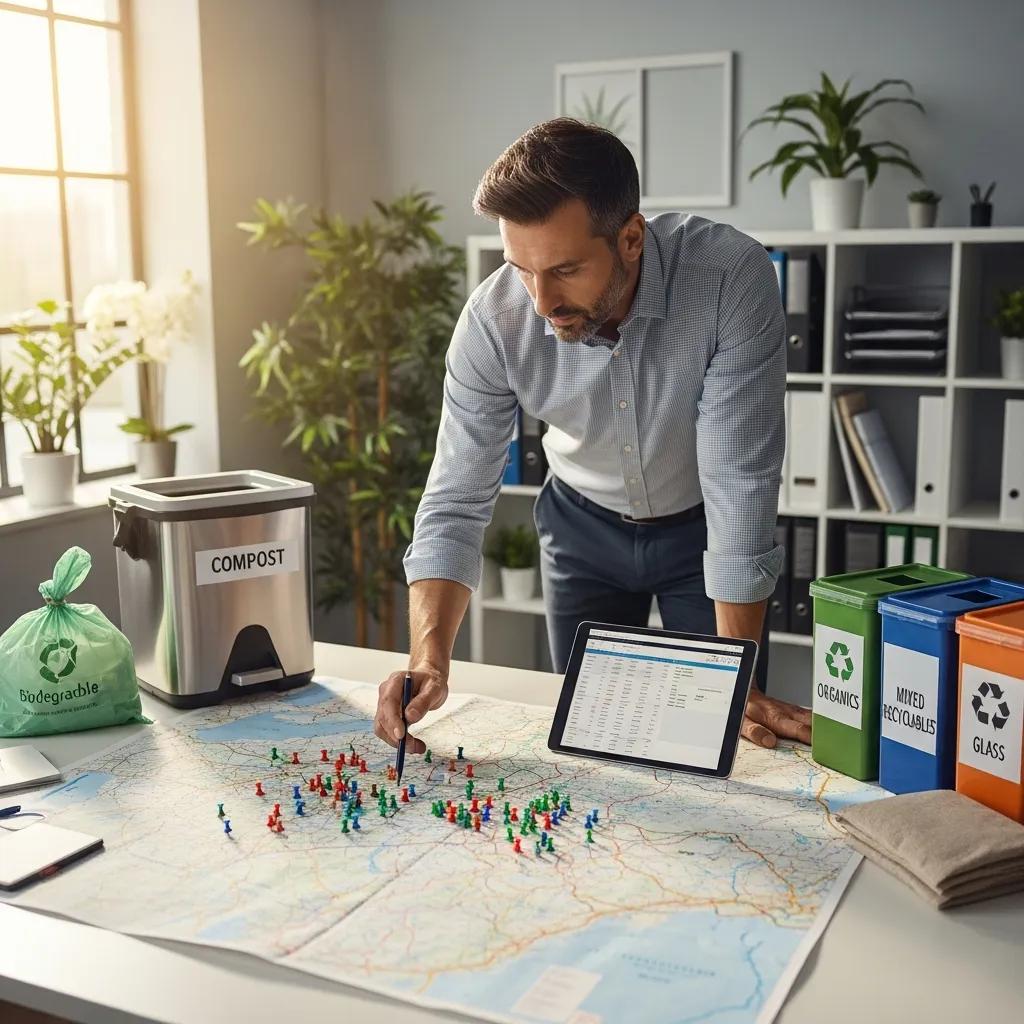
Each site in a multi‑unit operation can operate under different pickup schedules, municipal rules, and service pricing. That variability makes it hard to enforce a single waste‑reduction standard and can increase overall costs. Centralized planning — from standardized sorting practices to consolidated hauling contracts — reduces friction, improves diversion rates, and simplifies reporting.
Knowing the local regulatory landscape and on‑the‑ground operational challenges is essential for multi‑site foodservice operators.
Food Service Compliance with Waste Laws & Multi-Location Challenges.
In California, food waste is the primary waste stream and is often handled differently by small, single locations than by larger multi‑site operators. Restaurants in particular face practical hurdles when new laws mandate reductions in food waste.
Awareness, impact, and implementation of California’s waste laws on food service establishments within the Folsom Historic District, 2020
How Does National Waste Associates Optimize Food Waste Management for Businesses?
At National Waste Associates (NWA), we design and manage food waste programs for multi‑location businesses. Our approach pairs operational best practices with carrier management and compliance oversight so brands can run consistent, cost‑effective diversion programs across all sites.
What Cost Reduction Strategies Improve Food Waste Recycling Efficiency?
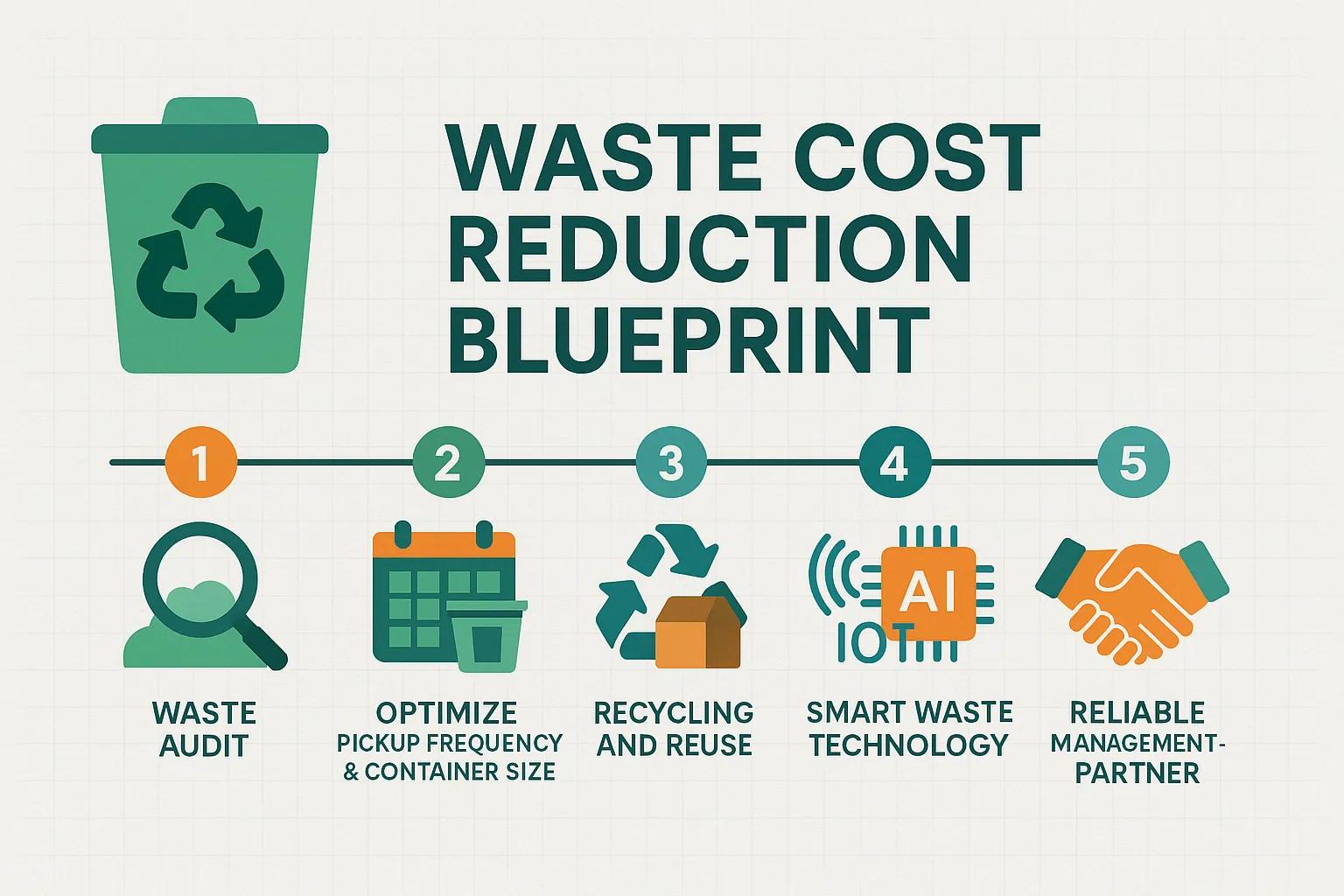
NWA uses several practical levers to lower costs. Regular invoice audits catch billing errors and hidden charges. We negotiate hauling agreements to get competitive rates, and we fine‑tune collection schedules and routes to cut transport time and expenses — all while increasing recycling and composting volumes. Drive down your operating costs
How Does NWA Ensure Compliance with Food Waste Regulations?
Staying compliant means tracking changing local rules and aligning services to meet them. NWA maintains a broad hauler network and an in‑house compliance manager who monitors regulations and certificate requirements. That proactive oversight reduces compliance risk and frees your team to focus on operations.
What Sustainable Food Waste Diversion Programs Are Available for Businesses?
Businesses can choose from several proven diversion pathways: commercial composting, anaerobic digestion, and coordinated food donation programs. Each option reduces landfill input while delivering different operational and environmental benefits.
How Does Commercial Composting Benefit Food Waste Reduction?
Commercial composting turns organic waste into nutrient‑rich compost through controlled, aerobic decomposition. Diverting food scraps to composting cuts landfill methane and supports soil health — a straightforward win for sustainability metrics and community-minded reporting.
What Role Does Anaerobic Digestion Play in Sustainable Food Waste Management?
Anaerobic digestion processes organic material without oxygen to produce biogas, which can be used for energy, and digestate that can serve as fertilizer. For businesses, anaerobic digestion offers a pathway to both diversion and renewable energy generation, supporting circular economy goals.
How Can Businesses Implement Effective Food Waste Reduction Strategies?
Effective programs follow a repeatable cycle: measure, train, act, and monitor. Regular audits identify waste streams, training gets staff on board, targeted interventions reduce waste at the source, and ongoing tracking proves progress.
What Are Best Practices for Food Waste Audits and Optimization?
Run scheduled waste audits to quantify what’s being discarded and why. Track waste by type and location, set clear reduction targets, and involve frontline teams in solution design. Small operational changes — better storage, portion control, or prep adjustments — often yield the largest gains.
How Do Multi-Location Food Waste Programs Enhance Operational Efficiency?
Standardizing sorting, reporting, and service schedules across sites makes benchmarking and compliance far easier. Centralized purchasing and consolidated hauling contracts also deliver scale savings and simplify logistics for operations teams.
What Are the Environmental and Economic Benefits of Sustainable Food Waste Solutions?
Adopting diversion strategies delivers measurable environmental benefits and financial returns — lower disposal bills, potential revenue or cost offsets from recycled outputs, and incentives offered by some municipalities. strategic waste diversion business cost savings.
How Does Food Waste Diversion Reduce Greenhouse Gas Emissions?
When food decomposes anaerobically in landfills, it emits methane. Diverting organics to composting or anaerobic digestion prevents methane and reduces a facility’s greenhouse‑gas footprint — an important part of corporate emissions strategies.
What Cost Savings Result from Commercial Food Waste Recycling?
Recycling and diversion can lower hauling and landfill fees, reduce the volume of general waste, and in some cases create revenue streams or qualify a business for local incentives. Over time, those savings add up and improve operating margins.
How Is Technology Leveraged to Improve Sustainable Food Waste Management?
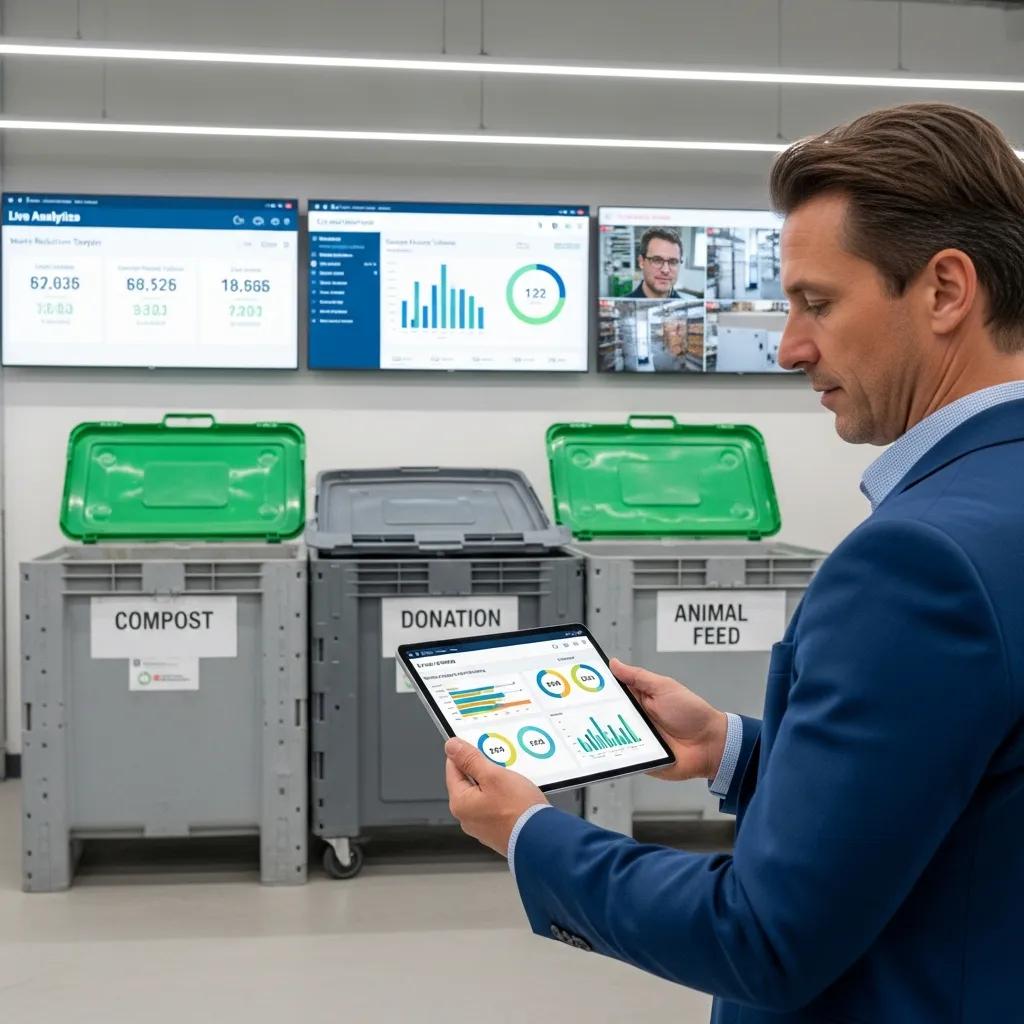
Technology helps teams measure, report, and optimize food waste programs. From digital tracking to route optimization, the right tools turn raw data into actionable improvements.
Advanced tools — including AI‑enabled systems — are proving valuable for complex, multi‑site operations that need precise tracking and predictable compliance.
AI for Multi-Location Business Food Waste Compliance
Technologies like Winnow help multi‑location businesses monitor food waste and improve process compliance. High‑quality waste data informs priorities and policy decisions across a chain. Using artificial intelligence to reduce food waste,
Y Nu, 2024
What Role Does AI Play in Food Waste Tracking and Optimization?
Artificial intelligence (AI) can analyze audit and operations data to highlight waste patterns and suggest targeted interventions. When used correctly, AI helps teams make data‑driven choices that reduce waste and improve yield.
Tailored AI systems can optimize inventory and prep decisions to reduce overproduction and food loss at the source.
AI & Smart Inventory for Restaurant Food Waste Reduction: AI‑driven predictive analytics and smart inventory tools reduce food waste by improving ordering accuracy and food utilization in restaurants and households alike. Optimizing Food Utilization: A Smart Inventory Management and AI-Predictive Analytics in Reducing Food Waste, T Tiwari, 2024
How Do Digital Tools Support Compliance and Reporting for Businesses?
Digital platforms automate data collection, simplify reporting, and help demonstrate compliance with local rules. They create a transparent record for audits and can flag sites that need operational attention — making compliance management far less manual.
| Strategy | Mechanism | Benefit | Impact Level |
|---|---|---|---|
| Commercial Composting | Aerobic decomposition | Nutrient-rich compost | High |
| Anaerobic Digestion | Biogas production | Renewable energy | High |
| Food Donation Programs | Redistribution of surplus food | Community support | Medium |
The table summarizes common diversion strategies, their processes, and the benefits they deliver. Selecting the right mix depends on local infrastructure, operational priorities, and sustainability goals.
Sustainable food waste solutions are more than a compliance checkbox — they’re an operational opportunity. With the right strategy and partners, businesses can cut costs, reduce emissions, and build stronger, more efficient food operations.
Frequently Asked Questions
What are the key components of a successful food waste management program?
A successful program combines regular waste audits, staff training, clear reduction targets, and technology for tracking and reporting. Partnerships with local composters, digesters, or donation networks round out a practical, scalable plan.
How can businesses measure the effectiveness of their food waste reduction efforts?
Track KPIs such as total waste volume, diversion rate (percent diverted from landfill), cost savings on disposal, and program participation. Repeat audits over time show trends and validate improvements.
What are the potential challenges in implementing food waste solutions?
Common challenges include staff buy‑in, logistical coordination, and navigating different local regulations. Overcoming them requires clear training, simple operational changes, and central coordination across locations.
What role do employees play in reducing food waste in businesses?
Employees are essential — from prep staff who reduce overproduction to servers who manage portioning. Training, incentives, and involving staff in audits create ownership and sustain long‑term change.
How can technology enhance food waste management practices?
Technology enables accurate measurement, predictive ordering, automated reporting, and route optimization. These tools reduce guesswork and help teams focus on the highest‑impact interventions.
What are the benefits of collaborating with local food banks or charities for food donation?
Donating surplus food reduces waste, supports the community, and can boost reputation. Many programs also offer tax benefits and simplify compliance when donations follow local food‑safety guidelines.
Conclusion
Sustainable food waste programs deliver measurable environmental and financial returns. By auditing, standardizing processes across sites, and partnering with experienced providers like National Waste Associates, businesses can reduce costs, meet regulatory requirements, and run more efficient operations. Start with a baseline audit and build a tailored diversion plan — the savings and sustainability gains follow.
About the author