The Ultimate Guide to Solid Waste Disposal Services: Essential Methods, Regulations, and Environmental Impacts You Need to Know
By BKThemes
Solid waste disposal is a critical aspect of modern waste management, encompassing various methods and regulations that ensure the safe and efficient handling of waste. This comprehensive guide will provide you with essential insights into solid waste disposal services, including the types of waste, effective disposal methods, and the environmental impacts associated with waste management. Many communities face challenges in managing waste effectively, leading to environmental degradation and public health concerns. Understanding solid waste disposal services can help mitigate these issues and promote sustainable practices. In this article, we will explore the main types of solid waste, effective disposal methods, environmental impacts, relevant regulations, and tips for choosing the right service provider.
What Are the Main Types of Solid Waste and Their Sources?
Solid waste can be categorized into various types based on its source and composition. Understanding these categories is crucial for effective waste management and disposal strategies.
How Is Municipal Solid Waste Defined and Managed?
Municipal solid waste (MSW) refers to the waste generated from residential, commercial, and institutional sources. It includes everyday items such as food scraps, packaging materials, and household items. MSW is typically managed through a combination of collection, transportation, and disposal methods. Local governments often implement recycling programs and waste reduction initiatives to minimize the amount of waste sent to landfills. Statistics indicate that the average American generates about 4.4 pounds of waste per day, highlighting the importance of effective waste management practices.
Despite efforts by local governments, engaging the public in broader waste reduction initiatives beyond recycling remains a significant challenge, as highlighted by research.
Public Participation Challenges in Municipal Solid Waste Reduction Municipal solid waste (MSW) presents environmental, social, and economic problems. Enlisting the public in reducing MSW has proven to be difficult in a variety of cultures and economies. Although the waste diversion practice of recycling is well-known, other waste minimization behaviors remain unknown and unpracticed by the majority of the population. There is room for improvement in waste minimization and waste diversion participation. Increasing public participation in municipal solid waste reduction, 2011
What Are Industrial, Hazardous, and E-Waste Categories?
Industrial waste is generated from manufacturing processes and can include materials such as metals, chemicals, and plastics. Hazardous waste, on the other hand, poses a risk to human health and the environment due to its toxic properties. This category includes substances like batteries, pesticides, and certain medical waste. E-waste refers to discarded electronic devices, such as computers and smartphones, which contain hazardous materials that require special handling. Understanding these categories is essential for implementing appropriate disposal methods and ensuring compliance with regulations.
Which Solid Waste Disposal Methods Are Most Effective?

Various disposal methods are employed to manage solid waste effectively. Each method has its benefits and challenges, influencing its suitability for different types of waste.
How Do Landfilling and Sanitary Landfills Work?
Landfilling is one of the most common methods of waste disposal, where waste is buried in designated areas. Sanitary landfills are engineered to minimize environmental impacts by incorporating liners and leachate collection systems. These systems prevent contaminants from entering the soil and groundwater. While landfilling is a straightforward method, it can lead to issues such as land use concerns and methane emissions, which contribute to climate change.
What Are the Benefits and Challenges of Recycling and Composting?
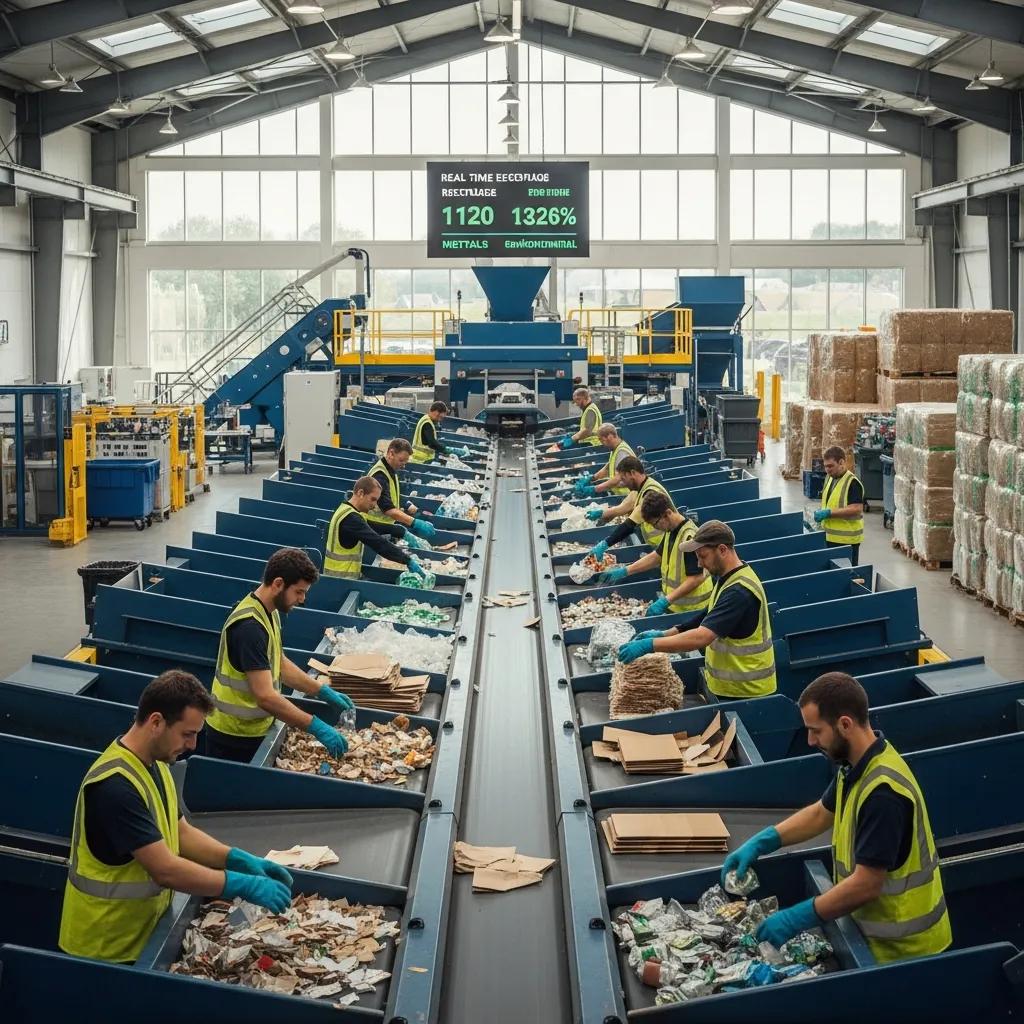
Recycling and composting are effective methods for reducing the volume of waste sent to landfills. Recycling involves processing materials like paper, glass, and metals to create new products, conserving resources and energy. Composting, on the other hand, transforms organic waste into nutrient-rich soil amendments. However, both methods face challenges, such as contamination of recyclable materials and the need for public participation in composting programs. Statistics show that recycling can reduce greenhouse gas emissions significantly, making it a vital component of sustainable waste management.
The success of recycling programs, in particular, is often tied to effective community decision-making and public engagement.
Community Decision-Making & Recycling Program Participation One goal of this research is to assess relationships between decision-making activities in communities and participation rates in their recycling programs. Explaining the performance of mature municipal solid waste recycling programs, DH Folz, 2005
| Method | Benefits | Challenges |
|---|---|---|
| Landfilling | Simple and cost-effective | Land use issues, methane emissions |
| Recycling | Resource conservation, energy savings | Contamination, market fluctuations |
| Composting | Soil enrichment, reduced landfill volume | Requires public participation, space needs |
How Does Solid Waste Management Impact the Environment and Public Health?

The management of solid waste has significant implications for both the environment and public health. Understanding these impacts is crucial for developing effective waste management strategies.
What Are the Environmental Effects of Landfills and Methane Emissions?
Landfills can produce methane, a potent greenhouse gas that contributes to climate change. Methane is generated during the decomposition of organic waste in anaerobic conditions. Additionally, landfills can lead to soil and water contamination if not properly managed. Recent studies indicate that improving landfill management practices, including methane capture technologies, can significantly reduce methane emissions and their environmental impact.
How Does Improper Waste Disposal Affect Water, Soil, and Wildlife?
Improper waste disposal can have dire consequences for water quality, soil health, and wildlife. Contaminants from landfills and illegal dumping can leach into groundwater, posing risks to drinking water supplies. Soil degradation can occur due to the accumulation of hazardous materials, affecting agricultural productivity. Wildlife can also be harmed by ingesting or becoming entangled in waste, leading to population declines and ecosystem imbalances—a diversion of how to keep waste out of landfills.
What Regulations Govern Solid Waste Disposal Services in the United States?
In the United States, solid waste disposal is regulated at both the federal and state levels to ensure safe and environmentally responsible practices.
Which Federal and State Laws Regulate Waste Management Practices?
The Resource Conservation and Recovery Act (RCRA) is the primary federal law governing the disposal of solid and hazardous waste. It establishes guidelines for waste management practices, including the treatment, storage, and disposal of hazardous waste. States may implement additional regulations to address specific local concerns, leading to variations in waste management practices across the country. Compliance with these regulations is essential for waste management companies to operate legally and responsibly.
How Do Extended Producer Responsibility and EPA Guidelines Influence Disposal?
Extended Producer Responsibility (EPR) is a policy approach that holds manufacturers accountable for the entire lifecycle of their products, including disposal. This encourages companies to design products that are easier to recycle or dispose of responsibly. The Environmental Protection Agency (EPA) provides guidelines and resources to support waste management practices, promoting sustainability and environmental protection. These regulations and initiatives play a crucial role in shaping effective waste management strategies.
How Can You Choose the Right Solid Waste Disposal Service Provider?
Selecting the right solid waste disposal service provider is essential for effective waste management. Several factors should be considered to ensure you make an informed choice.
What Factors Should Be Considered When Selecting a Waste Management Company?
When choosing a waste management company, consider the following factors :
- Reputation and Reviews: Research the company’s track record and customer feedback to gauge reliability.
- Service Range: Ensure the provider offers services that meet your specific waste disposal needs.
- Pricing Structure: Compare pricing models to find a service that fits your budget while providing quality service.
How Do Costs Vary Among Different Solid Waste Disposal Services?
Costs for solid waste disposal services can vary significantly depending on factors such as service type, collection frequency, and geographic location. For instance, residential waste collection may be priced differently from commercial services. Understanding these cost variations can help you budget effectively for waste management services.
| Factor | Description | Impact on Cost |
|---|---|---|
| Service Type | Residential vs. commercial waste collection | Varies significantly |
| Collection Frequency | Weekly vs. bi-weekly collection | Affects overall pricing |
| Geographic Location | Urban vs. rural service areas | Influences service availability and cost |
This guide provides a comprehensive overview of solid waste disposal services, highlighting the importance of understanding waste types, disposal methods, environmental impacts, and regulations. By making informed choices about waste management, individuals and communities can contribute to a more sustainable future.
About the author