As a seasoned SEO expert with over three decades in the trenches, I’ve seen countless businesses and individuals struggle with the complexities of waste management, particularly when it comes to construction debris and household renovation remnants. Wood, in all its forms, presents unique challenges and opportunities for disposal. Far from being a simple matter of tossing it in the bin, understanding where to dispose of scrap wood responsibly is crucial for both environmental protection and compliance with evolving regulations.
This comprehensive guide delves deep into every aspect of scrap wood disposal, from identifying different wood types and their specific requirements to exploring advanced recycling techniques and sustainable reuse options. We’ll navigate the often-confusing landscape of municipal services, private haulers, and specialized facilities, ensuring you have the knowledge to make informed, eco-conscious decisions. My goal is to equip you with actionable insights, minimizing your environmental footprint while maximizing efficiency and potentially even saving costs.
Understanding Different Types of Scrap Wood and Their Disposal Challenges
Before you can decide where to dispose of scrap wood, it’s imperative to understand the different types you might encounter. Not all wood is created equal, and its composition dictates the most appropriate disposal or recycling method. Misidentifying wood can lead to contamination in recycling streams, environmental harm, or even fines.
Untreated, Clean Wood
This category includes natural wood that has not been painted, stained, varnished, pressure-treated, or chemically altered. Examples often include pallets, crates, untreated lumber, tree branches, stumps, and sawdust from virgin wood. This is the most desirable type for recycling and reuse, as it contains no harmful chemicals that could leach into the environment or compromise composting processes.
Treated Wood
Treated wood is lumber that has been infused with chemical preservatives to protect it from rot, fungi, and insects. Common treatments include Chromated Copper Arsenate (CCA), Alkaline Copper Quat (ACQ), Copper Azole (CA), and Micronized Copper Azole (MCA). These chemicals, particularly arsenic in older CCA wood, are toxic and pose significant environmental and health risks if not disposed of correctly. Treated wood should never be burned in residential settings, chipped for mulch, or mixed with untreated wood destined for composting or certain recycling processes. It is often classified as hazardous waste in many jurisdictions.
Engineered Wood Products
This group encompasses a wide array of products made by binding wood fibers, particles, or veneers with adhesives, resins, or heat. Their varied compositions present unique disposal challenges:
- Plywood: Layers of wood veneer glued together. While some untreated plywood scraps might be acceptable in certain recycling streams, the adhesives (often formaldehyde-based) can complicate matters. Understanding if plywood recycling options exist locally is key.
- Oriented Strand Board (OSB): Similar to plywood but made from strands of wood, typically exterior-grade resins make it less suitable for easy recycling.
- Medium-Density Fiberboard (MDF): Made from fine wood fibers combined with resin under high pressure. Its dense, uniform structure and adhesive content make it challenging to recycle economically.
- Particleboard (Chipboard): Made from wood particles (chips) bonded with resin. Like MDF, the resins used in chipboard recycling can limit its viability, though some facilities are beginning to accept it.
- Laminated Wood: Wood with plastic or veneer coatings. These coatings often render the wood non-recyclable as a pure wood product.
Painted or Stained Wood
Wood with paint, stain, or varnish applied to its surface. While the wood itself might be untreated, the coatings can contain heavy metals, VOCs (Volatile Organic Compounds), or other chemicals that prevent it from being recycled with clean wood or used in composting. The disposal method often depends on the type of paint and local regulations.
Understanding these distinctions is the first critical step toward responsible wood waste management. Always err on the side of caution and treat unknown wood types as potentially contaminated until proven otherwise.
The Environmental Impact of Improper Wood Waste Disposal
The consequences of improperly disposing of scrap wood extend far beyond just an unsightly pile in a landfill. My experience tells me that many people underestimate the significant environmental toll, which can be mitigated through thoughtful disposal practices.
Landfill Overload and Methane Emissions
When wood waste ends up in landfills, it often gets buried in anaerobic conditions (without oxygen). In this environment, organic materials like wood decompose very slowly and, more importantly, produce methane – a potent greenhouse gas that is more than 25 times more effective at trapping heat in the atmosphere than carbon dioxide over a 100-year period. Landfills are a major source of anthropogenic methane emissions, and diverting wood waste can significantly reduce this impact.
Resource Depletion
Every piece of wood sent to a landfill represents a lost opportunity to reuse or recycle a valuable natural resource. The production of new lumber requires logging, which contributes to deforestation, habitat loss, and increased carbon emissions from forestry operations and transportation. By embracing strategies for where to dispose of scrap wood that prioritize reuse and recycling, we can lessen the demand for virgin timber and conserve our forests.
Soil and Water Contamination
Treated wood, as discussed, contains chemicals like arsenic, chromium, and copper. If these materials are landfilled, especially without proper safeguards, these toxins can leach into the surrounding soil and groundwater, contaminating ecosystems and potentially impacting human health. Similarly, painted or stained wood might introduce heavy metals or other pollutants into the environment as it degrades.
Air Pollution from Burning
While burning wood might seem like a simple disposal method, it can lead to significant air pollution. Burning treated wood releases toxic fumes and particulate matter, including dioxins, furans, and heavy metals. Even untreated wood, when burned inefficiently (e.g., in open piles), releases particulate matter, carbon monoxide, and volatile organic compounds, contributing to smog and respiratory problems.
“The cumulative effect of individual disposal choices shapes our collective environmental future. Responsible scrap wood management isn’t just a best practice; it’s an ecological imperative.”
Understanding these impacts underscores the importance of choosing sustainable disposal routes. It’s not just about compliance; it’s about stewardship of our planet.
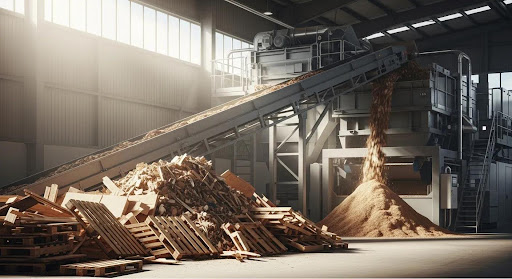
 Construction sites often generate vast quantities of wood waste, highlighting the need for efficient and sustainable disposal solutions.
Traditional Disposal Methods: Landfills and Incineration (And Why They’re Not Always Ideal)
For decades, landfills and incineration were the go-to methods for disposing of virtually all waste, including scrap wood. While they still play a role in managing waste that cannot be otherwise processed, it’s critical to understand their limitations and why they should often be considered last resorts for wood waste.
Landfilling Scrap Wood
Process: Scrap wood, along with other solid waste, is compacted and buried in engineered sites designed to contain waste and prevent leachate from contaminating groundwater. Modern landfills include liners, leachate collection systems, and sometimes gas collection systems to capture methane.
Drawbacks:
- Space Consumption: Landfills are finite resources. As populations grow and consumption increases, finding new sites for landfills becomes increasingly difficult and expensive. Diverting wood waste extends the lifespan of existing landfills.
- Methane Production: As discussed, wood decomposition in anaerobic landfill conditions produces methane, a potent greenhouse gas. While some landfills capture this gas for energy generation, not all do, and capture rates are never 100%.
- Leachate Contamination: Even with modern liners, there’s always a risk of leachate (a toxic liquid formed as water passes through waste) escaping and contaminating soil and groundwater, especially if hazardous or treated wood is present.
- Lost Resources: Sending wood to a landfill means losing the opportunity to reuse its material value, requiring more virgin resources to be harvested.
- Cost: Landfill tipping fees can be substantial, making it an expensive option, particularly for large volumes of waste.
Incinerating Scrap Wood
Process: Waste-to-energy (WTE) facilities burn combustible materials, including some types of wood waste, at high temperatures to generate electricity or heat. Advanced filtration systems are used to capture pollutants from the exhaust.
Drawbacks:
- Air Pollution: While modern incinerators have sophisticated pollution controls, they still release emissions, including particulate matter, nitrogen oxides, and potentially trace amounts of heavy metals and dioxins, depending on the feedstock. Burning treated wood is particularly problematic due to the release of toxic chemicals.
- Ash Disposal: Incineration produces ash, which can contain concentrated heavy metals and other hazardous substances, requiring careful disposal in specialized landfills.
- Carbon Emissions: Burning wood, even for energy, releases carbon dioxide into the atmosphere. While proponents argue it’s “carbon neutral” if the wood is from sustainably managed forests, the immediate release of CO2 contributes to global warming.
- Resource Destruction: Like landfilling, incineration destroys the material, preventing any future reuse or recycling of the wood fibers.
- Cost and Siting: WTE facilities are expensive to build and operate, and they often face significant public opposition due to concerns about air quality.
While these methods serve a purpose for specific waste streams, when considering where to dispose of scrap wood, especially clean or untreated wood, more sustainable alternatives should always be explored first. These traditional methods should be reserved for wood waste that truly cannot be recycled, reused, or composted.
Recycling Scrap Wood: Opportunities and Limitations
Recycling offers a significantly more sustainable pathway for scrap wood than landfilling or incineration. However, not all wood is created equal in the eyes of a recycler, and understanding the nuances is crucial. My experience highlights that successful wood recycling hinges on proper segregation and awareness of local capabilities.
What Can Be Recycled?
The ideal candidate for wood recycling is clean, untreated wood. This includes:
- Untreated dimensional lumber scraps (e.g., from framing, untreated decking).
- Pallets and crates (often made of untreated hardwood or softwood).
- Clean wood packaging materials.
- Tree branches, stumps, and clean construction timber.
- Some types of engineered wood, increasingly so as technology advances. For instance, processes for plywood recycle are becoming more sophisticated, targeting the wood fibers for new products rather than the adhesive.
What Cannot (or Is Difficult to) Be Recycled?
Several factors can prevent wood from being recycled:
- Treated Wood: As emphasized, chemicals in treated wood contaminate recycling streams and are hazardous.
- Painted, Stained, or Varnished Wood: Coatings contain chemicals that are difficult to separate from the wood fibers.
- Laminated Wood/Wood with Attachments: Wood combined with plastic laminates, metal fasteners (too many to remove), or other non-wood materials often makes it unsuitable for standard wood recycling.
- Engineered Wood with High Adhesive Content: While research is ongoing, MDF and some particleboard can be challenging due to the resins. However, chipboard recycling is seeing advancements, with some facilities able to process it into new particleboard or energy.
- Contaminated Wood: Wood mixed with dirt, excessive glues, or other debris.
The Wood Recycling Process
Once collected and sorted, scrap wood typically undergoes several stages:
- Sorting and Inspection: Wood is separated by type and contaminants are removed (e.g., metal, plastic).
- Shredding/Grinding: Large pieces are fed into industrial shredders or grinders, breaking them down into chips, flakes, or sawdust.
- Further Processing: Depending on the end use, the material might be screened for size, dried, or refined.
End Products of Recycled Wood
- Mulch and Compost: Clean, untreated wood chips are excellent for landscaping and agricultural applications.
- Animal Bedding: Fine wood shavings can be used for livestock or pet bedding.
- Biofuel: Wood chips can be used as a biomass fuel source for energy generation.
- Manufactured Wood Products: Recycled wood fibers can be reprocessed into new particleboard, MDF, or composite decking materials. Innovations in plywood recycle and chipboard recycling aim to create closed-loop systems for these materials.
- Pressboard: Lower-grade wood waste can be pressed into panels for packaging or furniture components.
Always check with your local recycling center or waste management company regarding their specific acceptance policies, especially for engineered wood products. Their capabilities can vary significantly.
| Table 1: Wood | Types and Recycling Feasibility Wood | Type Recycling Feasibility Common Challenges/Notes |
|---|---|---|
| Untreated Lumber | High | Ideal for mulch, compost, biofuel. Ensure no nails or screws. |
| Pallets/Crates | High | Often reusable; if not, good for chipping. Remove metal straps/fasteners. |
| Plywood (untreated) | Moderate to High | Dependent on adhesive type; some facilities accept for fiber recovery. |
| Chipboard/Particleboard | Moderate | Specific facilities may accept for new board production or biofuel. |
| MDF | Low to Moderate | Challenging due to fine fibers and resins; limited facilities. |
| Pressure-Treated Wood | Very Low (Hazardous) | Requires specialized handling; often landfilled in secure sections. Never recycle with clean wood. |
| Painted/Stained Wood | Low | Coatings can contain harmful chemicals; rarely accepted for clean wood recycling. |
Donating and Reusing Scrap Wood: Giving Wood a Second Life
Before considering recycling or disposal, the most environmentally sound option for scrap wood is always reuse. Giving wood a second life conserves resources, reduces waste, and often saves money. My experience has shown that creativity and local community resources can unlock significant potential here.
Creative Reuse Opportunities for Individuals
Even small pieces of scrap wood can find new purposes around the home or in creative projects:
- Firewood/Kindling: Untreated, dry wood scraps are excellent for fireplaces, wood stoves, or fire pits. Ensure wood is completely dry to burn efficiently and minimize smoke.
- Garden Stakes/Edging: Longer, sturdy pieces can be cut into garden stakes or used to create simple raised bed edging.
- Crafts and DIY Projects: Wood scraps are perfect for small carpentry projects, picture frames, shelves, birdhouses, or art pieces. Pinterest and similar sites are brimming with ideas.
- Composting (for untreated wood): Small, untreated wood chips or sawdust can be added to compost piles in moderation, balancing with nitrogen-rich “green” materials.
- Wood Chips for Landscaping: If you have access to a chipper, untreated branches and clean wood can be turned into decorative mulch for gardens, suppressing weeds and retaining soil moisture.
Donating to Community Projects and Non-Profits
For larger pieces or usable quantities of scrap wood, donation is an excellent option:
- Habitat for Humanity ReStores: These outlets accept donations of new and gently used building materials, including lumber, plywood, and other wood products. They resell items at discounted prices to the public, with proceeds supporting Habitat for Humanity’s mission. This is often an ideal place for clean, reusable construction and demolition waste disposal if it’s in good condition.
- Local Schools and Art Programs: Shop classes, art departments, and community workshops often welcome donations of various wood scraps for student projects. Call ahead to inquire about their needs and acceptance policies.
- Theater Groups and Set Designers: Local theaters or independent film productions frequently need wood for building sets and props.
- Online Platforms: Websites like Freecycle, Craigslist (free section), or local Facebook Marketplace groups are great for connecting with individuals who can use your scrap wood for their own projects. Clearly specify the type and condition of the wood.
- Woodworking Clubs: Many local woodworking guilds or clubs are always on the lookout for interesting or useful wood pieces.
When considering donation, always ensure the wood is in good, usable condition, free from excessive nails, rot, or serious damage. Cleanliness and usability are key for making a successful donation.
 Reusing scrap wood for creative projects is a fantastic way to minimize waste and add personal touches to your home.
Professional Services for Construction and Demolition Waste Disposal
When dealing with large volumes of scrap wood, particularly from renovation or demolition projects, individual efforts at recycling or donation may not be sufficient. This is where professional services specializing in construction and demolition waste disposal become indispensable. My expertise in managing large-scale projects has shown that planning this aspect upfront saves significant headaches and costs.
Dumpster Rental Services
Overview: The most common solution for significant amounts of C&D waste is renting a roll-off dumpster. These come in various sizes (e.g., 10-yard, 20-yard, 30-yard, 40-yard) to accommodate different project scales.
Benefits:
- Convenience: A central location for all your waste on-site.
- Capacity: Can handle large volumes of wood and mixed debris.
- Professional Hauling: The rental company handles pickup and transport.
Considerations:
- Mixed vs. Dedicated: Some companies offer “clean fill” dumpsters specifically for wood, concrete, or metal, which are often cheaper because the contents are easier to recycle. Mixed C&D dumpsters are more expensive due to the sorting required.
- Weight Limits: Dumpsters have weight limits. Wood can be surprisingly heavy, especially wet or engineered wood. Exceeding limits incurs additional fees.
- Permits: If the dumpster will be placed on public property (e.g., street), you’ll likely need a permit from your local municipality.
- Prohibited Items: Hazardous waste (including treated wood in some areas), tires, and chemicals are typically prohibited.
Specialized Waste Management Companies
Overview: Beyond general dumpster services, some waste management companies specialize in C&D waste, offering more tailored solutions for large commercial projects or specific types of waste.
Services May Include:
- On-site Sorting: For very large projects, they might set up on-site sorting areas to maximize recycling rates for wood, metal, and concrete.
- Deconstruction Services: Instead of demolition, some companies offer deconstruction, carefully dismantling structures to salvage and reuse materials, including lumber.
- Treated Wood Disposal: They often have the necessary permits and facilities to legally dispose of treated wood that cannot be landfilled with general waste. This is crucial for navigating regulations on hazardous materials.
- Waste Audits: Helping businesses identify waste streams and optimize disposal strategies.
Hazardous Waste Considerations for Treated Wood
This cannot be stressed enough: treated wood is a significant concern. Many municipalities classify it as hazardous or special waste, requiring specific disposal protocols. It cannot be burned, chipped for mulch, or usually accepted in regular C&D recycling streams. You will need to:
- Segregate It: Keep treated wood separate from all other wood waste.
- Check Local Regulations: Contact your local waste management authority or health department to understand specific requirements for treated wood.
- Specialized Disposal: Often, this involves taking it to a licensed hazardous waste facility or a landfill section specifically permitted for chemically treated materials.
Engaging professional services ensures compliance with environmental regulations, streamlines the disposal process, and significantly improves the recycling rates of your waste stream. Always obtain quotes from multiple providers and inquire about their recycling rates for wood.
| Table 2: Comparing Professional Scrap Wood Disposal Services Service | Type Best For Key Advantages Considerations | ||
|---|---|---|---|
| Roll-Off Dumpster (Mixed C&D) | General home renovations, small construction projects with mixed debris. | Convenient, handles various materials, single pickup. | Higher cost if wood could be recycled separately, weight limits, prohibited items. |
| Roll-Off Dumpster (Clean Wood) | Projects with large volumes of only clean, untreated wood. | Lower cost than mixed C&D, higher recycling potential. | Strict content requirements (no treated wood, metal, etc.), limited availability. |
| Specialized Waste Haulers | Large commercial projects, consistent waste streams, specific treated wood disposal. | Customized solutions, higher recycling rates, compliance expertise. | Potentially higher cost, may require contracts. |
| Junk Removal Services | Small volumes of mixed wood and other items, quick removal. | Fast, no need for permits, labor included. | More expensive per cubic yard than dumpsters for large volumes. |
Locating Local Wood Waste Disposal Facilities and Programs
Identifying the correct local resources is paramount when figuring out where to dispose of scrap wood. The landscape of disposal facilities can vary significantly from one municipality to another, and understanding your local options is key to responsible and efficient waste management. My three decades in this field have taught me that local knowledge is power.
Municipal Recycling Centers and Transfer Stations
Many cities and counties operate public recycling centers or transfer stations where residents can drop off various waste materials, often for free or a nominal fee. These facilities frequently have specific areas for wood waste. It’s crucial to check their exact policies:
- Types of Wood Accepted: Some may only accept clean, untreated wood, while others might take painted wood or even certain engineered wood products.
- Size Limitations: They might have restrictions on the length or diameter of wood pieces.
- Contamination Rules: Strict rules usually apply regarding nails, screws, paint, and other non-wood contaminants.
A quick search on your municipal website for “waste management,” “recycling,” or “transfer station” should yield relevant information.
Composting and Green Waste Facilities
For untreated wood, especially natural wood like branches, stumps, and clean lumber, dedicated composting or green waste facilities are an excellent option. These operations grind wood into mulch or integrate it into large-scale composting processes. This diverts organic matter from landfills and creates valuable soil amendments. Again, ensure the wood is genuinely clean and untreated.
Private Wood Recyclers and Processors
In addition to municipal options, there are often private companies that specialize in processing wood waste. These commercial operations can handle larger volumes and might have more sophisticated equipment for sorting and grinding. They typically charge a tipping fee, which can vary based on the type and quantity of wood. They are a good option for businesses generating consistent wood waste or for individuals with larger quantities than municipal sites can handle.
- Search online for “wood recycling near me,” “timber recycling,” or “green waste disposal.”
- Inquire about their acceptance criteria, especially for engineered wood like plywood recycle or chipboard recycling.
Donation Centers and Creative Reuse Hubs
As previously discussed, organizations like Habitat for Humanity ReStore or local artistic collectives are prime locations for donating usable scrap wood. These are not strictly “disposal facilities” but are vital components of a circular economy for wood. Always call ahead to confirm their needs and acceptance policies before making a trip.
Online Resources and Apps
Several online platforms and apps are designed to help you find local disposal and recycling options:
- Earth911.com: A comprehensive search engine for recycling various materials, including wood, by zip code.
- Recycle Search Tools: Many state environmental agencies or regional waste management districts offer their own online search tools.
- Local Government Websites: Your city or county’s official website is usually the most reliable source for specific local programs.
Before transporting any scrap wood, always verify the facility’s operating hours, fees, and most importantly, their acceptance criteria. A quick phone call can save you a wasted trip and ensure your wood is handled properly.
FAQs: Your Top Questions About Scrap Wood Disposal Answered
Having navigated the complexities of waste management for decades, I’ve heard countless questions about wood disposal. Here are some of the most common inquiries, providing clear, factual answers to help you make informed decisions about where to dispose of scrap wood.
Can I burn scrap wood in my backyard?
Generally, no. Burning scrap wood in residential backyards is often prohibited by local ordinances due to air quality concerns and fire hazards. While some areas might permit burning clean, untreated yard waste like branches, burning lumber, especially treated or painted wood, is almost universally illegal and dangerous. Treated wood releases toxic chemicals into the air. Always check your local fire department and environmental regulations before considering burning any wood.
Is painted or stained wood recyclable?
Typically, no, not through standard wood recycling streams. The chemicals in paints, stains, and varnishes contaminate the wood fibers, making them unsuitable for composting or for being repurposed into new wood products like mulch or particleboard. Painted or stained wood usually needs to be disposed of as general construction debris, which often ends up in a landfill. In some cases, it might be accepted at specialized facilities that can burn it for energy under strict emission controls, but these are rare for residential quantities.
How do I dispose of treated lumber (e.g., pressure-treated wood)?
Treated lumber should never be mixed with regular wood waste, burned, or used for mulch. It often contains hazardous chemicals like arsenic, chromium, and copper. The correct disposal method is usually through designated hazardous waste facilities, specific sections of landfills permitted for such materials, or specialized C&D waste haulers who are equipped to handle it. You must check with your local waste management authority for precise instructions, as regulations vary significantly by jurisdiction.
What about sawdust? Can I recycle or dispose of it easily?
Sawdust from untreated, natural wood is generally safe and often compostable in small quantities, or it can be used as animal bedding or for absorbing spills. However, sawdust from treated wood, engineered wood products (like MDF or particleboard), or painted wood should be handled with caution and typically disposed of as regular waste, as it may contain harmful chemicals or adhesives. Large quantities of sawdust can also pose a dust explosion risk, so proper storage and handling are important.
What is the typical cost involved in disposing of scrap wood?
The cost varies widely based on the volume, type of wood, disposal method, and your location.
- Municipal drop-off: Often free or a nominal fee for small quantities of clean wood.
- Private recycling centers: Tipping fees can range from $30 to $100+ per ton, depending on the wood type and market.
- Dumpster rental: Can range from $300 to $800+ for a standard roll-off dumpster, influenced by size, duration, and whether it’s mixed or clean debris.
- Junk removal services: Priced by volume, can be $75 to $500+ for smaller loads.
- Hazardous/treated wood: Specialized disposal can incur higher fees due to stringent handling requirements.
Always get quotes and clarify what types of wood are included in the price.
Can I put small amounts of scrap wood in my regular household trash bin?
For very small pieces of untreated, non-hazardous scrap wood, it might be permissible to place them in your regular household trash bin, provided they fit and do not exceed weight limits. However, this should be considered a last resort. Always prioritize reuse, donation, or recycling first. Large pieces or treated wood are typically prohibited from regular household trash and require specialized disposal.

Conclusion: Embracing Sustainable Wood Waste Management
Navigating the question of where to dispose of scrap wood is more complex than it initially appears, yet it is a critical aspect of responsible environmental stewardship. As an SEO expert with extensive experience in sustainable practices, I’ve witnessed firsthand the shift from a linear “take-make-dispose” economy to one that increasingly values circularity and resource recovery. Our approach to wood waste must reflect this evolution.
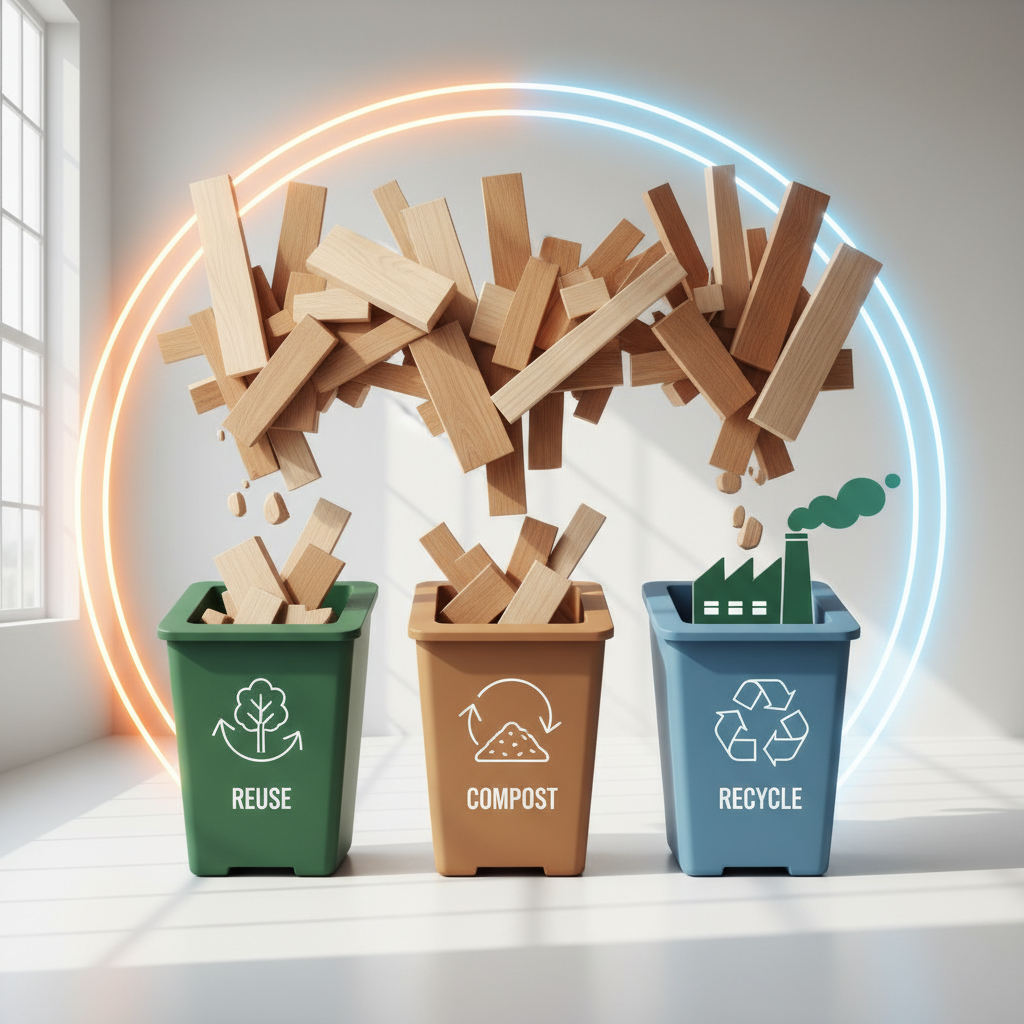
The journey begins with identification. Understanding whether your wood is treated or untreated, natural or engineered, determines the appropriate pathway. From there, the hierarchy of waste management should always guide your decisions: reduce, reuse, recycle, and only then dispose. By actively seeking opportunities for donation and creative reuse, you not only divert waste but also contribute to community welfare and foster a culture of resourcefulness.
When reuse isn’t feasible, explore the burgeoning world of wood recycling. Facilities for plywood recycle and chipboard recycling are growing, transforming waste into valuable new products. For larger projects, professional construction and demolition waste disposal services offer efficient, compliant, and increasingly sustainable solutions, ensuring that as much material as possible is recovered rather than landfilled.
The environmental impacts of improper disposal—from landfill methane emissions to resource depletion and contamination—are too significant to ignore. Each choice we make regarding our scrap wood contributes to the larger ecological picture. By diligently researching local facilities, adhering to guidelines for treated wood, and proactively seeking out the most sustainable options, you play a vital role in protecting our planet.
Ultimately, managing scrap wood responsibly is not just about compliance; it’s about embracing a mindset of sustainability. It’s about recognizing the inherent value in every piece of wood and striving to ensure it serves its highest and best purpose, even after its initial use. Let this guide be your trusted resource in making those informed, impactful decisions for a greener future.
About the author