I. Introduction to Trash Cans
Trash cans are an essential component of modern living, serving a fundamental role in maintaining cleanliness and hygiene in our homes, workplaces, and public spaces. As society increasingly becomes aware of environmental issues, the importance of efficient waste management has never been more pronounced. Trash cans not only help to contain waste but also play a vital part in the broader context of recycling and sustainable living.
From the bustling streets of urban centers to the quiet corners of suburban neighborhoods, trash cans come in various forms and styles, each designed to cater to specific needs and preferences. They are often the unsung heroes of our daily routines, quietly working in the background to keep our environments tidy.
This article will explore the different types of trash cans available, highlight key factors to consider when choosing the right one, and provide maintenance tips to ensure their longevity and effectiveness. By understanding the role and variety of trash cans, we can make informed decisions that contribute to a cleaner, more organized, and environmentally-friendly lifestyle.
II. Types of Trash Cans
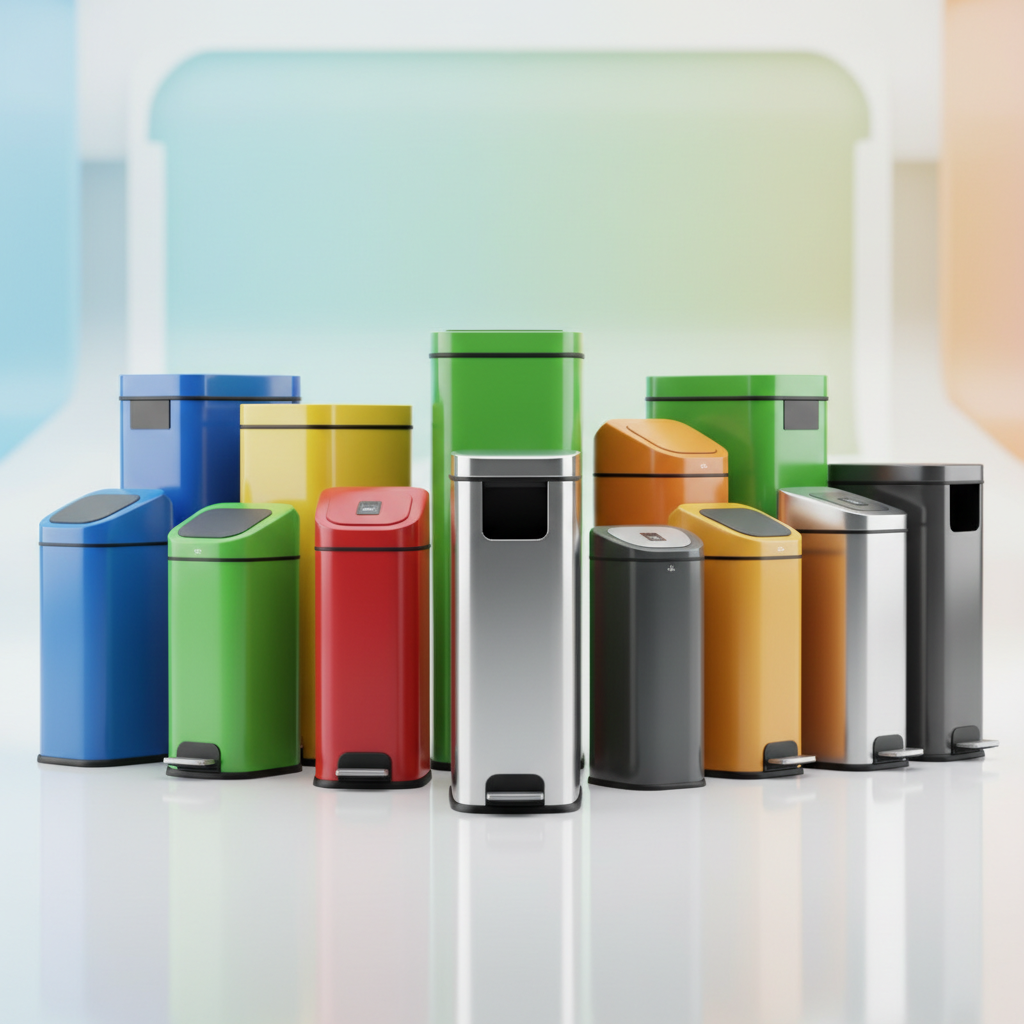
When it comes to managing waste, selecting the appropriate type of trash can is crucial for efficiency, functionality, and aesthetics. With a variety of options available, each type of trash can serves specific needs, making it essential to understand their distinctions. Below, we explore three primary categories of trash cans: plastic, metal, and smart trash cans.
A. Plastic Trash Cans
Plastic trash cans are among the most common choices for both residential and commercial use. They are lightweight, affordable, and available in a range of sizes and colors, making them versatile for various environments. One of the key advantages of plastic trash cans is their resistance to rust and corrosion, which contributes to their longevity. Additionally, many plastic models come with features such as foot pedals for hands-free operation and lids that help contain odors. However, while they are durable for everyday use, they may not withstand extreme weather conditions as well as their metal counterparts.
B. Metal Trash Cans
Metal trash cans, often made from stainless steel or galvanized steel, are known for their durability and sleek appearance. These cans are particularly favored for outdoor use, as their sturdy construction allows them to withstand harsh environmental conditions. Metal trash cans are also less permeable to odors and pests, making them a better choice for areas where wildlife is a concern. Furthermore, many metal models feature a classic design that can complement modern home aesthetics. However, they tend to be heavier and more expensive than plastic options and may require more maintenance to prevent rusting.
C. Smart Trash Cans
In recent years, smart trash cans have emerged as a revolutionary solution for waste management. Equipped with advanced technology, these cans can offer features such as automatic lid opening, built-in scales to monitor waste levels, and connectivity to smartphone apps for tracking waste disposal habits. Some models even include odor control systems and compaction features to maximize space efficiency. While smart trash cans can represent a significant investment, they promote a more sustainable lifestyle by encouraging better waste management practices and minimizing overflow.
In summary, the type of trash can you choose can significantly impact your waste disposal experience. Each option—plastic, metal, and smart—has its unique benefits and considerations, making it essential to evaluate which type aligns best with your specific needs and preferences.
III. Choosing the Right Trash Can
When it comes to selecting the perfect trash can for your home or office, several important factors must be considered. The right trash can not only fits your space and style but also enhances your waste management efforts. Below are key considerations to help you make an informed choice.
A. Size Considerations
The size of the trash can is one of the most critical aspects to consider. The ideal size largely depends on the space available and the volume of waste generated. For small apartments or offices, a compact trash can may be sufficient, while larger households or commercial spaces might require a more substantial bin. Additionally, consider the frequency of waste disposal; if you find yourself taking out the trash every day, a smaller can might suffice, but for less frequent disposal, a larger container could be more convenient. It’s also worth measuring the space where the trash can will reside to ensure a snug fit without obstructing movement.
B. Design and Aesthetics
Trash cans come in a variety of designs, colors, and materials. When choosing a can, think about how it will fit into your overall décor. A sleek, modern metal trash can might complement a contemporary kitchen, while a vibrant plastic one could add a pop of color to a child’s playroom. Some homeowners prefer to hide their trash cans inside cabinets or designated bins, while others may want a stylish piece that enhances their interior design. Ultimately, the trash can should not only be functional but should also suit your taste and blend seamlessly with your home or office environment.
C. Special Features
Modern trash cans often come equipped with special features that enhance usability and hygiene. Features such as foot pedals allow for hands-free operation, while sensor-operated lids provide added convenience by opening automatically when approached. Some trash cans also offer compartments for recycling, making it easier to sort waste at home. Furthermore, odor control mechanisms, such as charcoal filters or airtight seals, can be essential in a kitchen setting. When selecting a trash can, consider which features align with your lifestyle and waste management habits to ensure maximum efficiency and satisfaction.
By taking into account size, design, and special features, you can find a trash can that not only meets your needs but also enhances your living or working space.
IV. Maintenance and Care
Proper maintenance and care of trash cans are essential not only for ensuring longevity but also for promoting a hygienic environment in your home or workplace. Here are some key aspects to consider:
A. Cleaning Tips
Regular cleaning of your trash can is vital to prevent the buildup of bacteria and unpleasant odors. Here are some effective cleaning tips:
1. Frequency: Aim to clean your trash can at least once a month, or more often if it’s used for food waste or other odorous materials.
2. Materials: Use a mixture of warm water and mild detergent to scrub the interior and exterior surfaces. For tough stains or residues, a solution of white vinegar and baking soda can effectively break down grime.
3. Tools: A long-handled brush or sponge can help reach the bottom and corners of the can. For larger outdoor cans, a pressure washer can be an efficient cleaning tool.
4. Rinsing: After scrubbing, thoroughly rinse the can with clean water to remove any soap residue, which can attract pests.
5. Drying: Allow the trash can to air dry completely before placing a new liner inside. This helps prevent moisture buildup, which can lead to mold and unpleasant odors.
B. Dealing with Odors
Trash cans can, by their very nature, harbor unpleasant smells. Here are some strategies to keep odors at bay:
1. Use Liners: Always use a trash bag or liner to contain waste and facilitate easier cleaning.
2. Odor Absorbers: Place odor-absorbing materials at the bottom of the can, such as baking soda or activated charcoal, to neutralize smells.
3. Regular Emptying: Empty the trash can regularly, especially if it contains organic waste, to prevent odors from developing.
4. Air Fresheners: Consider using air fresheners or odor-neutralizing sprays designed for trash cans to keep the area smelling fresh.
5. Nature’s Remedies: Citrus peels, coffee grounds, or essential oils can also be effective natural odor absorbers. Simply place them in the bottom of the can for a fresh scent.
C. Recycling and Waste Management
Effective waste management begins with understanding what can and cannot be disposed of in your trash can. Here are some tips for better recycling and waste management:
1. Separate Waste: Implement a system for separating recyclables, compostables, and general waste. Designate specific bins for each type of waste to streamline disposal and recycling processes.
2. Know Your Local Guidelines: Familiarize yourself with local recycling guidelines, as they can vary by municipality. This knowledge ensures that you are disposing of waste correctly and efficiently.
3. Educate Others: If you share your space with family members or coworkers, educate them on proper disposal practices to foster a culture of responsible waste management.
4. Regularly Review: Periodically reassess your waste management practices to identify areas for improvement. This could include reducing single-use items, composting organic waste, or using reusable containers.
By following these maintenance and care guidelines, you can ensure that your trash cans remain functional, hygienic, and environmentally friendly, supporting a cleaner and more organized living or working space.
V. Conclusion
In conclusion, trash cans are an essential component of our daily lives, playing a crucial role in waste management and maintaining cleanliness in our homes and communities. With a variety of types available, from traditional plastic and metal options to innovative smart trash cans, there is a suitable choice for every need and preference. When selecting the right trash can, it is important to consider factors such as size, design, and special features to ensure it fits seamlessly into your lifestyle.
Proper maintenance and care of trash cans are equally important, as they help prolong their lifespan and prevent unpleasant odors. By implementing effective cleaning routines and practicing responsible recycling and waste management, we can contribute to a cleaner environment.
Ultimately, the right trash can not only serves its fundamental purpose of waste disposal but can also enhance the aesthetics of a space and promote sustainable habits. As we become more conscious of our environmental footprint, investing in the appropriate trash can is a small yet impactful step toward a more organized and eco-friendly future.
About the author