Sludge is one of the most important by-products of wastewater treatment, industrial processing, and environmental cleanup. Even though it may seem like a messy side effect of modern living, sludge plays a critical role in maintaining public health, keeping our waterways clean, and supporting sustainable waste management practices. The term sludge appears everywhere in environmental engineering, and understanding how it forms, how it’s treated, and how it’s reused helps communities become cleaner and more eco-friendly.
What Is Sludge?
Sludge refers to the semi-solid material that settles out during the treatment of wastewater or industrial liquids. It’s made up of water, organic compounds, microbes, chemicals, and sometimes heavy metals. Because it collects contaminants, it must be handled safely. Sludge plays an important role in environmental systems by trapping pollutants that would otherwise reach rivers, soil, and oceans.
Types of Sludge
Not all sludge is the same. The main categories include:
Primary Sludge
This forms during the initial settling stage of wastewater treatment. It contains sand, fats, oils, and organic materials.
Secondary Sludge
Produced by biological processes, this type is rich in microorganisms.
Tertiary Sludge
Results from advanced treatment steps, such as chemical precipitation or filtration.
Industrial Sludge
Comes from manufacturing facilities and may contain specialized chemicals.
Chemical Composition of Sludge
Sludge includes:
-
Organic matter
-
Pathogens
-
Nutrients like nitrogen and phosphorus
-
Heavy metals
-
Microplastics
Understanding its composition helps determine the safest treatment and disposal methods.
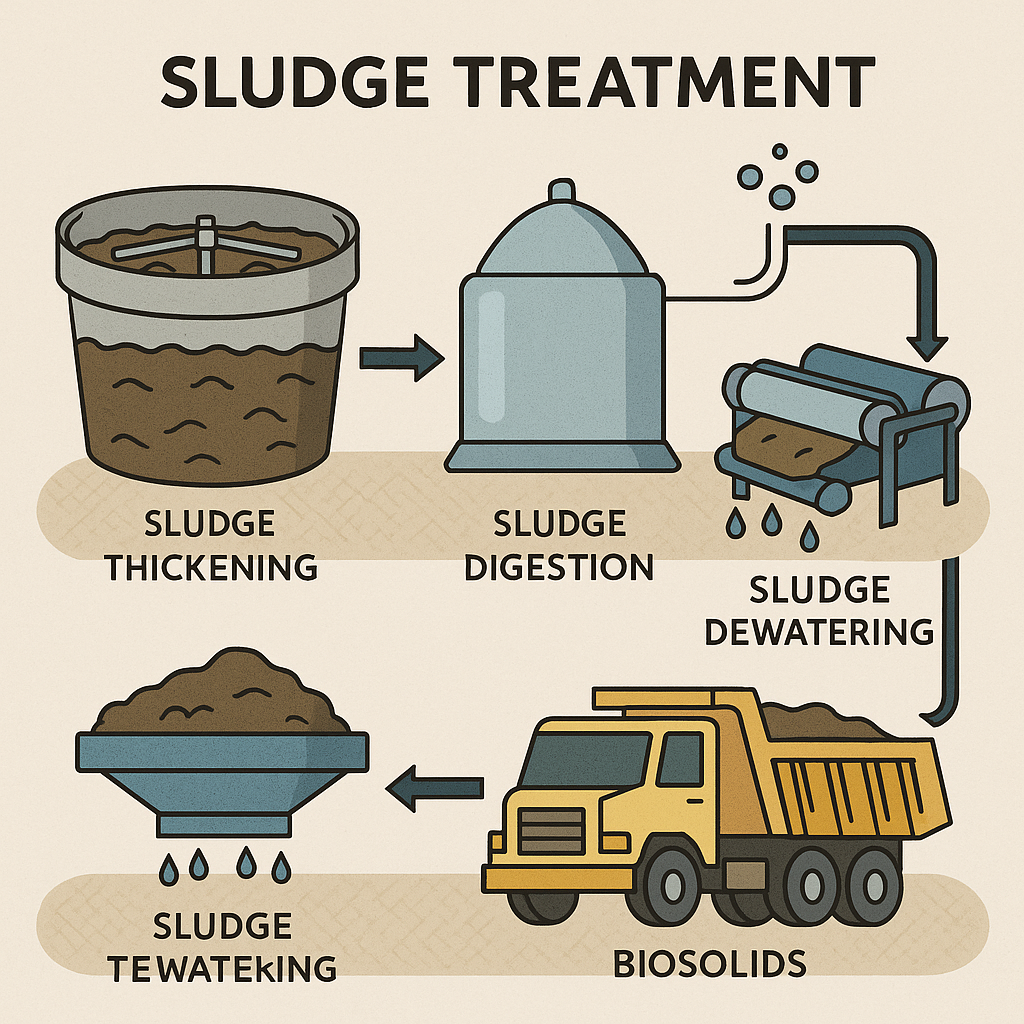
Sludge Treatment Processes
Before sludge can be reused or disposed of, it must go through treatment processes that reduce volume, neutralize pathogens, and remove harmful chemicals.
Sludge Thickening
This step reduces water content. Methods include:
-
Gravity thickening
-
Dissolved air flotation
-
Centrifugal thickening
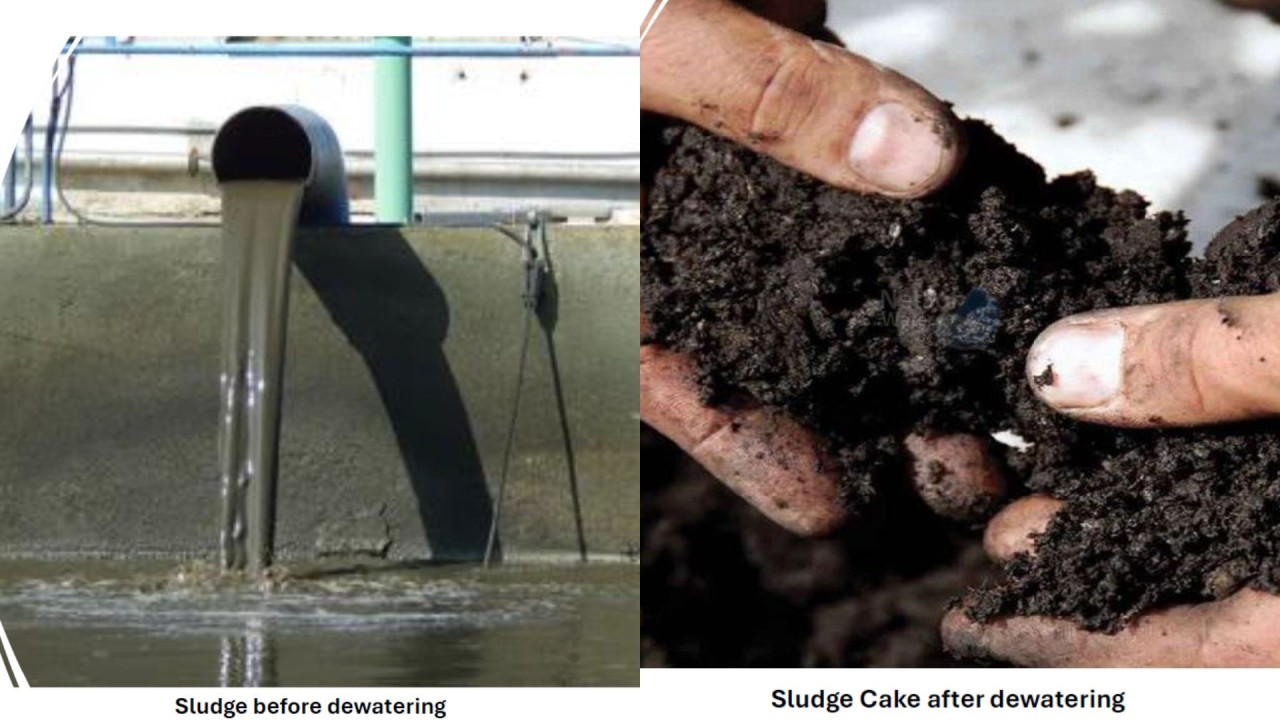
Sludge Dewatering
Dewatering removes additional water, producing a cake-like solid. Methods:
-
Belt filter press
-
Centrifuge
-
Drying beds
Sludge Digestion
In digestion, bacteria break down organic matter. Two types:
-
Aerobic digestion: Uses oxygen
-
Anaerobic digestion: Produces biogas, useful for energy
Environmental Impact of Sludge
If sludge isn’t treated carefully, it can pollute soil, air, and water. Harmful effects include:
-
Pathogen spread
-
Toxic metal contamination
-
Groundwater pollution
However, when treated correctly, sludge can be safely reused or recycled.
Benefits of Proper Sludge Management
Well-handled sludge:
-
Improves soil quality
-
Generates renewable energy
-
Reduces landfill waste
-
Supports sustainable agriculture
For more details on sludge regulations, the U.S. EPA provides comprehensive guidelines:
👉 https://www.epa.gov/biosolids
Challenges in Sludge Disposal
Several obstacles make sludge disposal difficult:
-
High treatment costs
-
Limited land availability
-
Environmental risks
-
Public distrust
Innovative Uses of Treated Sludge
Sludge-to-Energy Technologies
Processes like anaerobic digestion, pyrolysis, and gasification convert sludge into:
-
Electricity
-
Heat
-
Biofuels
Sludge in Agriculture
Treated sludge, known as biosolids, can enrich soil with organic matter and nutrients when applied responsibly.
Future Trends in Sludge Management
Expect to see:
-
Carbon-neutral treatment plants
-
AI-powered sludge monitoring
-
Expanded sludge-to-energy systems
-
Eco-friendly disposal solutions
Conclusion
Sludge may seem unpleasant, but it plays a critical part in modern waste management. With proper treatment, sludge protects public health, supports recycling, and provides new energy opportunities. As technology evolves, sludge will continue transforming from waste into a valuable resource.
About the author