What is Commercial Waste?
Commercial waste sustainability is becoming a top priority for businesses worldwide. Commercial waste refers to any waste produced by businesses, offices, restaurants, and industries. This includes paper, plastics, food waste, packaging, and even hazardous materials.
Unlike residential waste, commercial waste is often generated in larger volumes and requires specialized handling. Without proper management, it can quickly overwhelm landfills and harm the environment.
Why Sustainability Matters in Business Waste
Sustainability in waste management means reducing, reusing, and recycling materials to minimize environmental impact. Businesses that adopt sustainable practices not only help the planet but also improve efficiency and reduce costs.
In today’s world, customers expect companies to act responsibly. Sustainability is no longer optional—it’s a competitive advantage.
The Environmental Impact of Commercial Waste
Landfill Overflow and Pollution
One of the biggest issues with commercial waste is landfill overflow. According to the U.S. Environmental Protection Agency (EPA), the United States generates over 292 million tons of municipal solid waste annually, a significant portion coming from commercial sources.
Landfills release harmful chemicals into the soil and water, contaminating ecosystems and human health.
Greenhouse Gas Emissions and Climate Change
Landfills are the third-largest source of methane emissions in the U.S. Methane is over 25 times more potent than carbon dioxide in trapping heat in the atmosphere.
Reducing commercial waste is a key step in fighting climate change.
Key Statistics and Real Facts About Commercial Waste
Global Waste Generation Data
- The world generates over 2.24 billion tons of solid waste each year (World Bank).
- This number is expected to increase by 70% by 2050 if no action is taken.
U.S. Commercial Waste Insights
- Only about 32–35% of waste is recycled in the U.S.
- Businesses contribute a major share of paper and packaging waste.
- Food waste accounts for nearly 24% of landfill waste.
Learn more from the World Bank: https://www.worldbank.org/en/topic/urbandevelopment/brief/solid-waste-management
Benefits of Commercial Waste Sustainability
Cost Savings and Efficiency
Sustainable waste practices can significantly reduce disposal costs. Businesses save money by:
- Using fewer raw materials
- Reducing waste hauling fees
- Improving operational efficiency
Brand Reputation and Compliance
Consumers prefer eco-friendly brands. Companies that adopt sustainable waste practices:
- Build trust
- Enhance brand image
- Stay compliant with environmental laws
Waste Reduction Strategies
Source Reduction Techniques
The best way to manage waste is to prevent it in the first place. Businesses can:
- Go paperless
- Optimize inventory
- Reduce unnecessary packaging
Sustainable Packaging Solutions
Switching to biodegradable or recyclable packaging can dramatically reduce waste. Many companies are now using:
- Compostable materials
- Reusable containers
- Minimalist packaging designs
Recycling and Reuse Systems
Effective Recycling Programs
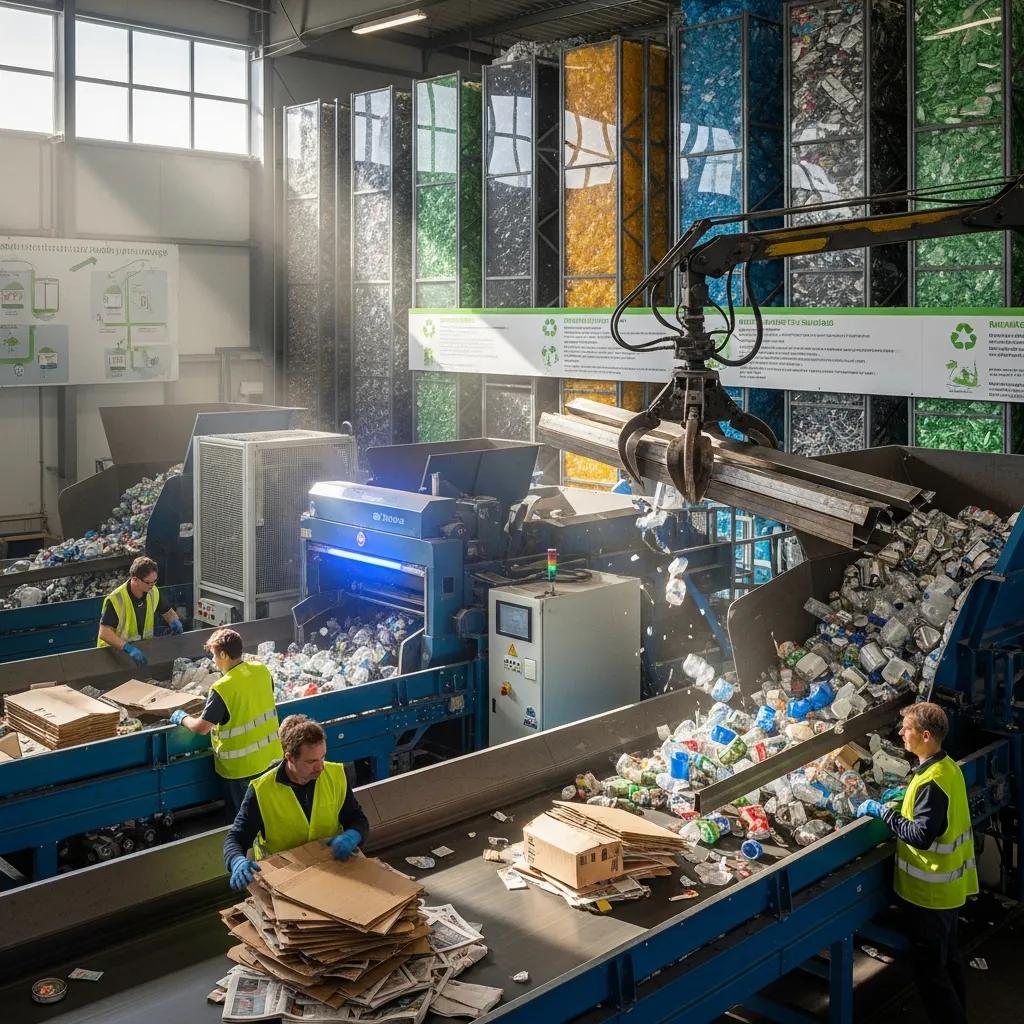
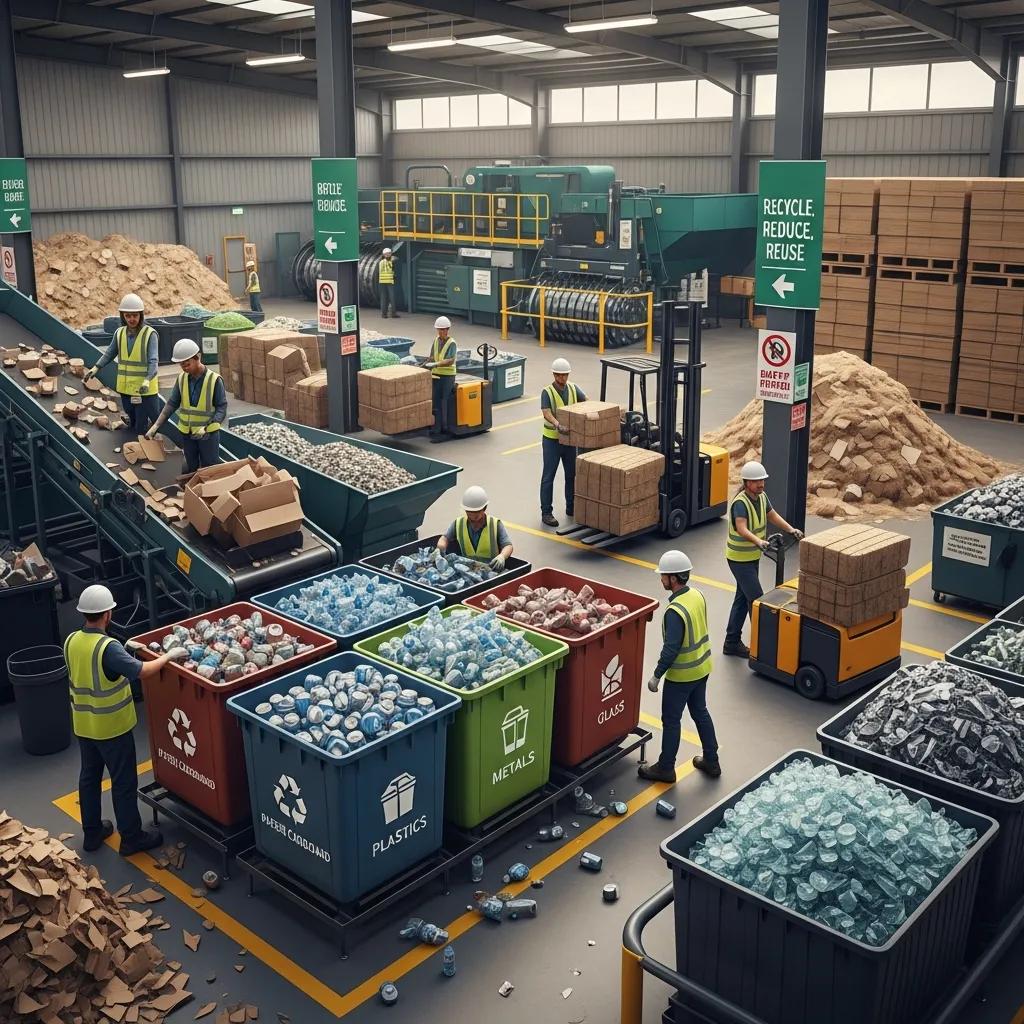
Setting up proper recycling systems ensures materials like paper, plastic, and metal are reused instead of discarded.
Key steps include:
- Clear labeling of bins
- Employee training
- Partnering with recycling services
Circular Economy Practices
A circular economy focuses on keeping materials in use for as long as possible. Businesses can:
- Reuse materials
- Repair products
- Recycle efficiently
Composting and Organic Waste Management
Benefits of Composting
Composting reduces landfill waste and creates nutrient-rich soil. It is especially useful for:
- Restaurants
- Hotels
- Food processing companies
Implementation in Businesses
Businesses can start composting by:
- Separating organic waste
- Partnering with composting facilities
- Educating staff
Innovative Waste Management Technologies
Smart Waste Systems
Technology is transforming waste management. Smart bins and sensors help:
- Monitor waste levels
- Optimize collection routes
- Reduce operational costs
Waste-to-Energy Solutions
Waste-to-energy systems convert waste into electricity or heat. In the U.S., these systems generate about 14 billion kilowatt-hours of electricity annually.
Corporate Responsibility and Sustainability Goals
Setting Measurable Targets
Businesses should set clear goals such as:
- Zero waste to landfill
- 50% waste reduction
- Full recycling compliance
Employee Engagement
Employees play a crucial role. Companies can:
- Provide training
- Offer incentives
- Promote eco-friendly habits
Challenges in Achieving Sustainability
Cost Barriers
Initial investments in sustainable systems can be high. However, long-term savings often outweigh these costs.
Operational Difficulties
Changing processes and habits can be challenging. Success requires commitment and proper planning.
Government Regulations and Policies
Environmental Laws
Governments are enforcing stricter waste management regulations to protect the environment.
Compliance Requirements
Businesses must:
- Track waste generation
- Follow disposal guidelines
- Report sustainability metrics
Future Trends in Commercial Waste Sustainability
AI and Automation
Artificial intelligence is helping businesses:
- Predict waste patterns
- Improve recycling rates
- Reduce inefficiencies
Zero Waste Movements
More companies are aiming for zero waste, where nothing goes to landfill. This trend is expected to grow rapidly.
FAQs
1. What is commercial waste sustainability?
It refers to managing business waste in environmentally friendly ways through reduction, recycling, and reuse.
2. Why is commercial waste sustainability important?
It reduces environmental impact, saves costs, and improves brand reputation.
3. How can businesses reduce waste?
By minimizing packaging, recycling materials, and adopting digital processes.
4. What industries benefit most from sustainable waste practices?
Retail, hospitality, manufacturing, and food services benefit significantly.
5. Is recycling enough for sustainability?
No, reducing and reusing waste are equally important.
6. What are the biggest challenges?
Costs, lack of awareness, and operational changes are common challenges.
Conclusion
Commercial waste sustainability is no longer just a trend—it’s a necessity. With rising environmental concerns and stricter regulations, businesses must take action now. By adopting sustainable waste practices, companies can reduce their environmental footprint, save money, and build a stronger brand.
The future belongs to businesses that prioritize sustainability. Start today, and be part of the solution.
About the author