Introduction to Waste Management in Hospitality
Waste management in hospitality is no longer just a regulatory requirement—it’s a critical part of running a successful and responsible business. Hotels, restaurants, and resorts generate large amounts of waste daily, from food scraps to plastic packaging. Without proper systems in place, this waste can harm the environment and increase operational costs.
Importance of Sustainable Practices
Sustainability is becoming a top priority for travelers and diners. Guests today prefer businesses that care about the environment. Implementing effective waste management in hospitality not only helps the planet but also attracts eco-conscious customers.
Current Waste Challenges in Hotels and Restaurants
The hospitality industry faces unique challenges:
- High food waste due to overproduction
- Excessive single-use plastics
- Limited recycling infrastructure
Addressing these issues requires a structured and proactive approach.
Types of Waste in the Hospitality Industry
Understanding the types of waste is the first step toward effective management.
Food Waste
Food waste is the largest contributor, often caused by:
- Over-preparation
- Spoilage
- Plate waste
Plastic and Packaging Waste
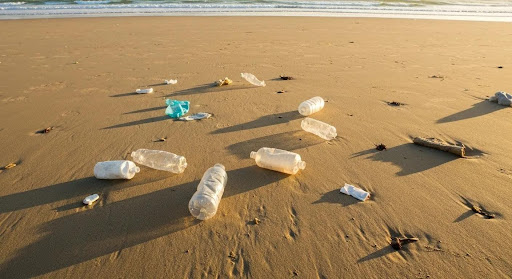
Single-use plastics like bottles, straws, and packaging materials are widely used and often discarded improperly.
Hazardous Waste
Cleaning chemicals, batteries, and electronic waste require special handling to avoid environmental damage.
Benefits of Effective Waste Management
Cost Reduction
Reducing waste means saving money. Efficient inventory and portion control lower purchasing costs.
Environmental Impact
Proper waste management reduces landfill use, lowers emissions, and conserves natural resources.
Brand Reputation
Eco-friendly businesses gain customer trust and stand out in a competitive market.
Waste Audit and Assessment
Conducting a Waste Audit
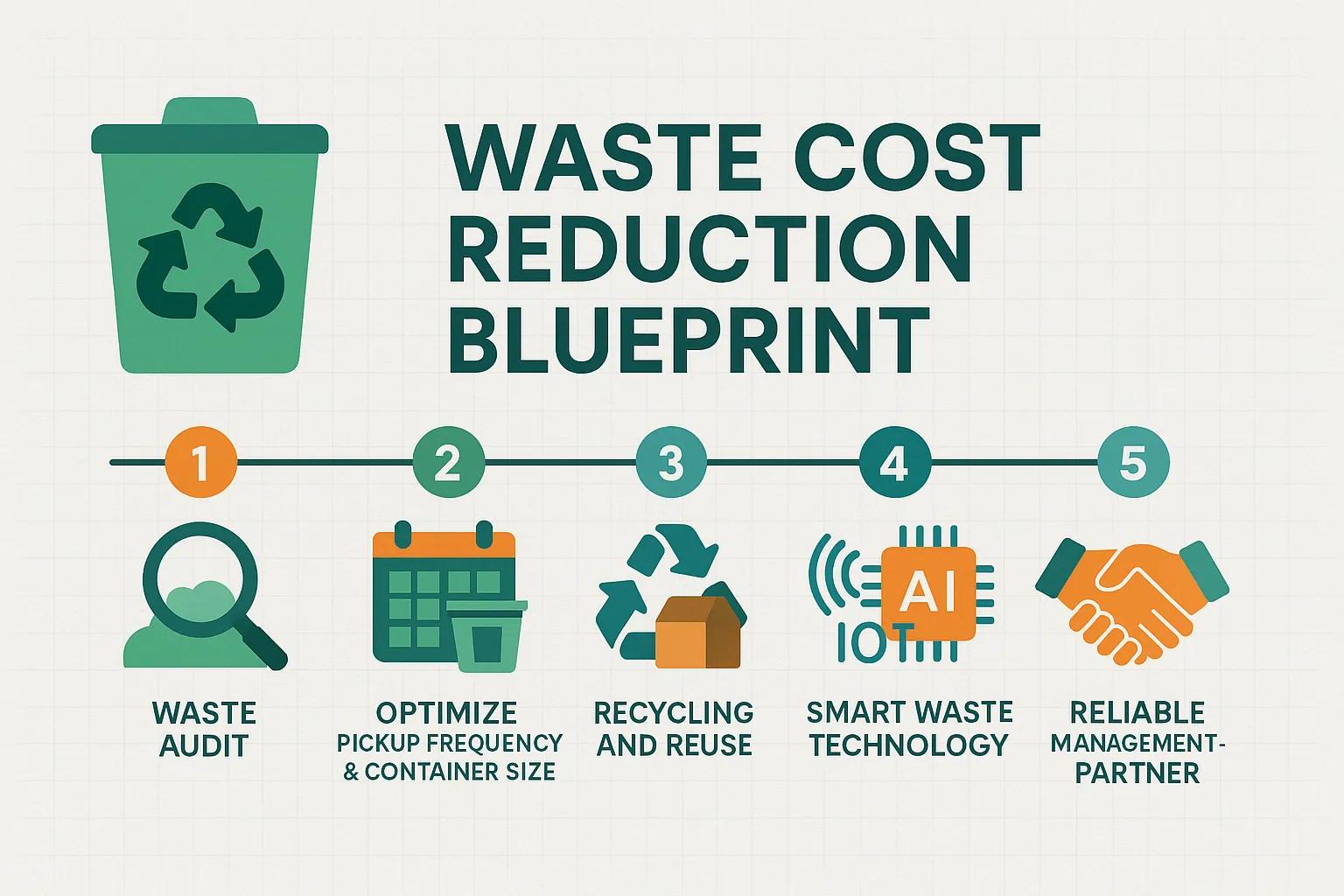
A waste audit helps identify the types of waste being produced and their quantities. This data is crucial for creating an action plan.
Identifying Key Waste Areas
Focus on high-waste areas such as:
- Kitchens
- Housekeeping
- Dining areas
Strategies for Reducing Food Waste
Inventory Management
Using FIFO (First In, First Out) ensures that older ingredients are used before they expire.
Portion Control
Serving appropriate portion sizes significantly reduces plate waste.
Food Donation Programs
Partnering with local charities allows surplus food to be redistributed rather than wasted.
Recycling and Reuse Practices
Recycling Systems
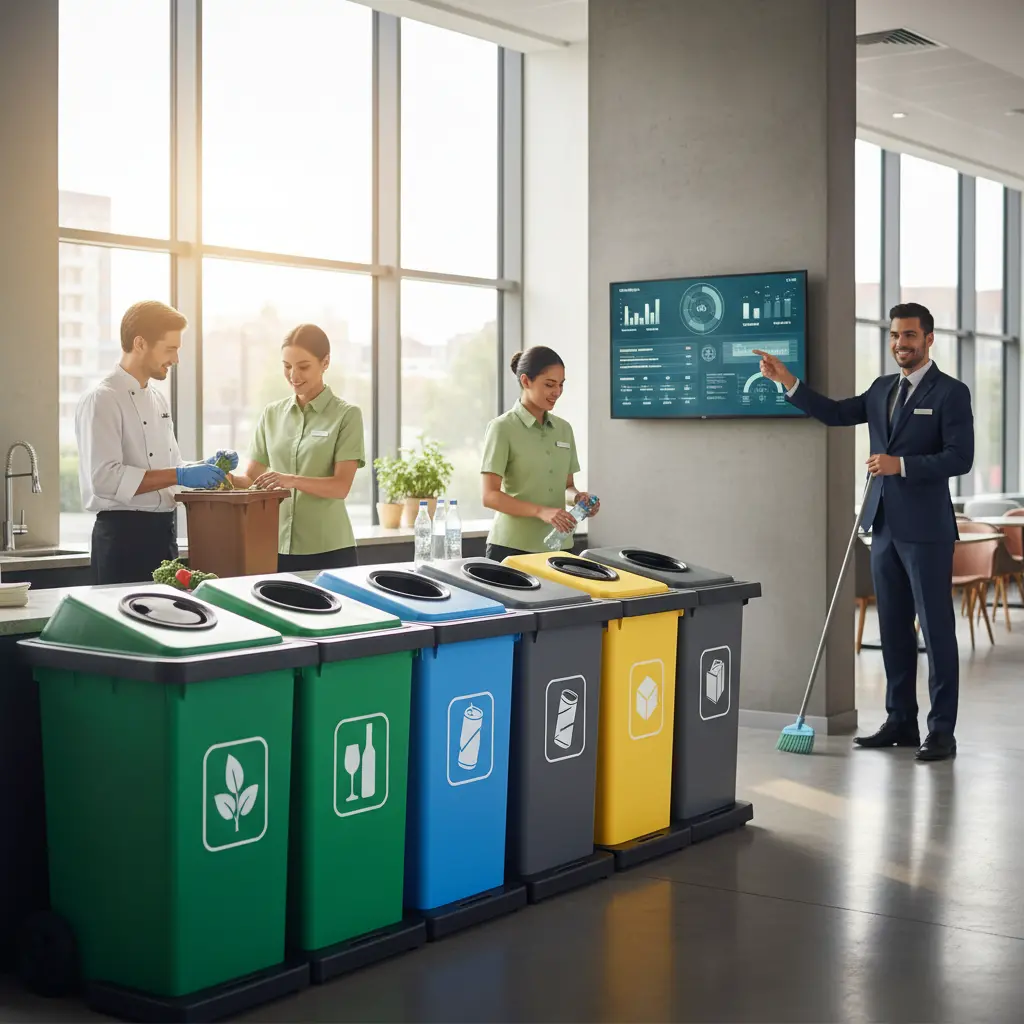
Set up clearly labeled bins for:
- Plastics
- Glass
- Paper
Composting Organic Waste
Food scraps can be composted and used as fertilizer, reducing landfill waste.
Technology in Waste Management
Smart Waste Tracking Systems
Digital tools help track waste generation and identify inefficiencies.
Automation in Kitchens
Automated systems reduce errors and minimize food waste.
Staff Training and Awareness
Employee Engagement
Training staff ensures they understand waste policies and follow best practices.
Sustainability Culture
Creating a culture of sustainability encourages long-term commitment.
Guest Participation in Waste Reduction
Awareness Campaigns
Inform guests about sustainability efforts through signage and digital platforms.
Incentivizing Eco-Friendly Behavior
Offer rewards for:
- Reusing towels
- Avoiding single-use plastics
Government Regulations and Compliance
Environmental Laws
Businesses must comply with local waste disposal regulations to avoid penalties.
Certification Programs
Certifications like green hotel standards boost credibility and attract eco-conscious guests.
Case Studies of Successful Waste Management
Hotel Industry Examples
Many hotels have reduced waste by:
- Eliminating single-use plastics
- Implementing composting programs
Restaurant Industry Examples
Restaurants are adopting:
- Zero-waste kitchens
- Sustainable sourcing
Challenges in Waste Management
Cost Barriers
Initial setup costs can be high, but long-term savings outweigh the investment.
Operational Limitations
Limited space and infrastructure can make waste management difficult.
Future Trends in Hospitality Waste Management
Circular Economy
The focus is shifting toward reusing and recycling materials to create a closed-loop system.
Zero-Waste Initiatives
More businesses are aiming to send zero waste to landfills.
FAQs
1. What is waste management in hospitality?
It refers to the process of reducing, reusing, and recycling waste generated by hotels and restaurants.
2. Why is waste management important in hospitality?
It helps reduce costs, protect the environment, and improve brand image.
3. How can hotels reduce food waste?
By using inventory management, portion control, and donation programs.
4. What are common types of waste in hospitality?
Food waste, plastic waste, and hazardous waste.
5. How does technology help in waste management?
It tracks waste, improves efficiency, and reduces errors.
6. What is a zero-waste hotel?
A hotel that aims to eliminate waste sent to landfills through sustainable practices.
Conclusion
Waste management in hospitality is not just a trend—it’s a necessity for a sustainable future. By adopting smart strategies like recycling, composting, and reducing food waste, businesses can significantly lower costs and environmental impact.
The journey toward sustainability may seem challenging, but with the right approach, it becomes an opportunity for growth, innovation, and long-term success.
About the author