Waste Management Solutions for Rural Communities: Smart, Sustainable, and Scalable Approaches
By BKThemes
1. Introduction to Rural Waste Management
Rural areas are often celebrated for their serene landscapes and close-knit communities, but they face a silent challenge: managing waste efficiently. Unlike urban centers with robust infrastructure and waste management contracts, rural communities often rely on decentralized or outdated systems. Waste management solutions for rural communities must therefore be designed to overcome logistical and economic barriers while protecting local ecosystems.
Rural waste includes everything from household garbage to agricultural byproducts, construction debris, and even hazardous farm chemicals. When improperly managed, this waste can lead to water contamination, soil degradation, and health risks for residents. Sustainable rural waste strategies not only protect the environment but also strengthen community well-being and resilience.
2. The Importance of Effective Waste Management in Rural Areas
Waste management is more than just garbage collection—it’s about ensuring that what’s discarded doesn’t harm what sustains us. In rural settings, where residents often depend on local natural resources, improper disposal can be devastating.
Environmental Impact:
Dumping waste in open fields or waterways pollutes groundwater and harms biodiversity.
Economic Impact:
Poor waste management discourages tourism and investment, while recycling and composting can create local jobs.
Social Impact:
Clean, well-managed environments promote community pride and reduce disease risks associated with waste mismanagement.
3. Common Challenges Faced by Rural Communities
While the need for effective waste management is universal, rural areas face specific hurdles:
- Distance and Accessibility: Waste collection trucks often travel long distances, raising fuel and labor costs.
- Limited Funding: Small tax bases restrict the ability to invest in waste infrastructure.
- Lack of Recycling Facilities: Many rural areas have no local processing centers, making recycling costly.
- Public Awareness: Limited education about waste separation or composting leads to low participation rates.
Overcoming these challenges requires creative, scalable, and community-focused solutions.
4. Types of Waste in Rural Settings
Rural waste is diverse. The primary types include:
- Household Waste: Food scraps, packaging, paper, and plastics.
- Agricultural Waste: Animal manure, crop residue, and pesticides.
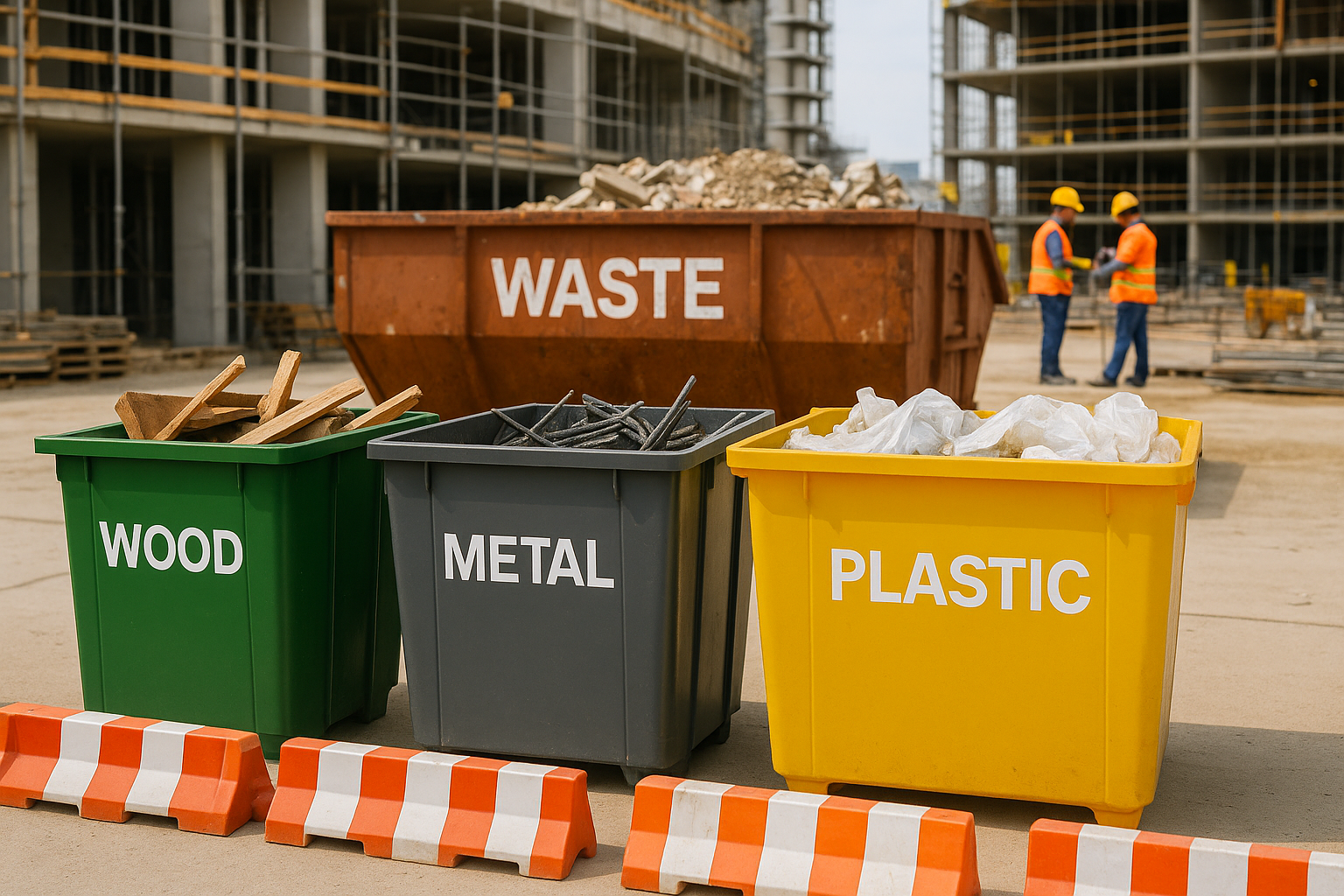
- Construction and Demolition Debris: Wood, concrete, and metal from rural development projects.
- Industrial Waste: Byproducts from small manufacturing or processing facilities.
Tailoring solutions for each waste stream ensures efficiency and environmental compliance.
5. Key Waste Management Solutions for Rural Areas
Developing effective waste management solutions for rural communities involves a combination of collection, processing, and disposal techniques.
- Centralized Drop-Off Points: For areas too remote for curbside pickup.
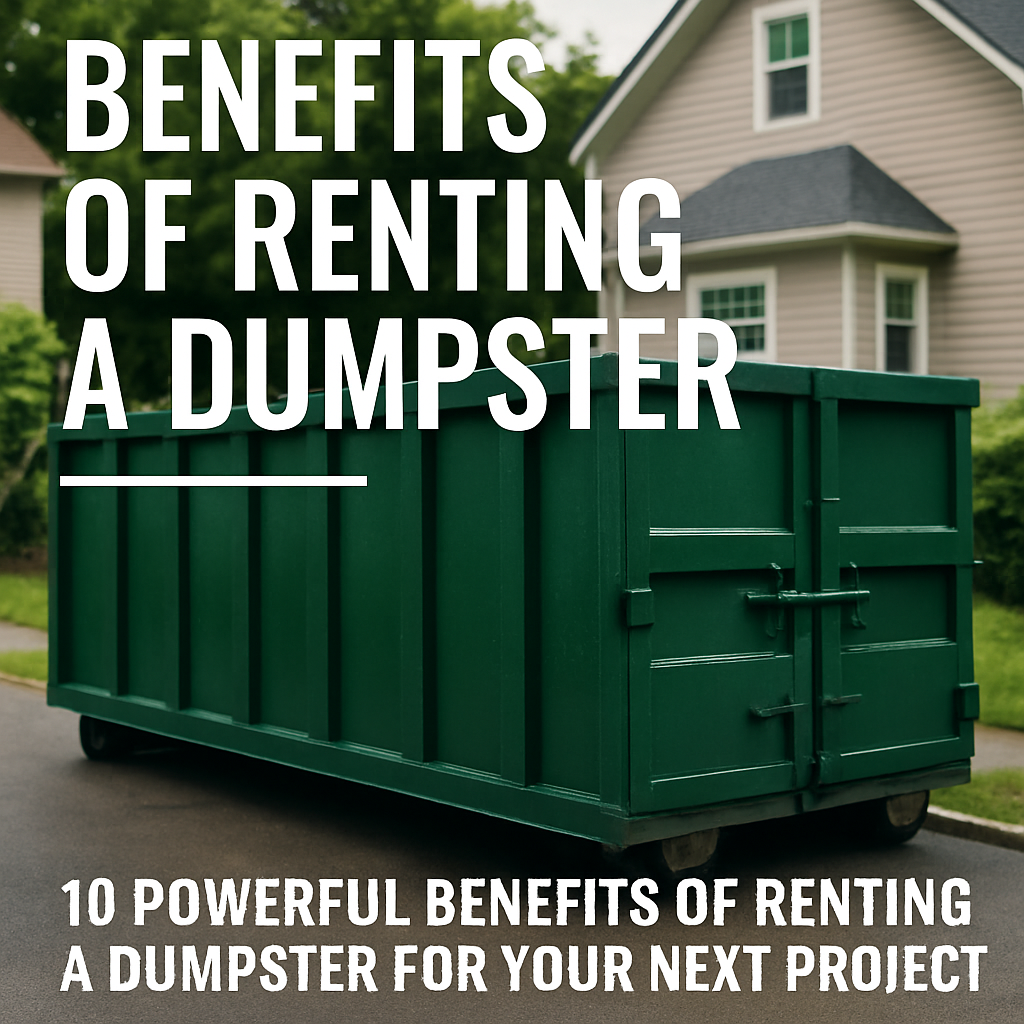
- Cluster Collection Systems: Shared dumpsters serving multiple households.
- Scheduled Waste Collection Routes: Reducing fuel use by optimizing pickup timing.
- Community Sorting Stations: Encouraging recycling and proper segregation.
These solutions must be adapted to each community’s size, geography, and available resources.
6. Recycling Programs Tailored for Rural Communities
Recycling is one of the most effective tools for waste reduction, but rural areas need customized approaches:
- Drop-Off Centers: Strategically located to serve multiple towns.
- Mobile Recycling Units: Trucks that collect recyclables on rotation.
- Regional Recycling Hubs: Shared facilities for multiple counties.
Incentive-based recycling programs can also increase participation, such as refund systems for aluminum cans or plastic bottles.
7. Composting and Organic Waste Management
Since organic waste makes up a large portion of rural household and farm waste, composting offers a low-cost, eco-friendly solution.
Home Composting: Families can compost food scraps and garden waste for use in home gardens.
Community Composting Sites: Shared composting areas for residents and farmers.
These initiatives not only reduce landfill pressure but also produce valuable soil enhancers, promoting local agriculture.
8. Community-Led Waste Reduction Programs
True progress in waste management happens when communities lead the charge. Local organizations and schools can champion recycling, organize clean-up drives, and host workshops on waste reduction.
Peer-to-peer education often resonates more than government mandates. When rural communities take ownership, waste reduction becomes a shared goal instead of a forced rule.
9. Role of Technology in Rural Waste Management
Technology offers innovative solutions for even the most remote communities.
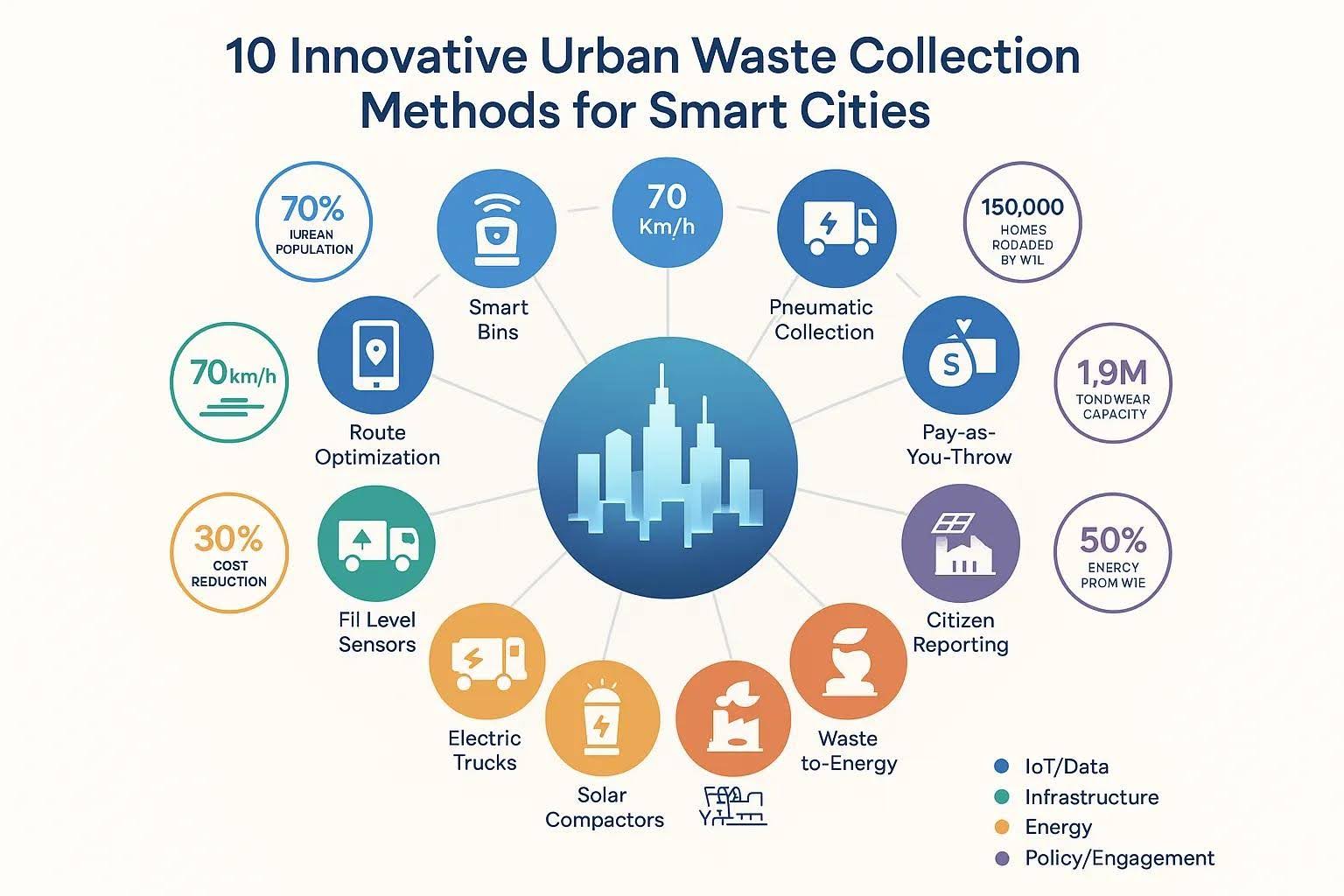
- IoT Smart Bins: Sensors alert authorities when bins are full.
- GPS Route Optimization: Reduces fuel use and collection time.
- Data Management Platforms: Track waste generation and recycling rates.
Adopting low-cost digital tools can make small rural systems more efficient and transparent.
10. Public-Private Partnerships for Waste Solutions
Collaborations between municipalities and private waste companies—like National Waste Associates or regional service providers—help bridge resource gaps.
Private partners bring expertise, funding, and modern equipment, while local governments ensure that operations align with community needs and sustainability goals.
11. Government Support and Policy Frameworks
State and federal agencies often provide grants and programs for rural waste management. Examples include:
- USDA Rural Development Programs
- EPA Solid Waste Management Assistance Grants
These initiatives can fund recycling centers, composting projects, and public education campaigns.
12. Case Studies: Successful Rural Waste Initiatives
- Vermont, USA: Small towns implemented mandatory composting and recycling ordinances, reducing landfill waste by over 40%.
- Kerala, India: A decentralized waste collection system turned waste into revenue-generating compost.
- Norway: Rural communities use smart bins with solar-powered compactors, reducing collection frequency.
Such examples demonstrate how innovation, policy, and community engagement can work together.
13. Role of Education in Waste Management Success
Education is at the heart of any sustainable system. Rural schools, NGOs, and municipal leaders can run awareness campaigns on segregation, recycling, and composting.
Empowering youth ensures long-term behavior change and fosters environmental stewardship.
14. Financial Models for Sustainable Rural Waste Systems
Sustainability requires financial viability. Options include:
- Pay-As-You-Throw Models: Residents pay based on waste generated.
- Public-Private Investment: Shared costs between municipalities and private operators.
- Community Cooperatives: Members contribute small fees for collective waste management.
With creative funding, rural areas can maintain long-term waste programs without overburdening residents.
15. Future of Rural Waste Management
The future is bright for rural waste management. As technology becomes more accessible and sustainability takes center stage, small towns can lead by example.
Decentralized systems, smart recycling hubs, and circular economy models will redefine how rural communities manage their waste while protecting their heritage and natural surroundings.
Conclusion
Waste management solutions for rural communities require a blend of practicality, innovation, and community spirit. By prioritizing recycling, composting, and sustainable partnerships, rural regions can achieve cleaner, greener, and more resilient futures.
About the author