Water Pollution: How Improper Waste Disposal Affects Water Sources and Aquatic Life Comprehensive Guide
By BKThemes
Introduction: The Growing Threat of Water Pollution
Water is essential to all life on Earth, yet human activities are pushing this vital resource to the brink of crisis. Every year, billions of tons of waste find their way into rivers, lakes, and oceans. Much of this pollution comes from improper waste disposal—dumping trash, sewage, and chemicals without adequate treatment.
The result? Polluted waters that destroy aquatic ecosystems, endanger human health, and disrupt economies worldwide. Understanding how waste affects water sources and marine life is the first step toward protecting one of our most precious resources.
What Is Water Pollution? Definition and Overview
Water pollution occurs when harmful substances—such as chemicals, plastics, heavy metals, and organic matter—contaminate water bodies. This contamination reduces water quality, making it unsafe for drinking, swimming, fishing, and supporting aquatic life.
The Science Behind Water Contamination
Pollutants alter the chemical balance of water. For instance, excessive nitrogen and phosphorus from fertilizers cause eutrophication, where algae overgrow and deplete oxygen levels. Similarly, oil spills block sunlight from reaching aquatic plants, while plastics break down into microplastics that fish mistakenly eat.
This chain of contamination affects every level of the ecosystem—from microscopic plankton to whales and even humans.
Major Sources of Water Pollution
Industrial Waste and Chemical Discharge
Factories often release toxic chemicals, heavy metals, and untreated wastewater into nearby rivers. Substances like mercury and lead accumulate in sediments, poisoning aquatic life and entering the food chain.
Household Waste and Improper Disposal
Everyday activities—like pouring paint down the drain or littering plastic bottles—add up. Improperly discarded household waste is a major source of pollutants, especially in urban areas with poor waste management.
Agricultural Runoff and Fertilizer Pollution
When rain washes fertilizers and pesticides off fields, they flow into rivers and lakes. This nutrient-rich runoff triggers harmful algal blooms, which suffocate fish and reduce biodiversity.
Urbanization and Plastic Waste
Rapid urban growth increases pollution through plastic litter, sewage overflow, and stormwater runoff. Single-use plastics—bags, bottles, and packaging—are among the most persistent pollutants.
How Improper Waste Disposal Pollutes Water
The Journey of Waste: From Trash Bin to River
Improperly disposed waste doesn’t just vanish—it travels. Wind and rain carry litter into drainage systems and eventually into rivers or oceans. Once there, it breaks down slowly, releasing harmful chemicals.
The Role of Human Negligence and Poor Waste Management
Many developing regions lack proper waste disposal infrastructure. Overflowing landfills and illegal dumping sites become sources of leachate—a toxic liquid that seeps into groundwater.
Case Studies: Communities Affected by Water Pollution
In the Philippines, plastic waste from urban centers clogs waterways and causes flooding. In India, untreated industrial waste has turned parts of the Ganges River into toxic zones, threatening millions who depend on it for daily use.
Effects of Water Pollution on Aquatic Life
Impact on Fish, Plants, and Marine Ecosystems
Fish exposed to pollutants suffer from reduced fertility, deformities, and death. Polluted water disrupts photosynthesis in aquatic plants and leads to the loss of critical habitats like wetlands and coral reefs.
Disruption of the Food Chain
Microplastics and chemicals accumulate in small organisms, which are then eaten by larger predators. This biomagnification means top predators—including humans—end up consuming the highest concentrations of toxins.
Coral Reefs and Biodiversity Loss
Coral reefs, often called the “rainforests of the sea,” are particularly vulnerable. Pollution leads to coral bleaching and loss of biodiversity, impacting thousands of marine species that depend on reefs.
Effects of Water Pollution on Humans
Health Risks Linked to Contaminated Water
Waterborne diseases like cholera, dysentery, and typhoid are caused by polluted water. Heavy metals can damage the nervous system, kidneys, and reproductive health.
Economic Consequences of Polluted Water Sources
Contaminated water affects fishing industries, tourism, and agriculture. Cleaning polluted rivers and oceans also costs billions each year—resources that could otherwise improve education or healthcare.
Global Examples of Water Pollution
The Ganges River (India)
One of the world’s most polluted rivers, the Ganges carries industrial effluents, sewage, and plastics. Despite being sacred, it highlights the urgent need for proper waste management.
The Great Pacific Garbage Patch
Floating between Hawaii and California, this massive cluster of plastic waste spans over 1.6 million square kilometers—endangering countless marine species.
The Flint Water Crisis (USA)
A stark reminder that water pollution isn’t just a developing-world issue. Lead contamination in Flint’s water supply caused widespread health problems and loss of public trust.
Solutions to Prevent Water Pollution
Proper Waste Disposal Practices
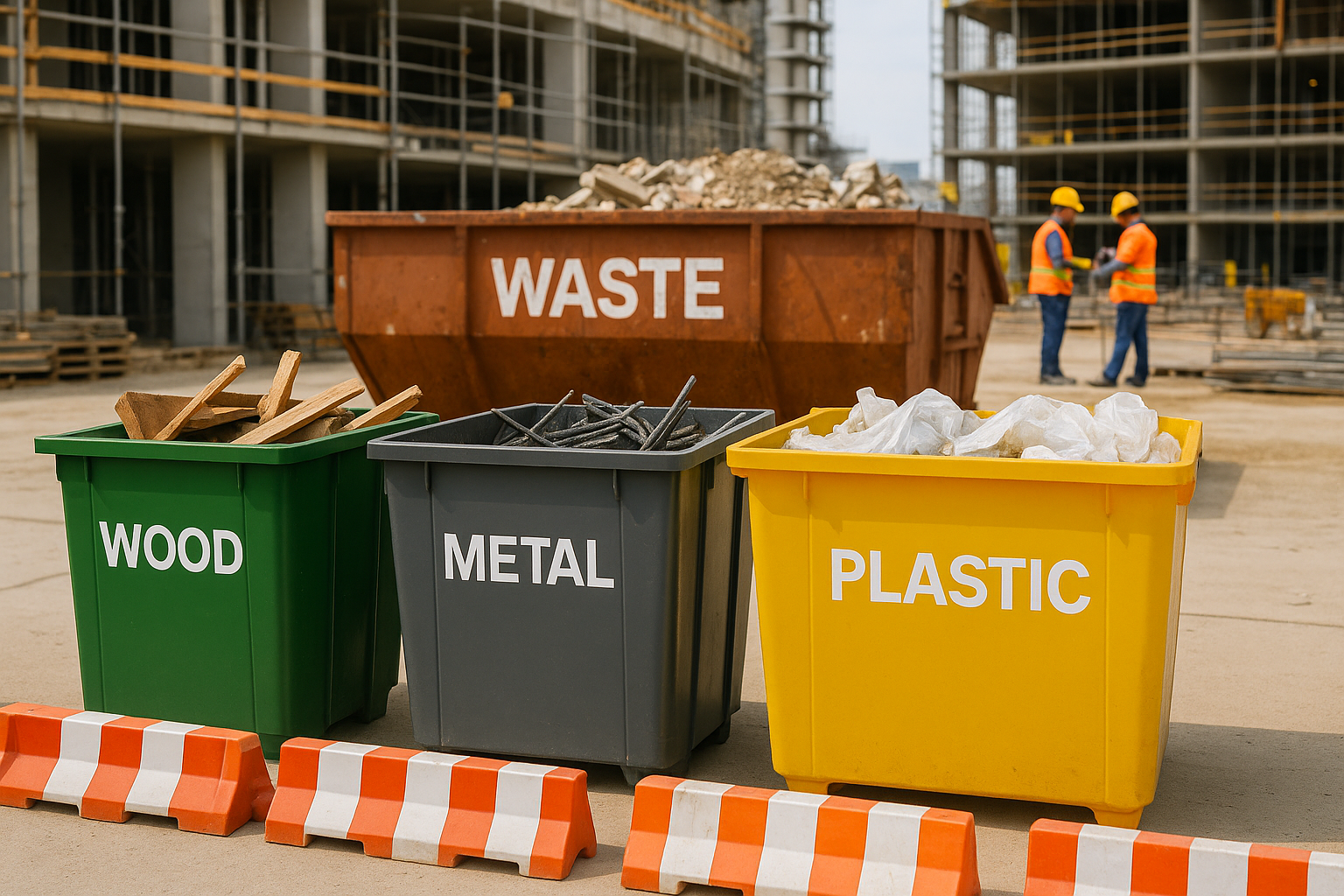
Communities must promote waste segregation—separating recyclables, compostables, and hazardous waste. Proper disposal prevents contamination before it starts.
Recycling and Waste Management Systems
Establishing efficient recycling programs reduces landfill waste and limits pollutants entering waterways.
Industrial Wastewater Treatment
Industries must invest in wastewater treatment plants to neutralize harmful chemicals before discharge.
Government Policies and Environmental Laws
Strong environmental laws and strict enforcement are crucial to prevent illegal dumping and promote accountability.
The Role of Education and Awareness
Community Involvement and School Programs
Education empowers people to act. School campaigns and community clean-ups foster responsibility and collective action.
Corporate Social Responsibility Initiatives
Businesses can reduce pollution by adopting sustainable practices and sponsoring cleanup projects.
Technological Innovations for Cleaner Water
Water Filtration and Treatment Technologies
Advances in nanotechnology and membrane filtration have made it easier to purify water and remove contaminants.
AI and IoT in Water Quality Monitoring
Smart sensors and AI systems can detect pollutants early, helping prevent major contamination events.
The Future of Our Water: What Lies Ahead
Predictions and Global Efforts to Restore Ecosystems
If current trends continue, by 2050 there could be more plastic than fish in the ocean. However, global collaborations like the UN’s Clean Seas campaign show promise.
Why Collective Action Matters
Everyone—from individuals to corporations—has a role to play. Reducing waste, supporting green policies, and spreading awareness can reverse the damage.
Conclusion: Protecting the Lifeblood of Our Planet
Water is life, yet pollution threatens its very existence. Improper waste disposal—although preventable—remains a significant contributor to contamination. Protecting our water sources means safeguarding the health of future generations, aquatic life, and our planet itself.
It’s time for global commitment, community awareness, and personal responsibility. Clean water is not a privilege—it’s a right, and protecting it starts with us.
About the author