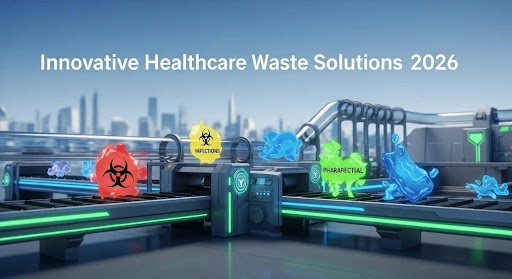
As we approach 2026, the landscape of healthcare waste management is evolving rapidly, driven by innovations in technology, stringent regulations, and a growing emphasis on sustainability. This article explores the key trends shaping healthcare waste management, including the types and classifications of medical waste, regulatory changes, innovative treatment technologies, and sustainable practices. Readers will gain insights into how these developments not only enhance compliance and efficiency but also contribute to a healthier environment. The increasing complexity of healthcare waste necessitates a comprehensive understanding of its management, which is crucial for healthcare facilities aiming to meet both regulatory requirements and environmental responsibilities. We will delve into the classifications of medical waste, the evolution of regulations, the latest treatment technologies, sustainable practices, and the digital tools driving these changes.
The critical importance of effective and sustainable biomedical waste management, encompassing both legal and environmental responsibilities, has been a consistent focus in recent years.
Biomedical Waste Management: Regulations & Eco-Friendly Methods The safe and sustainable management of biomedical waste (BMW) is a social and legal responsibility of all people supporting and financing healthcare activities. Effective BMW management (BMWM) is mandatory for healthy humans and cleaner environment. This article reviews the recent 2016 BMWM rules, practical problems for its effective implementation, the major drawbacks of conventional techniques, and the latest eco-friendly methods for BMW disposal. Biomedical waste management in India: Critical appraisal, 2018
What Are the Key Types and Classifications of Medical Waste in 2026?
In 2026, medical waste is classified into several key categories, each requiring specific handling and disposal methods. Understanding these classifications is essential for effective waste management in healthcare settings. The primary types of medical waste include infectious waste, hazardous medical waste, pathological waste, sharps waste, pharmaceutical waste, and general non-hazardous waste, each posing unique risks and requiring tailored management strategies.
How Is Infectious and Hazardous Medical Waste Defined and Segregated?
Infectious waste is defined as any waste suspected to contain pathogens (bacteria, viruses, parasites, or fungi) in sufficient concentration or quantity to cause disease in susceptible hosts, including items contaminated with blood or other bodily fluids. Hazardous medical waste encompasses materials that are toxic, flammable, corrosive, or reactive, such as certain chemicals, pharmaceuticals, and heavy metals. Proper segregation of these waste types is critical to prevent cross-contamination and ensure safe disposal. Healthcare facilities implement strict protocols to separate these wastes at the source, utilizing color-coded bins and training staff on proper disposal methods.
What Are Emerging Categories in Biomedical Waste Classification?
Emerging categories in biomedical waste classification include new types of waste generated from advanced medical technologies, such as electronic waste (e-waste) from medical devices, sharps waste from robotic surgeries, and waste associated with telemedicine equipment. These categories reflect the evolving nature of healthcare and the need for updated regulations and management practices. As healthcare technology advances, so too must the strategies for managing the resulting waste, ensuring that all types are appropriately classified and handled.
How Are Hospital Waste Management Regulations Evolving in 2026?
The regulatory landscape for hospital waste management is undergoing significant changes as governments and health organizations strive to enhance safety and environmental protection. In 2026, regulations continue to become more stringent, focusing on compliance, sustainability, and the integration of circular economy principles.
What Are the Latest Global Compliance Standards for Healthcare Waste?
Global compliance standards for healthcare waste management are evolving to address the complexities of modern healthcare. Key standards include the World Health Organization’s guidelines on safe healthcare waste management and the Basel Convention’s regulations on the transboundary movement and disposal of hazardous wastes. These standards emphasize the importance of minimizing waste generation and ensuring safe disposal practices, which are critical for protecting public health and the environment.
How Do Hospitals Implement Real-Time Compliance Monitoring Systems?
Hospitals are increasingly adopting real-time compliance monitoring systems to ensure adherence to waste management regulations. These systems utilize advanced technologies, such as IoT devices, RFID tagging, and data analytics, to track waste generation, segregation, and disposal in real-time. By implementing these systems, healthcare facilities can quickly identify compliance issues, streamline waste management processes, and enhance overall operational efficiency.
What Innovative Biomedical Waste Treatment Technologies Are Transforming Healthcare in 2026?
Innovative treatment technologies are revolutionizing the way biomedical waste is managed, offering more efficient and environmentally friendly solutions. In 2026, several key technologies are expected to dominate the landscape.
How Are Waste-to-Energy and Automated Disposal Systems Being Utilized?
Waste-to-energy systems convert biomedical waste into energy through processes like controlled incineration with energy recovery and anaerobic digestion for organic waste fractions. These systems not only reduce the volume of waste but also generate renewable energy, contributing to sustainability goals. Automated disposal systems, such as robotic waste handling units and automated sterilization equipment, are also being utilized to enhance efficiency and safety in waste management, minimizing human exposure to hazardous materials.
What Role Does AI Play in Medical Waste Tracking and Treatment?
Artificial intelligence (AI) is playing a transformative role in medical waste tracking and treatment. AI algorithms can analyze waste generation patterns, optimize disposal routes, predict compliance issues before they arise, and assist in sorting waste streams for recycling. This technology enhances the accuracy and efficiency of waste management processes, ensuring that healthcare facilities can meet regulatory requirements while minimizing their environmental impact.
This innovative approach is further exemplified by advanced systems that integrate AI with sensor technology for comprehensive waste management.
Smart City Medical Waste Management with AI & Optimization By utilizing colored bags with identification tags, smart containers with sensors, object recognition sensors, air and soil control sensors, vehicles with Global Positioning System (GPS) and temperature humidity sensors, and outsourced waste treatment, the system optimizes waste sorting, storage, and treatment operations. Additionally, the incorporation of explainable artificial intelligence (XAI) technology, leveraging scikit-learn, xgboost, catboost, lightgbm, and skorch, provides real-time insights and data analytics, facilitating informed decision-making and process optimization. An innovative medical waste management system in a smart city using XAI and vehicle routing optimization, Z Boudanga, 2023
How Are Sustainable and Circular Economy Approaches Shaping Healthcare Waste Solutions?
Sustainability is becoming a central focus in healthcare waste management, with circular economy principles being integrated into waste solutions. These approaches aim to minimize waste generation and promote recycling, reuse, and resource recovery.
What Are Effective Strategies for Healthcare Waste Recycling and Reduction?
Effective strategies for recycling and reduction in healthcare waste include implementing comprehensive recycling programs for non-infectious waste, utilizing reusable medical supplies where safe and feasible, adopting waste minimization practices, and educating staff on proper segregation and disposal. By adopting these strategies, healthcare facilities can significantly reduce their waste footprint and contribute to a more sustainable healthcare system.
How Are Circular Economy Principles Integrated into Medical Waste Management?
Circular economy principles are being integrated into medical waste management by promoting the design of medical products that are easier to recycle and reuse, developing biodegradable materials, and encouraging manufacturers to take responsibility for the entire lifecycle of their products through extended producer responsibility (EPR) programs. By embracing these principles, healthcare facilities can enhance their sustainability efforts and reduce the environmental impact of their waste.
Further advancing these principles, cutting-edge digital twin systems are emerging to optimize waste management within a circular economy framework.
AI Digital Twin for Circular Healthcare Waste Optimization The paper introduces an artificial intelligence-based, scientifically supported digital twin system that aims at maximizing the effectiveness of healthcare waste management through the application of real-time sensing and analytics based on predictive algorithms and through the use of multi-objective optimization that is integrated into the circular economy paradigm. The framework virtualizes the streams of waste materials in the hospital through Internet of Things-based monitoring and implements the machine learning models to forecast, assess, and analyze waste and provide an optimization engine that balances the goals of both economy and environmental objectives within Artificial intelligence-based digital twin framework for circular economy optimization in healthcare waste management, JO Akomodi, 2026
What Digital Tools and Future Trends Are Driving Healthcare Waste Management in 2026?
Digital tools are playing a crucial role in shaping the future of healthcare waste management. In 2026, several trends are expected to emerge, driven by advancements in technology.
How Do AI and IoT Enhance Waste Segregation and Tracking?
AI and IoT technologies are enhancing waste segregation and tracking by providing real-time data on waste generation, segregation accuracy, and disposal practices. These technologies enable healthcare facilities to monitor compliance, optimize waste management processes, and reduce the risk of contamination. By leveraging these digital tools, hospitals can improve their waste management efficiency and ensure adherence to regulatory standards.
What Are the Prospects for Automated and Smart Waste Disposal Systems?
The prospects for automated and smart waste disposal systems are promising, with advancements in robotics, AI, and sensor technologies paving the way for more efficient waste management solutions. These systems can autonomously handle waste segregation, treatment, and disposal, reducing the burden on healthcare staff and minimizing the risk of human error. As these technologies continue to evolve, they are expected to play a vital role in the future of healthcare waste management.
About the author