Why Sustainable Commercial Waste Management Matters: Savings, Compliance, and Multi‑Location Strategies
By BKThemes
Sustainable waste management is no longer just good for the planet — it’s a practical way to reduce costs and simplify operations. This article breaks down the business case for sustainable waste programs: how they lower expenses, help you stay compliant, and strengthen brand reputation. We also cover tactics that work across multiple locations and explain how National Waste Associates (NWA) helps multi‑site companies streamline waste and recycling programs.
How Can Sustainable Waste Solutions Reduce Your Business Costs?
Smart waste strategies cut operating expenses by reducing disposal fees, improving recycling capture, and eliminating unnecessary hauls. When you target the right waste streams and processes, you see both immediate savings and longer‑term efficiency gains. Below are practical approaches you can implement right away.
What Are the Key Waste Cost Reduction Strategies for Companies?
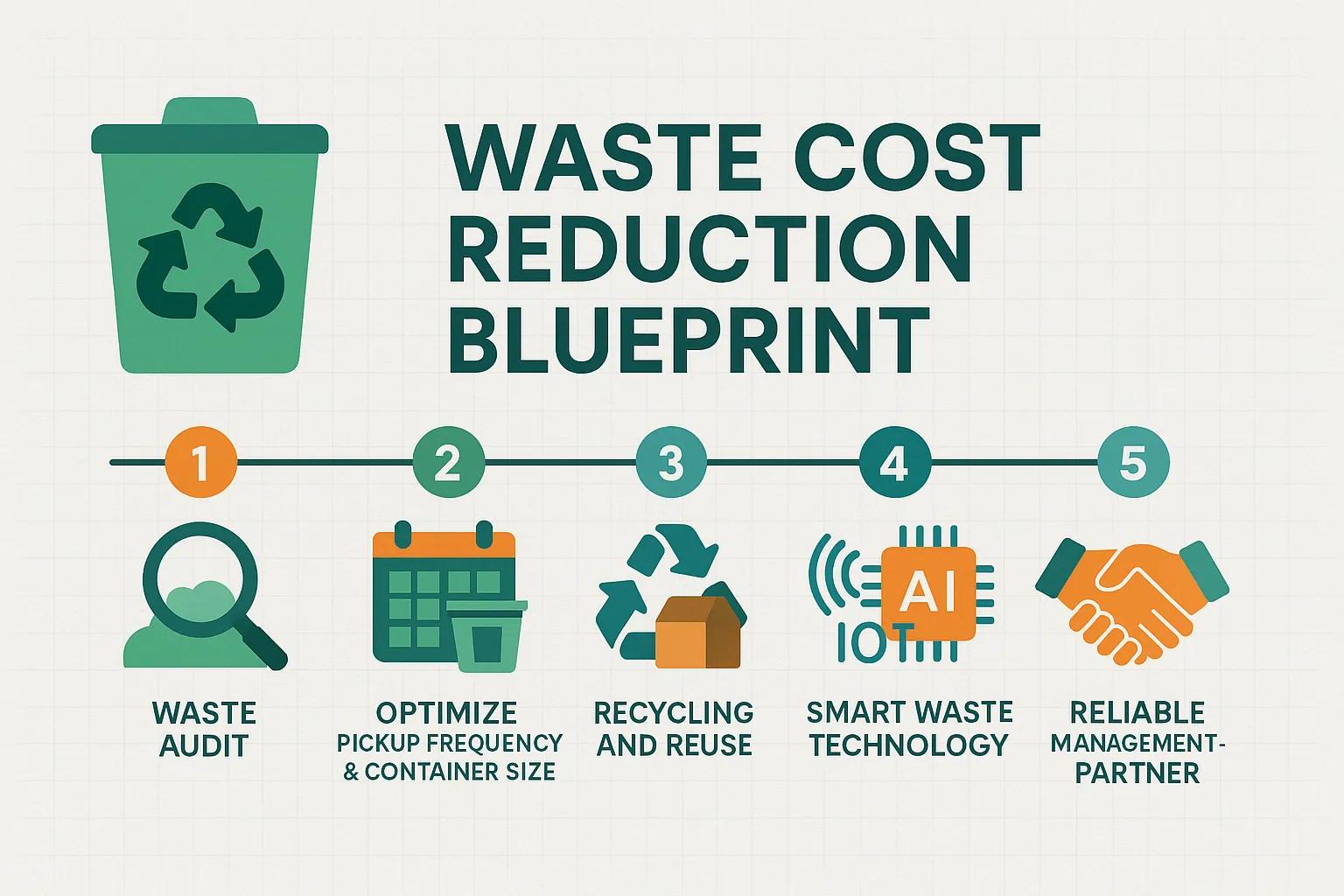
- Implementing Recycling Programs: Set up clear, monitored recycling streams to divert material from landfill, reduce disposal charges, and capture value from recyclables.
- Optimizing Waste Collection Schedules: Use waste‑generation data to right‑size pickup frequencies and avoid unnecessary hauls and associated fees.
- Conducting Waste Audits: Run regular audits to identify major waste streams, contamination points, and quick wins for reduction.
Together, these steps lower costs and move your organization toward measurable sustainability goals.
How Does Invoice Auditing Prevent Unnecessary Waste Expenses?
Invoice auditing exposes billing errors, duplicate charges, and services you’re not receiving, so you only pay for what’s contracted. Regular invoice reviews improve vendor accountability, protect budgets, and reduce the risk of surprise costs tied to misbilling or improper service classifications.
Why Is Regulatory Compliance Essential in Eco-Friendly Waste Disposal?
Compliance is foundational to any sustainable waste program — especially for companies with multiple locations. Following local, state, and federal rules avoids fines and protects your reputation. Below, we outline common challenges and ways to manage them across dispersed sites.
How Do Multi-Location Businesses Navigate Regional Waste Laws?
- Understand Local Regulations: Requirements vary by jurisdiction; track rules for each site to avoid gaps.
- Implement Standardized Practices: Standard policies and workflows across locations simplify training and compliance.
- Engage Local Experts: Local partners and consultants help interpret specific regulations and operationalize them on the ground.
Taking a proactive, standardized approach helps you stay compliant and reduces legal exposure across your footprint.
What Role Does Expert Compliance Management Play in Waste Solutions?
- Reduce Legal Risks: Compliance teams surface issues early so you can fix them before they trigger fines.
- Enhance Operational Efficiency: Centralized compliance processes cut administrative overhead and streamline audits.
- Build Trust with Stakeholders: Transparent compliance demonstrates responsibility to customers, investors, and regulators.
Robust compliance management keeps sustainability programs on track while protecting your organization from regulatory risk. sustainability programs
How Do Sustainable Waste Practices Enhance Brand Reputation and ESG Scores?
![Company exterior highlighting sustainability initiatives and brand image][(/matter-18-2.webp)
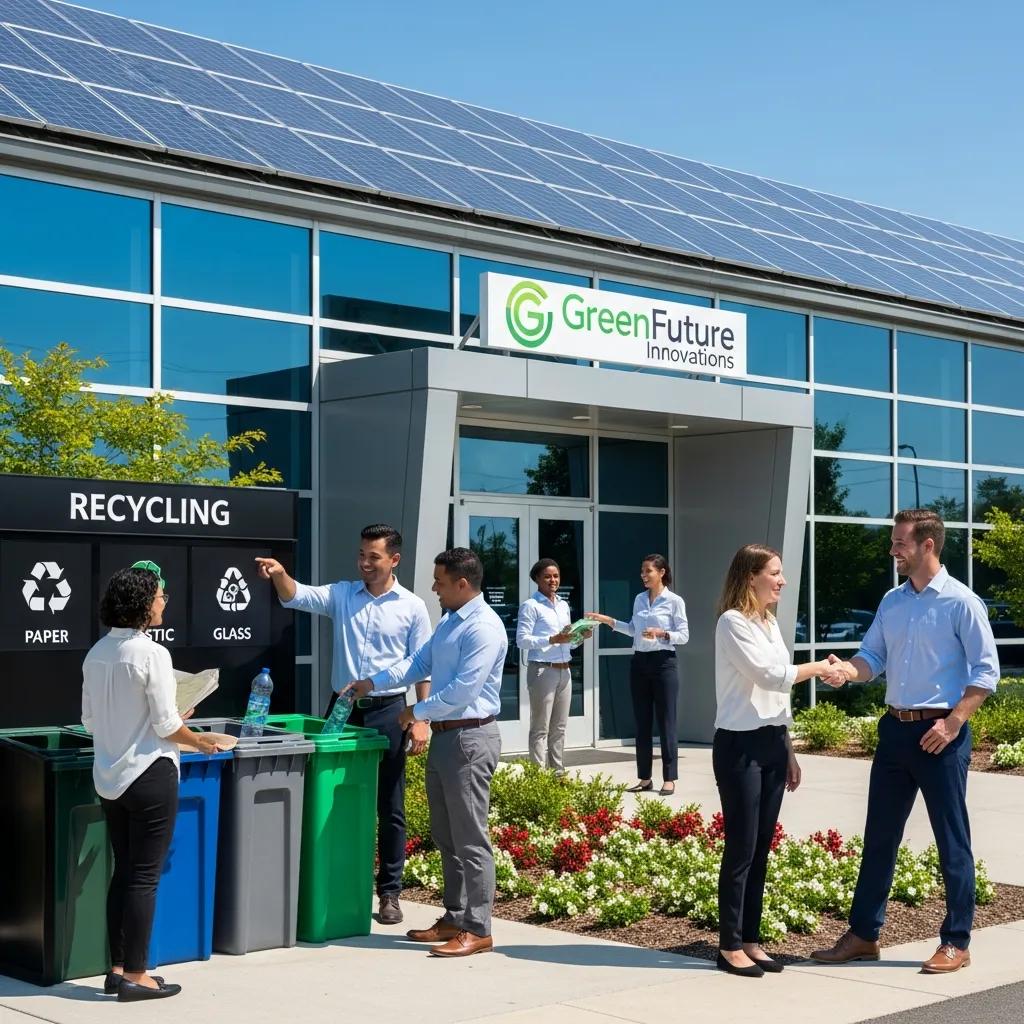
Well‑run waste programs reduce environmental impact and strengthen your brand and ESG reporting. As consumers and investors favor companies that act on sustainability, visible, measurable waste reductions give you a competitive advantage. The sections below explain why.
Why Do Consumers and Employees Prefer Companies with Strong Sustainability?
- Consumer Preferences: More buyers choose brands that demonstrate environmental responsibility.
- Employee Satisfaction: Sustainability initiatives increase pride and retention among staff.
- Positive Brand Image: Clear environmental commitments attract customers and investors who value corporate responsibility.
These trends make sustainability a material business issue, not just a marketing talking point.
How Can Waste Management Improve Investor Appeal and Corporate Social Responsibility?
- Attract Impact Investors: Investors increasingly look for companies with credible sustainability programs.
- Enhance Corporate Social Responsibility (CSR): Effective waste practices are a tangible part of CSR and public reporting.
- Improve Financial Performance: Lower costs and operational gains from waste programs can boost margins and investor confidence.
Prioritizing waste management strengthens both your ESG profile and your financial story.
What Makes National Waste Associates’ Multi-Location Waste Management Strategy Effective?
National Waste Associates (NWA) pairs national reach with local expertise to deliver consistent, cost‑effective waste programs for multi‑site organizations. We design tailored solutions, manage vendor relationships, and provide data that lets you measure performance and cost across every location. Commercial services
How Does the NWA360 Client Portal Provide Transparency and Control?
- Real-Time Data Access: Dashboards show current waste generation and disposal trends so you can act quickly.
- Customizable Reporting Features: Generate reports for cost, diversion, compliance, and ESG needs.
- 24/7 Account Access: Manage accounts and pull data on your schedule to support decisions and audits.
Clear data and reporting give you the control to reduce costs and prove progress.
What Are the Benefits of Expert Vendor Management and Hauler Networks?
- Access to a Wide Network of Haulers: Our hauler relationships deliver competitive pricing and reliable service across markets.
- Continuous Optimization of Services: We review vendor performance and adjust contracts to improve service and lower costs.
- Streamlined Communication: Centralized vendor management reduces confusion and speeds problem resolution.
These capabilities simplify operations and drive better outcomes across multiple locations.
How Can Businesses Mitigate Environmental Impact Through Sustainable Waste Solutions?
Businesses reduce environmental impact by prioritizing diversion, recycling, and circular economy practices. The next section outlines actionable steps and explains how circular principles tie waste reduction to lower carbon emissions and resource use.
Understanding circular‑economy principles helps clarify which waste strategies deliver the best environmental and business returns.
Circular Economy & Sustainable Waste Management: Business Benefits Waste management and the circular economy work together to limit waste, lower environmental risk, and increase resource efficiency. Waste management focuses on recycling, reuse, and safe disposal; the circular economy emphasizes designing out waste, keeping materials in use, and regenerating natural systems. Applied together, these principles create closed‑loop opportunities—turning waste into new products, reducing emissions, and supporting green jobs and industries. Waste management and circular economy, SA Bandh, 2024
What Are Effective Waste Diversion and Recycling Practices?
- Establishing Recycling Programs: Implement clear, monitored recycling streams that reduce contamination and increase diversion rates.
- Educating Employees: Provide training and signage so staff know how to sort waste correctly and avoid costly contamination.
- Partnering with Local Organizations: Work with local recyclers and community groups to improve diversion and support circular solutions.
These steps raise diversion rates, reduce landfill use, and support your broader sustainability targets.
How Does Reducing Carbon Footprint Align with Circular Economy Principles?
- Resource Recovery: Recovering materials from waste reduces demand for virgin resources and lowers emissions from production.
- Sustainable Product Design: Encouraging recyclable and repairable product design reduces waste at the source.
- Lifecycle Management: Planning for reuse, repair, and recycling shortens product lifecycles and cuts overall environmental impact.
Aligning waste programs with circular principles helps you reduce your carbon footprint while creating operational value.
Which Industry-Specific Sustainable Waste Solutions Address Unique Business Challenges?
Each industry has distinct waste challenges. Below are tailored strategies for common sectors, including retail and healthcare.
What Are Tailored Waste Strategies for Retail and Packaging Waste Reduction?
- Sustainable Packaging Solutions: Shift to recyclable, lower‑weight, or reusable packaging to cut waste at the source.
- In-Store Recycling Programs: Offer convenient return and recycling options to reduce customer‑facing packaging waste.
- Supplier Collaboration: Work with suppliers to reduce packaging and choose materials that are easier to recycle.
These approaches help retailers reduce costs, simplify operations, and meet consumer expectations for sustainability.
How Do Healthcare Facilities Ensure Waste Compliance and Safety?
Healthcare waste is tightly regulated—pharmaceutical and hazardous streams demand rigorous controls and clear procedures.
Navigating Commercial Waste Compliance & Regulations Pharmaceutical waste poses public‑health and environmental risks, and an evolving mix of federal and state rules can create complexity for health care providers. Organizations must take these regulations seriously and build programs that meet both safety and legal requirements. Hazardous waste compliance in health care settings, 2015
- Training Staff on Waste Segregation: Clear training ensures hazardous and non‑hazardous streams stay separate and compliant.
- Regular Compliance Audits: Frequent audits identify gaps and keep facilities aligned with evolving requirements.
- Engaging Waste Management Experts: Specialists help implement safe handling, storage, and disposal practices that meet regulations.
Prioritizing compliance protects patients, staff, and the community while avoiding costly enforcement actions.
| Strategy | Mechanism | Benefit |
|---|---|---|
| Recycling Programs | Divert waste from landfills | Lower costs and reduced environmental impact |
| Waste Audits | Identify waste streams | Targeted reduction strategies |
| Compliance Management | Ensure adherence to regulations | Minimize legal risks |
| Industry | Challenge | Tailored Solution |
|---|---|---|
| Retail | Packaging waste | Recyclable or reduced packaging strategies |
| Healthcare | Hazardous waste | Staff training and compliance audits |
| Manufacturing | Production waste | Resource recovery programs |
Frequently Asked Questions
What are the long-term benefits of adopting sustainable waste management practices?
Long term, sustainable waste programs reduce disposal and operational costs, improve recycling performance, and strengthen your brand and ESG credentials. Over time these programs create predictable savings, simplify audits, and help attract customers and investors who value environmental stewardship.
How can businesses measure the effectiveness of their waste management strategies?
Measure performance with metrics like diversion rate, recycling contamination, cost per ton, and total waste spend. Regular waste audits, vendor performance reviews, and data from tools like NWA360 provide the insights needed to track progress and prioritize improvements.
What role does employee training play in successful waste management?
Employee training is essential. Clear instruction and consistent signage reduce contamination, improve diversion, and make programs repeatable across locations. Well‑trained staff drive the day‑to‑day success of any waste initiative.
How can businesses effectively engage with local communities on sustainability initiatives?
Engage local partners—recycling centers, nonprofits, schools—to run education campaigns, collection events, and recycling pilots. Community engagement boosts program reach, improves local diversion, and reinforces your company’s commitment to responsible practices.
What challenges do businesses face when implementing sustainable waste solutions?
Common challenges include employee resistance to change, limited infrastructure in some markets, regulatory complexity, and fluctuating recycling markets. Overcome these by investing in training, leveraging expert partners, and using data to prioritize high‑impact actions.
How can technology enhance waste management practices?
Technology provides real‑time data, automates reporting, and optimizes collection schedules. Sensors, analytics platforms, and client portals reduce manual work, lower costs, and give clear visibility into performance and compliance.
Conclusion
Adopting sustainable waste management delivers clear, measurable benefits: lower costs, stronger brand reputation, and reliable compliance. For multi‑location businesses, centralized strategy, data visibility, and the right vendor network are key to success. National Waste Associates helps companies turn these principles into practical programs—contact us to learn how we can tailor a solution for your sites and sustainability goals.
About the author