Did you know that the average American household produces over 60 pounds of waste per week? [1] That’s a lot of stuff ending up in landfills! But what if I told you that a significant portion of that could be diverted through simple, everyday recycling? As a parent myself, I know that getting the whole family on board with recycling can sometimes feel like a chore. However, it doesn’t have to be! With a little creativity and some engaging activities, we can transform recycling from a task into a fun, educational, and impactful family endeavor. This year, let’s make a commitment to reduce our waste footprint and teach our kids the importance of environmental stewardship through these fantastic family recycling ideas.
Making Recycling a Family Affair
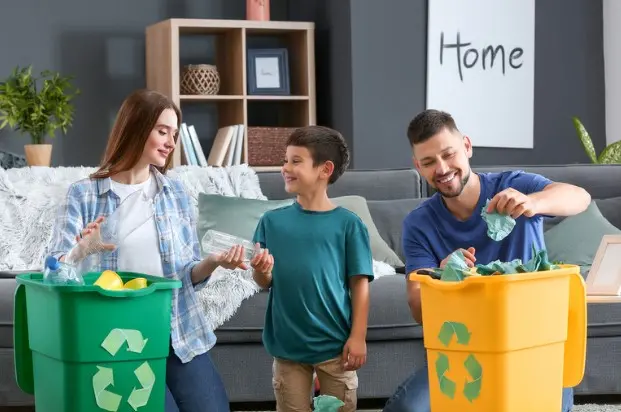
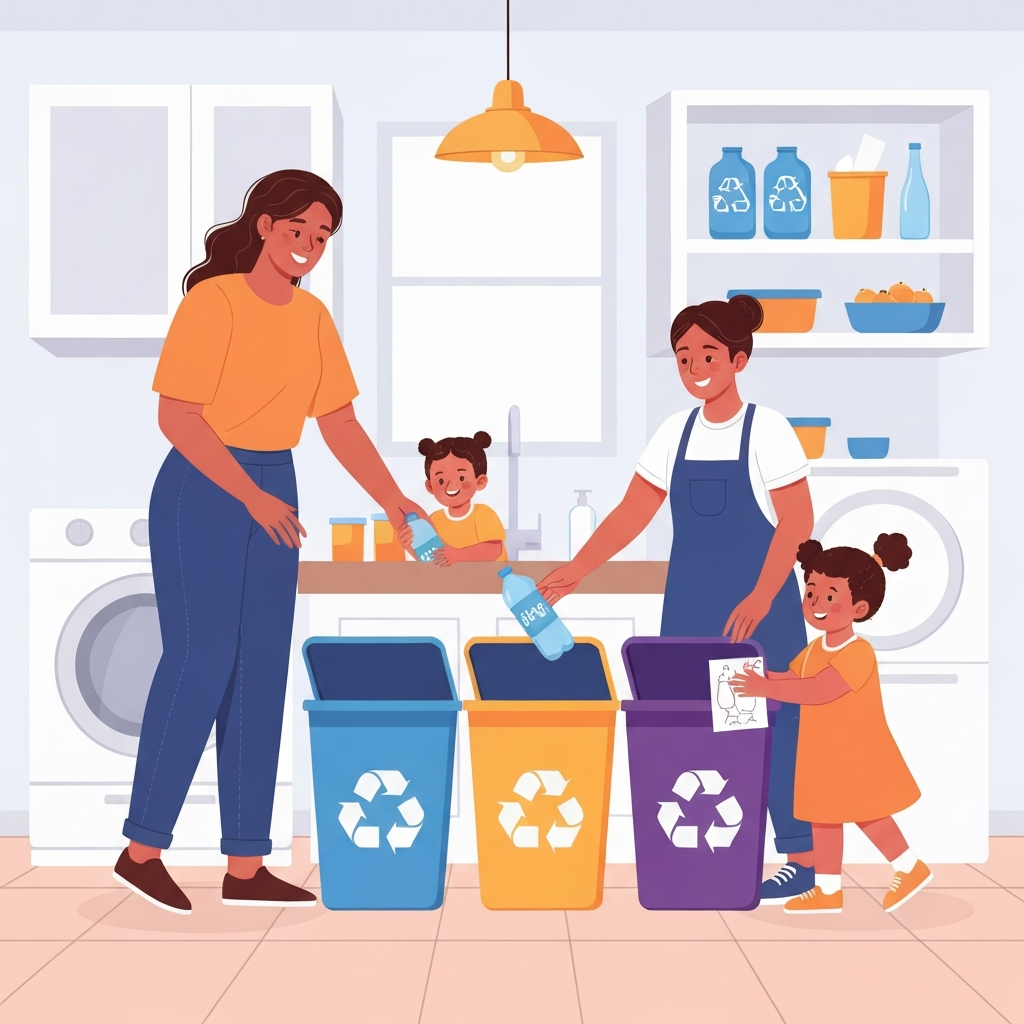
The best way to foster a lifelong habit of recycling is to make it a shared experience. When children see their parents actively participating and understand why we recycle, they’re much more likely to adopt these behaviors themselves. It’s not just about sorting bins; it’s about understanding the lifecycle of products and the impact our choices have on the planet.
1. The Recycling Station Makeover
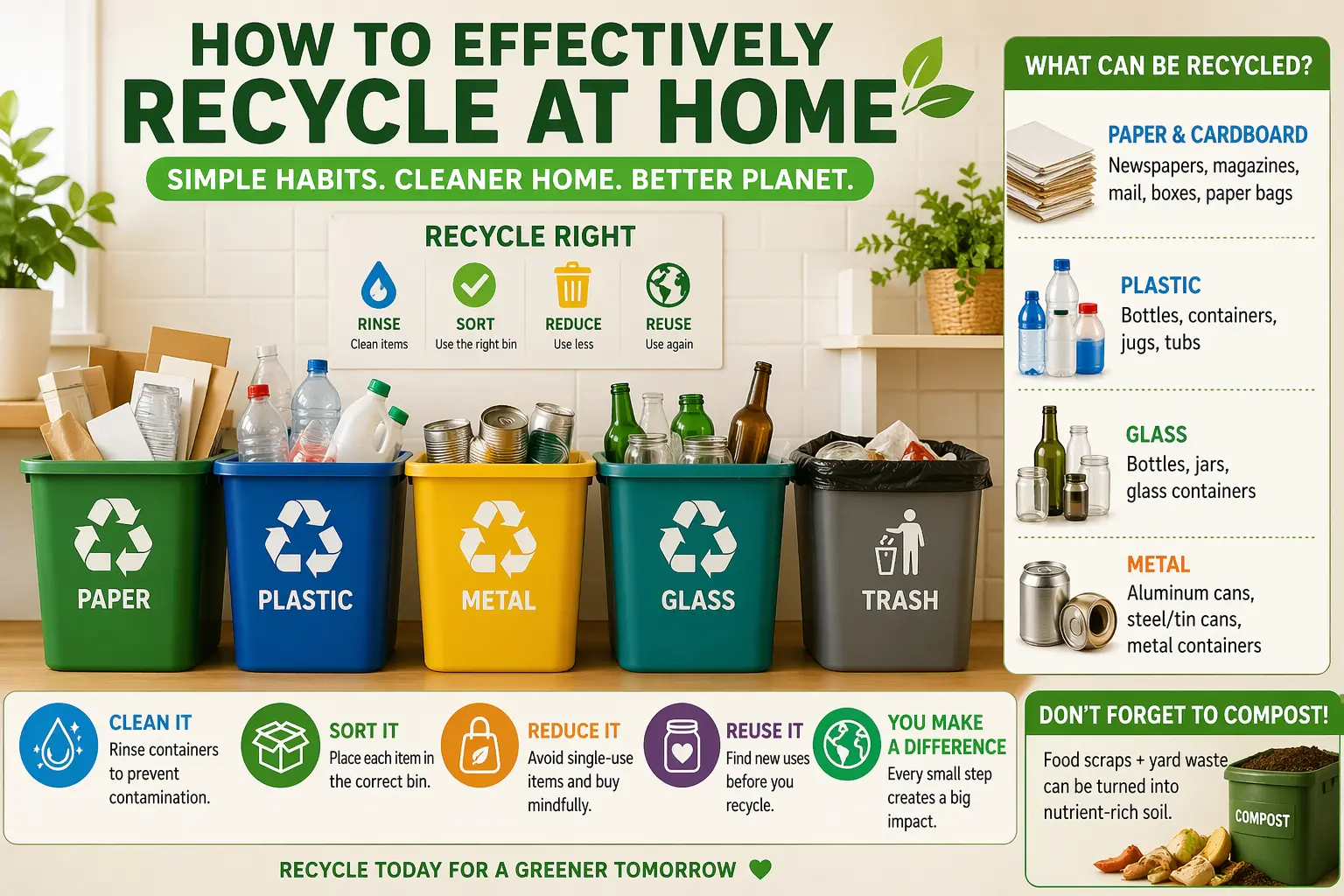
Let’s be honest, sometimes our recycling bins are a bit… uninspiring. Why not turn your recycling area into a visual masterpiece? Get the kids involved in decorating the bins. Use colorful paint, stickers, or even create laminated signs with pictures of what goes in each bin. This visual cue is super helpful, especially for younger children, and makes the process feel more like a game. You can even have a designated “recycling captain” for the week, whose job it is to ensure everything is sorted correctly.
2. Crafty Creations from Recyclables
One of the most rewarding aspects of recycling is seeing how “trash” can be transformed into treasure. There are countless craft projects you can do with common household recyclables.
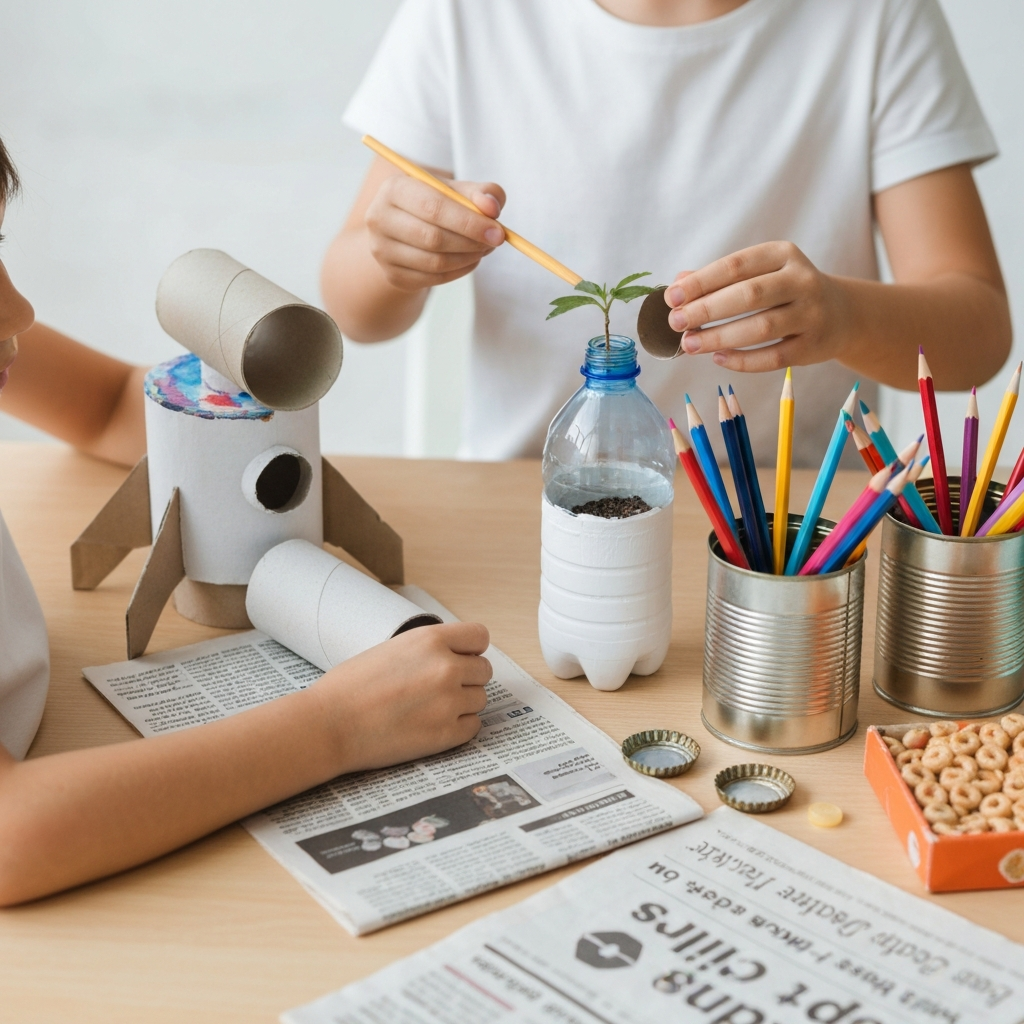
- Cardboard Box Creations: Empty cereal boxes, toilet paper rolls, and shipping boxes are goldmines for creativity. Build a magnificent fort, a race car, a robot costume, or even a miniature city. This is fantastic for developing fine motor skills and imaginative play.
- Plastic Bottle Wonders: Clean plastic bottles can become bird feeders, planters, or even decorative art pieces. Cut them, paint them, and let your imagination run wild.
- Tin Can Terrariums and Organizers: Washed-out tin cans can be transformed into pencil holders, paint brush organizers, or even miniature terrariums for small plants. Just be sure to smooth any sharp edges.
- Newspaper and Magazine Collages: Old newspapers and magazines are perfect for cutting out images and words to create vibrant collages or vision boards.
These activities not only keep kids entertained but also teach them about resourcefulness and the potential for reuse.
3. The “Wish-cycling” Awareness Campaign
We’ve all been guilty of “wish-cycling” – tossing something into the recycling bin hoping it’s recyclable. While the intention is good, wish-cycling can actually contaminate entire batches of recyclables, sending them straight to the landfill. It’s crucial for families to understand what actually goes in the bin.
You can create a family-friendly “Recycling Rules” chart with clear pictures and simple explanations. Discuss common contaminants like plastic bags, food-soiled containers, and certain types of plastic. Websites like National Waste Associates offer great insights into this issue, and you can use their resources to educate your family on proper sorting. Making this a learning opportunity helps prevent the hidden contamination threat in commercial recycling.
4. The “Trash Audit” Challenge
Turn waste reduction into a detective game! Once a month, conduct a “trash audit.” Collect your household trash (before it goes out), and have everyone help sort through it. What could have been recycled? What could have been composted? What items were bought unnecessarily? This hands-on experience provides a powerful visual of your family’s waste habits and sparks conversations about how to reduce it. You might be surprised at how much you can learn and improve from this simple exercise.
5. Composting Champions
Food scraps make up a significant portion of household waste. Introducing composting is a fantastic way to divert organic materials from landfills and create nutrient-rich soil for your garden.
- Kitchen Composting: Set up a small countertop compost bin for fruit peels, vegetable scraps, coffee grounds, and eggshells. Let the kids be in charge of emptying it into the main compost bin.
- Backyard Composting: If you have a yard, a backyard compost bin is ideal. Teach your children how to layer “greens” (food scraps) and “browns” (leaves, shredded paper) and the importance of turning the compost pile.
- Worm Composting (Vermicomposting): For a more contained and engaging option, consider a worm bin. Children are often fascinated by worms and the process of decomposition.
Composting is a direct way to see nature’s recycling in action and provides a tangible benefit for your plants. This is especially relevant for supermarkets looking into Supermarket Organic Waste Recycling.
Beyond the Bin: Expanding Your Recycling Horizons
Recycling isn’t just about what goes into your curbside bin. There are many other avenues for responsible waste management that families can explore.
6. E-Waste and Battery Recycling Drives
Old electronics and batteries shouldn’t be tossed in the regular trash. They contain hazardous materials that can harm the environment. Organize a family “e-waste collection day” where you gather old phones, chargers, batteries, and other small electronics. Many communities have designated drop-off points or special collection events for these items. This teaches children about responsible disposal of hazardous materials.
7. Textile and Clothing Recycling
Fast fashion contributes significantly to landfill waste. Instead of throwing away old clothes, explore textile recycling options. Donate wearable items to charities, or look for programs that recycle worn-out textiles into insulation or cleaning rags. You can even use old t-shirts for craft projects or cleaning rags around the house.
8. Specialized Recycling Programs
Many items have specialized recycling programs. Think about:
- Mattress Recycling: Old mattresses can be surprisingly difficult to dispose of. Many areas now have specific mattress recycling laws and services. Learning about Mattress Recycling Laws can be an eye-opener for older kids.
- Concrete Recycling: For home renovation projects, explore options for Concrete Recycling. This diverts a massive amount of construction debris from landfills.
- Plastic Film Recycling: Many grocery stores offer drop-off bins for clean plastic bags and film (like bread bags and produce bags).
9. Advocating for Change: Understanding Recycling Bills
For families with older children interested in environmental issues, learning about recycling policies can be empowering. Explore State Recycling-Related Bills and Federal Recycling-Related Bills. Understanding the laws and initiatives that promote recycling can foster a sense of civic responsibility and inspire young activists.
The Educational Power of Recycling
Recycling is a fantastic teaching tool. It opens up conversations about:
- Resource Conservation: Where do materials come from? Why is it important to conserve natural resources?
- Environmental Impact: How does waste affect ecosystems, wildlife, and climate change?
- The Circular Economy: Understanding how materials can be used, reused, and recycled to create new products.
- Consumerism: Making conscious choices about what we buy and the packaging it comes in.
By integrating these family recycling ideas into your daily routine, you’re not just reducing your household’s environmental footprint; you’re nurturing a generation of environmentally conscious individuals. It’s about building sustainable habits that will last a lifetime.
Key Takeaways
- Make it Fun: Transform recycling into an engaging family activity through crafts, games, and creative bin decoration.
- Educate on Sorting: Clearly teach what is and isn’t recyclable to avoid contamination and “wish-cycling.”
- Embrace Composting: Divert food scraps from landfills and create valuable soil.
- Explore Beyond the Bin: Look for specialized recycling programs for e-waste, textiles, and other materials.
- Teach Resourcefulness: Show how “trash” can be transformed into new items through reuse and creative projects.
- Understand the “Why”: Discuss the environmental benefits and the importance of resource conservation.
- Lead by Example: Children learn best when they see their parents actively participating in sustainable practices.
Frequently Asked Questions
What are some easy recycling crafts for young children?
For young children, simple crafts using toilet paper rolls (animals, binoculars), cardboard boxes (cars, houses), and plastic bottles (planters, shakers) are great. Painting and decorating these items are especially enjoyable for this age group.
How can I get teenagers interested in recycling?
Engage teenagers by focusing on the bigger picture: the environmental impact of waste, the concept of a circular economy, and how their actions contribute to a sustainable future. Discussing current recycling bills or organizing community clean-up events can also be motivating. You can also highlight how reducing waste can save money.
What should I do if my community doesn’t have a comprehensive recycling program?
If your community’s recycling program is limited, focus on what you can do. Advocate for better services by contacting local representatives. In the meantime, prioritize reducing consumption, reusing items, and seeking out private recycling facilities for specific materials like e-waste or textiles. Consider starting a neighborhood initiative.
Is “wish-cycling” really that bad?
Yes, wish-cycling can be very detrimental. When non-recyclable items are placed in recycling bins, they can contaminate entire loads of recyclables, leading to them being sent to the landfill. It also increases processing costs and can damage equipment at recycling facilities.
How can I teach my kids about the environmental impact of waste?
Use visual aids like infographics or documentaries about landfills and pollution. Conduct a family “trash audit” to show the volume of waste generated. Visit a local recycling center (if possible) or discuss how recycling conserves natural resources and energy compared to producing items from raw materials.
What are some alternatives to throwing away old clothes?
Instead of discarding old clothes, consider donating wearable items to charities. For clothes that are too worn, look for textile recycling programs or repurpose them as cleaning rags, craft materials, or for DIY projects like making quilts or tote bags.
Conclusion
Embracing family recycling ideas is more than just a chore; it’s an opportunity to connect, learn, and make a tangible difference. By integrating these practices into our daily lives, we not only reduce our environmental impact but also instill valuable lessons in our children about responsibility, resourcefulness, and the interconnectedness of our planet. This year, let’s make our homes greener, our families more aware, and our future brighter, one recycled item at a time. Remember, every little bit counts, and when we work together as a family, our impact is amplified. Let’s commit to sustainable recycling solutions for a healthier planet.
About the author