Introduction
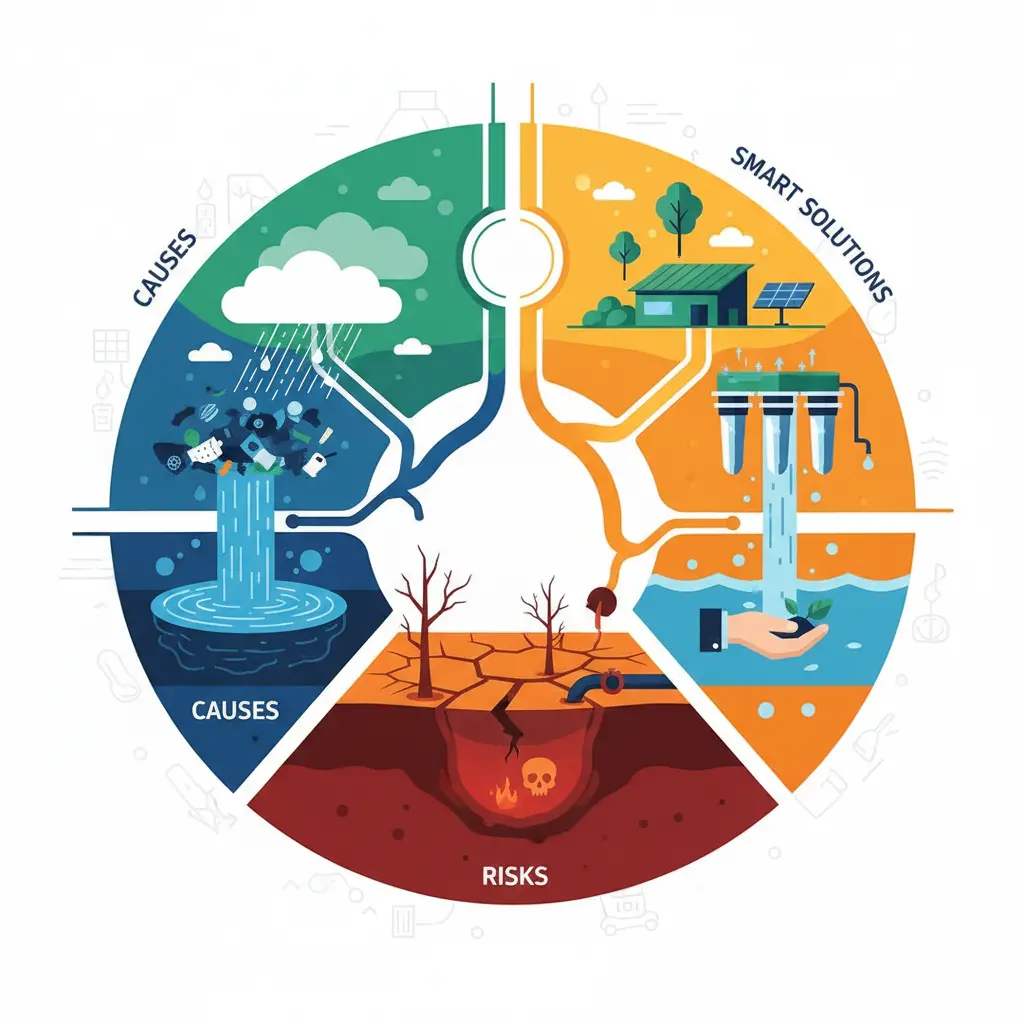
Landfill leaching is one of the most serious environmental issues linked to waste disposal. When rainwater filters through garbage in a landfill, it creates a contaminated liquid known as leachate. This toxic liquid may contain chemicals, bacteria, heavy metals, and organic pollutants. If unmanaged, it can seep into nearby soil, rivers, lakes, and groundwater.
As urban populations grow and waste production rises, landfill leaching becomes a bigger concern for communities worldwide. Understanding how it happens and how to prevent it is essential for protecting ecosystems and public health.
What Is Landfill Leaching?
Landfill leaching happens when water passes through layers of waste and dissolves harmful substances. The resulting liquid carries pollutants into the environment.
Main Components of Leachate
Leachate may include:
- Heavy metals like lead and mercury
- Organic waste compounds
- Ammonia and nitrates
- Harmful bacteria and viruses
- Industrial chemicals
The exact mix depends on the type of waste in the landfill.
How Does Landfill Leaching Occur?
Several natural and human-made factors contribute to landfill leaching.
1. Rainfall and Moisture
Rainwater enters the landfill and mixes with decomposing waste. The more rainfall an area gets, the greater the risk.
2. Waste Decomposition
As food scraps, paper, and organic matter break down, they release liquids and gases.
3. Poor Landfill Design
Older or poorly managed landfills may lack protective liners or drainage systems.
4. Cracks in Containment Systems
Even modern landfills can develop leaks over time if not maintained properly.
Environmental Effects of Landfill Leaching
Landfill leaching can damage the environment in several ways.
Groundwater Contamination
When leachate reaches underground water sources, it can pollute drinking water wells.
River and Lake Pollution
Nearby streams and lakes may become unsafe for fish, plants, and recreation.
Soil Damage
Toxic chemicals reduce soil fertility and may kill vegetation.
Air Quality Issues
Leachate often forms alongside methane gas, which contributes to odor and climate change.
Health Risks of Landfill Leaching
Exposure to contaminated water or soil can affect human health.
Possible risks include:
- Skin irritation
- Digestive illness
- Long-term toxic exposure
- Respiratory discomfort from nearby odors
- Increased disease spread in poorly managed areas
Children and elderly people may be especially vulnerable.
How Modern Landfills Prevent Leaching
Today’s engineered landfills use advanced systems to reduce environmental harm.
Protective Liners
Plastic or clay liners stop liquid from seeping into the ground.
Leachate Collection Pipes
Drainage systems collect contaminated liquid for treatment.
Waterproof Covers
Covers reduce rainfall entering the waste pile.
Regular Monitoring
Operators test groundwater and inspect equipment routinely.
Best Solutions for Landfill Leaching
Here are the smartest ways to reduce landfill leaching:
| SolutionBenefit | |
|---|---|
| Recycling Programs | Less waste enters landfills |
| Composting | Reduces wet organic waste |
| Waste Separation | Keeps hazardous waste out |
| Better Landfill Design | Improves containment |
| Leachate Treatment Plants | Cleans contaminated liquid |
Can Landfill Leaching Be Eliminated Completely?
Not entirely. However, it can be greatly reduced with proper planning, regulation, and waste management. The best strategy is to send less waste to landfills in the first place.
Frequently Asked Questions
1. What causes landfill leaching?
Rainwater passing through waste and collecting contaminants is the main cause.
2. Is landfill leaching dangerous?
Yes, it can contaminate water, soil, and ecosystems.
3. Can landfill leachate be treated?
Yes, treatment plants remove pollutants before discharge.
4. Do all landfills produce leachate?
Most landfills generate some leachate, especially where moisture is present.
5. How can households help reduce landfill leaching?
Recycle, compost, and avoid throwing hazardous materials in trash.
6. Are modern landfills safer than old ones?
Yes, modern landfills use liners, drainage, and monitoring systems.
Conclusion
Landfill leaching is a major environmental challenge, but it is manageable with smart engineering and responsible waste habits. By reducing waste, improving landfill systems, and supporting recycling efforts, communities can protect water supplies and natural ecosystems for future generations.
Learn more about sustainable waste management from the U.S. EPA: https://www.epa.gov/
About the author